


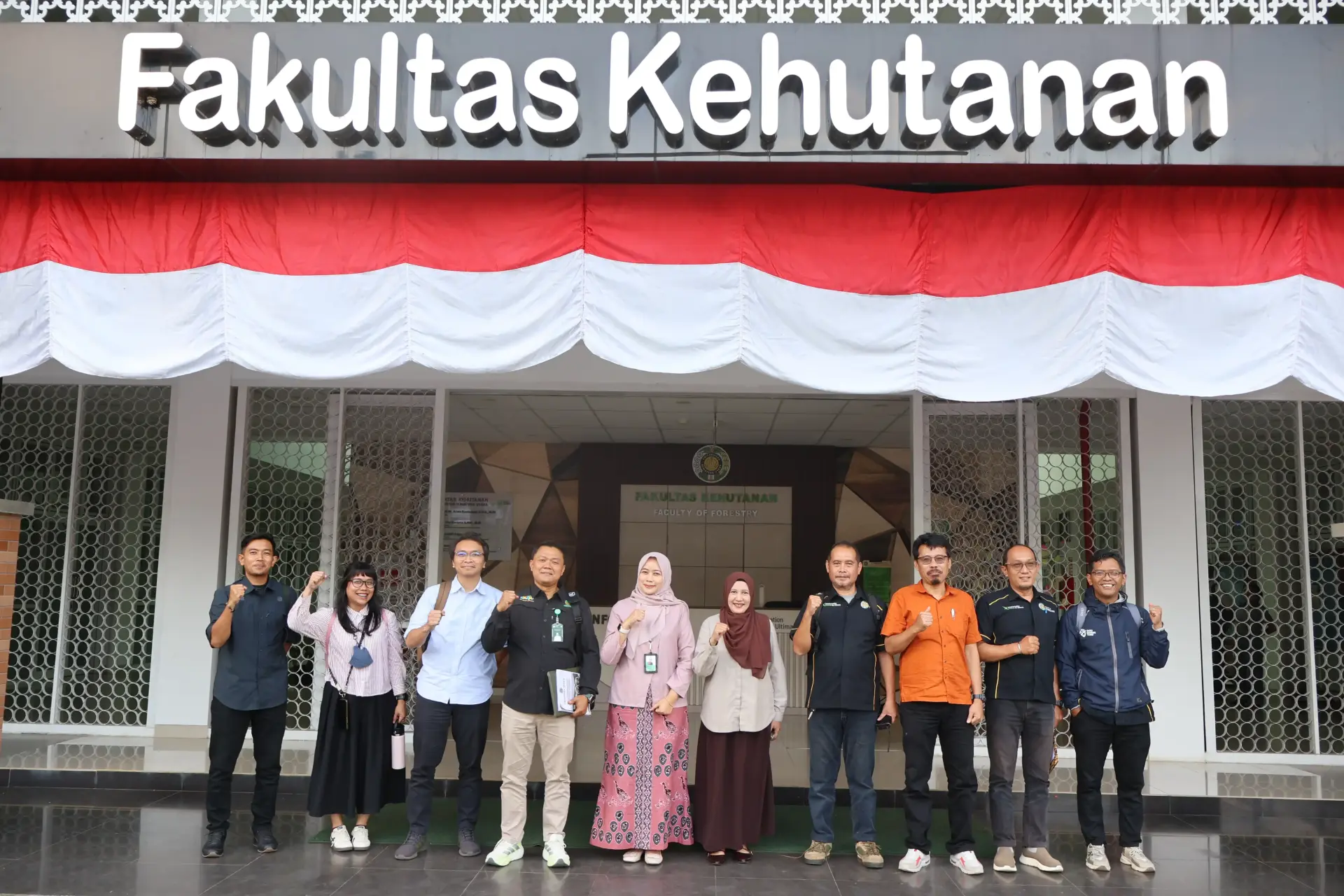
USU Faculty of Forestry Public Relations — The Faculty of Forestry, Universitas Sumatera Utara (USU), is strengthening its collaboration with the Ministry of Forestry in developing an Action Plan for the Conservation, Restoration, and Sustainable Management of Priority Degraded Ecosystems. The discussion was held on Wednesday, August 19, 2026, at the Faculty of Forestry USU Meeting Room, USU Campus 2, Deli Serdang, with an initial focus on Mandailing Natal Regency, North Sumatra.
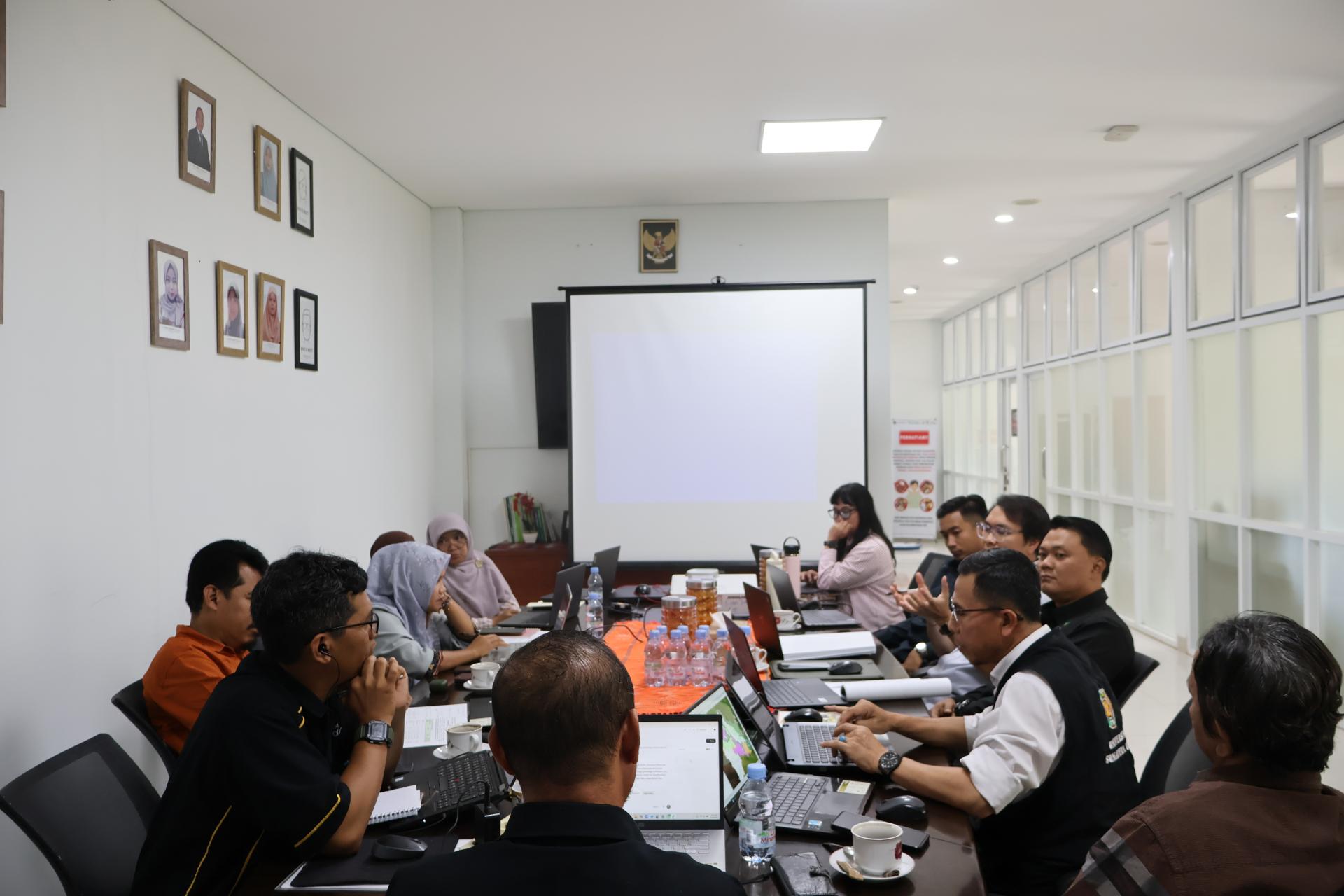
The meeting was attended by representatives of the Ministry of Forestry, including Darmawan, Wayan Mandyara, Rizki Kurnianto, and Lidwina Tarra. Representing the Faculty of Forestry USU were Dean Prof. Dr. Arida Susilowati, accompanied by Vice Dean for Research, Community Service, Cooperation, and Internationalization Dr. Anita Zaitunah, as well as Faculty of Forestry lecturers Yunus Afifuddin, Oding Affandi, and Nurdin Sulistiyono.
Five villages surrounding Batang Gadis National Park (TNBG) are planned as the initial locations for developing the action plan. However, the scope of the initiative is not limited to these five villages and may be expanded to other areas within the regency. The approach places local communities as an important part of conservation efforts through strengthened communication, stakeholder mapping, and the development of policies that can be implemented at the local level, including in areas outside designated conservation zones.
In addition to spatial and institutional aspects, biodiversity potential and local community knowledge are also key considerations. An ethnobiological study will identify ethnobotanical and ethnoecological practices, including the use of various plant and mushroom species as medicinal resources and sources of economic value. In the five villages, approximately 10 mushroom species have been recorded as being used medicinally, while around 60 plant species have potential for use as medicinal ingredients. One example is the susuk harimau mushroom, which has an estimated economic value of approximately IDR 700,000 to IDR 1 million per kilogram.
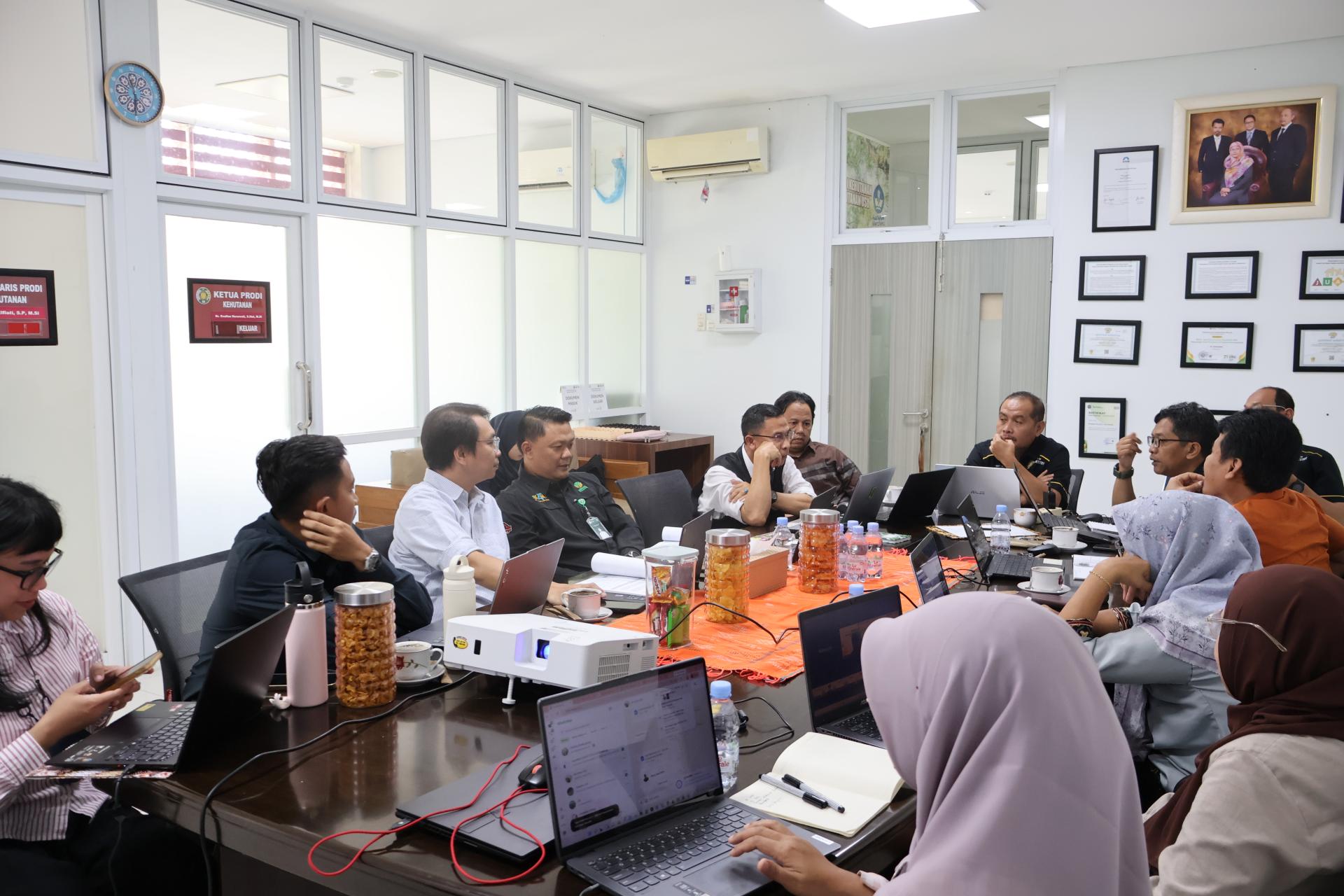
To ensure that the action plan accurately reflects conditions on the ground, the team will conduct data clarification and validation based on the Terms of Reference (TOR), spatial mapping, field verification, institutional and stakeholder mapping, and identification of potential financing options. Consultations with local communities and stakeholders will also form an important part of the process before the preparation of zoning maps, action plans, and draft regulations.
The collaboration between the Faculty of Forestry USU and the Ministry of Forestry demonstrates that conservation efforts require a comprehensive approach that brings together ecological, social, economic, institutional, and local knowledge perspectives. Through data-based planning that also takes community needs into account, conservation is expected not only to protect ecosystems but also to generate sustainable benefits for surrounding communities.
This initiative aligns with the Sustainable Development Goals (SDGs), particularly SDG 15: Life on Land, through efforts to strengthen the conservation, restoration, and sustainable management of terrestrial ecosystems. Collaboration among higher education institutions, government, communities, and other stakeholders also supports SDG 17: Partnerships for the Goals by promoting inclusive and sustainable environmental governance.