


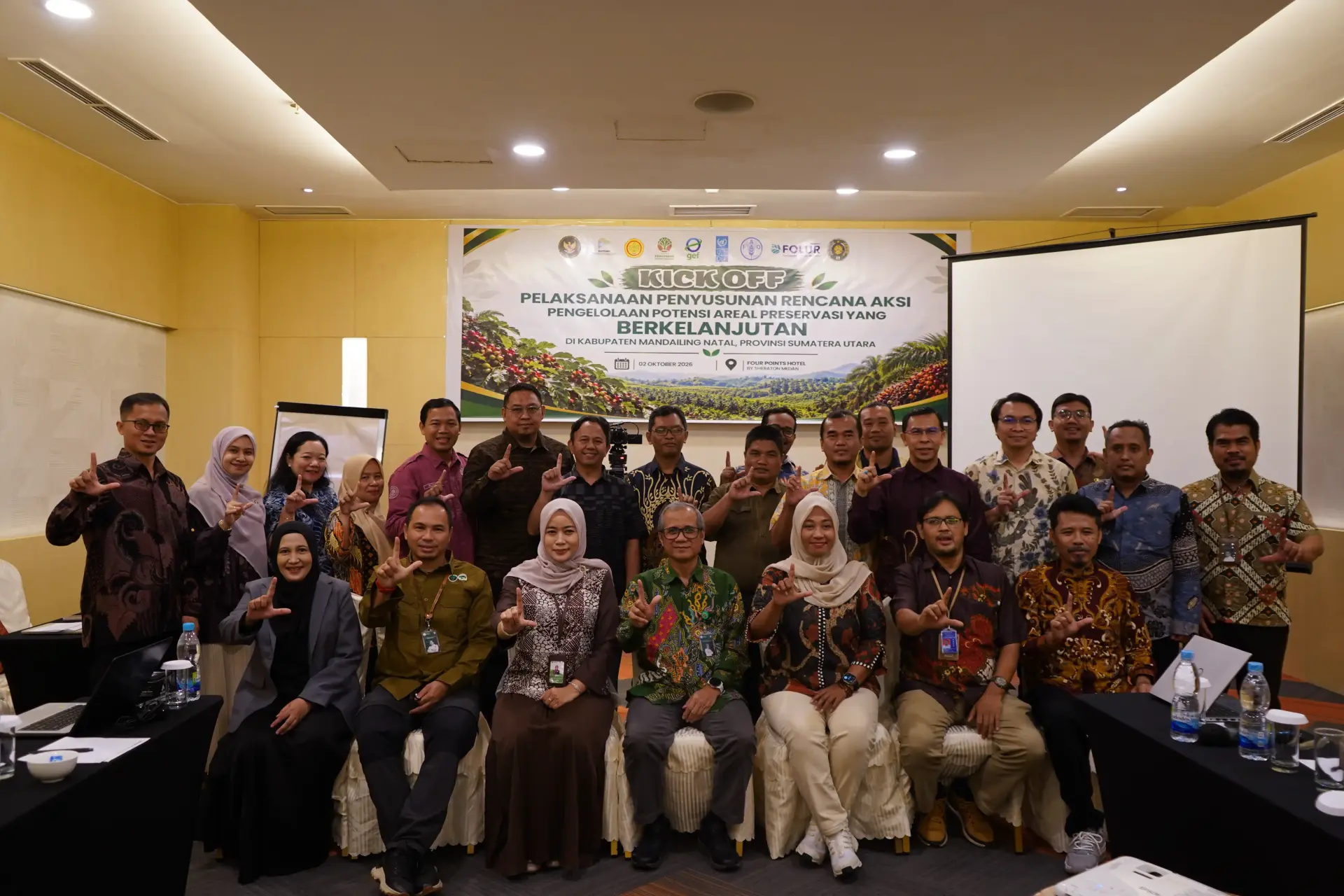
Efforts to strengthen sustainable landscape management in Mandailing Natal Regency, North Sumatra, began with the Kick-Off Meeting of the FOLUR (Food Systems, Land Use, and Restoration) Project on Friday, October 2, 2026. The activity, held in a hybrid format at Four Points Hotel Medan and via Zoom, was organized by the Directorate of Ecosystem Restoration and Preservation Area Development, Ministry of Forestry, in collaboration with the Faculty of Forestry, Universitas Sumatera Utara (USU), and various relevant stakeholders.
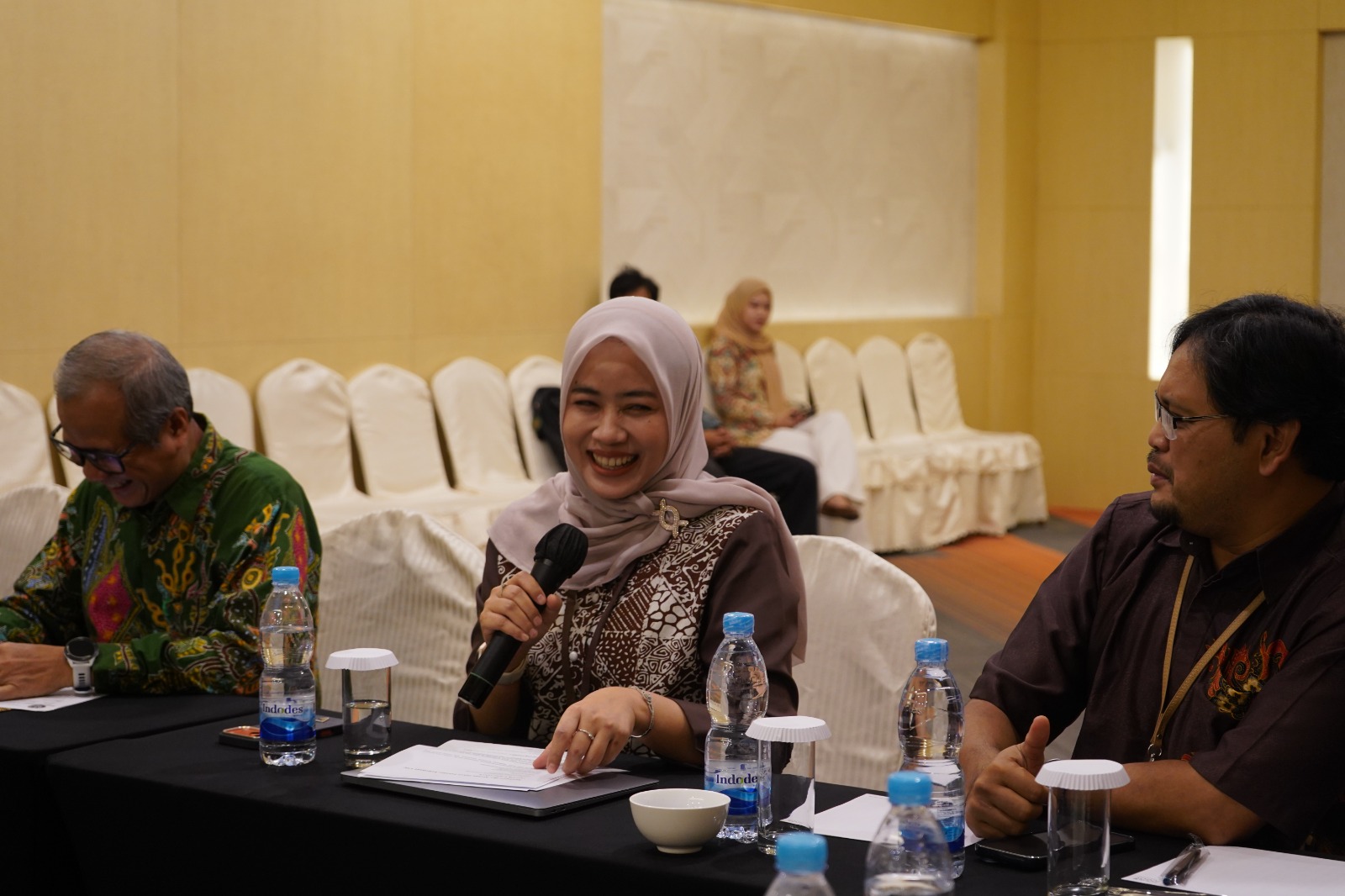
The meeting served as an initial step toward strengthening the Action Plan for the Sustainable Management of Potential Preservation Areas in Mandailing Natal Regency. The preparation process includes data collection and verification, policy harmonization, area mapping, and gathering input from various stakeholders to ensure that the resulting plan is aligned with conditions and needs in the field.
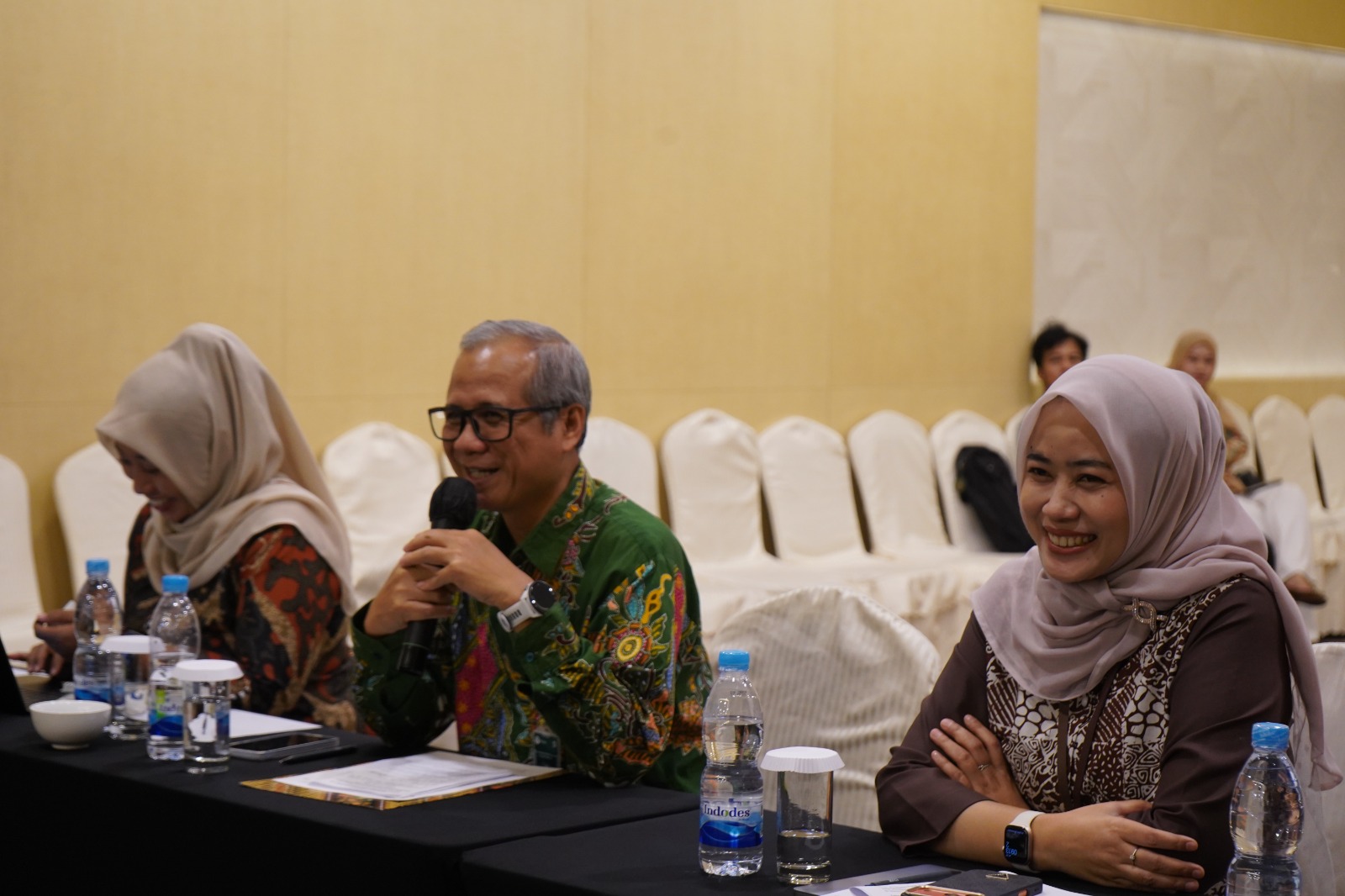
The activity began with opening remarks by the Dean of the Faculty of Forestry USU, Prof. Dr. Arida Susilowati, S.Hut., M.Si., followed by an interactive discussion with the FOLUR team and stakeholders. Also present was Dr. Nandang Prihadi, S.Hut., M.Sc., Secretary of the Directorate General of Conservation of Natural Resources and Ecosystems (KSDAE), Ministry of Forestry.
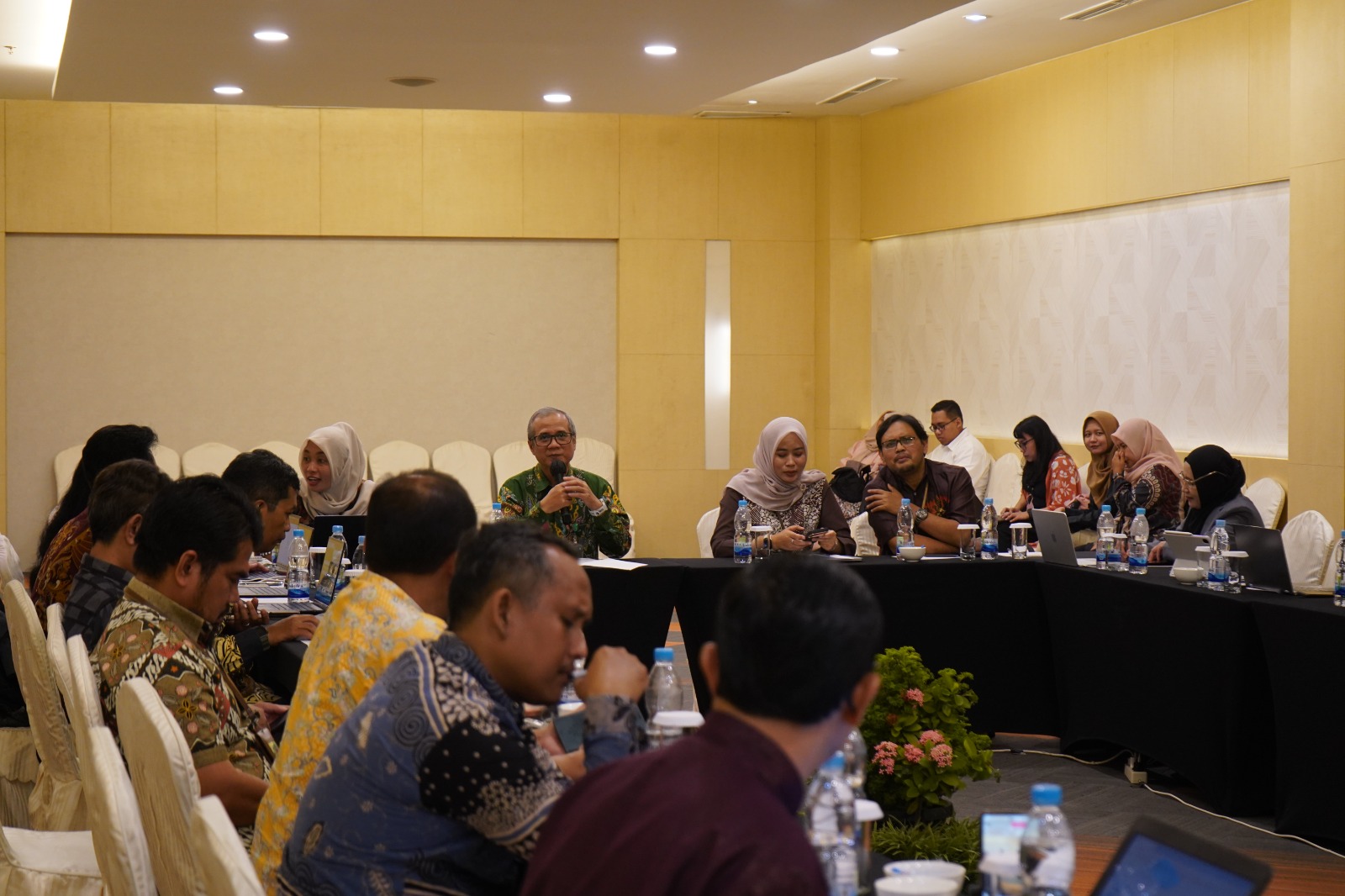
From the Faculty of Forestry USU, the FOLUR team included Dr. Samsuri, Dr. Bejo Slamet, and Dr. Oding Affandi. Together with the various parties present, the discussion addressed several strategic aspects to support the development of the project's implementation plan, particularly regarding spatial conditions, social approaches, zoning, and management strategies at the site level.
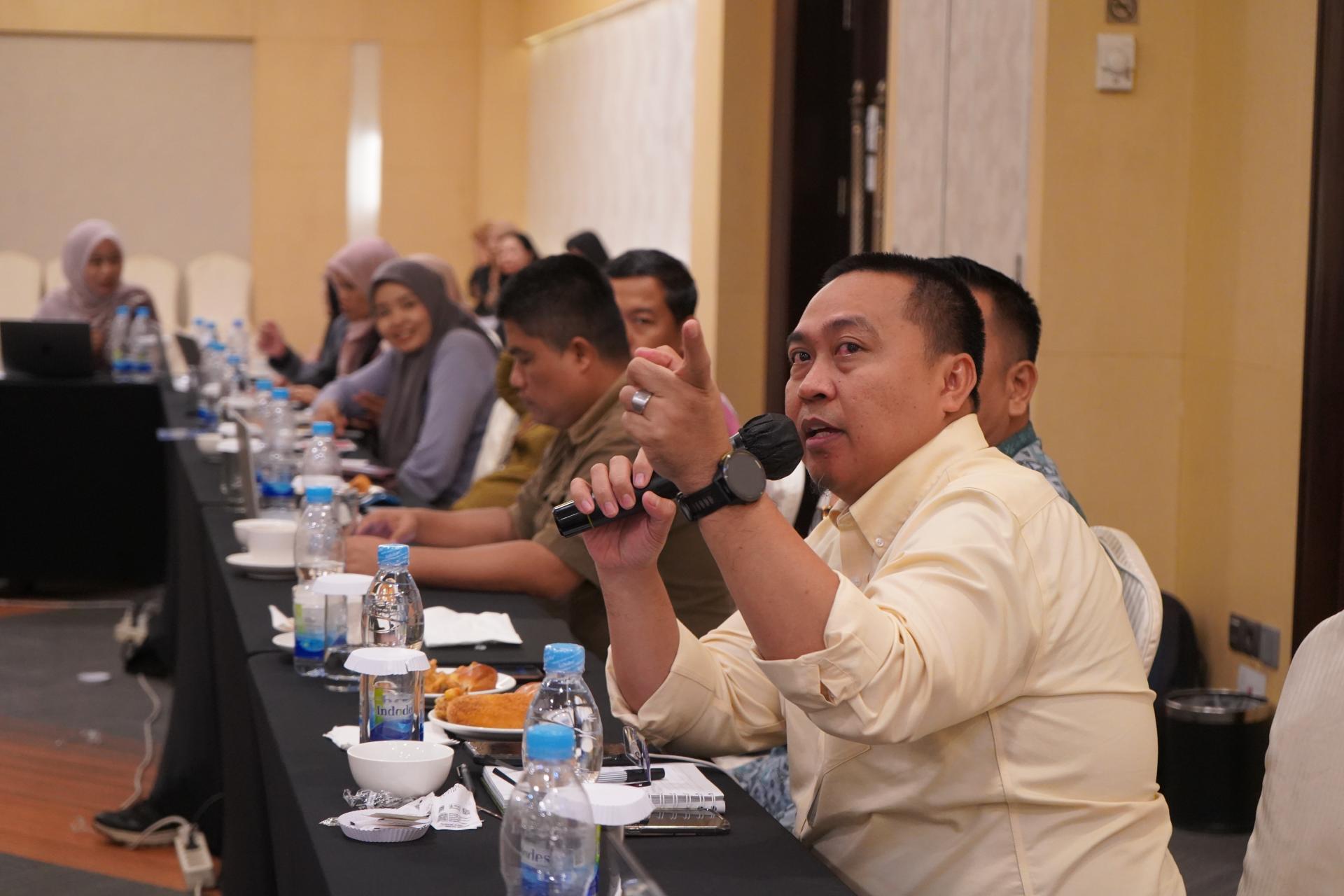
One of the important inputs was the need to prepare a model or tentative/indicative map as an initial guide to facilitate implementation of activities in the field. The map is expected to provide a spatial overview of the target areas while helping the team determine activity steps and priorities.
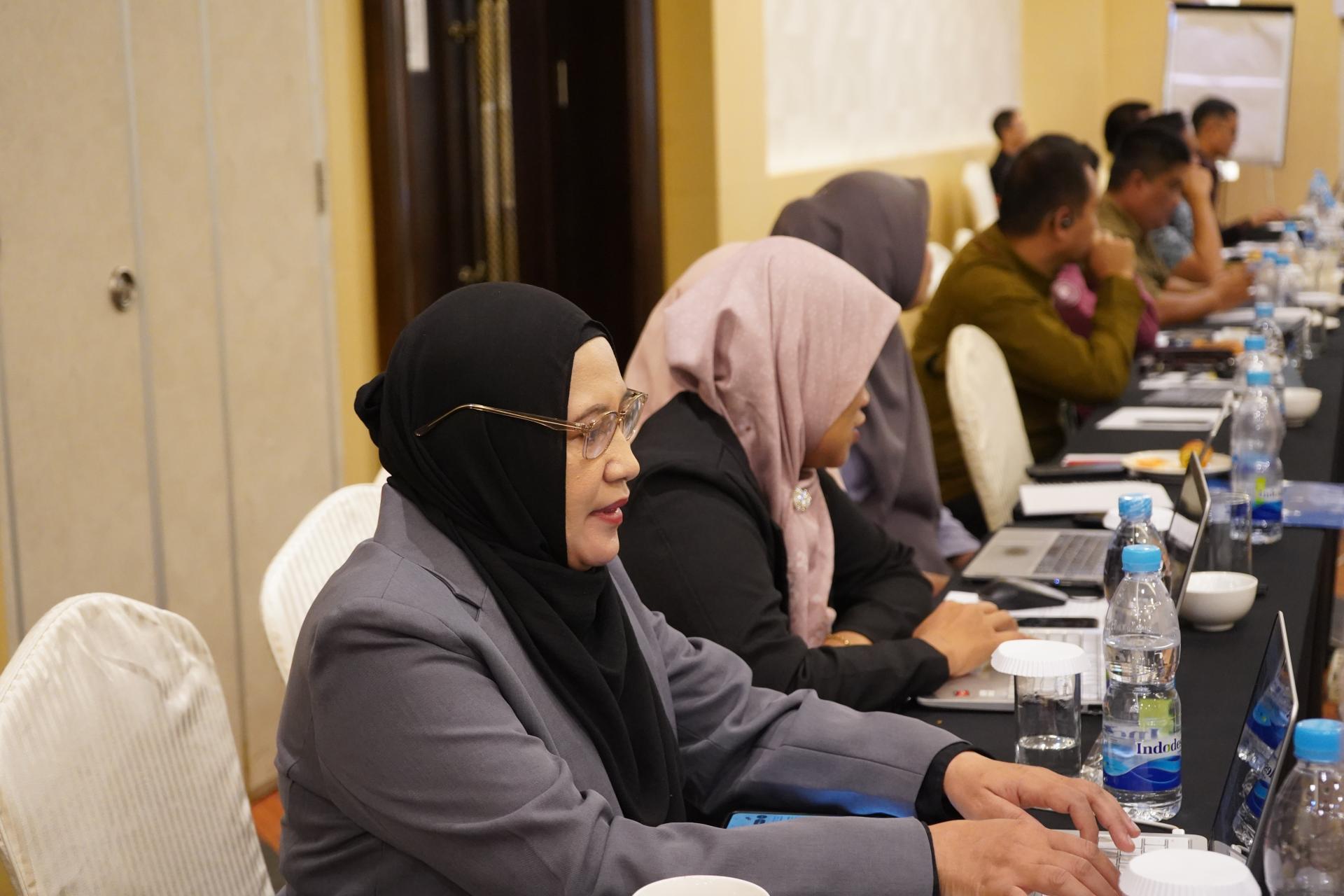
Social aspects were also a major focus. A grassroots approach was considered necessary as an initial step by prioritizing communication and interaction with communities at the village and subdistrict levels. To support this approach, discussions and consultations with communities in all participating villages are planned to obtain information, experiences, and input relevant to local conditions.
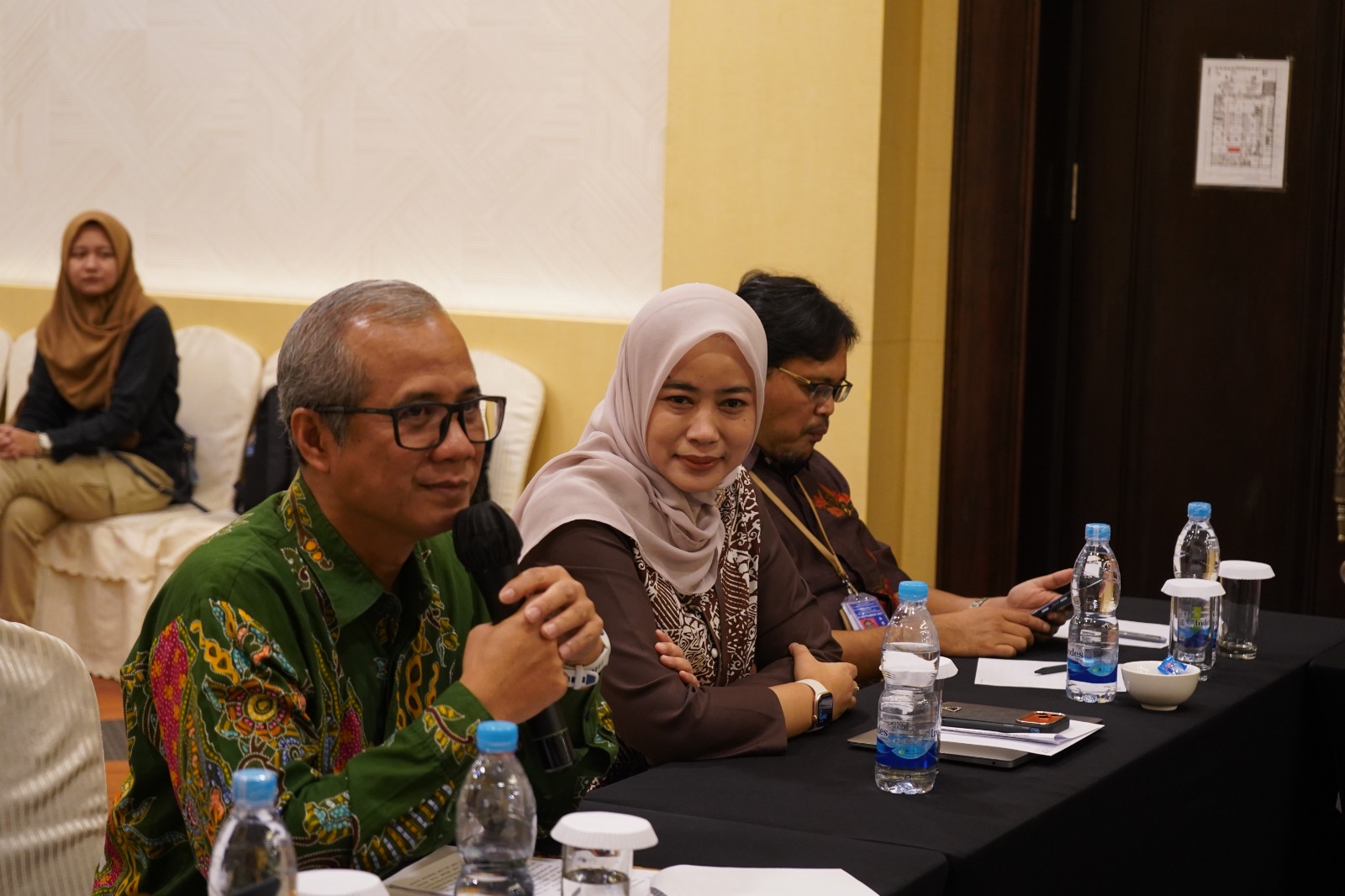
In addition to mapping and social approaches, the forum also discussed the preparation of a zoning matrix by overlaying preservation areas with commodities such as coffee and palm oil. The resulting mapping can serve as a basis for formulating mitigation and collaboration strategies, including opportunities to implement Social Forestry schemes with relevant parties such as BPSKL.
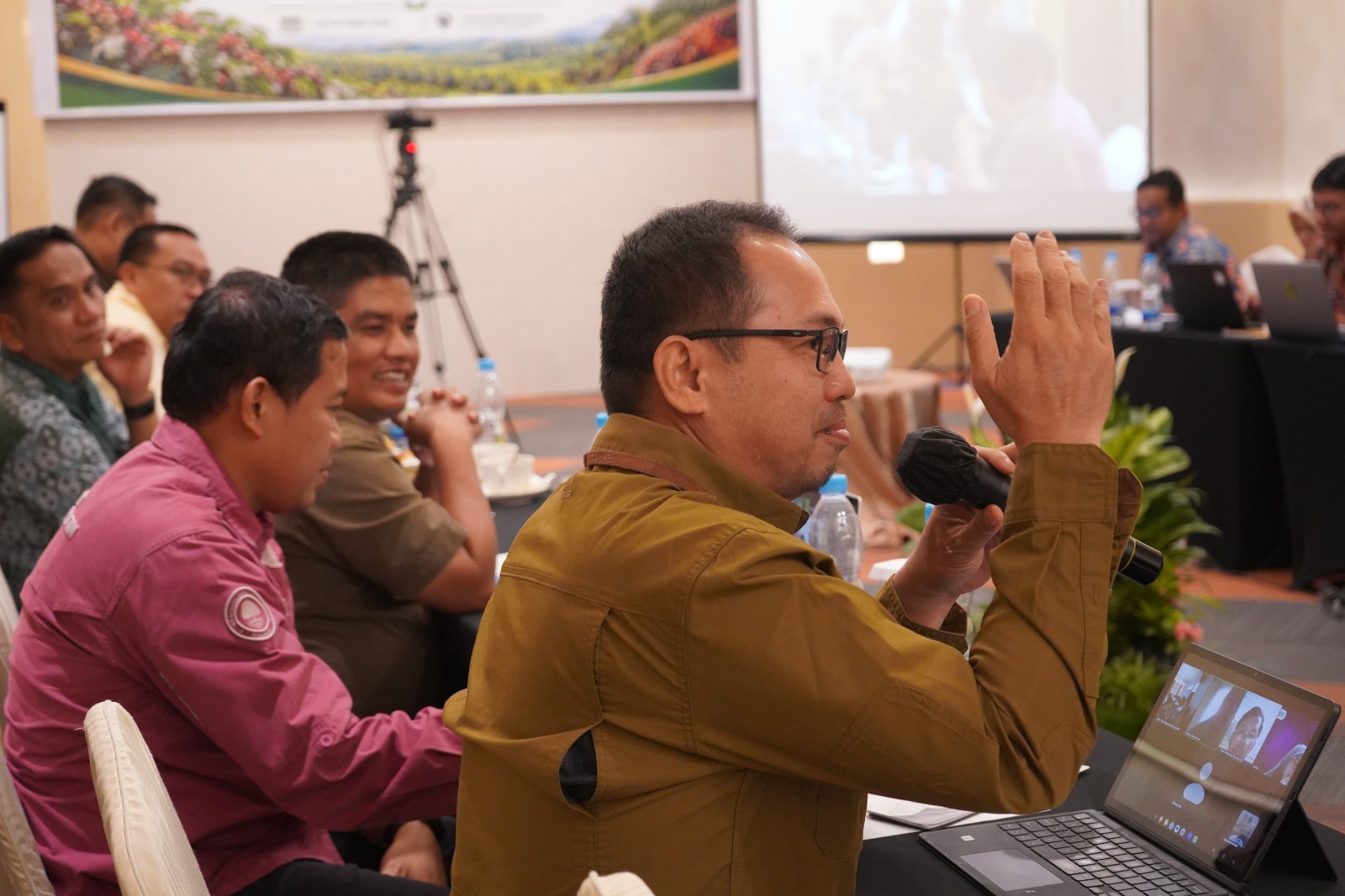
The various inputs gathered during the meeting are an important part of preparing an action plan that is data-based, considers field conditions, and involves communities. Collaboration among the government, academics, communities, and other stakeholders is expected to bring together the interests of conservation, land management, food systems, and sustainable livelihoods.
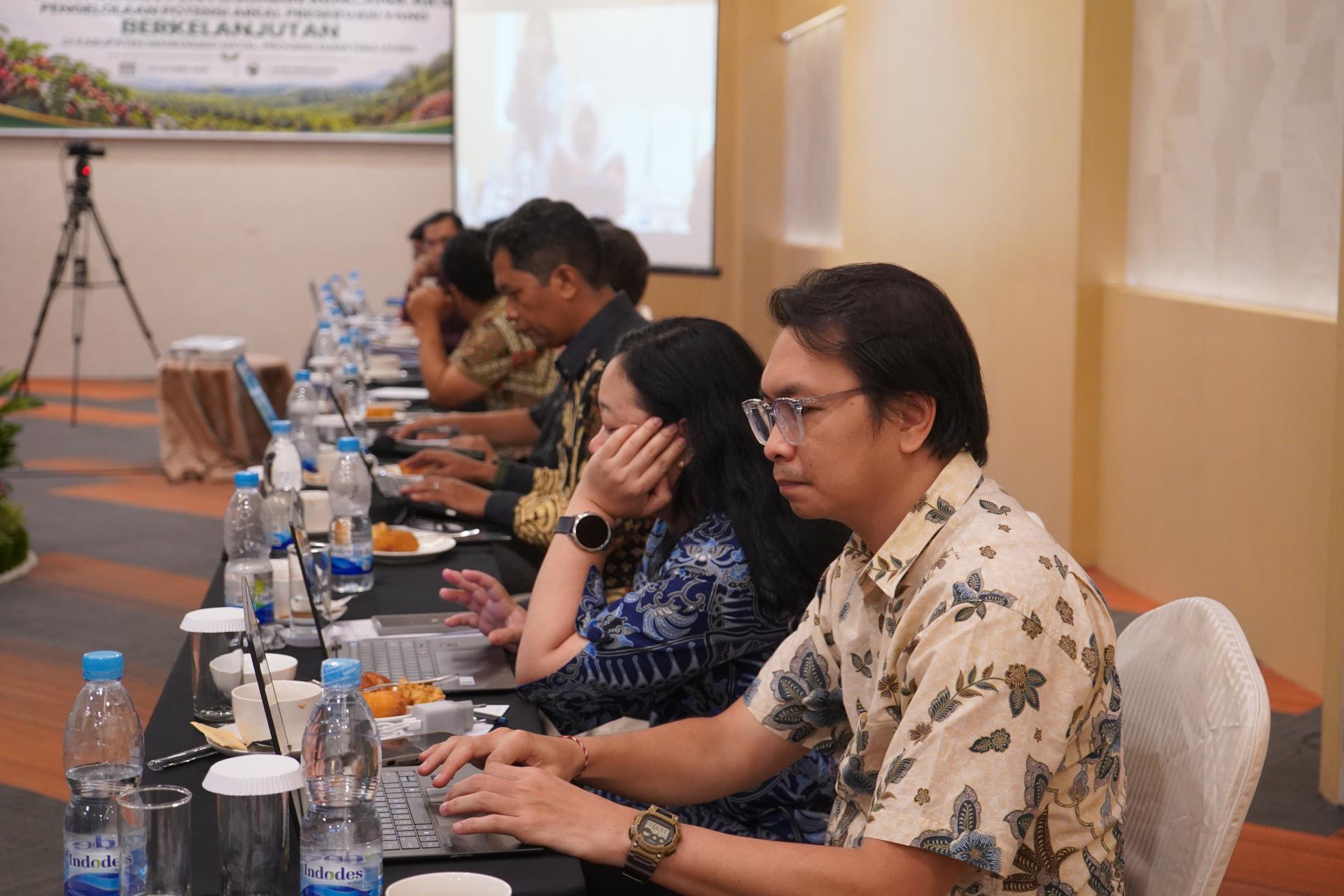
For the Faculty of Forestry USU, involvement in the FOLUR Project is part of the university's contribution to providing a science-based approach to supporting participatory and sustainable natural resource management. Cross-sectoral synergy is expected not only to produce a planning document but also to serve as a foundation for applicable management actions at the site level.
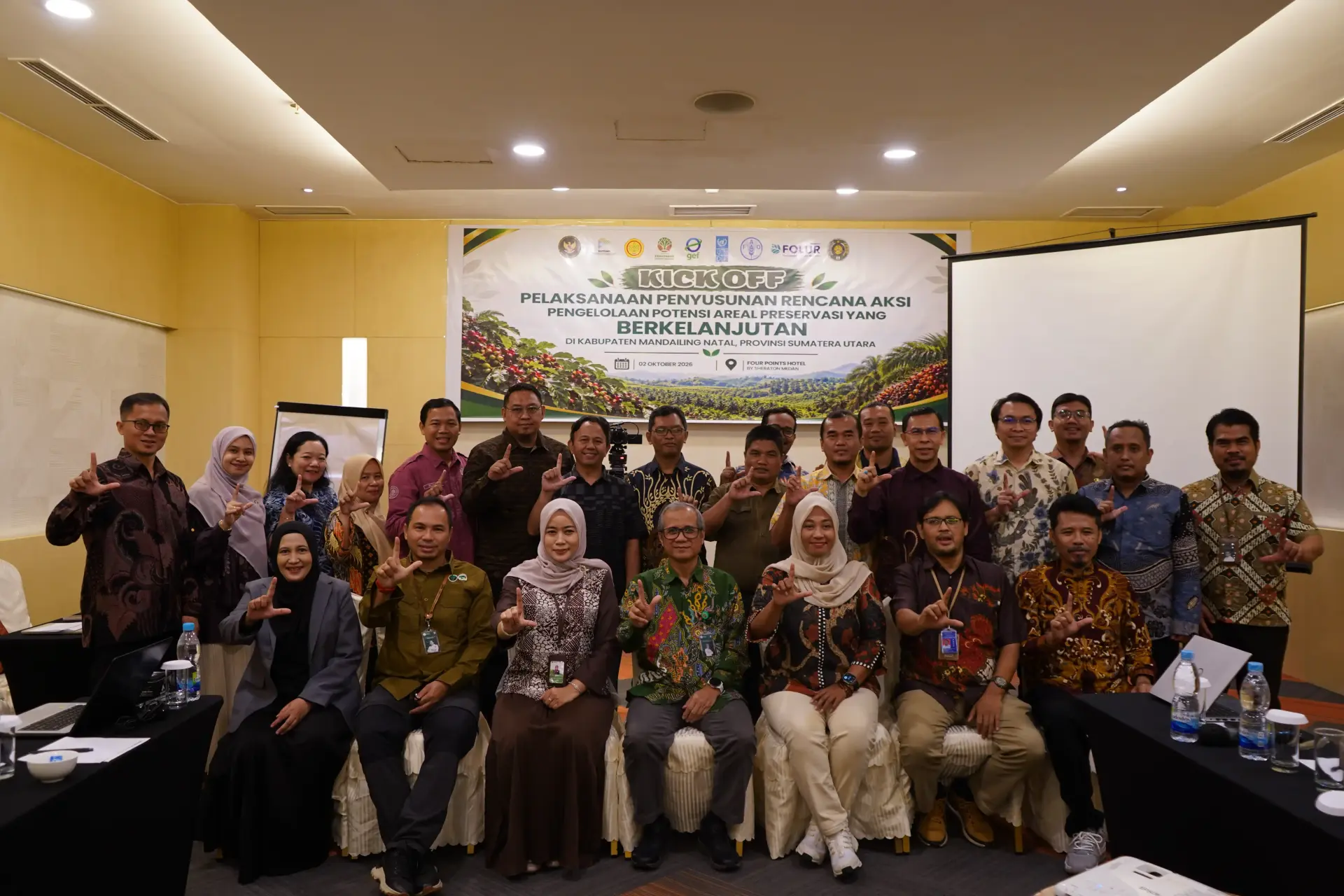
The implementation of the FOLUR Project is in line with the Sustainable Development Goals (SDGs), particularly SDG 15: Life on Land through strengthening terrestrial ecosystem management and biodiversity protection. The integration of sustainable food systems and commodities also supports SDG 2: Zero Hunger, while collaboration among the government, higher education institutions, communities, and stakeholders strengthens SDG 17: Partnerships for the Goals. Through this synergy, FOLUR is expected to promote landscape management that balances environmental sustainability, land productivity, and community welfare.