


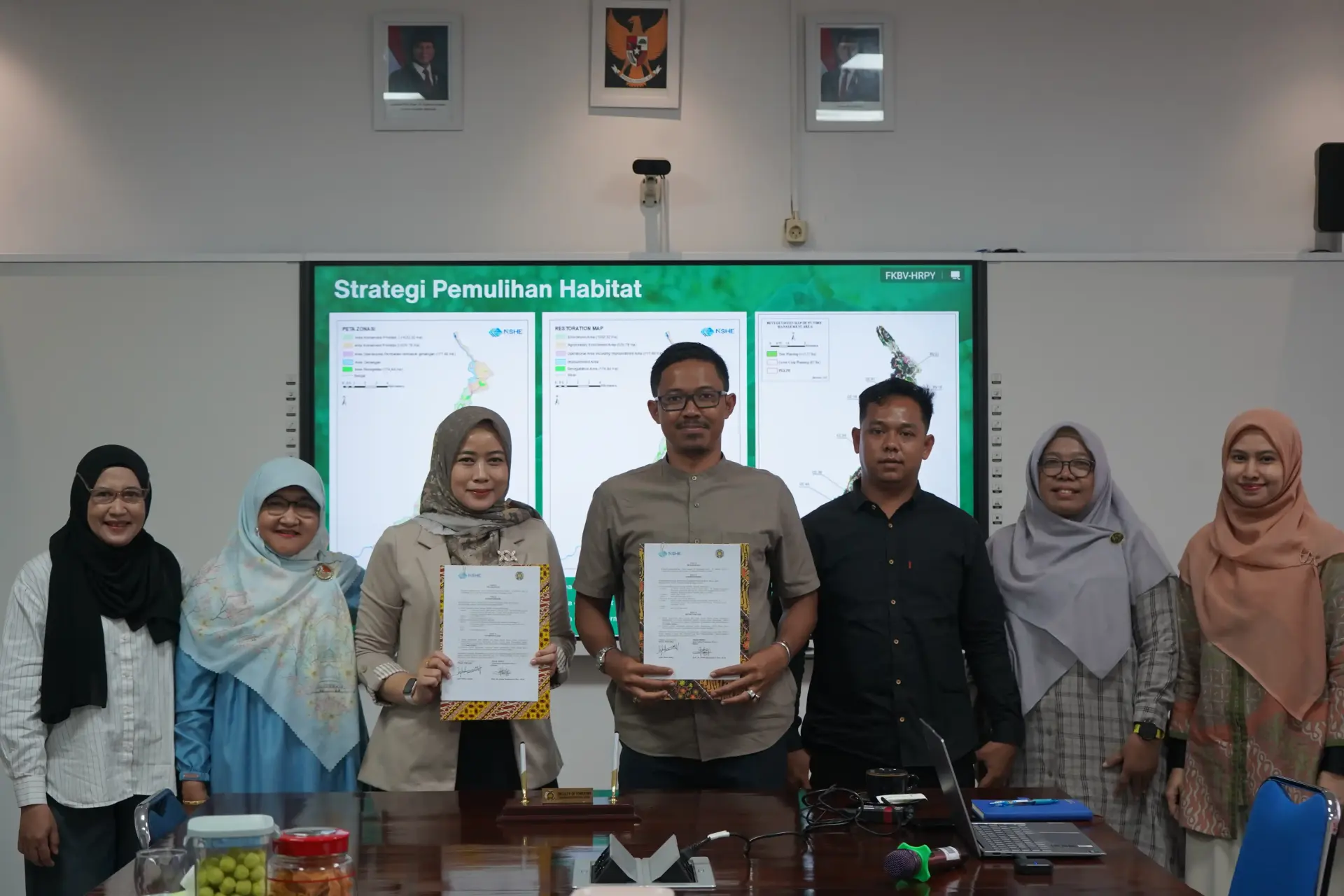
The Faculty of Forestry, Universitas Sumatera Utara (USU), received a visit from NSHE to discuss plans for the development of an Educational Forest in the Batang Toru area on Wednesday, September 30, 2026. The meeting, held in the Meeting Room of the Faculty of Forestry USU, served as a discussion forum to introduce the potential of the area while opening opportunities for the development of field-based forestry learning.
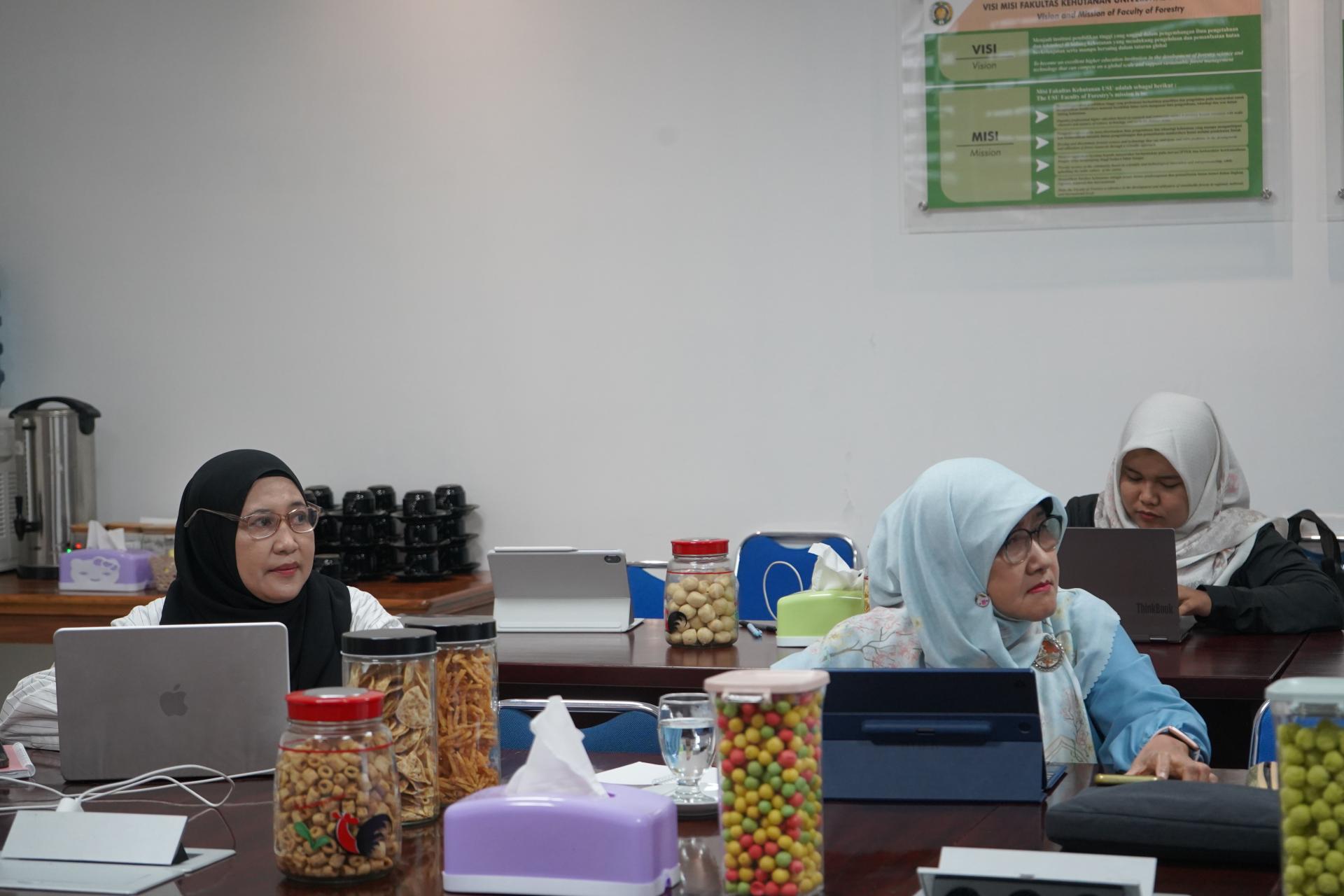
The meeting began with opening remarks by Dr. Anita Zaitunah, S.Hut., M.Sc., who delivered remarks and opened the introduction session between NSHE and the Faculty of Forestry USU leadership. The meeting was also attended by Dean of the Faculty of Forestry USU Prof. Dr. Arida Susilowati, S.Hut., M.Si., Dr. Anita Zaitunah, and other representatives of the Faculty of Forestry USU.
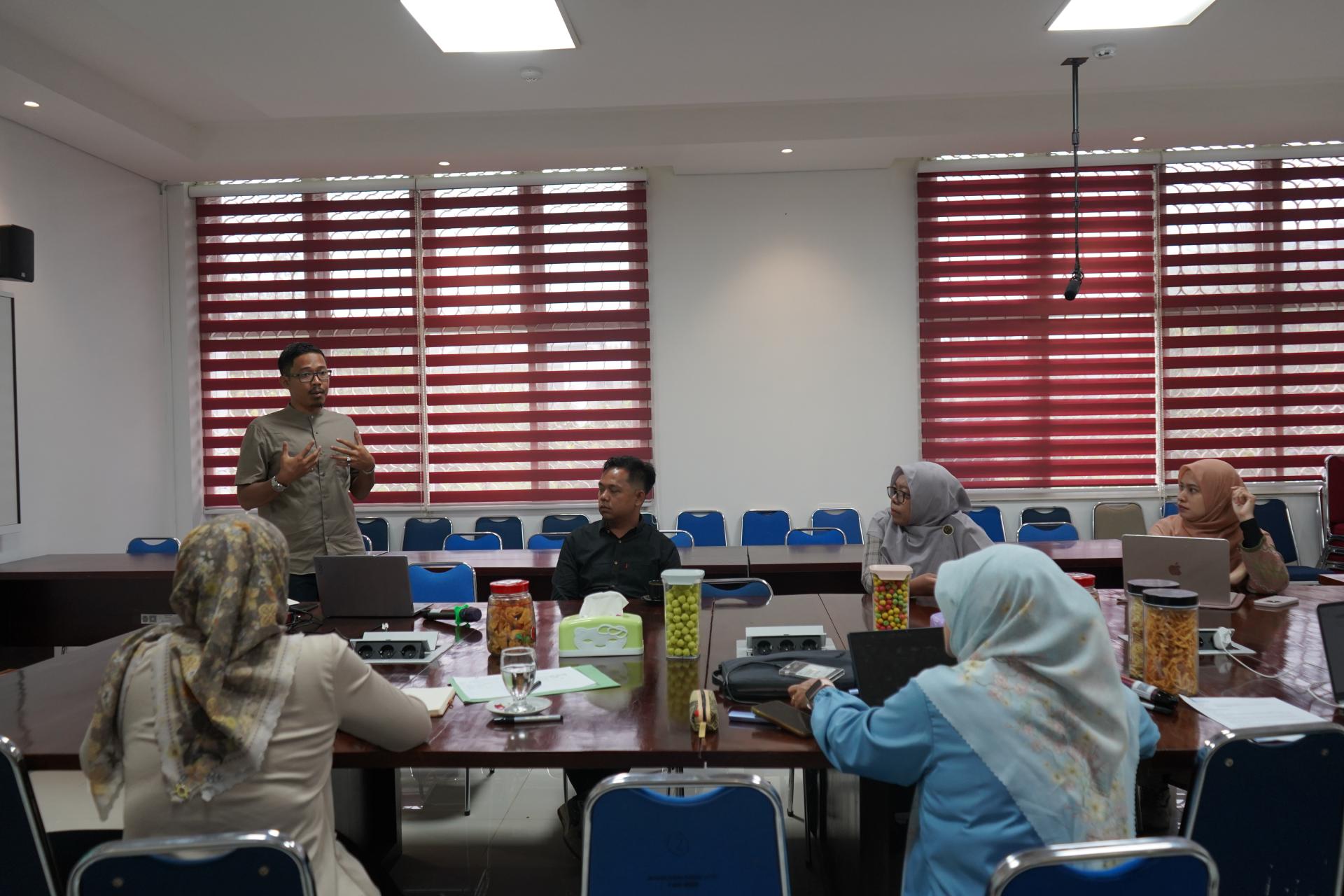
In his presentation, NSHE representative Iqbal explained the land cover conditions in the Batang Toru area and the biodiversity found within it. The area is a habitat for various species of wildlife and plants, including orangutans and various bird species that have important value for the forest ecosystem.
In the planned development of the Educational Forest, the area being prepared has several features considered to have potential as learning spaces. One of them is the presence of pristine primary forest, which can provide direct learning experiences regarding forest ecosystems and biodiversity.
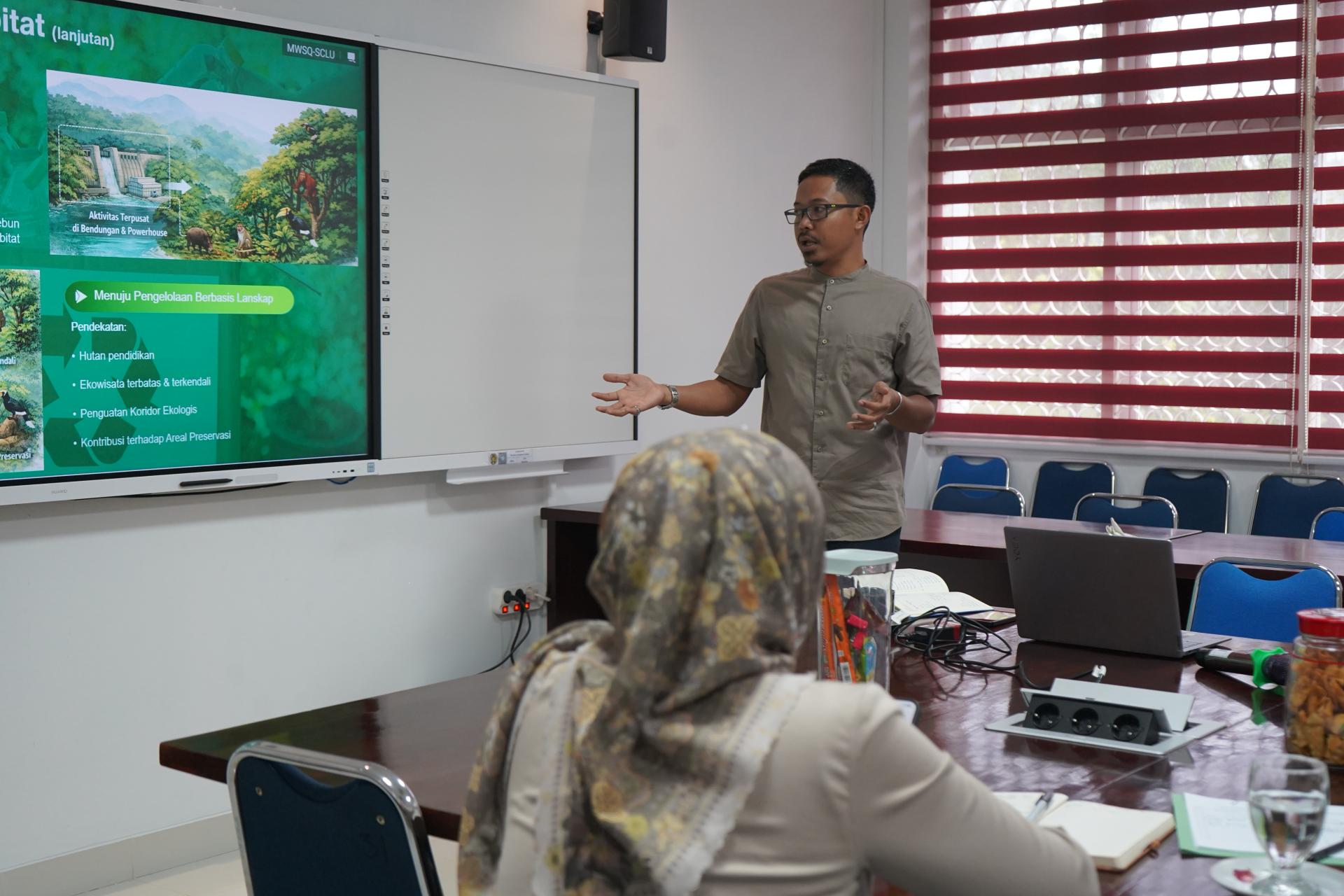
In addition to primary forest, the area also has a wildlife corridor bridge and community gardens. The presence of these various elements is considered capable of serving as learning facilities that bring together aspects of conservation, ecology, forest management, and interactions between communities and forest areas.
The development of the area is also directed toward building a more harmonious relationship between conservation functions and community activities. One of the plans discussed was the implementation of a buffer zone and agroforestry system in areas prone to conflict. This approach is expected to form part of an area management strategy that not only considers ecosystem sustainability but also takes into account the presence and needs of communities surrounding the area. Through agroforestry, communities can gain space to develop productive activities while continuing to consider the ecological functions of the area.
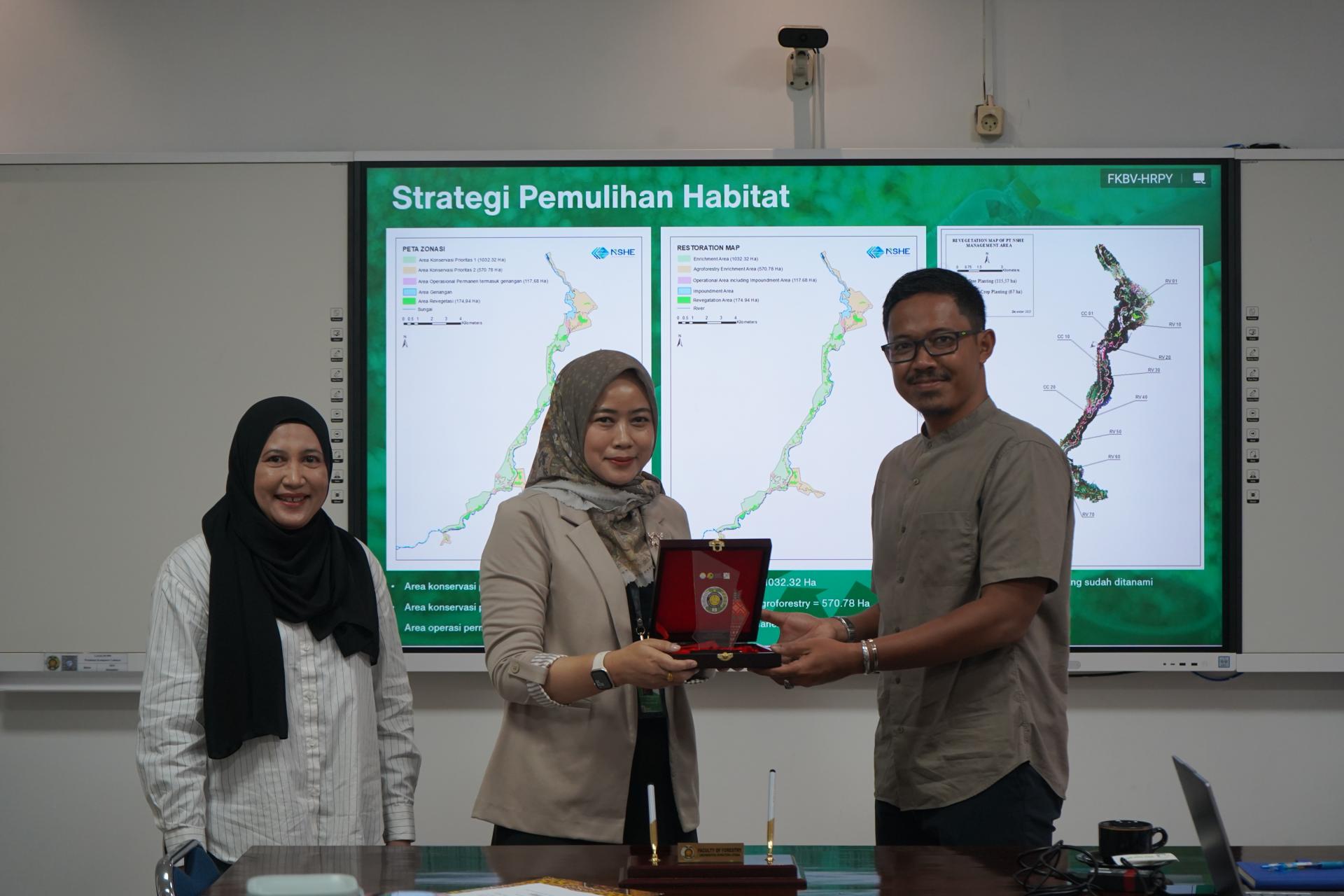
For the Faculty of Forestry USU, the presentation provided important information in identifying opportunities to develop more contextual forestry learning. The Educational Forest can not only serve as a space to directly learn about ecosystems but also as a natural laboratory for studying biodiversity, wildlife conservation, forest rehabilitation, agroforestry, and the relationship between communities and the environment.
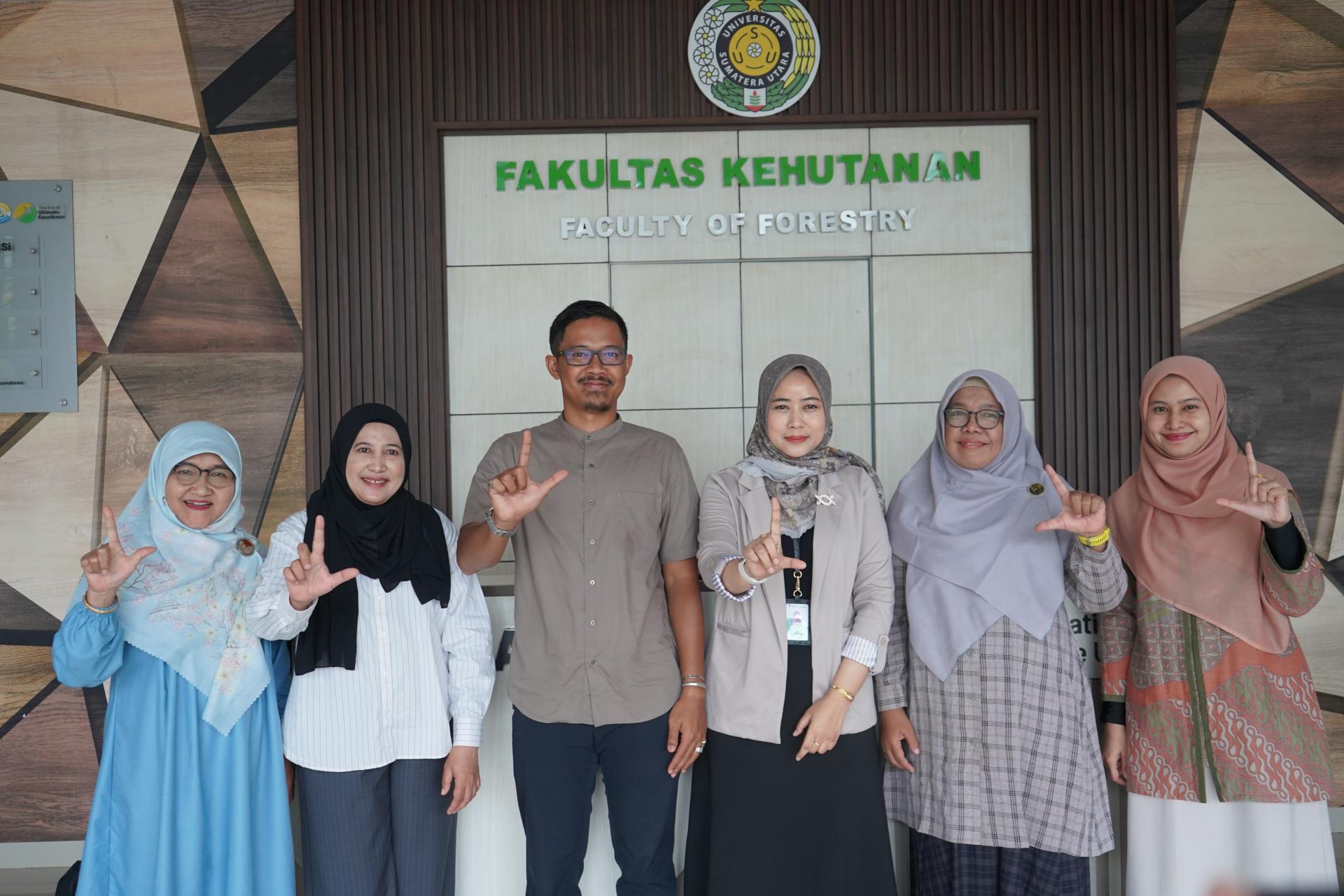
The meeting between NSHE and the Faculty of Forestry USU is expected to serve as an initial step toward strengthening communication and opening opportunities for collaboration in education, research, conservation, and forestry human resource development. By utilizing the potential of the Batang Toru area as a learning space, academic experiences can be directed not only toward understanding theory but also toward developing awareness and the ability to address real forestry issues.
The planned development of the Educational Forest in Batang Toru is in line with the Sustainable Development Goals (SDGs), particularly SDG 4: Quality Education through strengthening experiential and environment-based learning. Biodiversity conservation, area rehabilitation, and wildlife habitat protection also support SDG 15: Life on Land, while the implementation of agroforestry and strengthening relationships with communities reflect the spirit of SDG 17: Partnerships for the Goals through multi-stakeholder collaboration in supporting sustainable environmental management.