


.webp)
The Faculty of Forestry, Universitas Sumatera Utara (USU), continues to expand its strategic partnership network with various government agencies to support natural resource management and environmental conservation. This commitment was realized through a coordination meeting and exploration of cooperation development with the Wampu Sei Ular Watershed Management Agency (BPDAS), held on Tuesday (November 17, 2026) at the BPDAS Wampu Sei Ular office in Medan. The meeting, attended in person by the Head of BPDAS Wampu Sei Ular, Sigit Budi Nugroho, S.Si., M.Sc., and staff members, discussed collaboration opportunities in education, research, community service, and environmental rehabilitation.
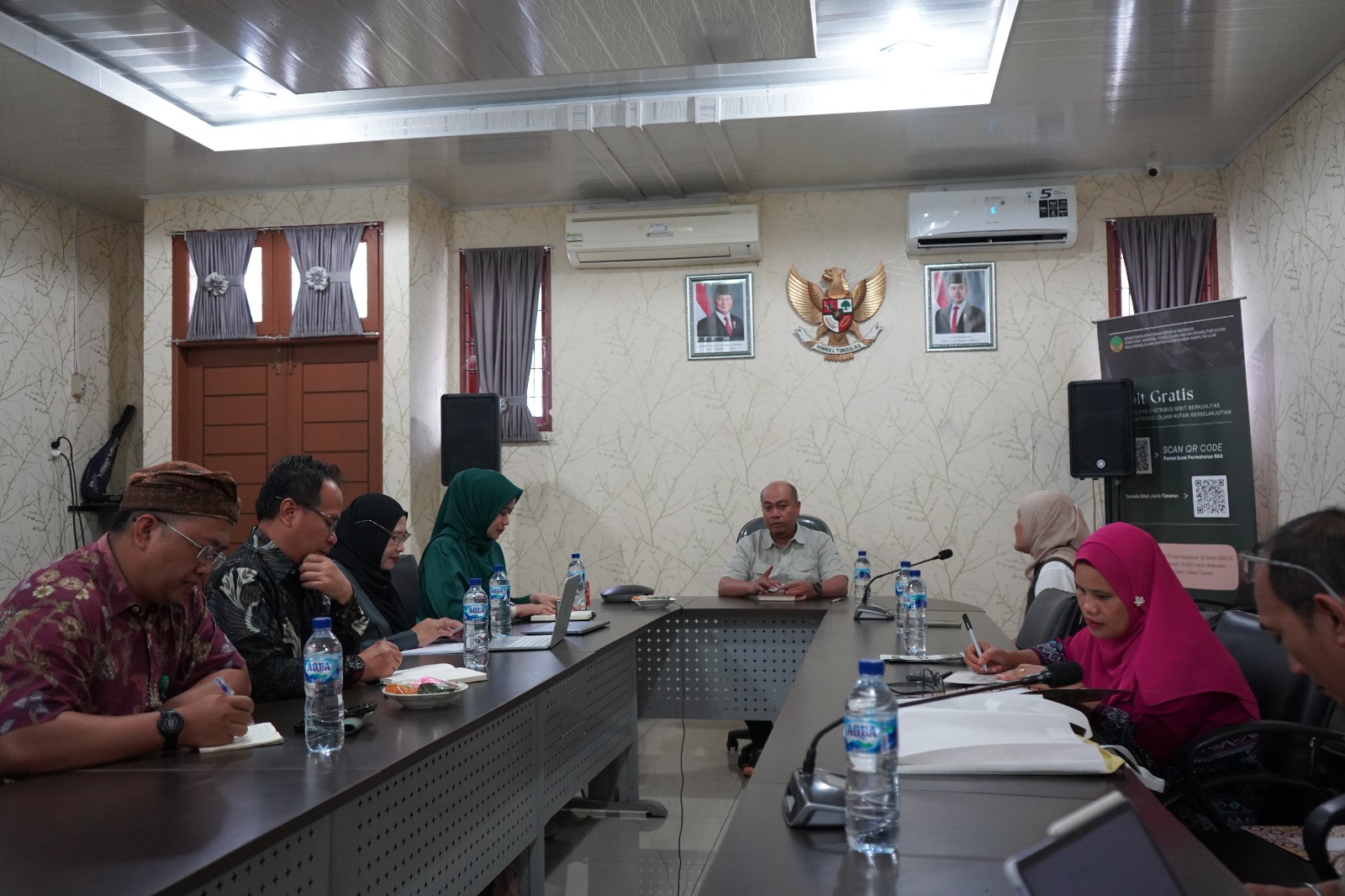
The event began with remarks from the Dean of the Faculty of Forestry USU, Prof. Dr. Arida Susilowati, S.Hut., M.Si. Also in attendance were the Vice Dean for Education, Student Affairs, and Alumni Affairs, Dr. Tito Sucipto; the Vice Dean for Administration, Finance, Human Resources, and Academic Infrastructure, Dr. Luthfi Hakim; and the Vice Dean for Research, Community Service, Cooperation, and Internationalization, Dr. Anita Zaitunah; the Manager for Research, Community Service, Cooperation, and Internationalization, Dr. Ridahati Rambey; along with relevant division staff, Mhd. Teguh, and the Public Relations staff of the Faculty of Forestry USU.
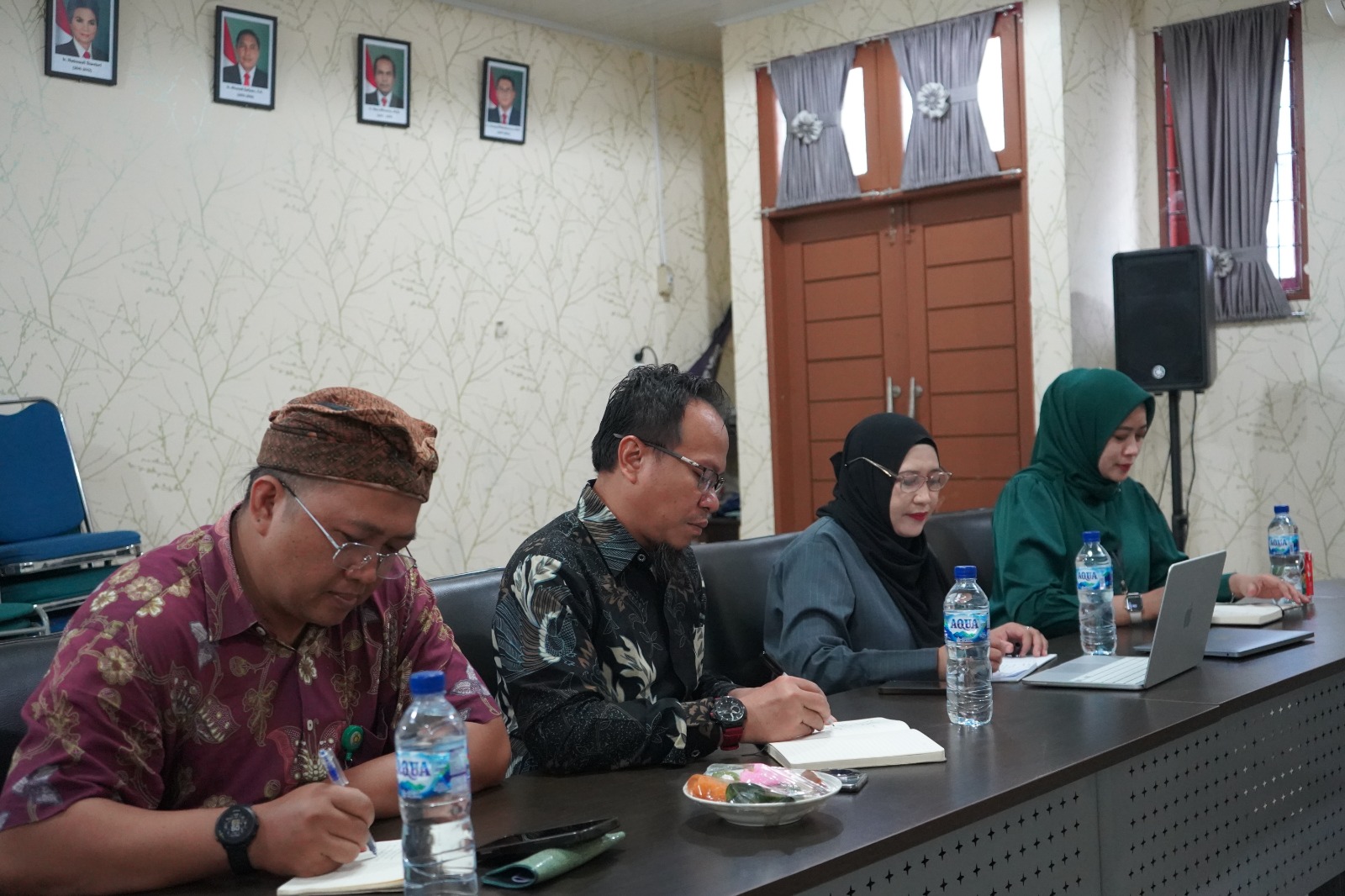
During the discussion, both institutions evaluated existing forms of cooperation while identifying potential areas for developing collaborative programs. One form of synergy already implemented is the involvement of lecturers and students from the Faculty of Forestry USU in various BPDAS Wampu Sei Ular activities, including student internship programs. This involvement provides students with opportunities to gain direct experience in watershed management practices, forest and land rehabilitation, and environmental management challenges in the field.
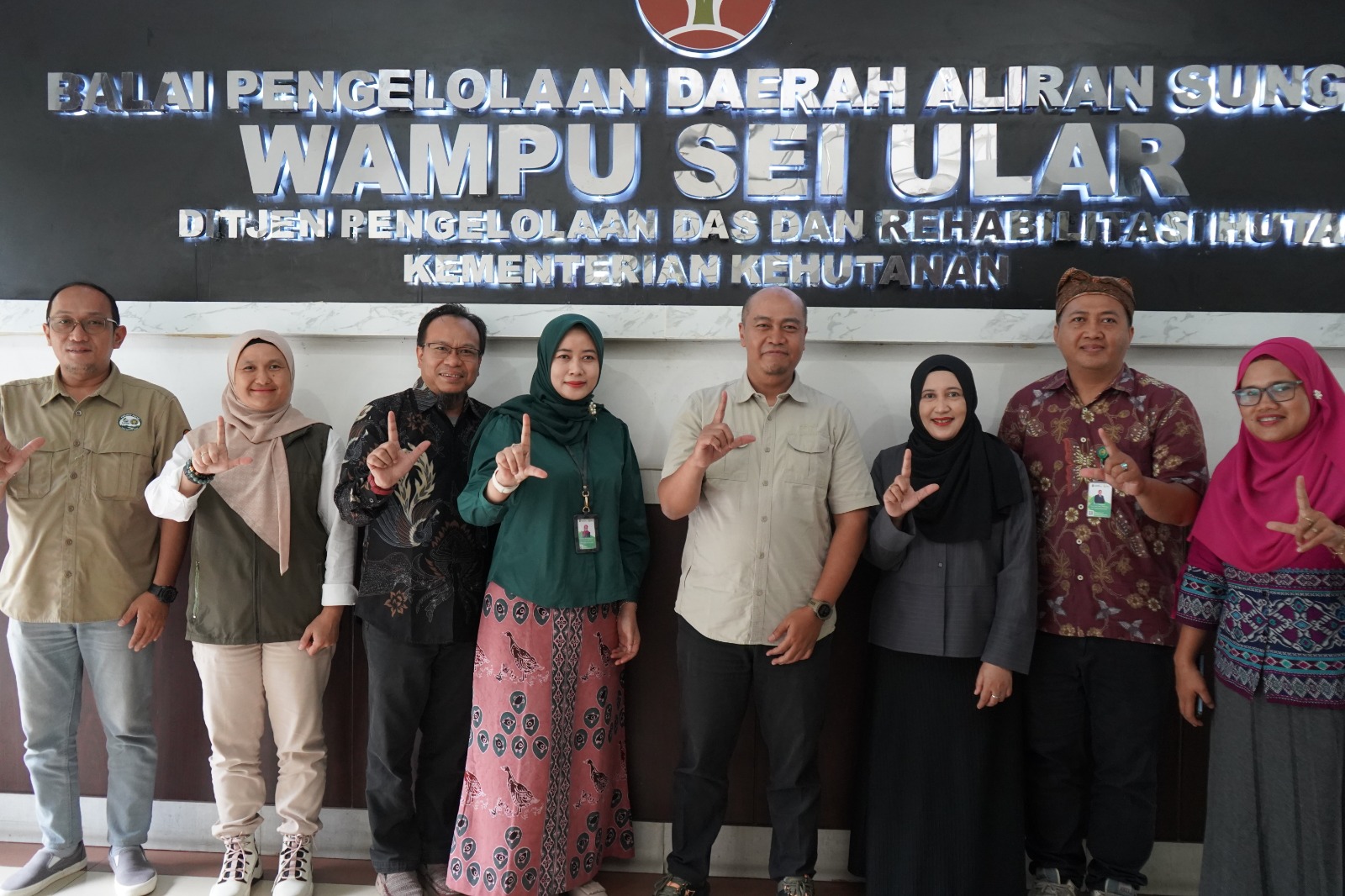
The Dean of the Faculty of Forestry USU, Prof. Dr. Arida Susilowati, hopes that the established partnership can continue to grow through more diverse activities that provide tangible benefits to both institutions and the community. According to her, collaboration between higher education institutions and government agencies plays an important role in connecting academic knowledge with technical needs in the field, thereby generating relevant solutions for natural resource management.
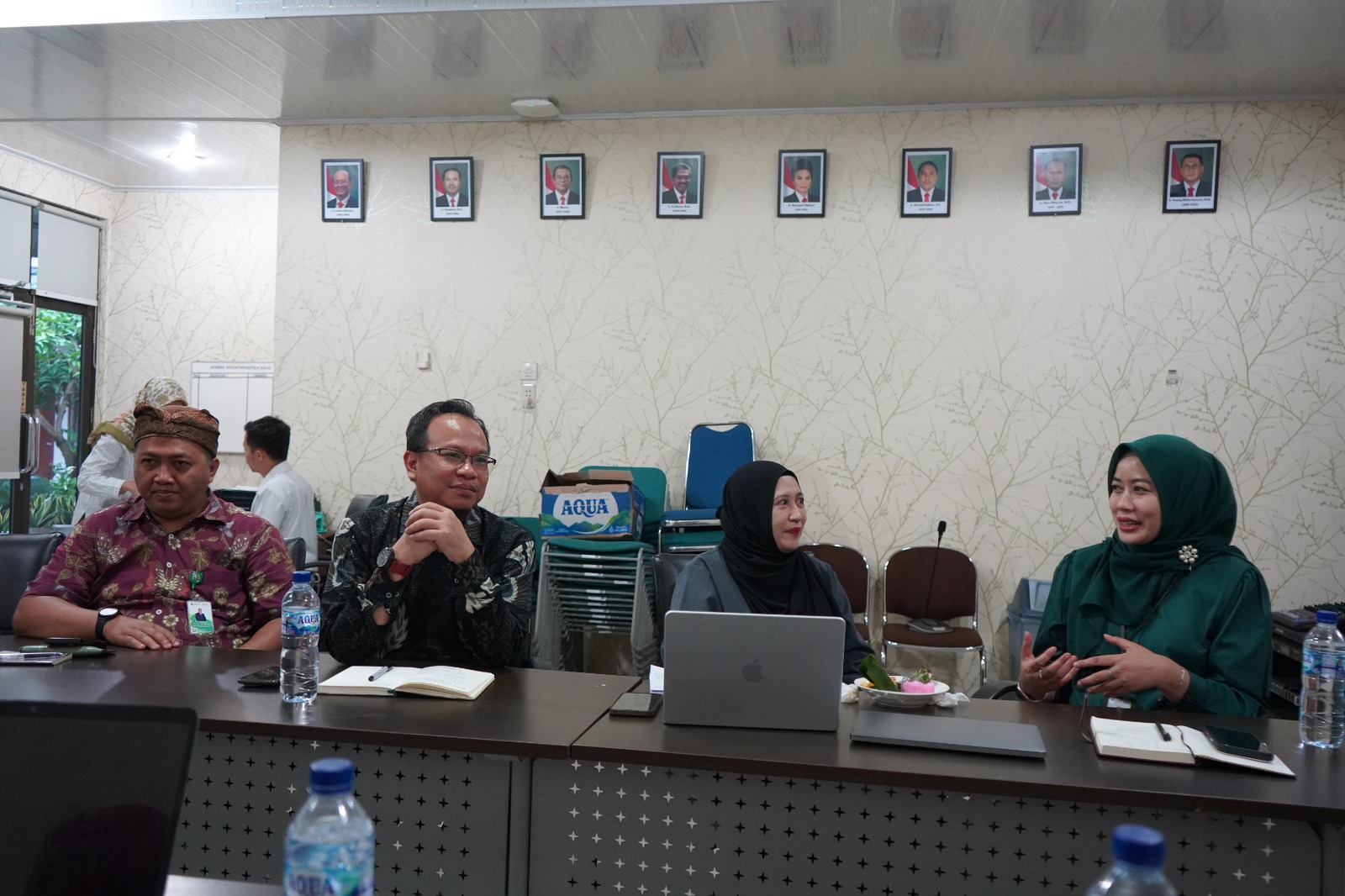
In the areas of education and human resource development, both parties discussed opportunities to enhance capacity through further education for BPDAS Wampu Sei Ular staff at the master's (S2) and doctoral (S3) levels in the future. Strengthening student internship programs was also a shared priority, serving as a means of practice-based learning to improve competencies, professional experience, and graduates' readiness to enter the workforce.
In addition, the technical experience and practical knowledge possessed by BPDAS Wampu Sei Ular have the potential to be integrated into lecture materials. Through the involvement of practitioners, students are expected to gain a more comprehensive understanding of watershed management, forest and land rehabilitation, and various ecosystem restoration approaches.
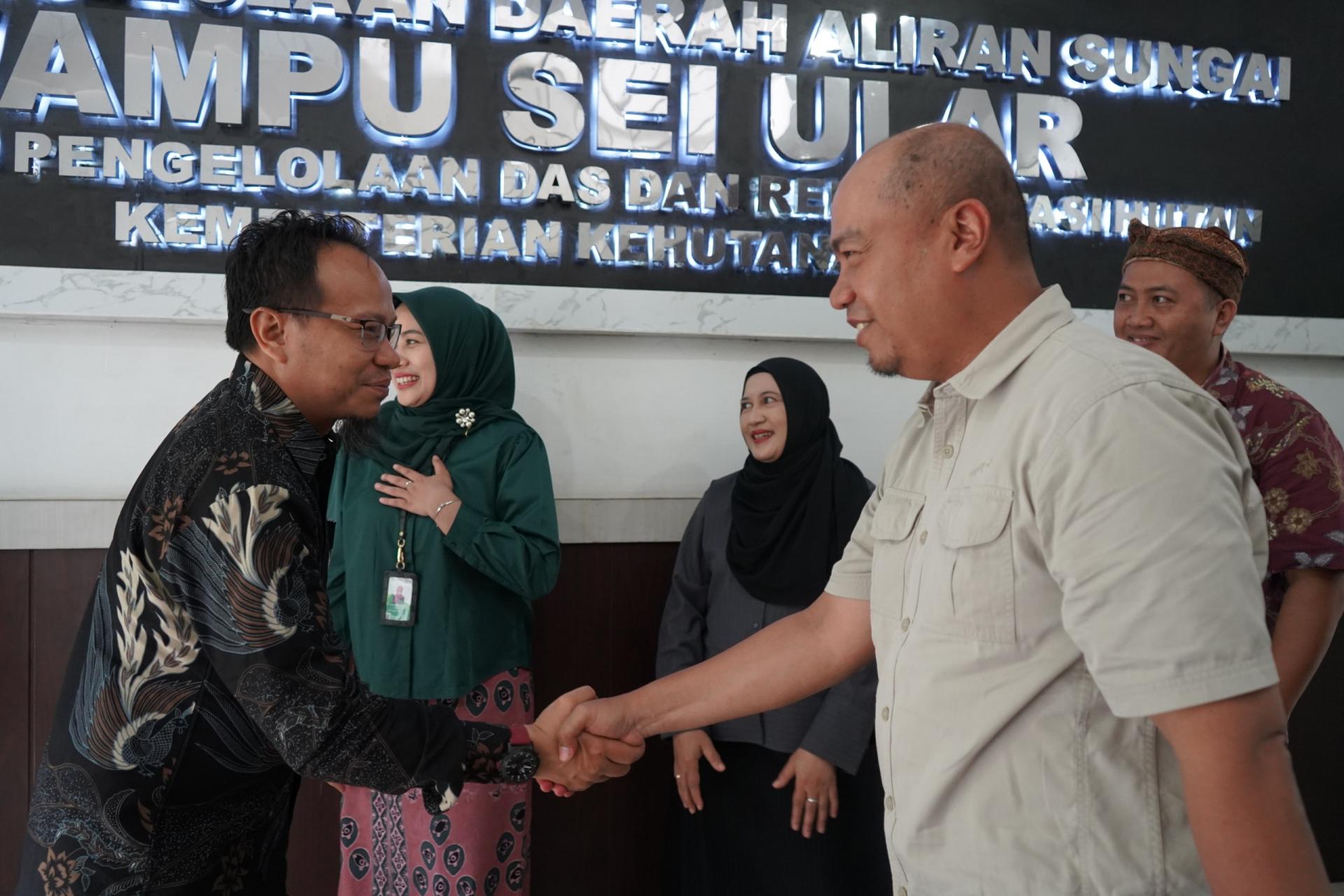
Collaboration opportunities also include the development of supporting infrastructure for environmental management and community service activities. One idea discussed was the development of a Water Harvesting and Supply Installation (IPPA), including water storage facilities to support nursery activities and environmental management. In addition, the construction of nursery facilities and infiltration wells was also considered as an alternative program that could be jointly developed.
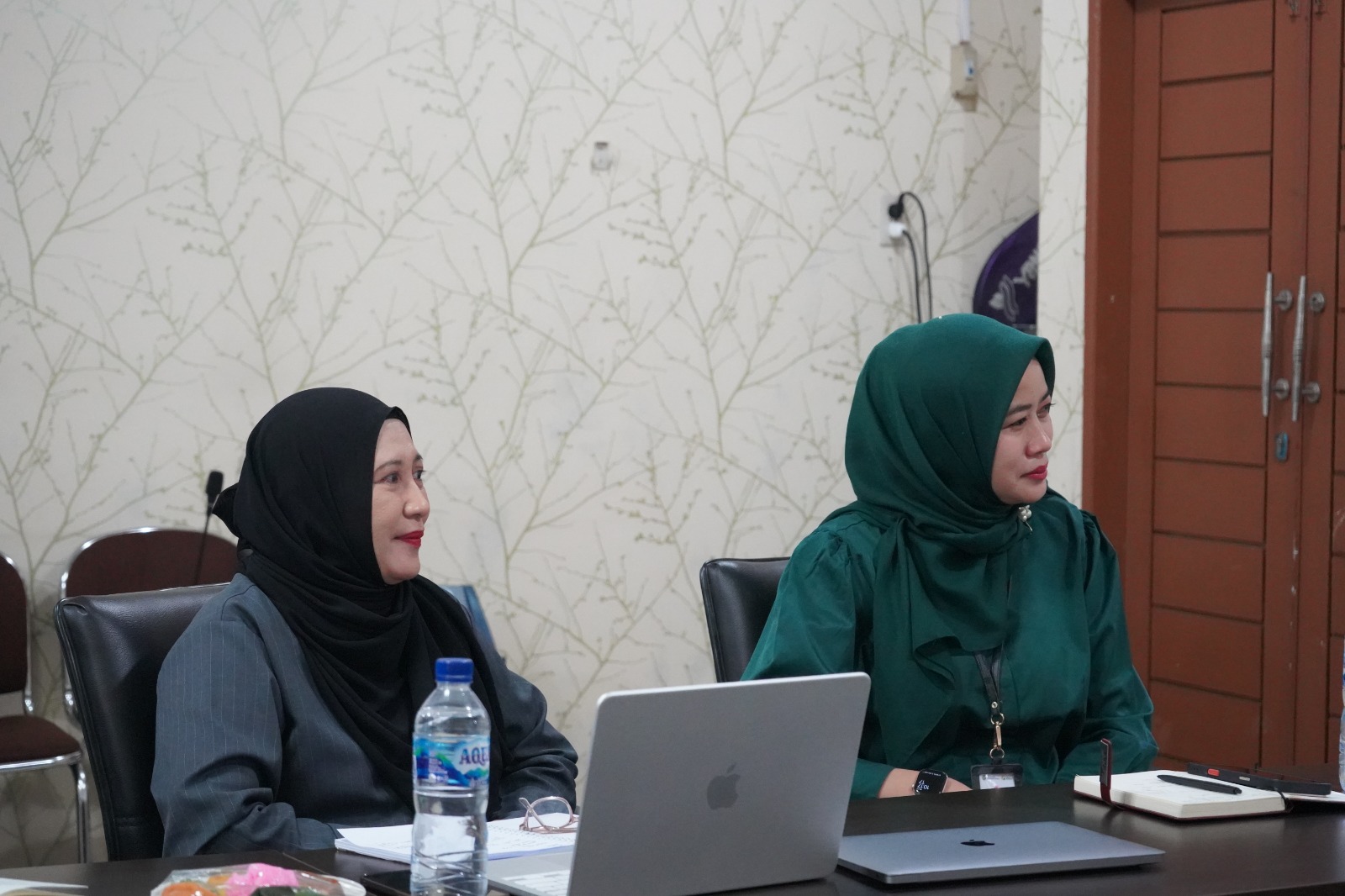
In its implementation, community service activities do not have to be centered on the campus environment. The Faculty of Forestry USU is opening opportunities to use its partner villages as locations for collaborative activities. This approach is expected to broaden the reach of the programs while encouraging community participation in maintaining water availability, improving environmental quality, and supporting land rehabilitation.
In terms of academic development, both institutions also identified opportunities for Faculty of Forestry USU lecturers to participate in technical activities and projects requiring academic expertise. Students completing their final research projects may also potentially be involved, depending on needs and the relevance of their research topics. This synergy is expected to connect field data and research needs with the faculty's human resource competencies.
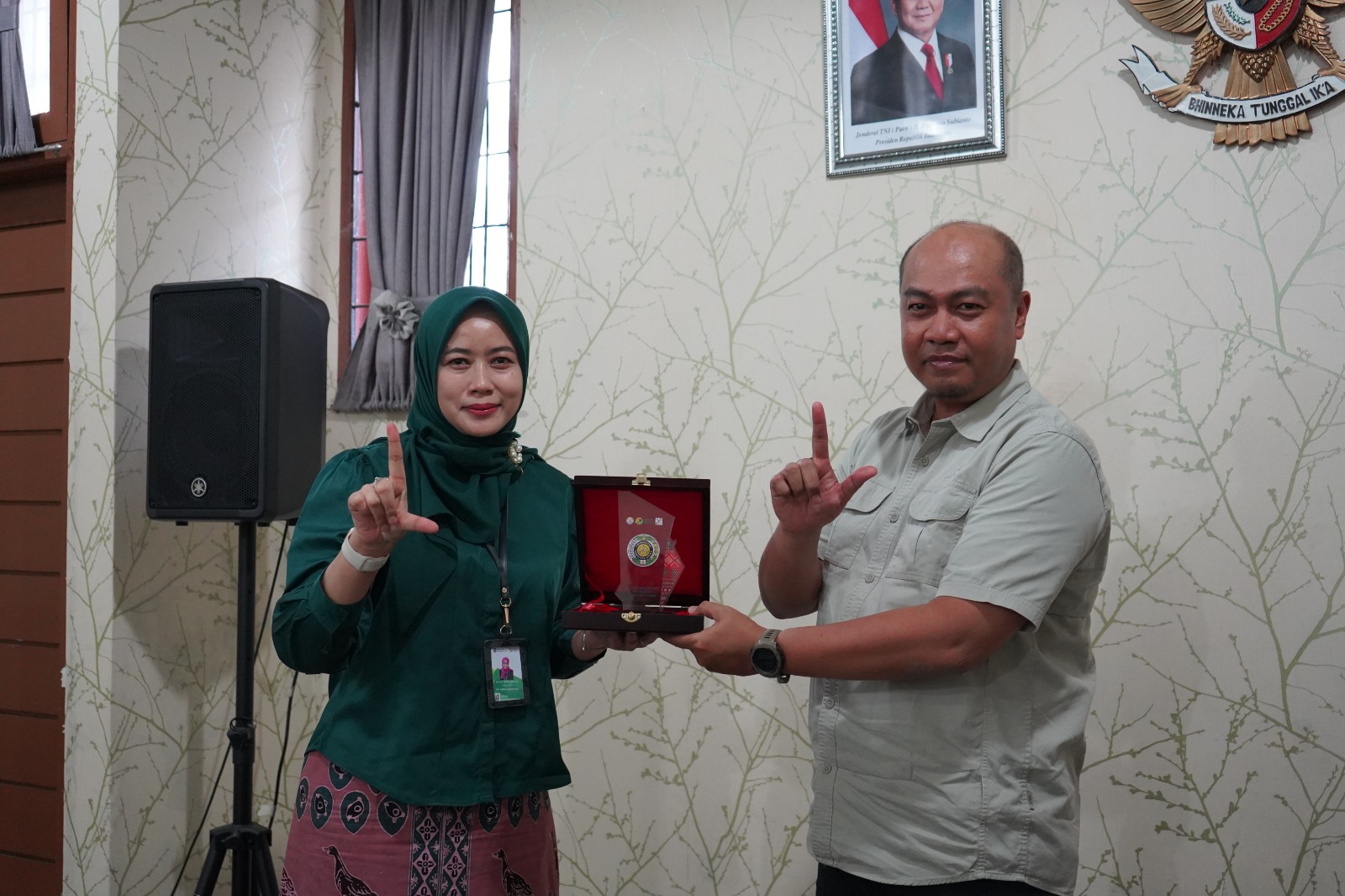
Research collaboration and scientific publications were also among the important agenda items discussed at the meeting. The Faculty of Forestry USU is opening opportunities for BPDAS Wampu Sei Ular to develop joint research through data exchange, processing research findings, and preparing scientific articles. This support is strengthened by the presence of two accredited scientific journals owned by the Faculty of Forestry USU, which serve as platforms for disseminating research findings.
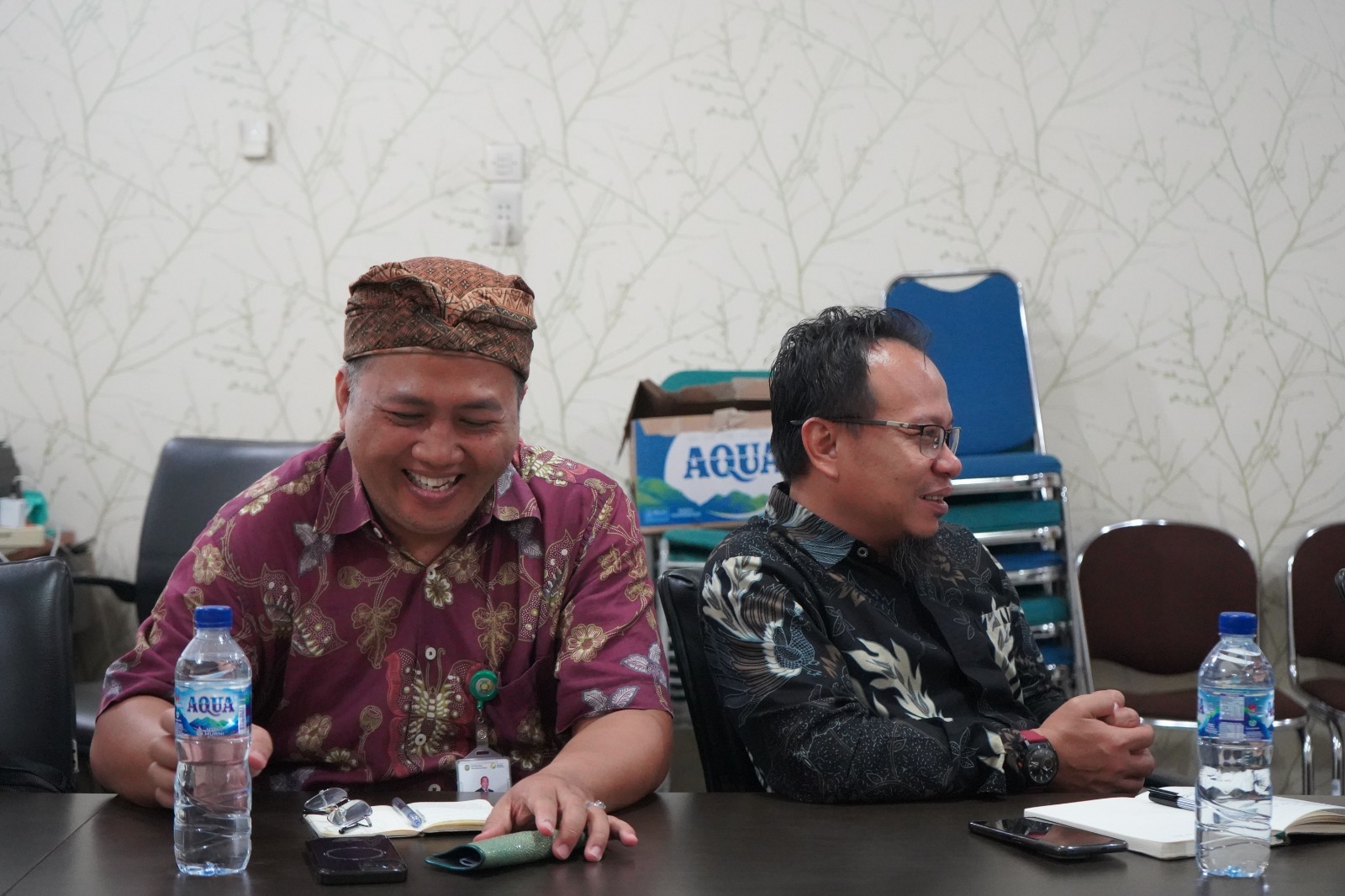
Strengthening this partnership is in line with the achievement of the Sustainable Development Goals (SDGs), particularly SDG 4: Quality Education, through enhanced human resource capacity and field-based experiential learning; SDG 6: Clean Water and Sanitation, through the development of water supply facilities and water resource management; SDG 15: Life on Land, through forest and land rehabilitation as well as watershed management; and SDG 17: Partnerships for the Goals, through stronger collaboration among higher education institutions, government agencies, and communities in realizing sustainable environmental management.