


.webp)
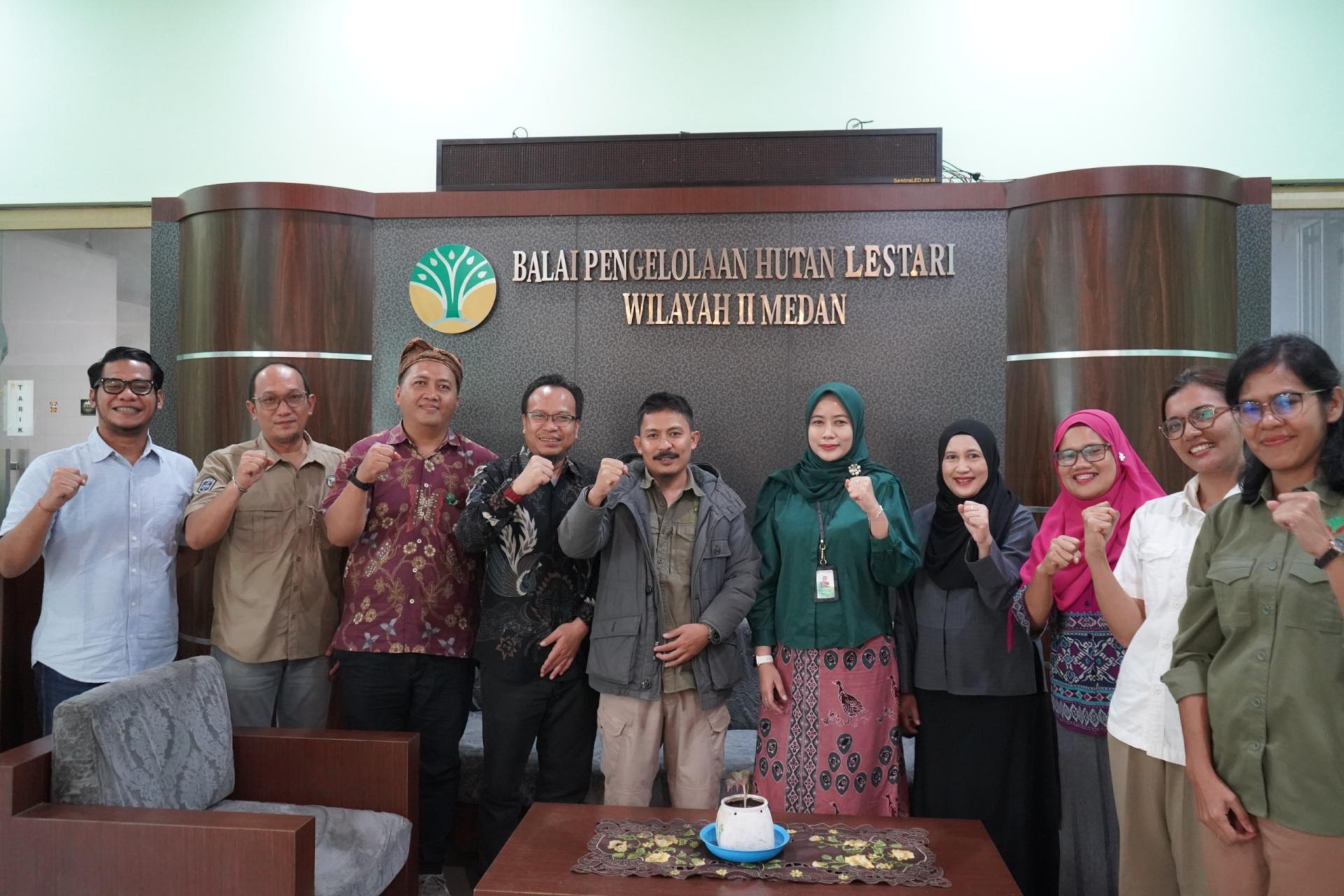
The Faculty of Forestry, Universitas Sumatera Utara (USU), continues to strengthen its strategic partnership network with various institutions to promote sustainable forest management, technological innovation, and increased added value of forest products. This commitment was realized through a meeting with the Sustainable Forest Management Center (BPHL) Region II Medan, held at the Faculty of Forestry USU on Tuesday (November 17, 2026).
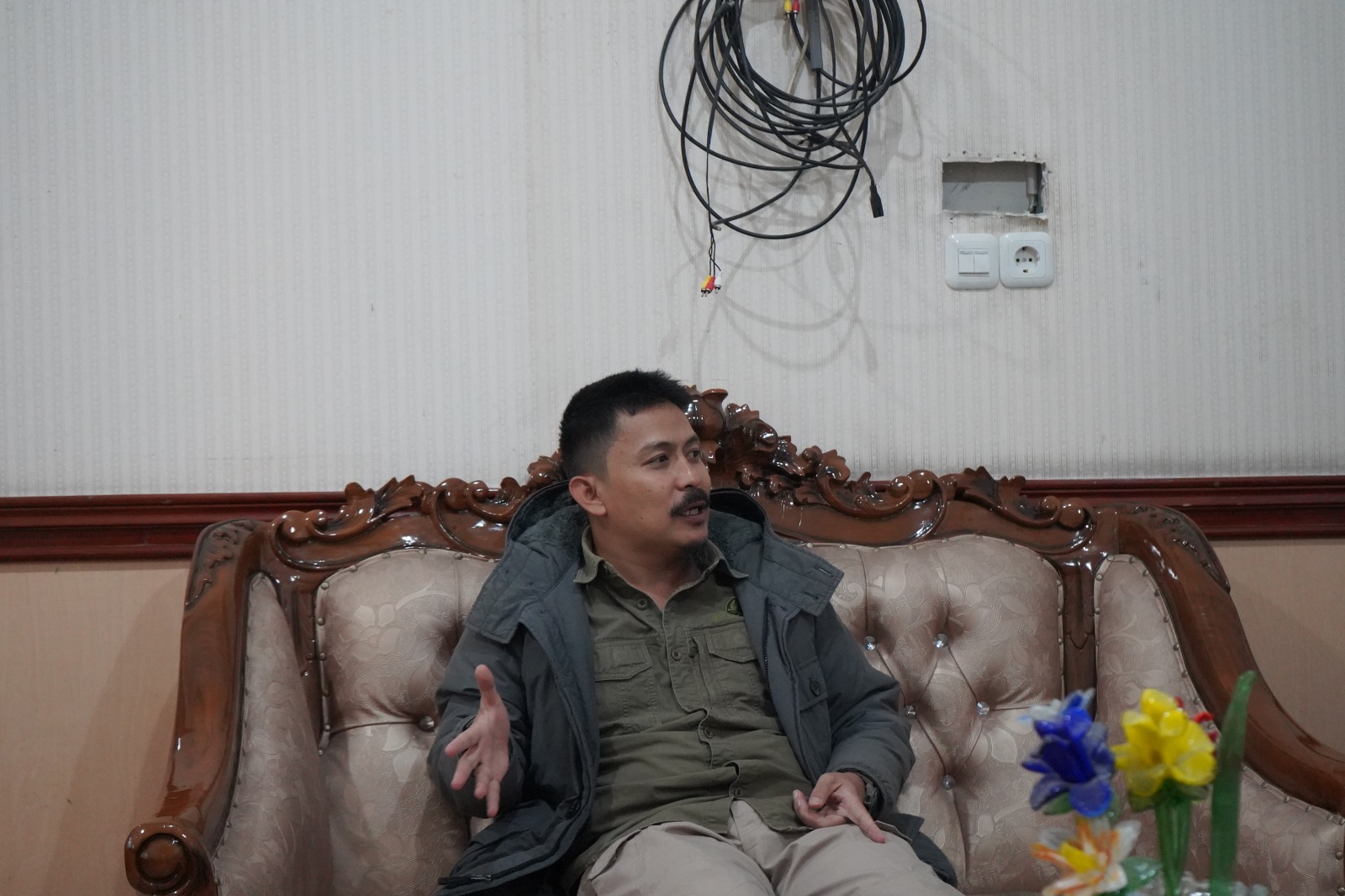
The meeting, led directly by the Head of BPHL Region II Medan, Syufriandi, S.Hut., M.Si., together with his staff, provided an opportunity to explore collaboration in education, research, and community service. Several strategic issues were also discussed, including bioeconomy development, disaster mitigation, carbon management, and downstreaming of forest products, with one of the main focuses being the development of frankincense as a non-timber forest product with economic potential and strategic value.
The activity began with remarks from the Dean of the Faculty of Forestry USU, Prof. Dr. Arida Susilowati. Also in attendance were the Vice Dean for Education, Student Affairs, and Alumni, Dr. Tito Sucipto; the Vice Dean for Administration, Finance, Human Resources, and Academic Infrastructure, Dr. Luthfi Hakim; and the Vice Dean for Research, Community Service, Cooperation, and Internationalization, Dr. Anita Zaitunah. Also present were the Manager for Research, Community Service, Cooperation, and Internationalization, Dr. Ridahati Rambey, along with relevant staff and the Faculty of Forestry USU Public Relations team.
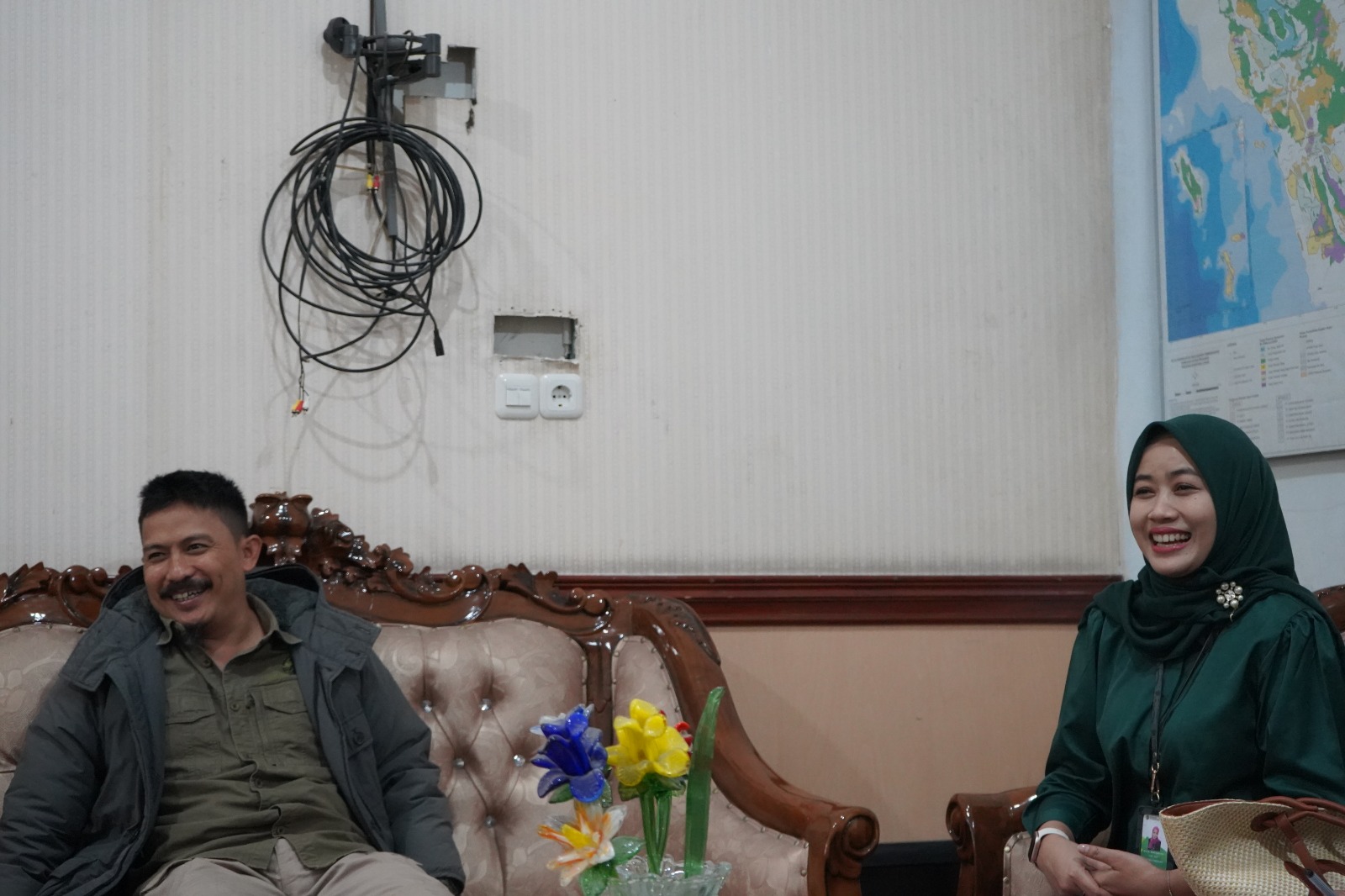
During the discussion, Syufriandi expressed BPHL Region II Medan's openness to establishing partnerships with the Faculty of Forestry USU through various collaborative programs. According to him, synergy between government institutions and higher education institutions offers significant opportunities to connect the technical needs of forest management in the field with the university's scientific expertise, research capabilities, and academic resources.
One of the main topics discussed was the development of a bioeconomy based on frankincense through an integrated upstream-to-downstream approach. These efforts include cultivation development, improvement of raw material quality, product processing, and enhancement of economic added value. The involvement of academics and researchers from the Faculty of Forestry USU is expected to provide scientific support and technological innovation to optimize the potential of frankincense, enabling it to become more competitive and generate broader economic benefits for the community.
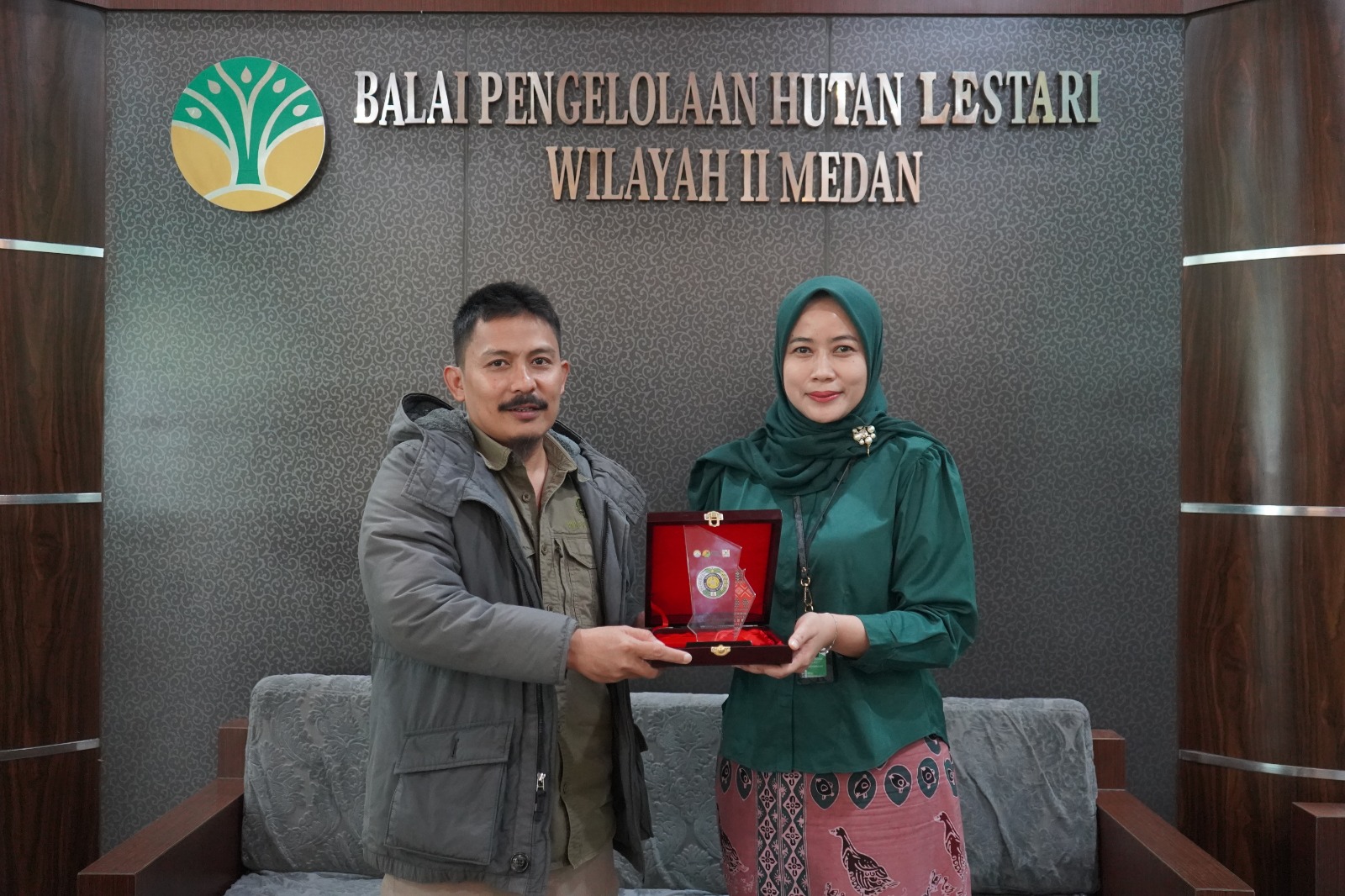
This potential collaboration is also related to the development of a tissue culture laboratory facility currently being prepared by the Faculty of Forestry USU. The laboratory is expected to support research and the development of plant propagation technologies, including the provision of high-quality frankincense seedlings. Through the application of tissue culture technology, plant propagation has the potential to be carried out in a more targeted and controlled manner, thereby supporting both cultivation and forest rehabilitation needs.
Furthermore, the facility has the potential to serve as a supporting resource for programs to develop various plant species required by BPHL Region II Medan. Collaboration in utilizing this research technology is expected not only to strengthen academic capacity but also to provide practical solutions to forest resource management needs.
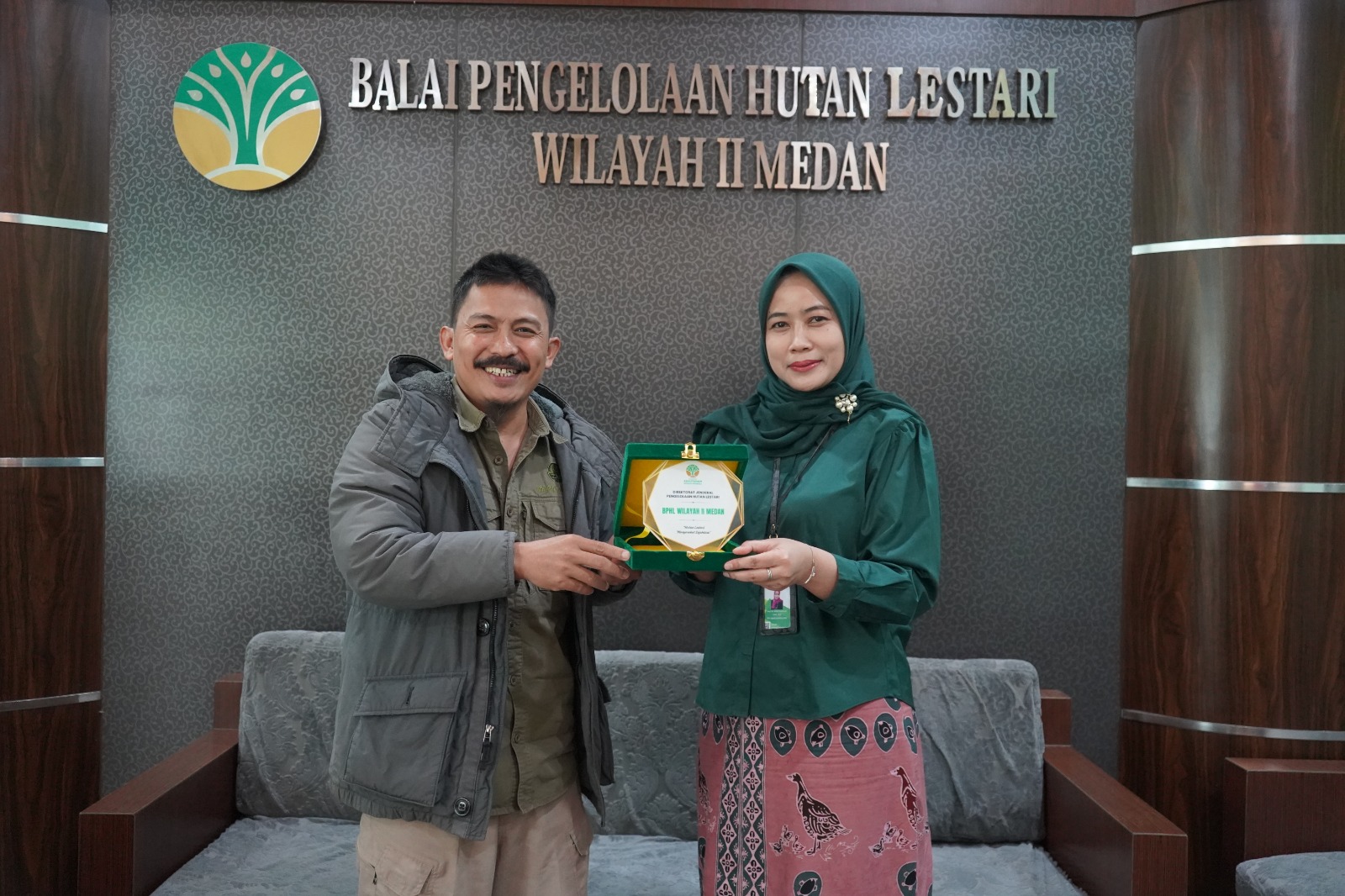
In addition to cultivation development, the discussion also highlighted the importance of downstreaming forest products as a strategy to increase commodity added value. Frankincense development is not only directed toward increasing raw material production but also toward processing innovations and product diversification that offer higher quality and broader market potential. Through this approach, forest product management is expected to establish a stronger economic value chain while providing sustainable benefits for communities living around forests.
In terms of human resource development, BPHL Region II Medan is also opening opportunities for its staff to pursue master's-level education (S2) at the Faculty of Forestry USU. This opportunity is part of efforts to improve the competence and professional capacity of human resources in the forestry sector. In line with the strengthening of higher education, the Faculty of Forestry USU is also preparing to open a doctoral program (S3) next year.
The strengthening of educational collaboration is also directed toward plans to involve practitioners from BPHL Region II Medan in teaching activities as industry practitioners. Their presence in the academic environment is expected to enrich students' perspectives through firsthand experience of policies, governance, and the dynamics of forest management in the field. In this way, the learning process can become increasingly connected to the actual needs and challenges of the forestry sector.
These efforts also support the achievement of the Sustainable Development Goals (SDGs), particularly SDG 4 (Quality Education) through the strengthening of higher education and practitioner-based learning; SDG 8 (Decent Work and Economic Growth) through bioeconomy development and increased added value of forest products; SDG 9 (Industry, Innovation, and Infrastructure) through the utilization of tissue culture technology and product processing innovations; SDG 12 (Responsible Consumption and Production) through the sustainable downstreaming of forest products; and SDG 15 (Life on Land) through strengthened forest resource management and conservation.