


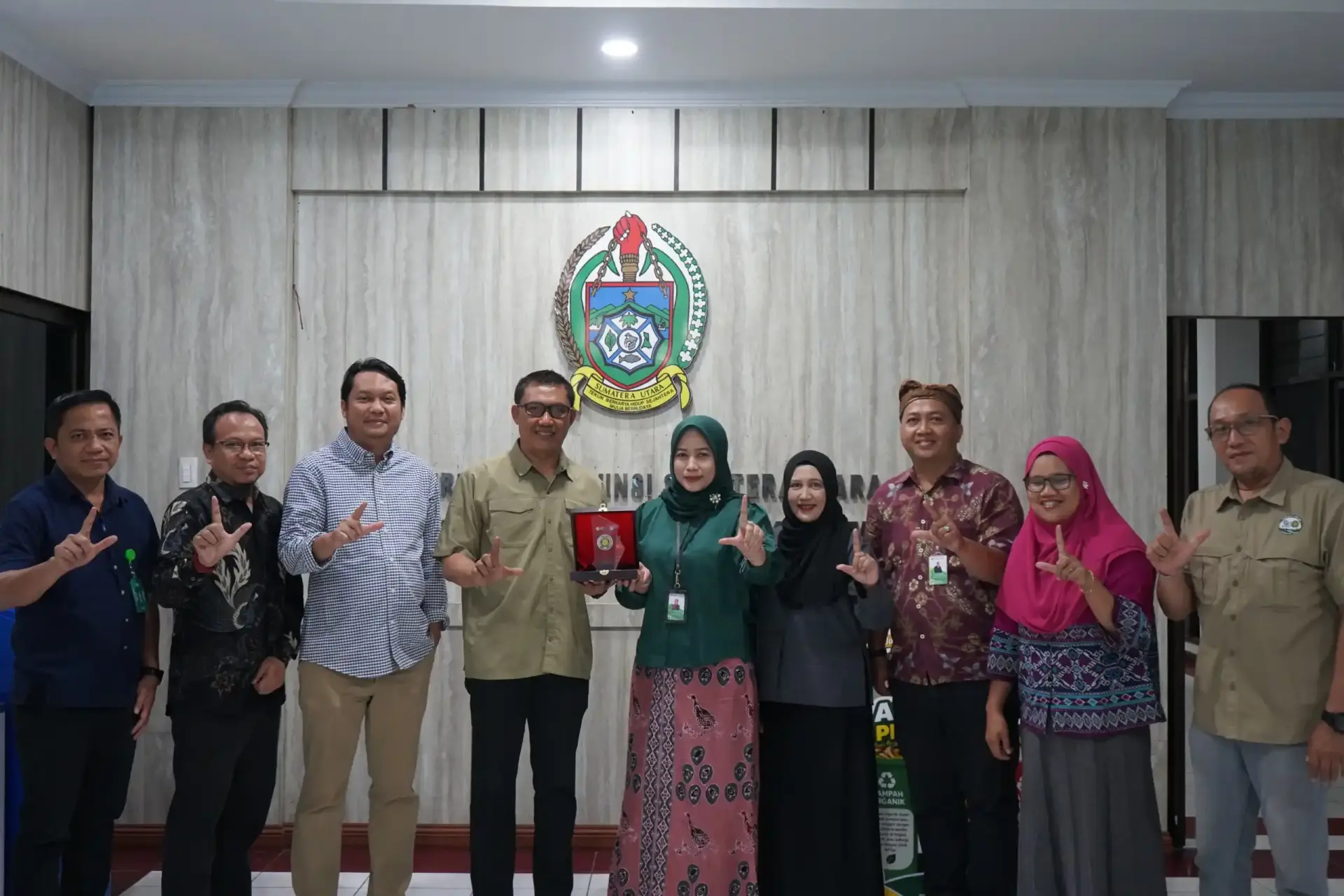
The Faculty of Forestry, Universitas Sumatera Utara (USU), is strengthening its synergy with the Environmental and Forestry Agency (DLHK) of North Sumatra Province to support environmental conservation and sustainable biodiversity management. This commitment was discussed during a coordination meeting and exploration of cooperation held at the North Sumatra Provincial DLHK Office in Medan on Tuesday (November 17, 2026).
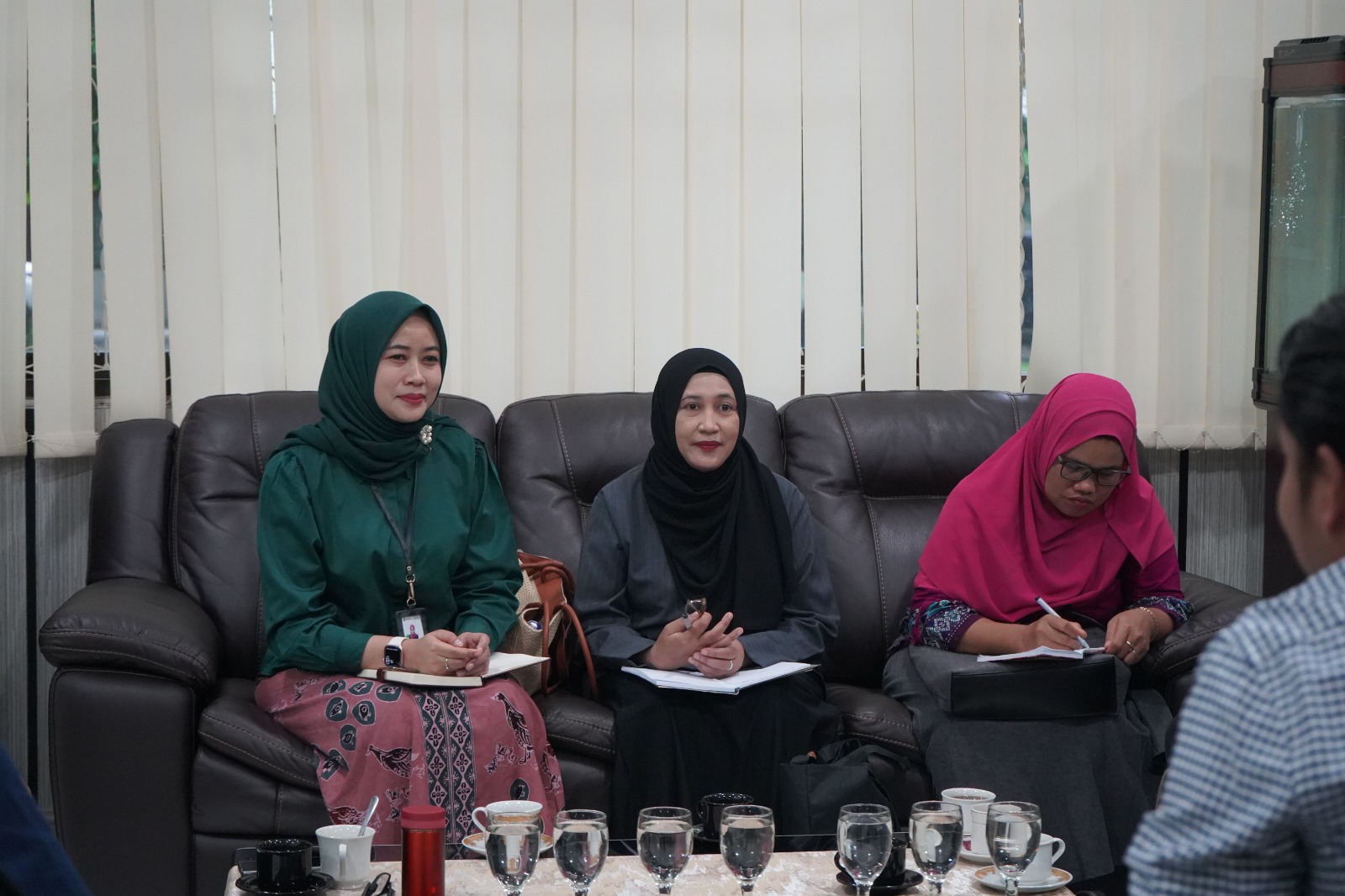
The meeting, attended by the Dean of the Faculty of Forestry USU, Prof. Dr. Arida Susilowati, S.Hut., M.Si., and the Head of the North Sumatra Provincial DLHK, Heri Wahyudi Marpaung, S.STP., M.AP., discussed several collaboration opportunities in education, research, community service, and environmental conservation. One of the main agenda items receiving joint attention was the development of a Biodiversity Park (Taman Kehati) in the Arboretum area of the Faculty of Forestry USU.
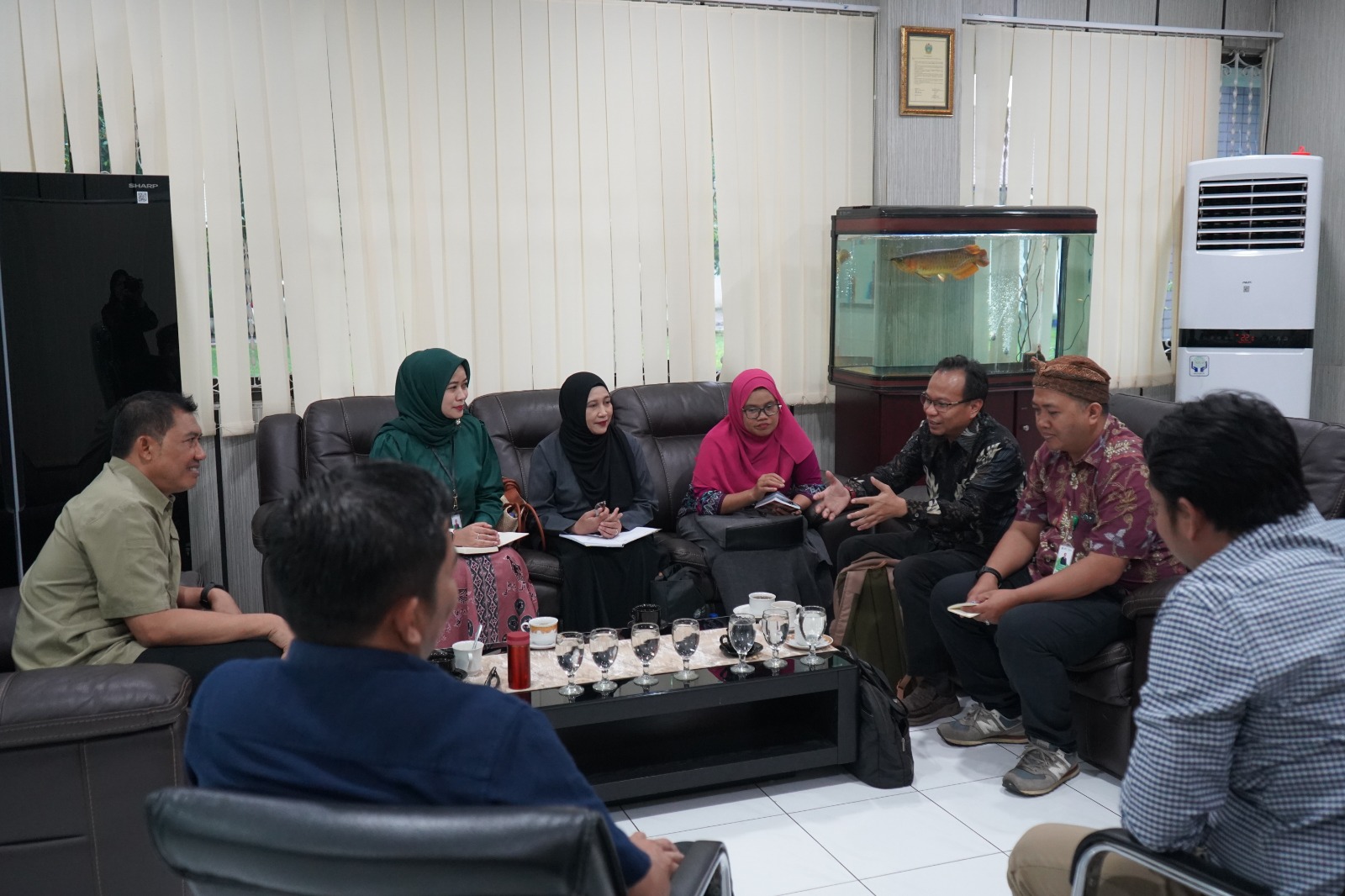
The development of the Biodiversity Park is considered a strategic step toward strengthening biodiversity conservation efforts. In addition to serving as a space for conserving various plant species, the area has the potential to be developed as a facility for learning, research, and environmental education for students and the community. Through support and synergy with the North Sumatra DLHK, the development of the area is expected to provide both ecological benefits and educational value.
In addition to developing the Biodiversity Park, the two institutions are also exploring the involvement of lecturers and researchers from the Faculty of Forestry USU in supporting various environmental programs of the regional government. This science-based collaboration is expected to strengthen program planning and implementation through scientific studies, technical assistance, and evaluations tailored to field requirements.
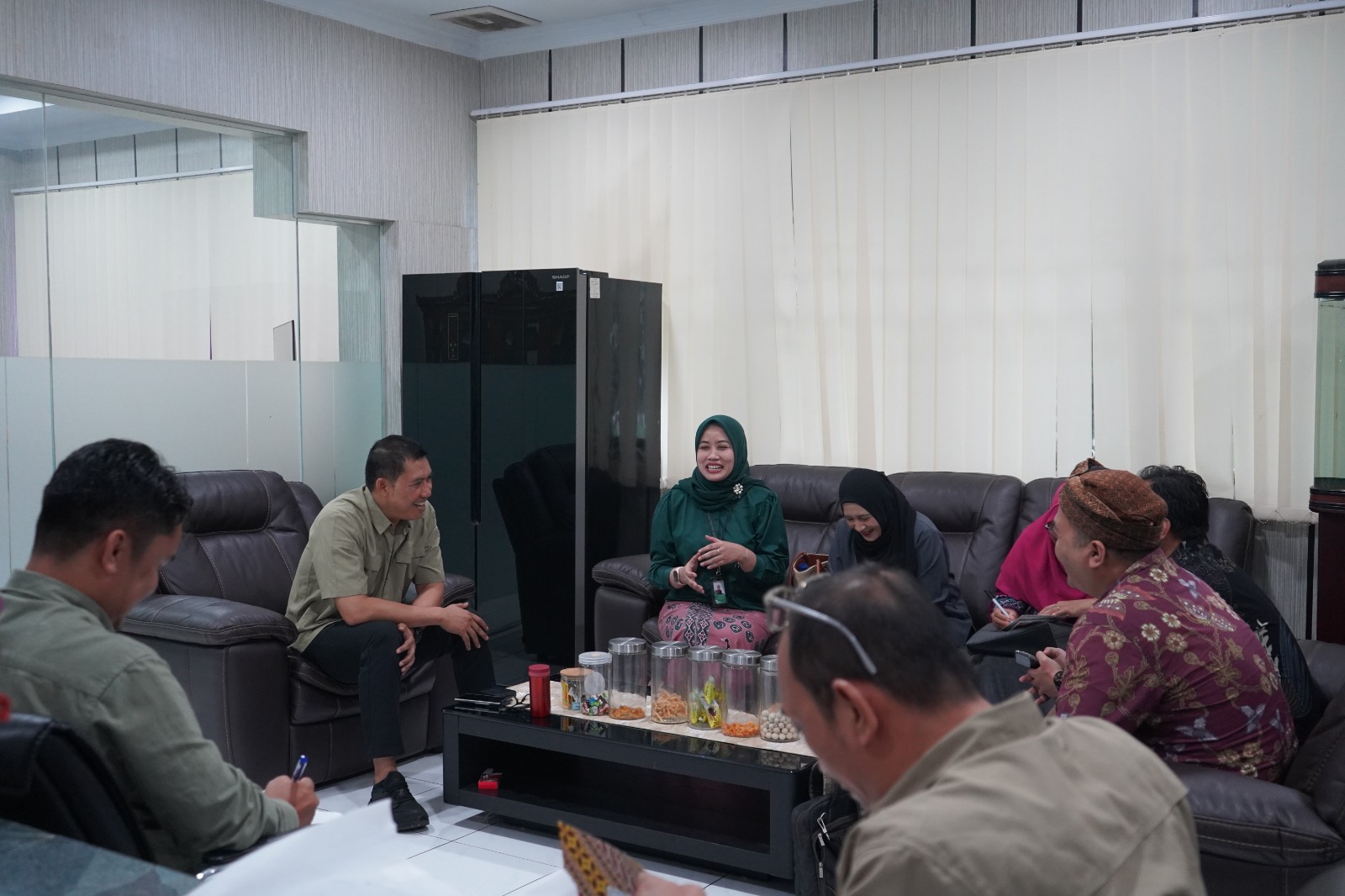
In the field of education, discussions covered opportunities for students and alumni to participate in forestry and environmental activities, including the development of forestry- and environment-based Community Service Programs (KKN). Through this approach, students have the opportunity to identify environmental issues in communities, provide education, and formulate recommendations based on observations and academic studies.
Issues identified in the field can also be developed into student research topics. Thus, learning, research, and community service activities can be integrated with one another and make more relevant contributions to environmental management needs in North Sumatra.
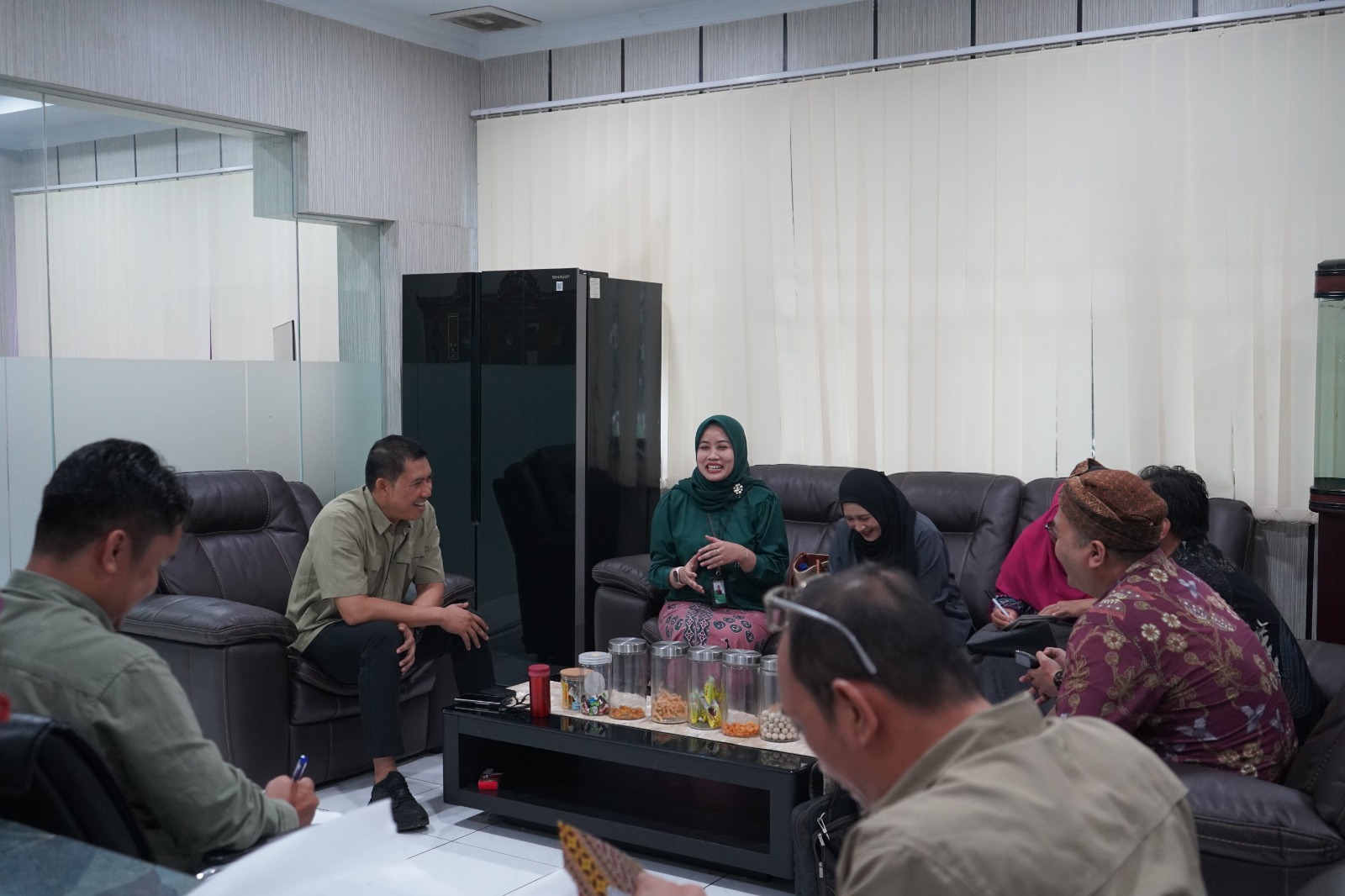
In terms of human resource development, the Faculty of Forestry USU is also opening opportunities for employees of the North Sumatra Provincial DLHK to pursue master's and doctoral degrees in the future. This initiative is part of efforts to strengthen human resource capacity while encouraging the exchange of knowledge and experience between the academic and government sectors.
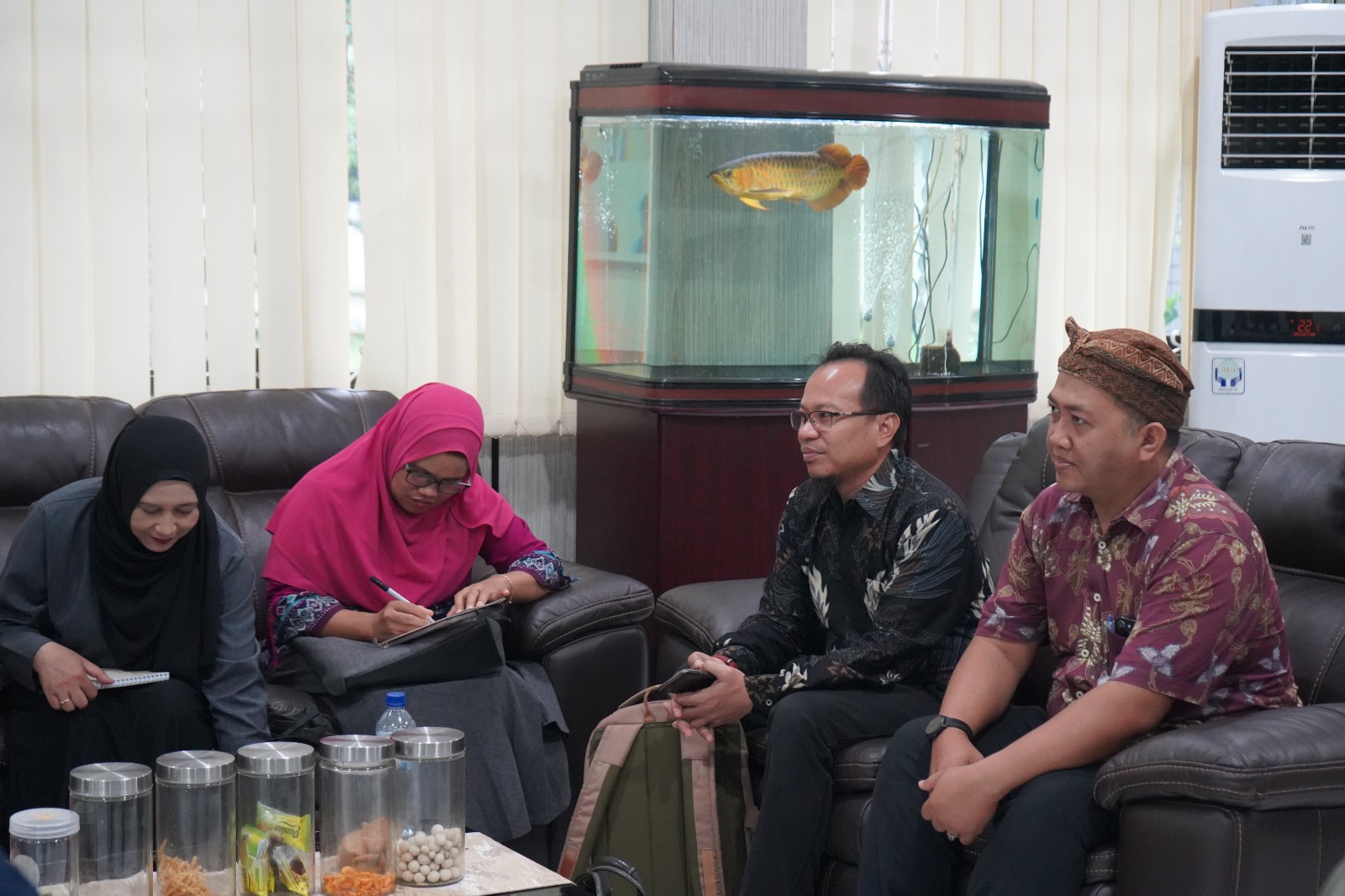
The Dean of the Faculty of Forestry USU, Prof. Dr. Arida Susilowati, welcomed the opportunities for developing this cooperation. Synergy between higher education institutions and regional governments is expected to continue expanding through programs that provide tangible benefits, both for the development of education and research and for environmental conservation efforts.
As a follow-up, the two institutions will continue coordination to identify priorities and formulate forms of collaboration that can be implemented sustainably. Through this partnership, the Faculty of Forestry USU and the North Sumatra Provincial DLHK are expected to optimize their respective roles in supporting biodiversity conservation and responsible environmental management.
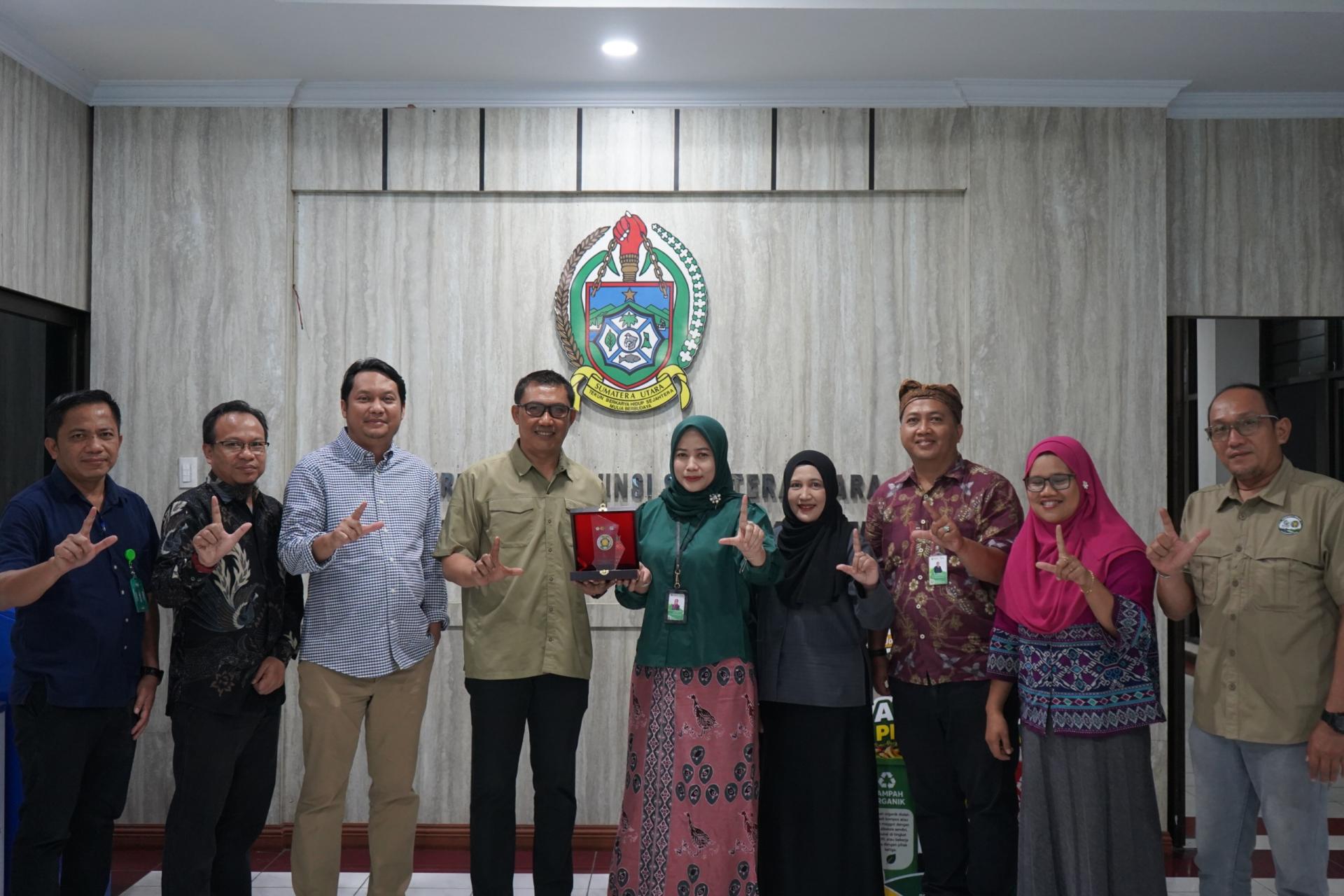
Strengthening this collaboration is in line with the achievement of the Sustainable Development Goals (SDGs), particularly SDG 4 (Quality Education) through enhanced learning and human resource capacity development; SDG 11 (Sustainable Cities and Communities) through the development of spaces for biodiversity conservation; SDG 15 (Life on Land) through biodiversity protection and ecosystem conservation; and SDG 17 (Partnerships for the Goals) through synergy between higher education institutions and regional governments in supporting sustainable development.