


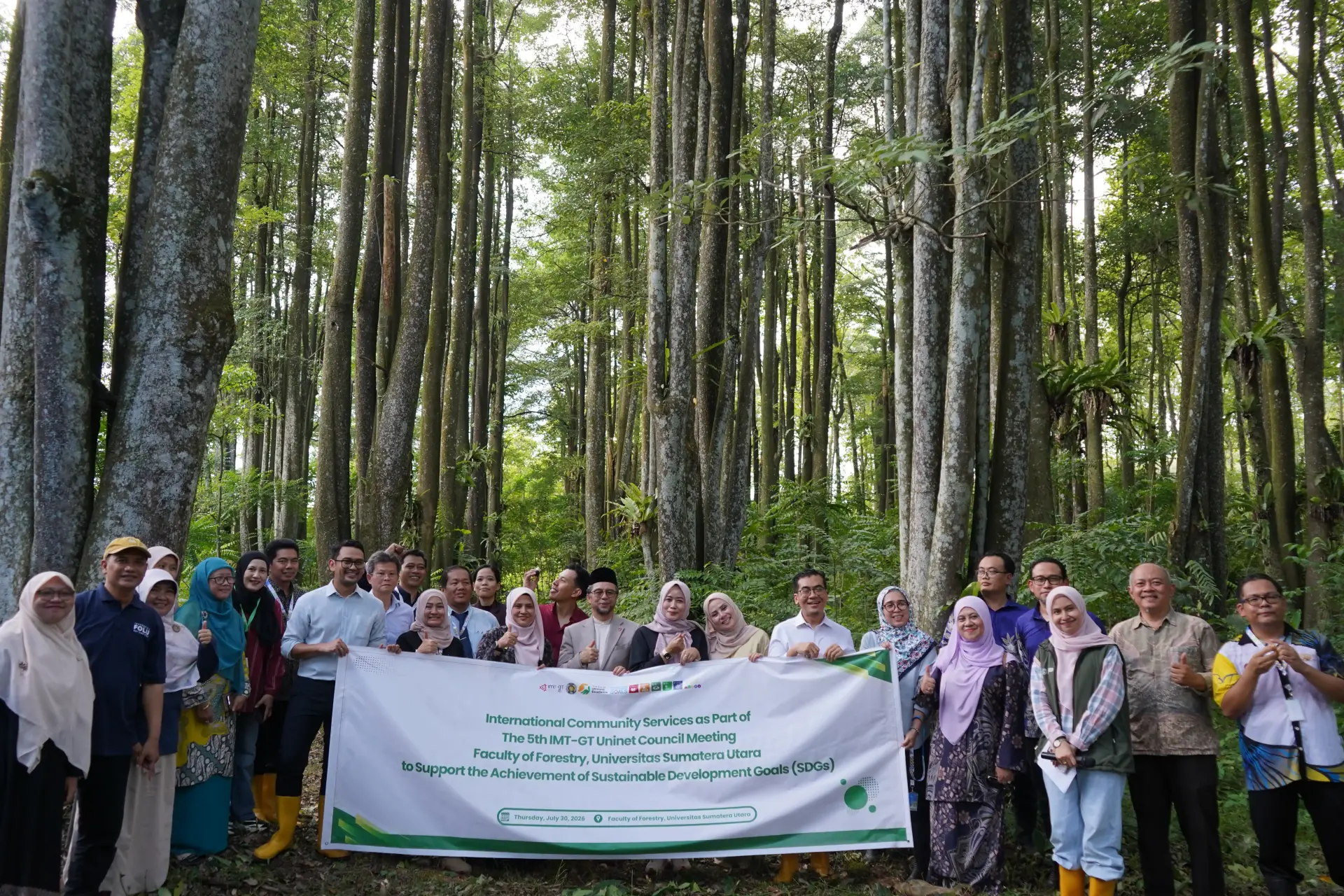
HUMAS FAHUTAN – The Faculty of Forestry, Universitas Sumatera Utara (USU), received a visit from the delegation of the 5th Indonesia-Malaysia-Thailand Growth Triangle University Network (IMT-GT UNINET) Council Meeting at USU Campus II Kwala Bekala, Simalingkar, Deli Serdang, on Thursday (July 30, 2026). The visit was part of a series of international forum activities attended by university leaders from Indonesia, Malaysia, and Thailand to strengthen cooperation in higher education, research, innovation, and community service.
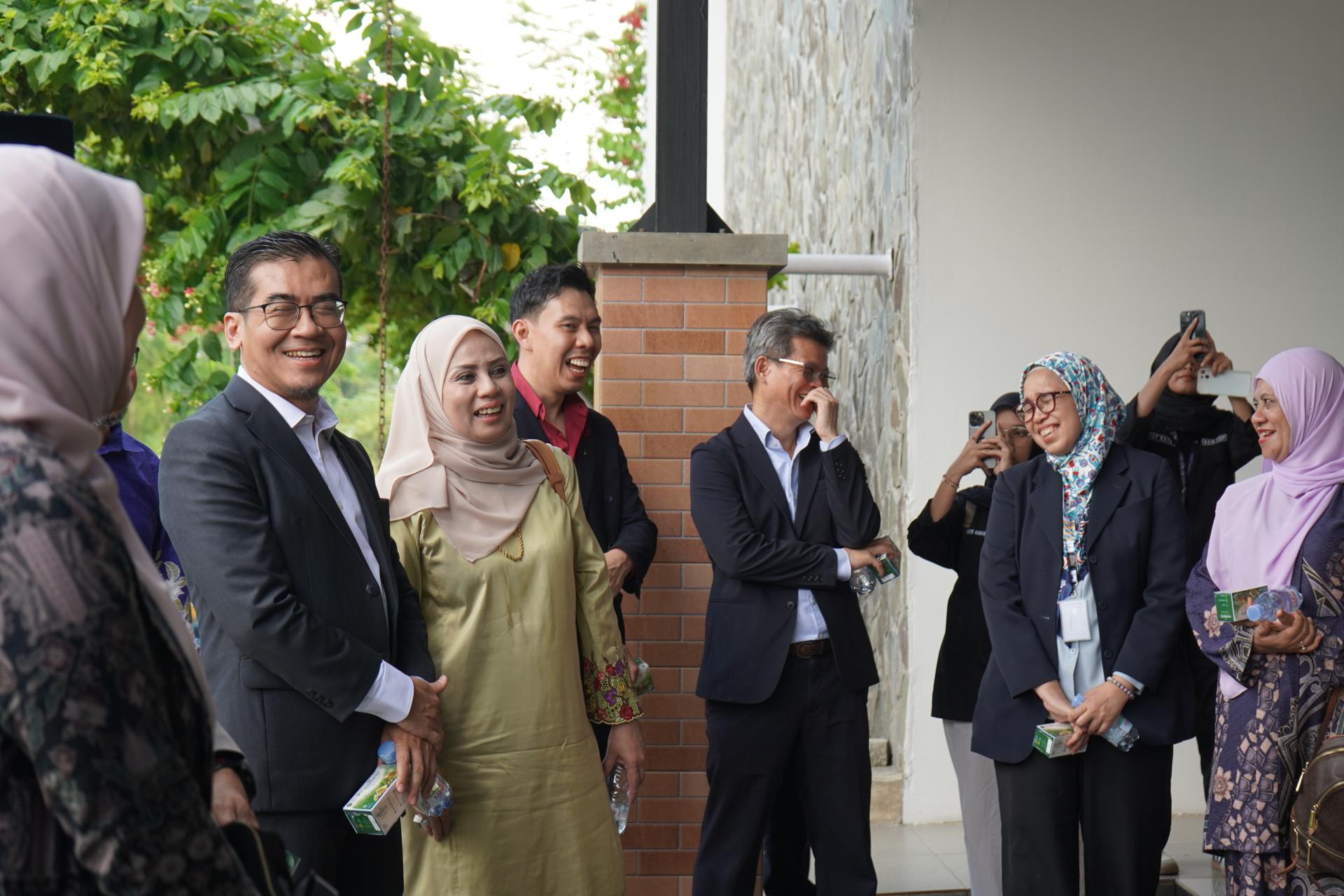
The meeting served as a strategic momentum for formulating the direction of IMT-GT UNINET collaboration in the coming period while strengthening the contribution of higher education institutions to supporting the development of the Indonesia-Malaysia-Thailand Growth Triangle (IMT-GT) region through sustainable academic, research, and innovation synergies.
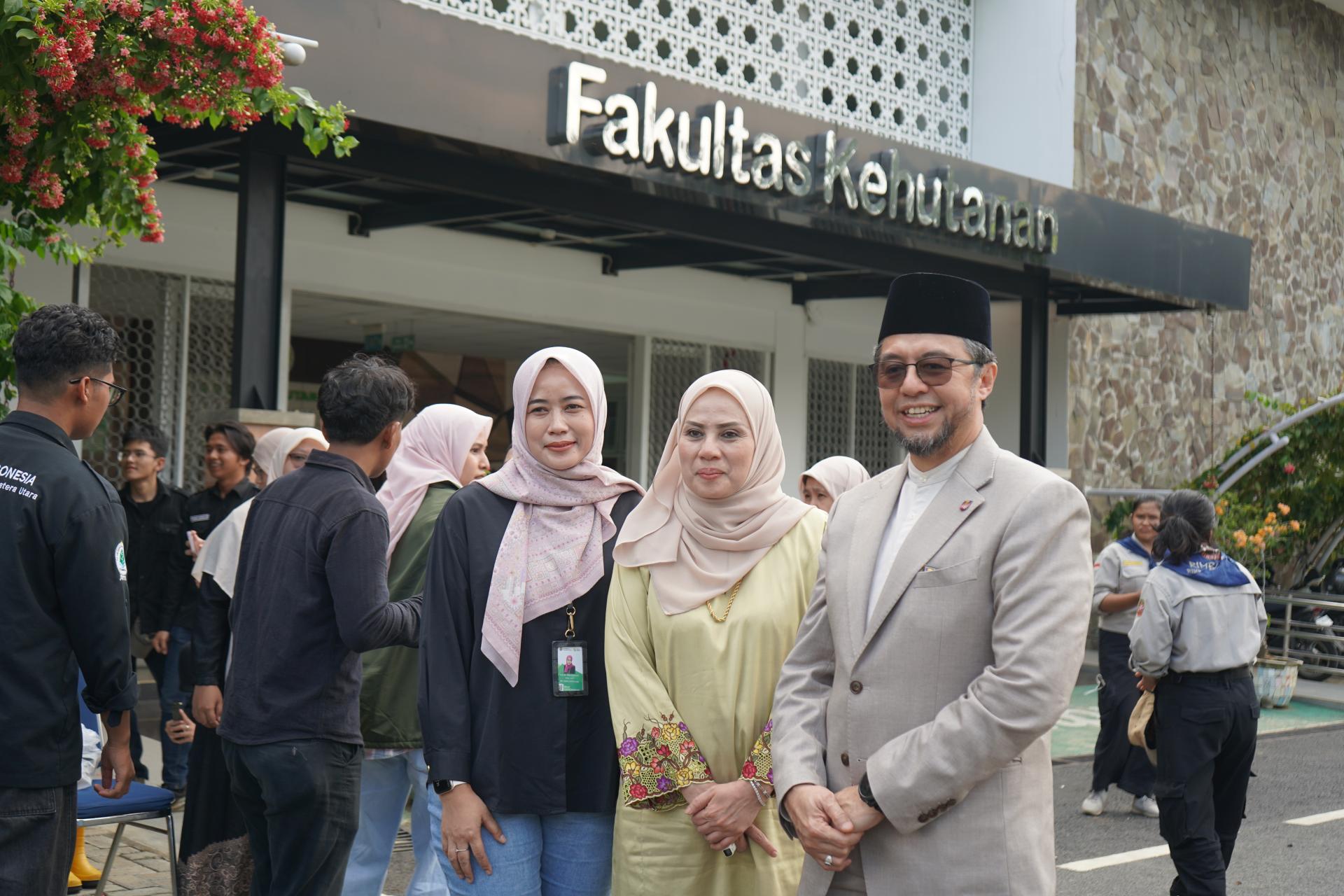
The delegation was led by Professor Datuk Dr. Shahrin bin Sahib, FASC., PTech., MIIEM, Vice Chancellor of Universiti Teknologi MARA (UiTM), Malaysia, and Chairman of the IMT-GT University Network (UNINET), together with leaders of member universities and meeting participants. The delegation was warmly welcomed by the Dean of the Faculty of Forestry USU, Prof. Dr. Arida Susilowati, S.Hut., M.Si., and the faculty leadership.
In her welcoming remarks, Prof. Arida expressed her welcome and appreciation for the trust placed in the Faculty of Forestry USU as one of the destinations for the international delegates' visit. "Welcome to the Faculty of Forestry, Universitas Sumatera Utara. It is an honor for us to welcome Professor Datuk Dr. Shahrin bin Sahib and all IMT-GT UNINET delegates. We hope this visit will further strengthen inter-institutional relations and open up more opportunities for collaboration in education, research, conservation, and community service to achieve sustainable development," said Prof. Arida.
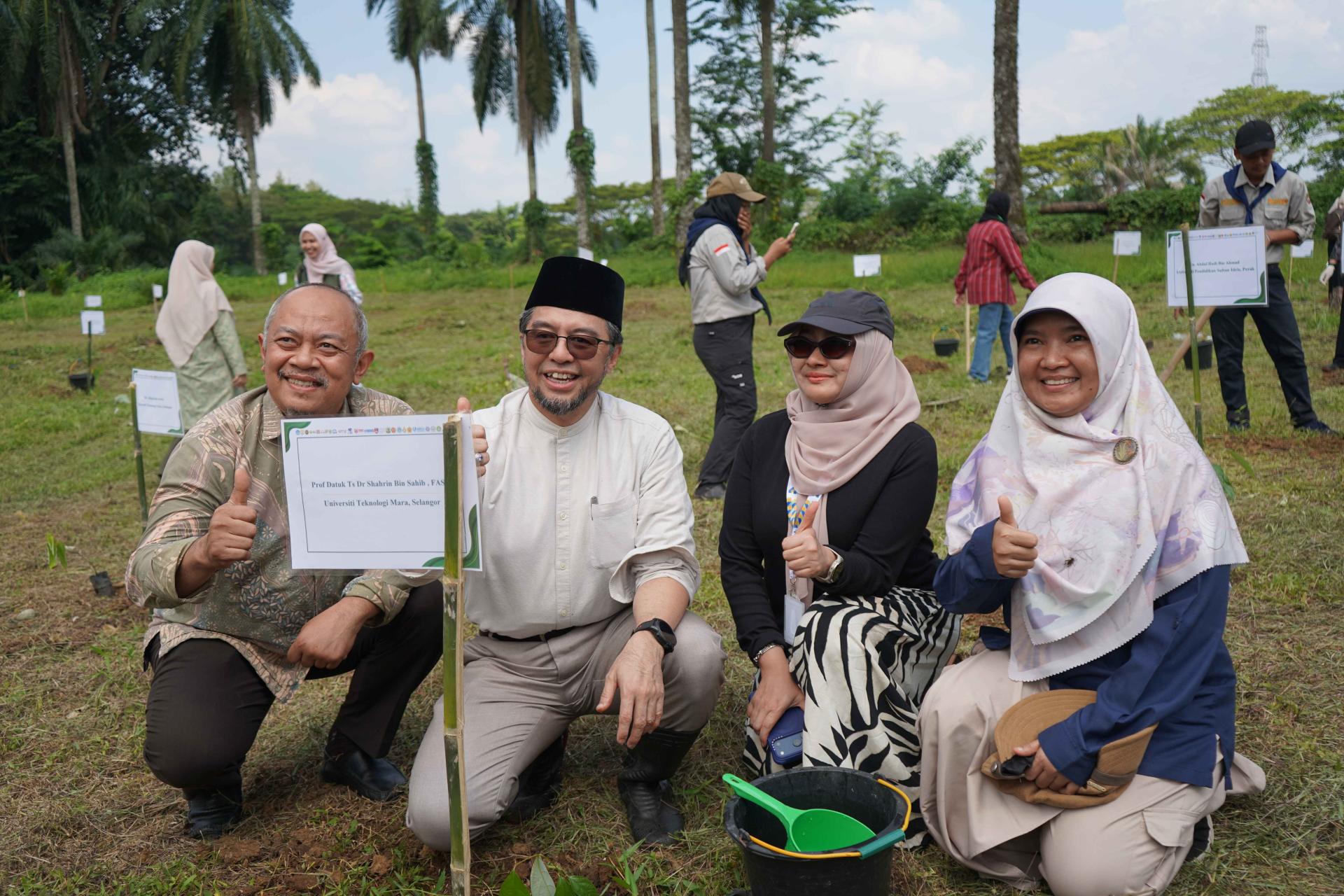
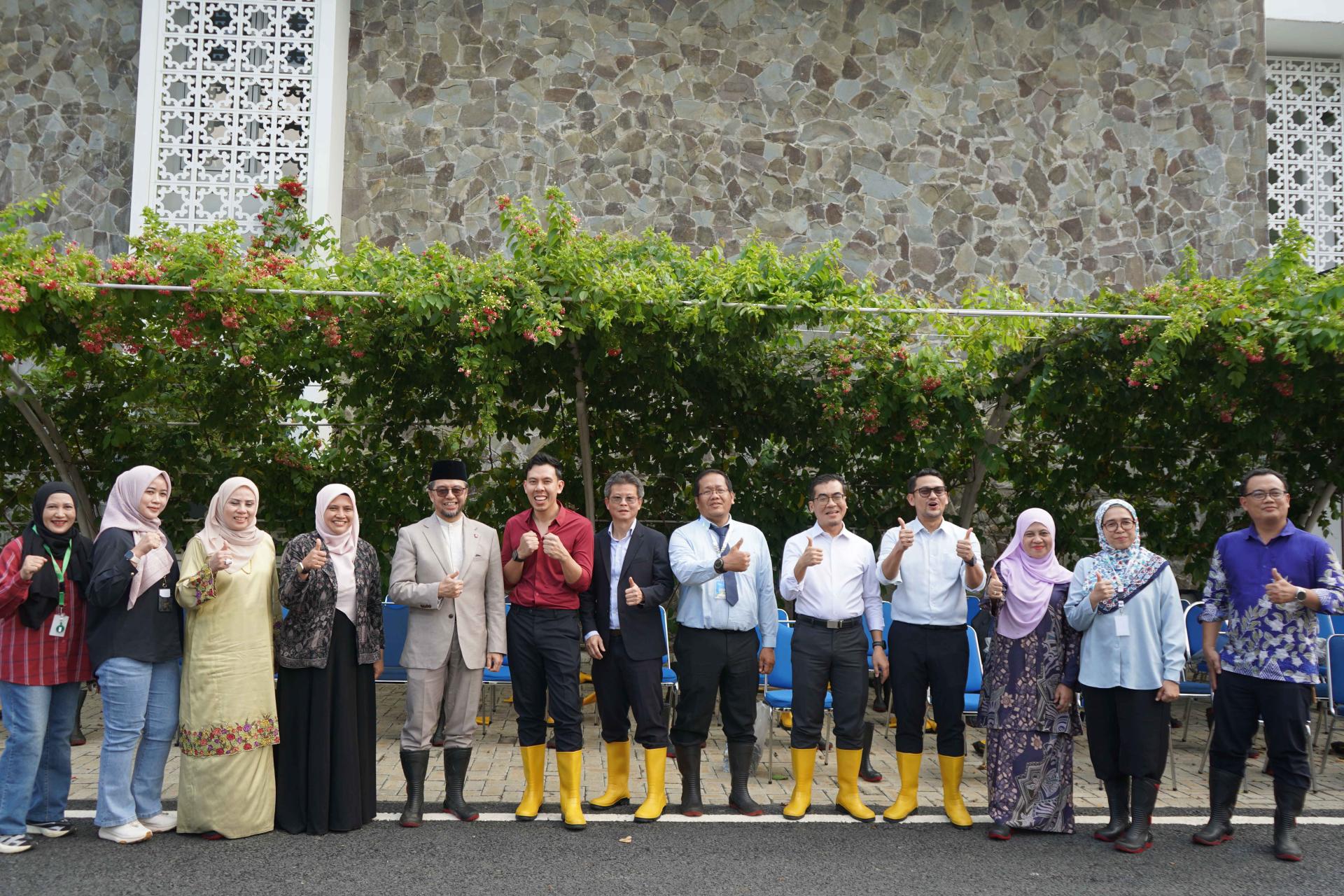
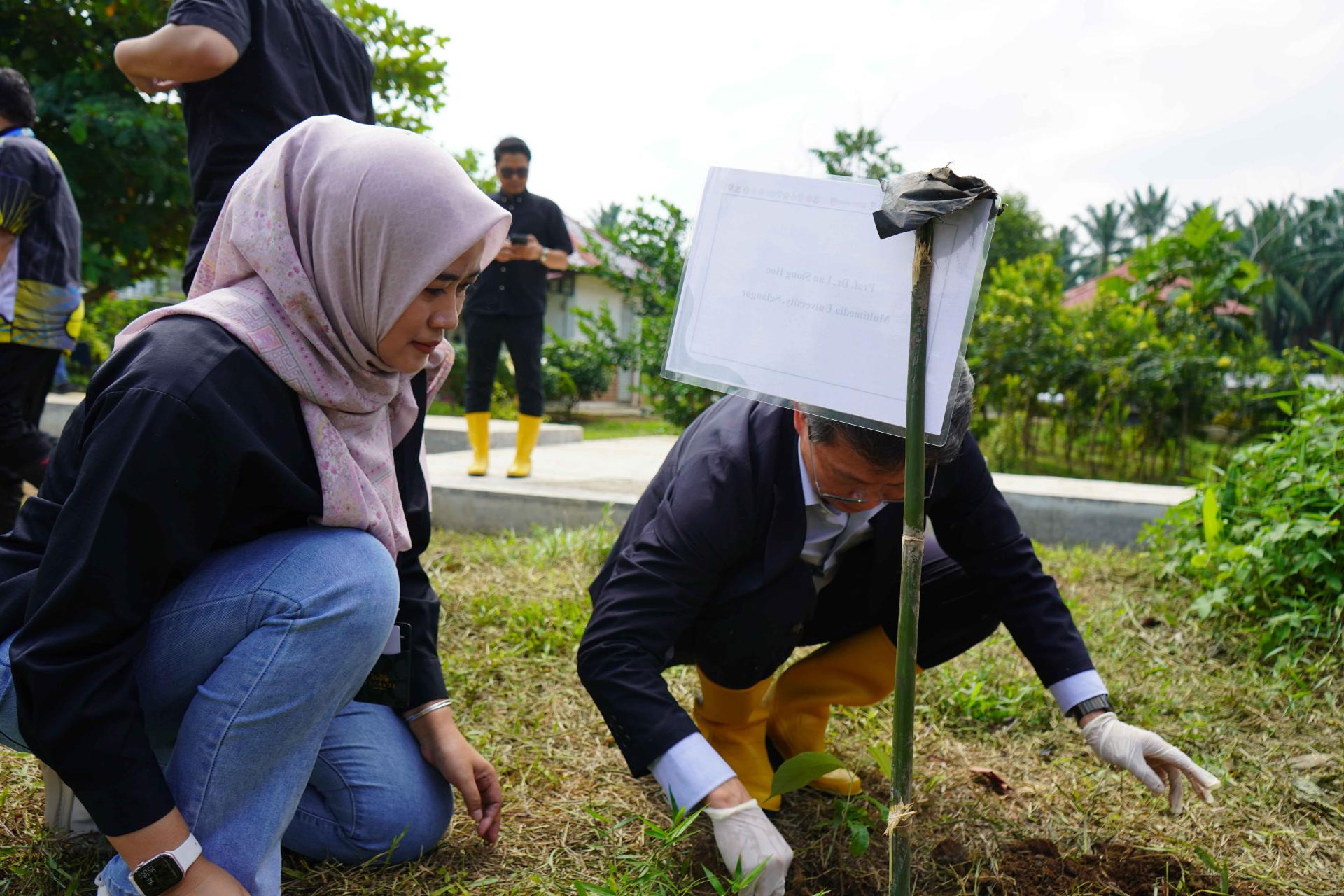
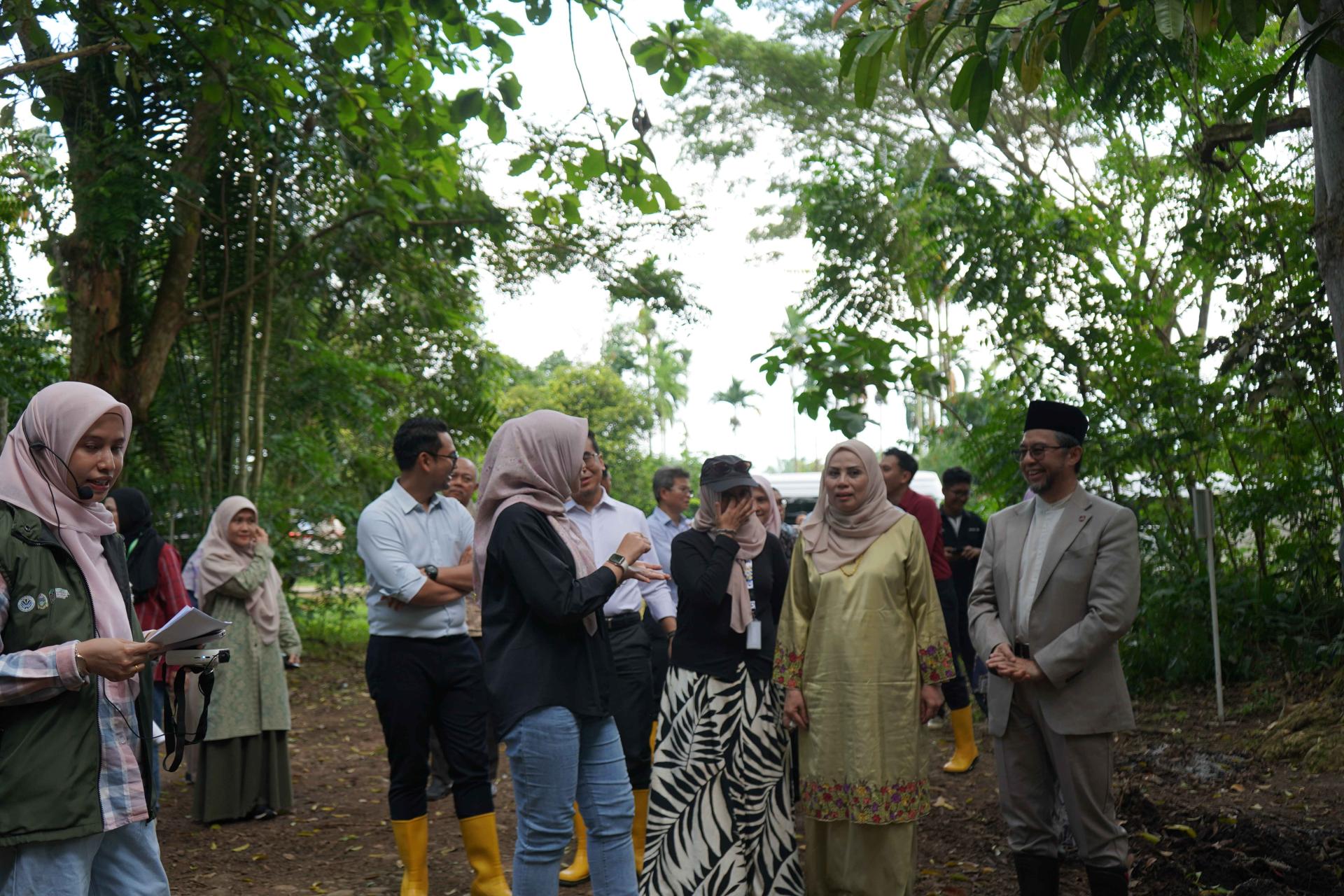
Following the welcoming session, the delegates planted benzoin trees around the campus. Benzoin holds particular value both economically and in terms of the history of the species itself, and it is also a native species of North Sumatra. After the planting activity, the delegates were invited to visit the USU Arboretum, located not far from the Faculty of Forestry. The lush vegetation, cool air, and sounds of birdsong created a tranquil atmosphere and provided a different experience for all participants.
Throughout the visit, the guests were accompanied by a tour guide who explained the history of the development of the USU Arboretum, the restoration process, stand age, vegetation composition, and the various functions of the arboretum as a natural laboratory for education, research, conservation, and community service.
The delegates appeared impressed by the successful transformation of the area, which now resembles a natural forest. The USU Arboretum, which was previously an unproductive oil palm plantation, has developed into a secondary forest with a high level of biodiversity. The success of the restoration serves as tangible evidence of Universitas Sumatera Utara's commitment to developing science-based conservation areas.
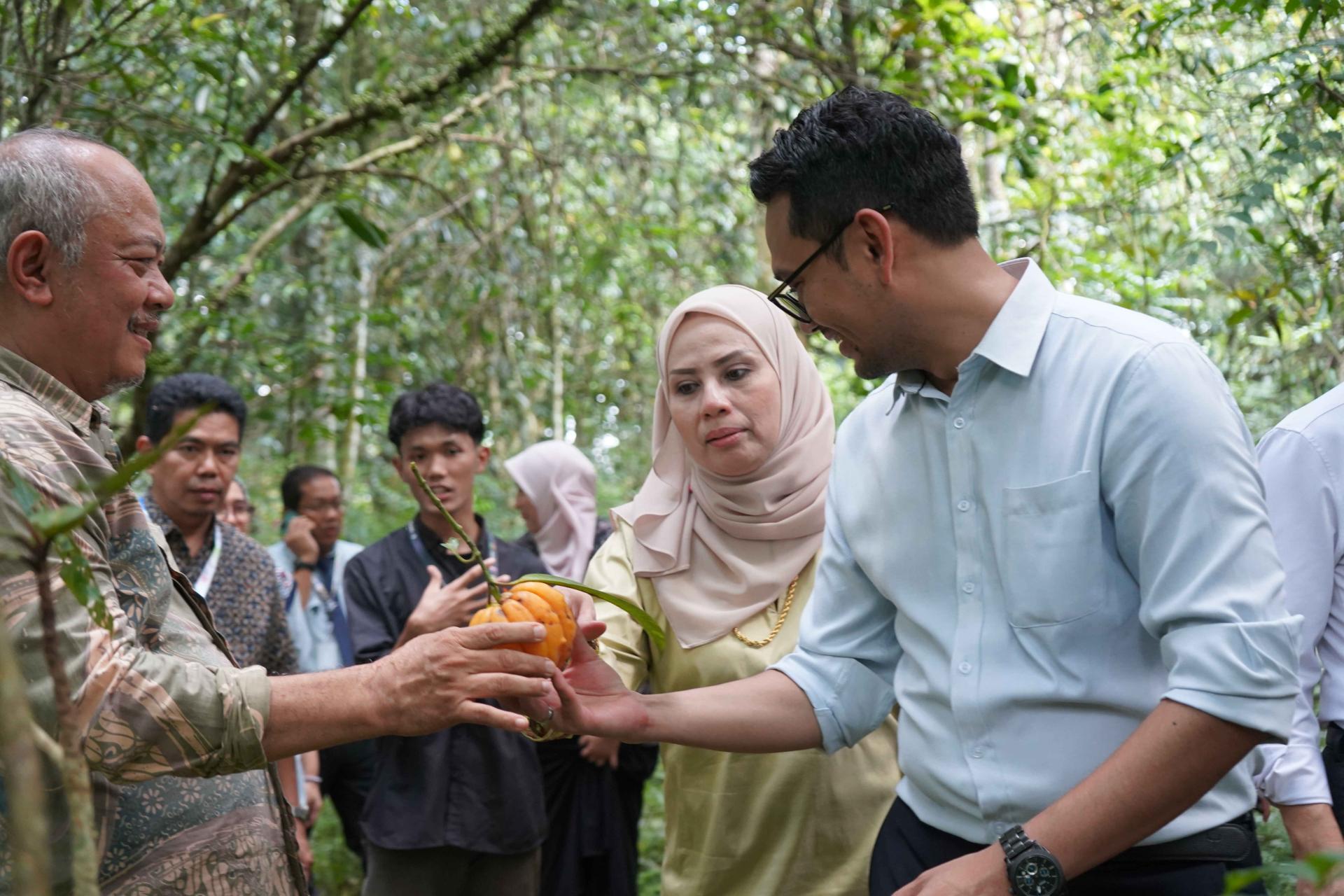
One of the objects that attracted the delegation's attention was the presence of a fruiting gelugur tree (Garcinia atroviridis). The species, which is characteristic of Southeast Asia, is also commonly found in Malaysia, creating a sense of familiarity for Professor Datuk Dr. Shahrin bin Sahib and the delegates. They also admired the diversity of tree species growing in the arboretum, which forms a tropical forest landscape with characteristics resembling a natural ecosystem.
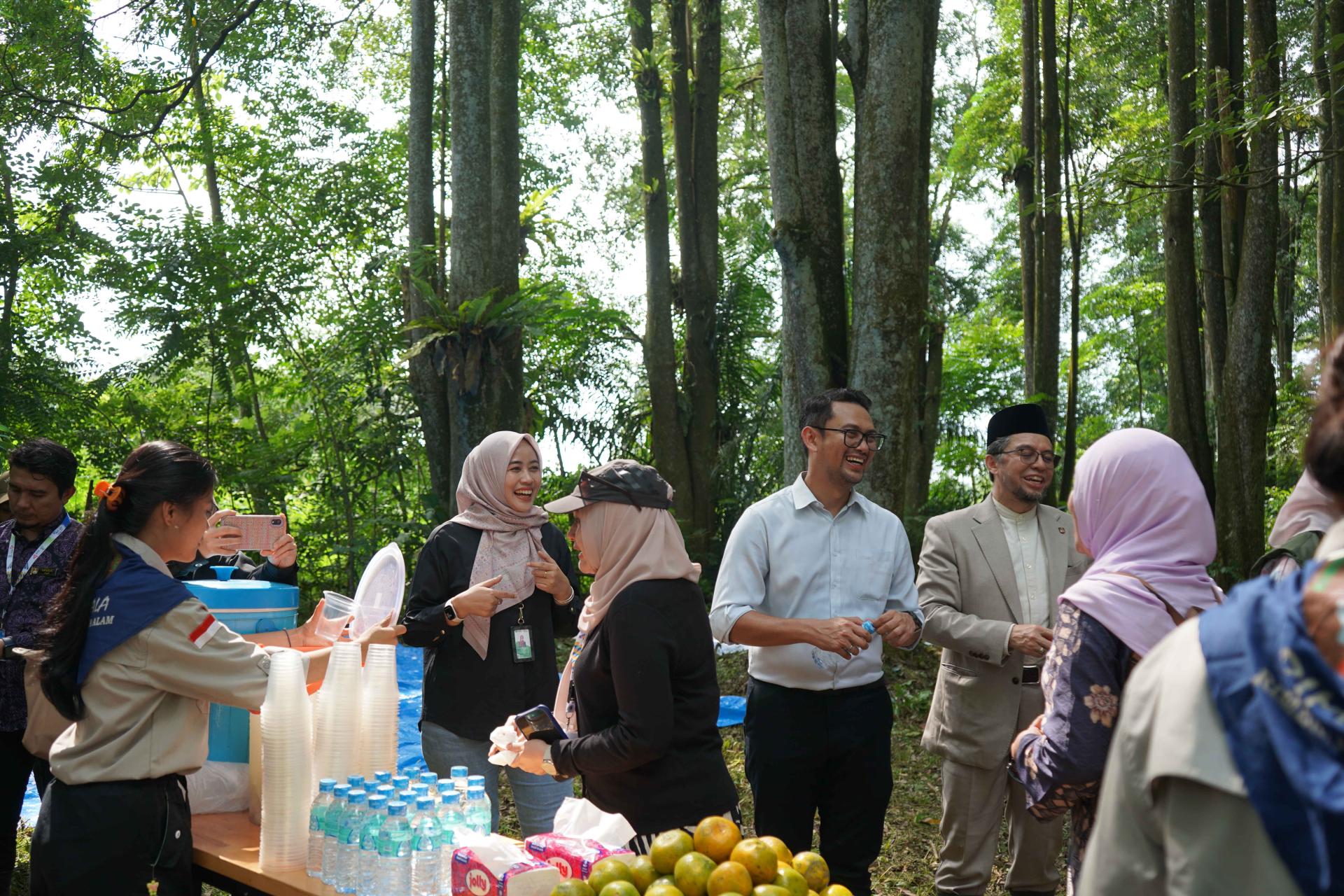
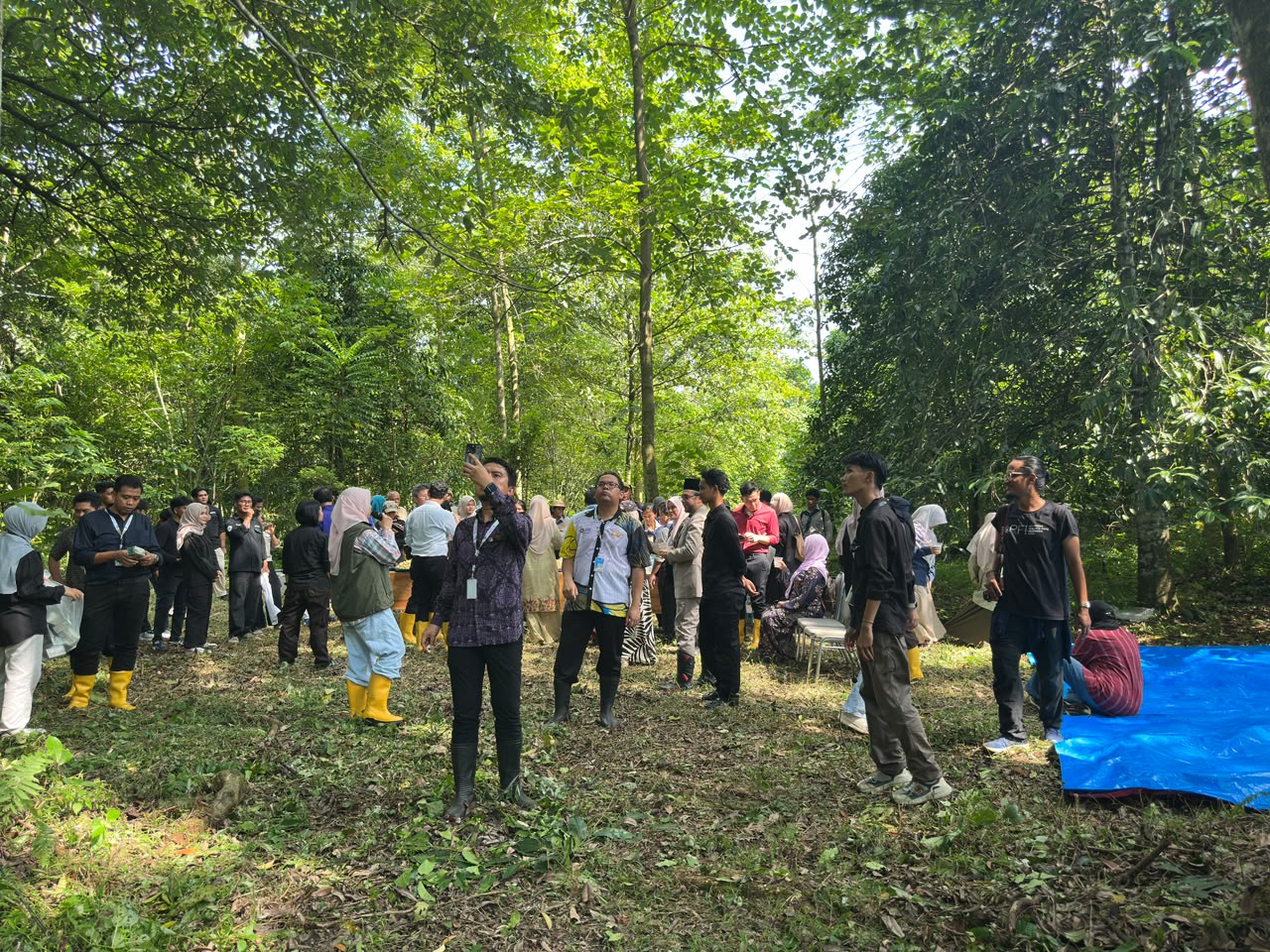
The warm atmosphere continued as the guests enjoyed fresh fruit and young coconut ice drinks amid the shade of the arboretum's trees. Experiencing fresh local produce directly in the lush secondary forest left a deep impression on all participants and became one of the most memorable moments of the visit.
Through this visit, the Faculty of Forestry USU not only introduced the potential of the USU Arboretum as an area for conservation, education, and research, but also demonstrated its commitment to strengthening international networks through cross-border academic collaboration. The synergy established through IMT-GT UNINET is expected to generate various strategic programs that provide tangible benefits for the development of knowledge, innovation, and sustainable development in the regional area.
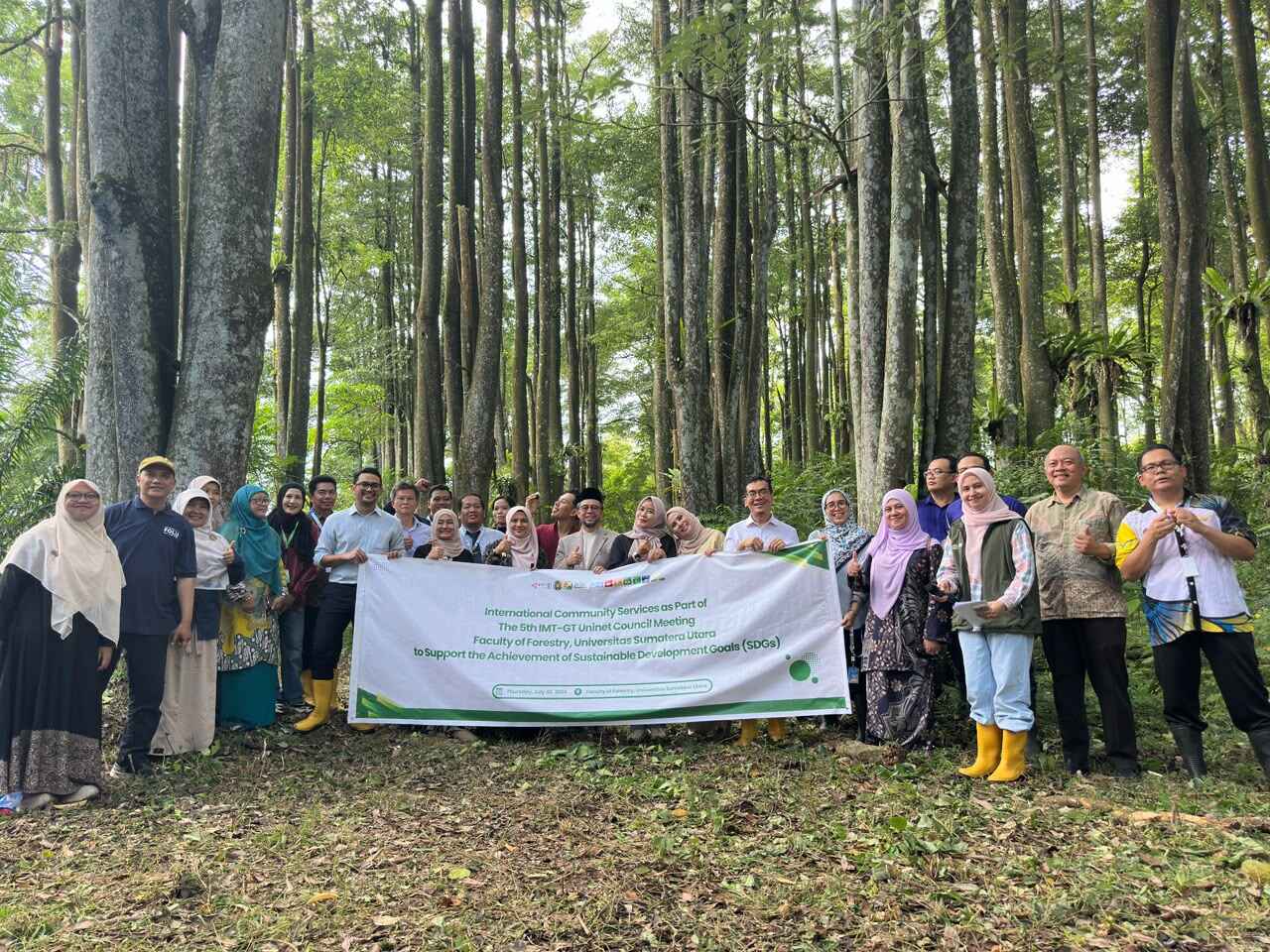
This activity also supports the achievement of the Sustainable Development Goals (SDGs), particularly SDG 4 (Quality Education) through strengthening higher education cooperation, SDG 15 (Life on Land) through ecosystem conservation and restoration efforts, and SDG 17 (Partnerships for the Goals) through international collaboration in education, research, innovation, and community service.
Coverage of this activity in other media can be accessed through the following link:
https://www.posmetromedan.id/medan/12580/deligasi-imt-gt-uninet-forest-healing-di-arboretum-usu/1/
https://www.instagram.com/p/DbczvZqD0ar/?utm_source=ig_web_copy_link&igsh=MzRlODBiNWFlZA==
https://www.instagram.com/p/DbpjX50DbzT/?utm_source=ig_web_copy_link&igsh=MzRlODBiNWFlZA==