


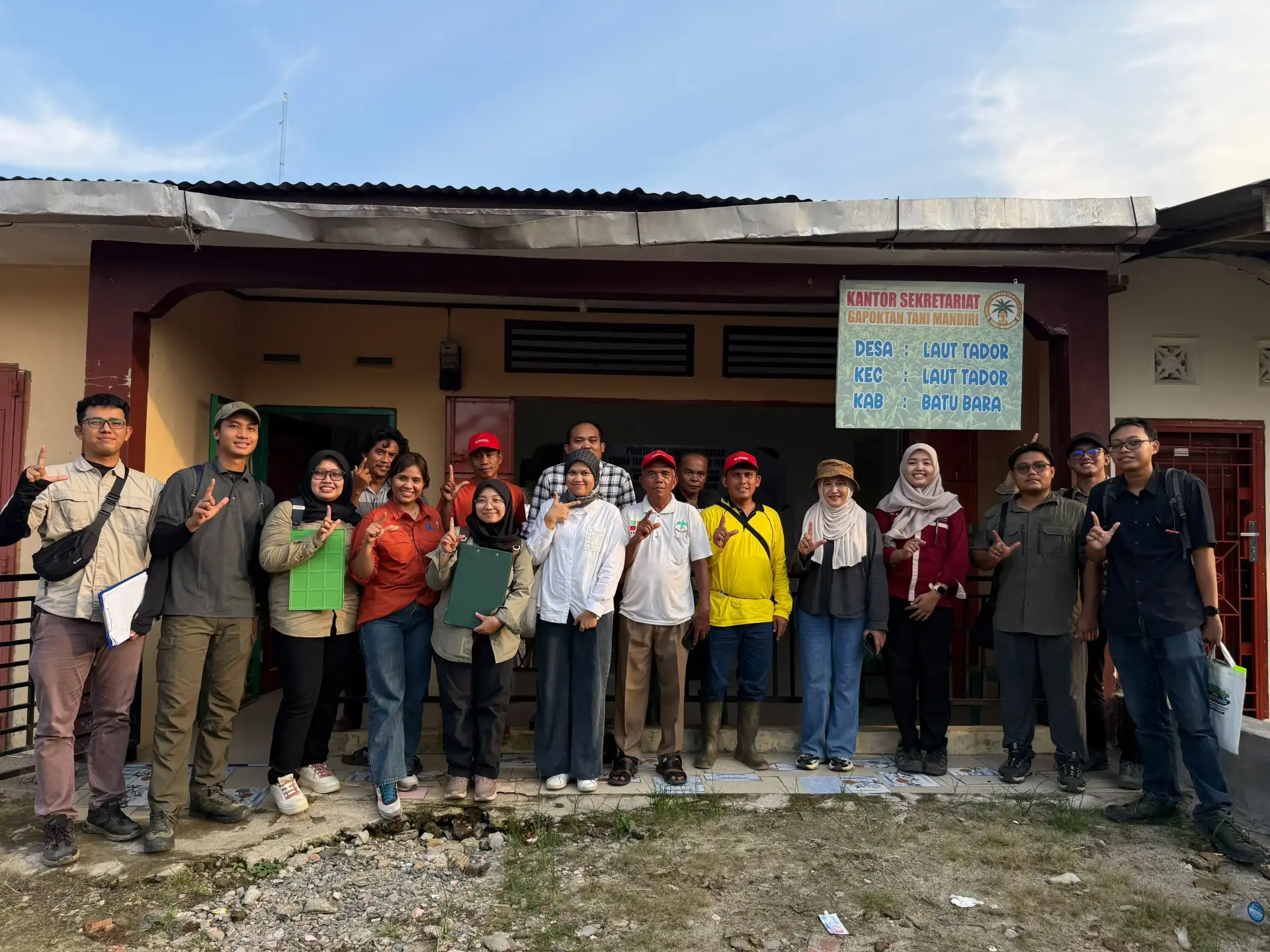
Dr. Anita Zaitunah, S.Hut., M.Sc., a lecturer at the Faculty of Forestry, Universitas Sumatera Utara, conducted a biodiversity survey in Laut Tador Village and Tanjung Prapat Village, Batu Bara Regency, on October 5–6, 2026. This activity was part of the Impact Assessment Program of the National Initiatives for Sustainable & Climate Smart Oil Palm Smallholders (NISCOPS), aimed at supporting the collection of biodiversity data as a basis for evaluating the program's impact.
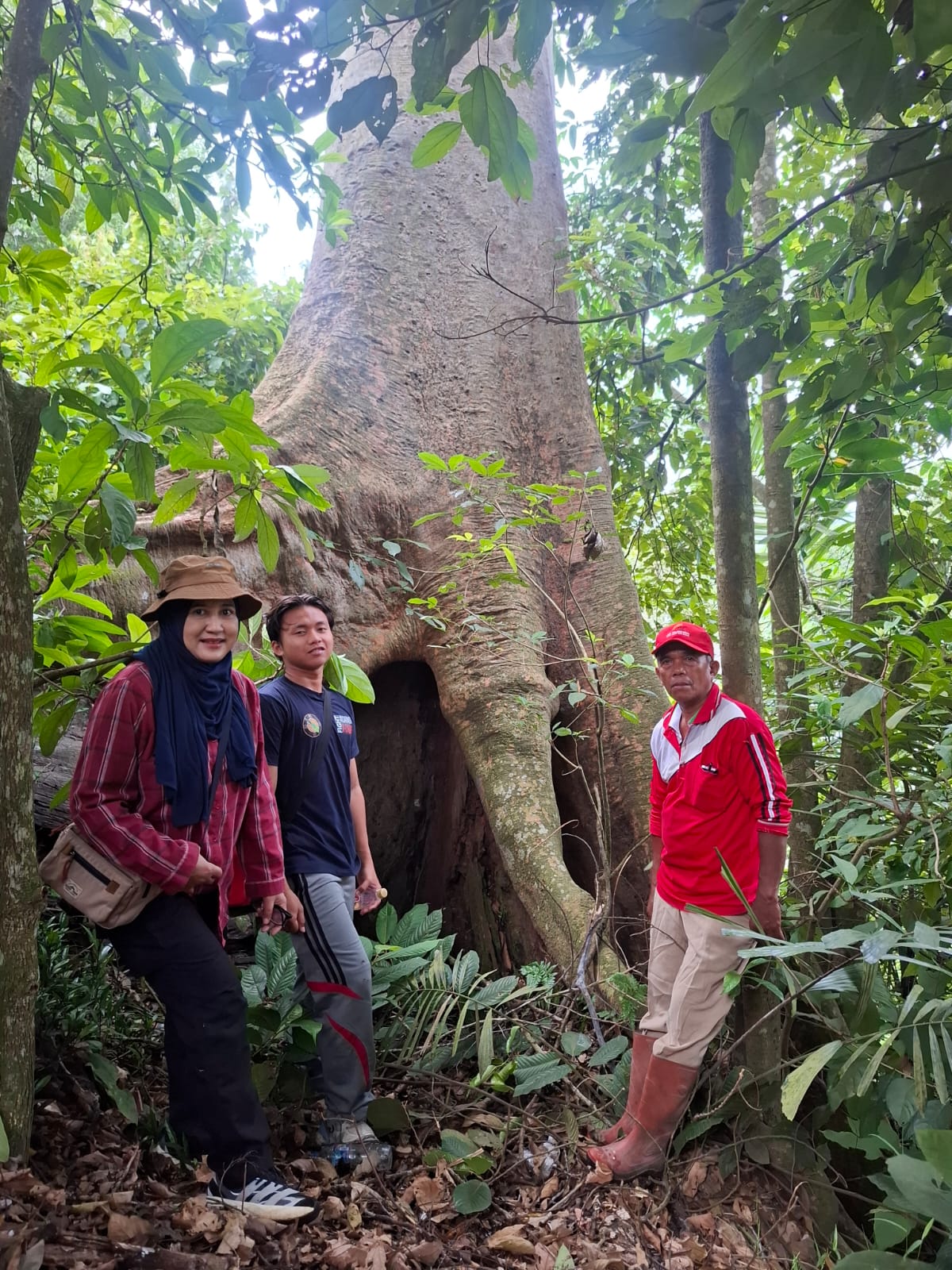
In this activity, Dr. Anita Zaitunah served as a member of the implementation team responsible for developing a standard methodology to measure the impact of the NISCOPS Program. The survey involved exploring village areas, identifying biodiversity, and examining the potential biodiversity found within the study areas.
The survey was conducted with the assistance of local stakeholders and Master's students in Forestry at USU. This collaboration played an important role in supporting the collection of relevant field data and strengthening the involvement of various parties in research activities and program impact assessment.
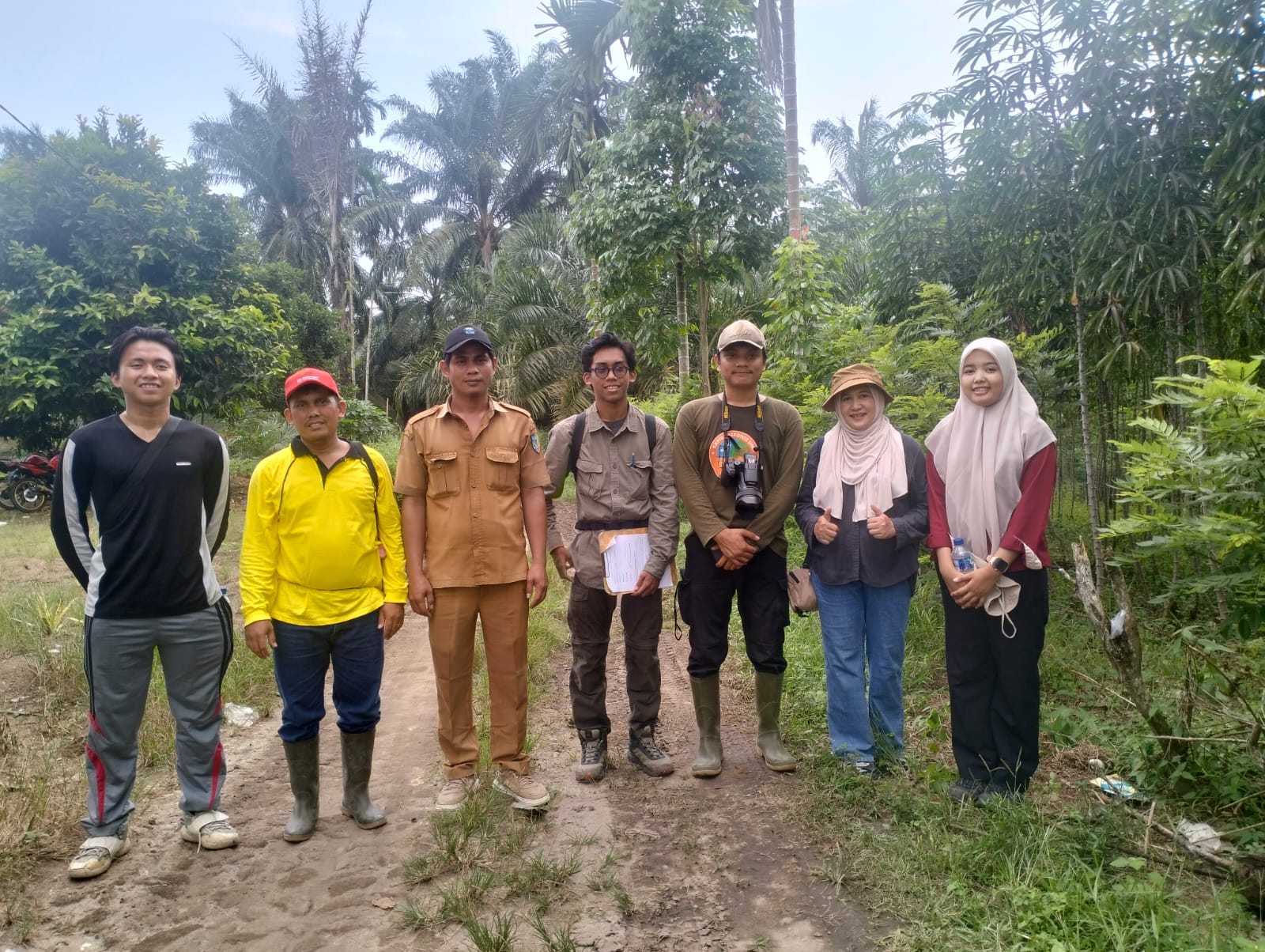
The biodiversity data collected are expected to serve as a source of information for developing a methodology to measure the impact of NISCOPS. The availability of adequate data is an important step toward understanding biodiversity conditions in the study areas while supporting the development of recommendations based on scientific evidence.
For the Faculty of Forestry USU, the involvement of lecturers and students in this activity also reflects the contribution of higher education institutions in bridging scientific knowledge with on-the-ground environmental management needs. Through field surveys, academic capacity development goes hand in hand with efforts to support biodiversity conservation and strengthen more sustainable oil palm plantation practices.
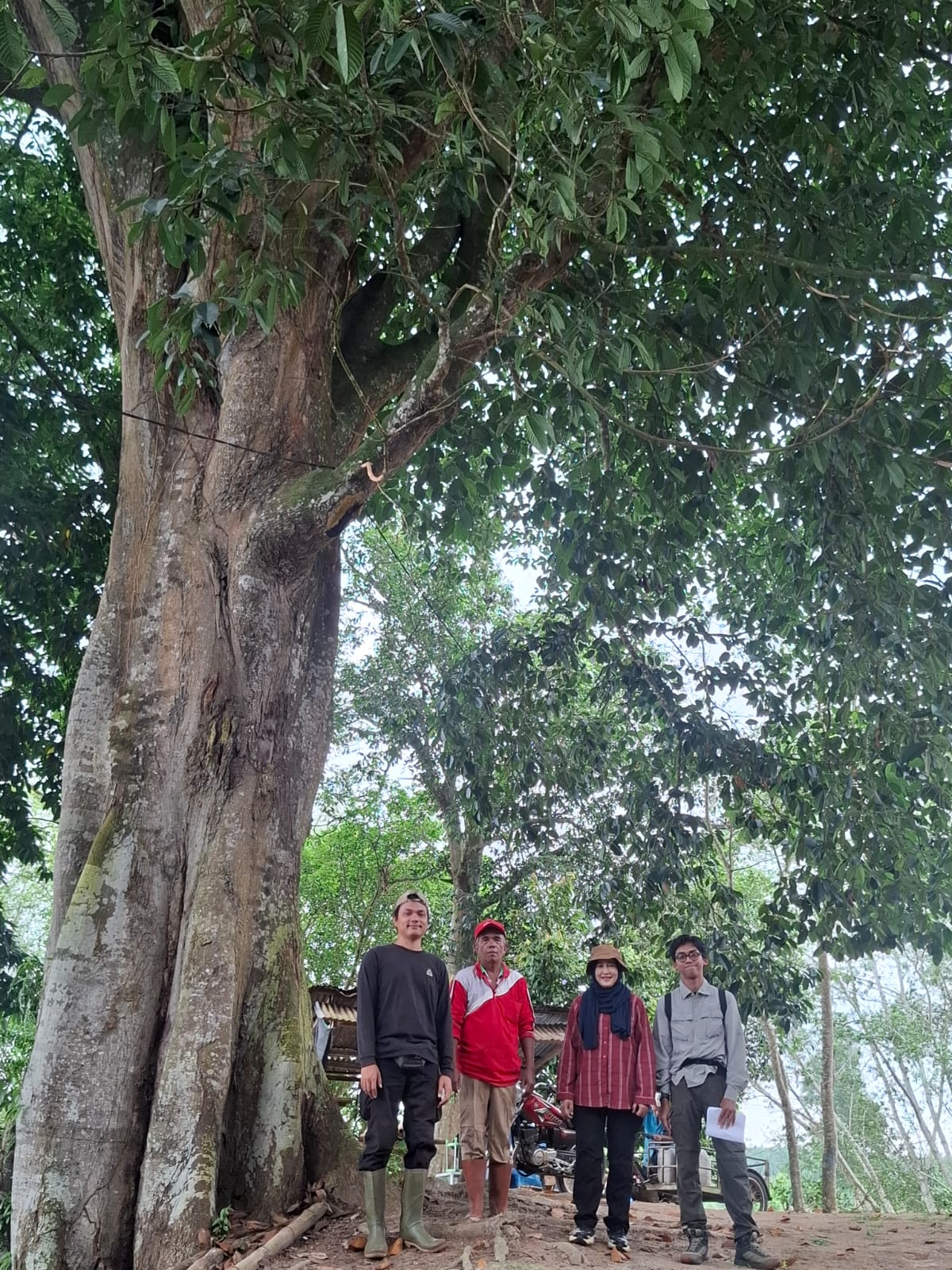
This activity aligns with the Sustainable Development Goals (SDGs), particularly SDG 15: Life on Land, through support for biodiversity protection and conservation, and SDG 17: Partnerships for the Goals, through collaboration among academics, students, and local stakeholders to support research and sustainable environmental management.