


.webp)
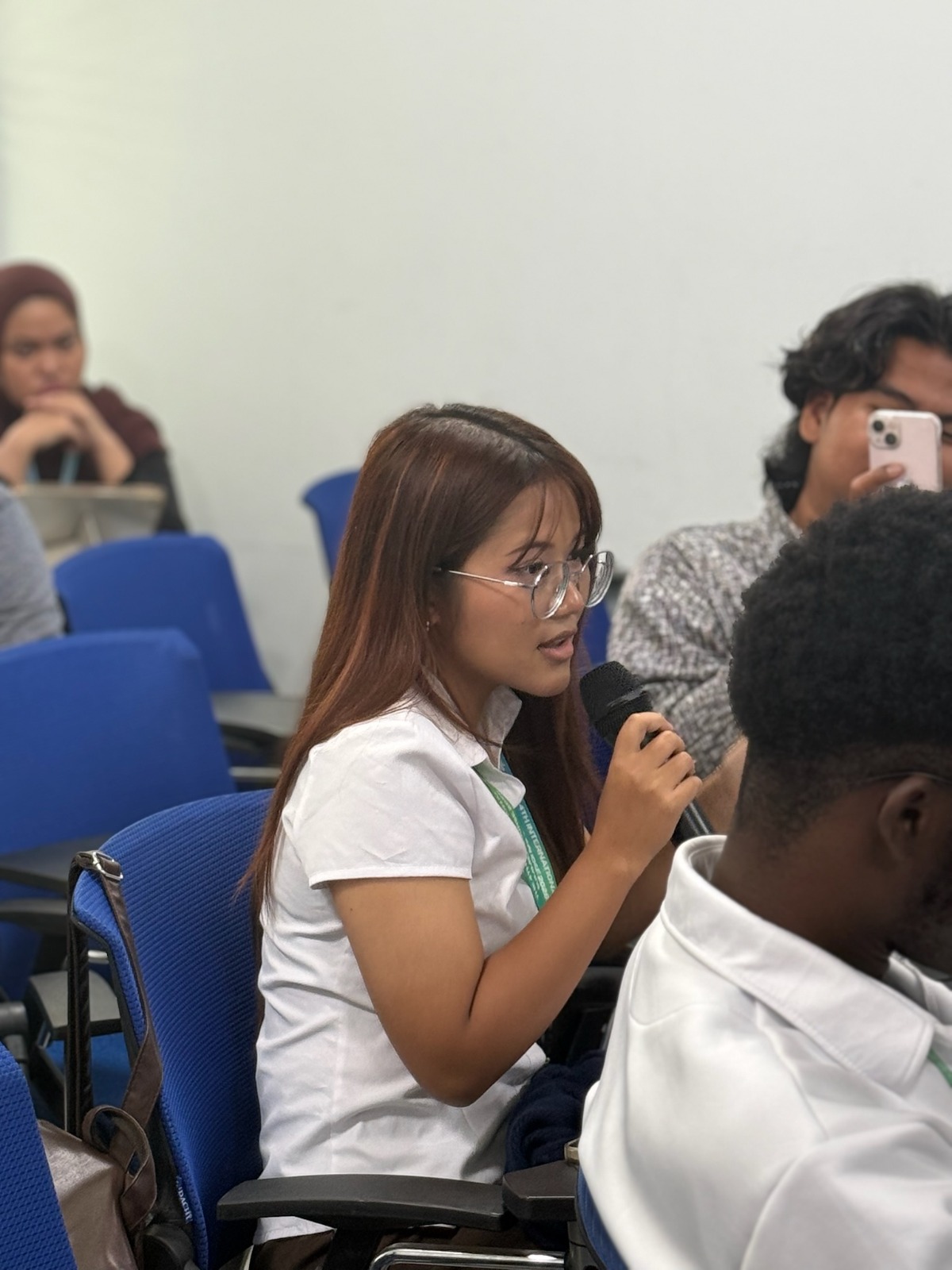
The Faculty of Forestry, Universitas Sumatera Utara (USU), provided a space for cross-university and cross-country learning and knowledge exchange through an Inbound Lecture held on Monday, September 28, 2026. The activity, held at the Faculty of Forestry USU, drew students from various academic backgrounds, both domestic and international.
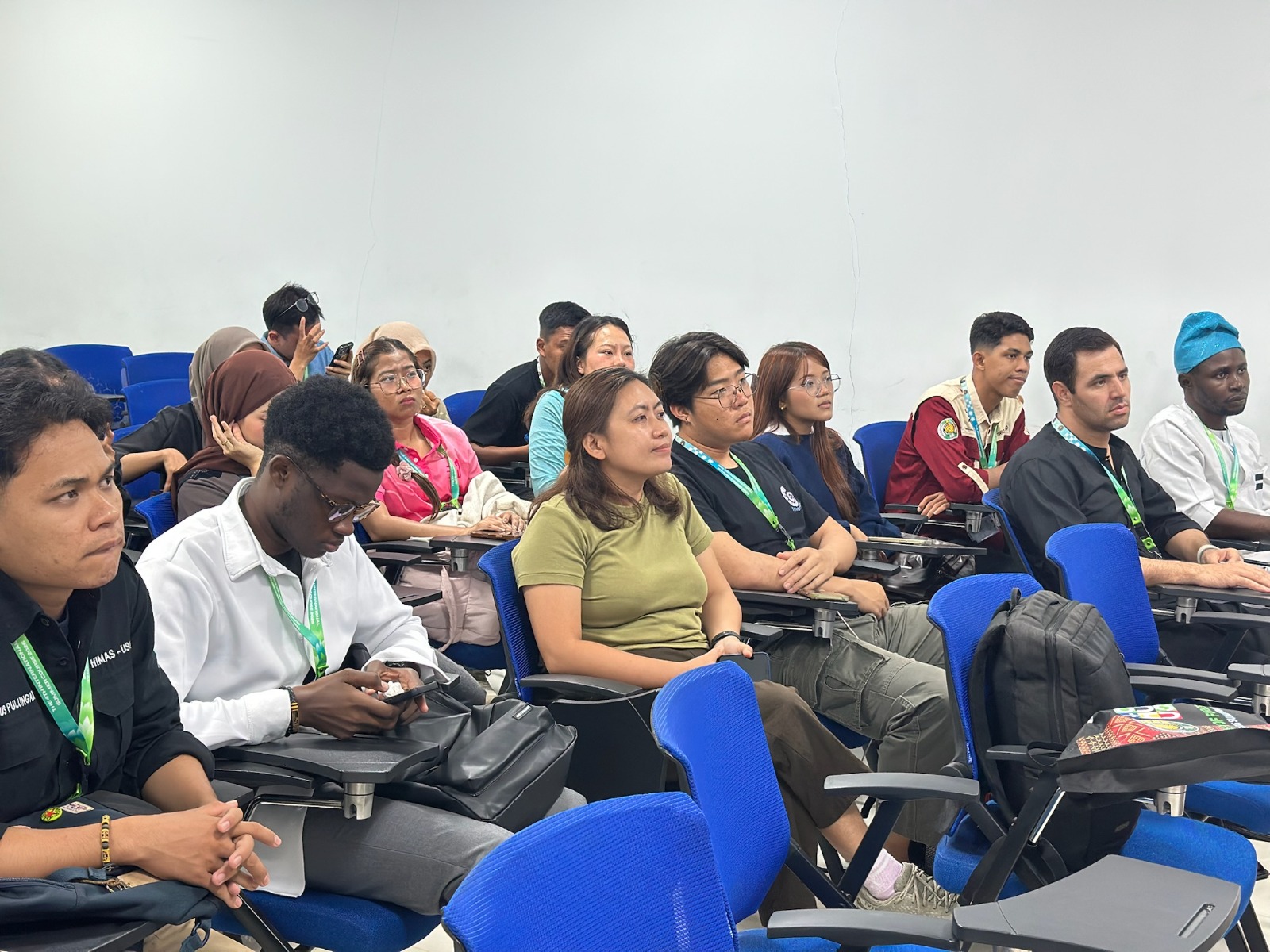
Participants in the activity came from the Faculty of Forestry USU, Faculty of Agriculture USU, Universitas Muhammadiyah Sumatera Utara (UMSU), as well as international students of USU from Nigeria. The activity was also attended by students from the Philippines, Thailand, and Pakistan, creating a space for academic interaction that brought together diverse perspectives and experiences.
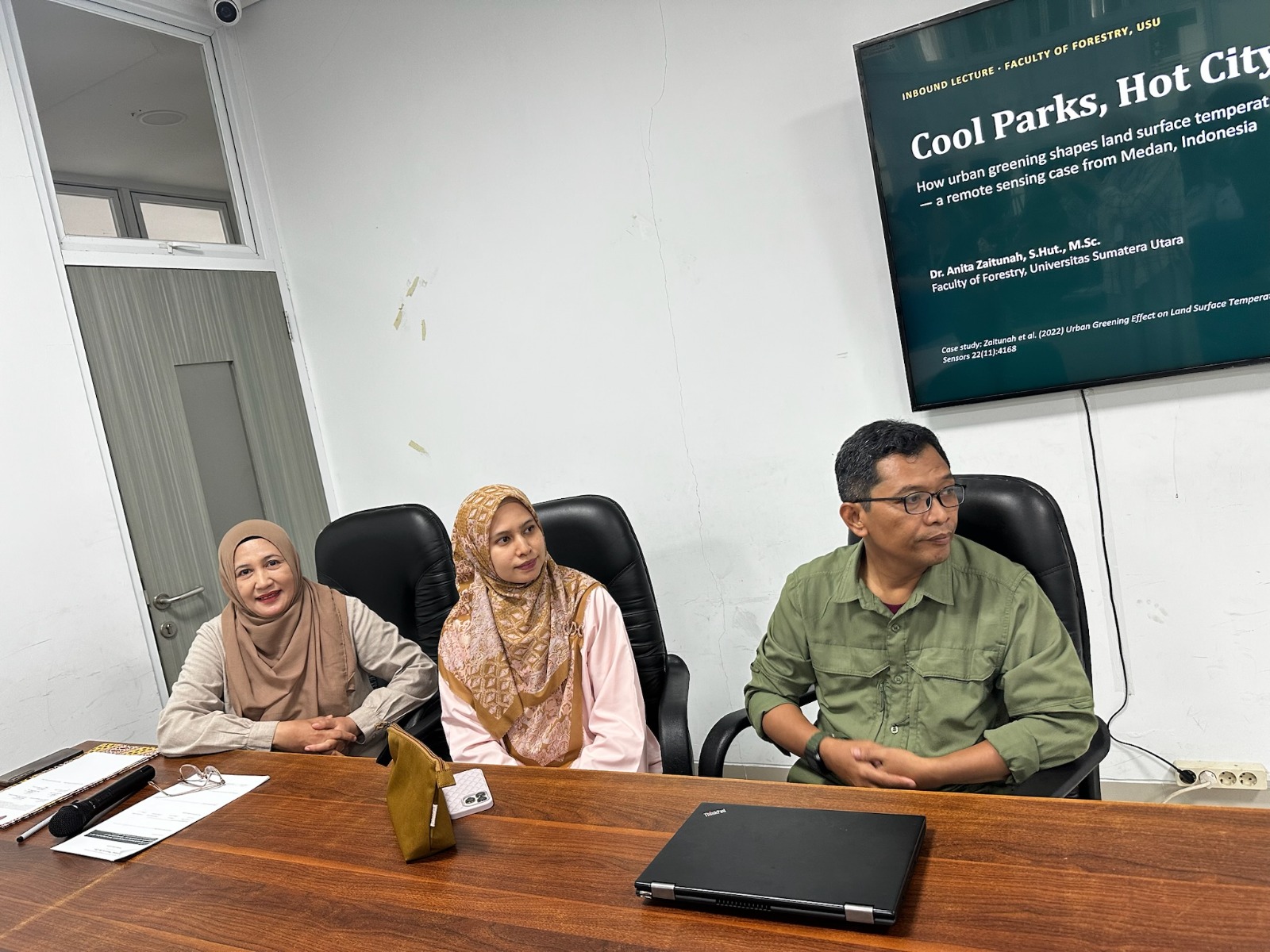
Three lecturers from the Faculty of Forestry USU, namely Dr. Anita Zaitunah, S.Hut., M.Sc., Dr. Bejo Slamet, S.Hut., M.Si., and Mariah Ulfa, S.Hut., M.Sc., also attended the activity and shared knowledge and academic perspectives according to their respective fields of expertise.
Dr. Anita Zaitunah delivered one session, discussing the role and importance of green open spaces, trees, and green environments in urban areas. In her presentation, Dr. Anita explained that the presence of trees in urban areas has important ecological functions, not only as elements of greenery but also in supporting people's quality of life.
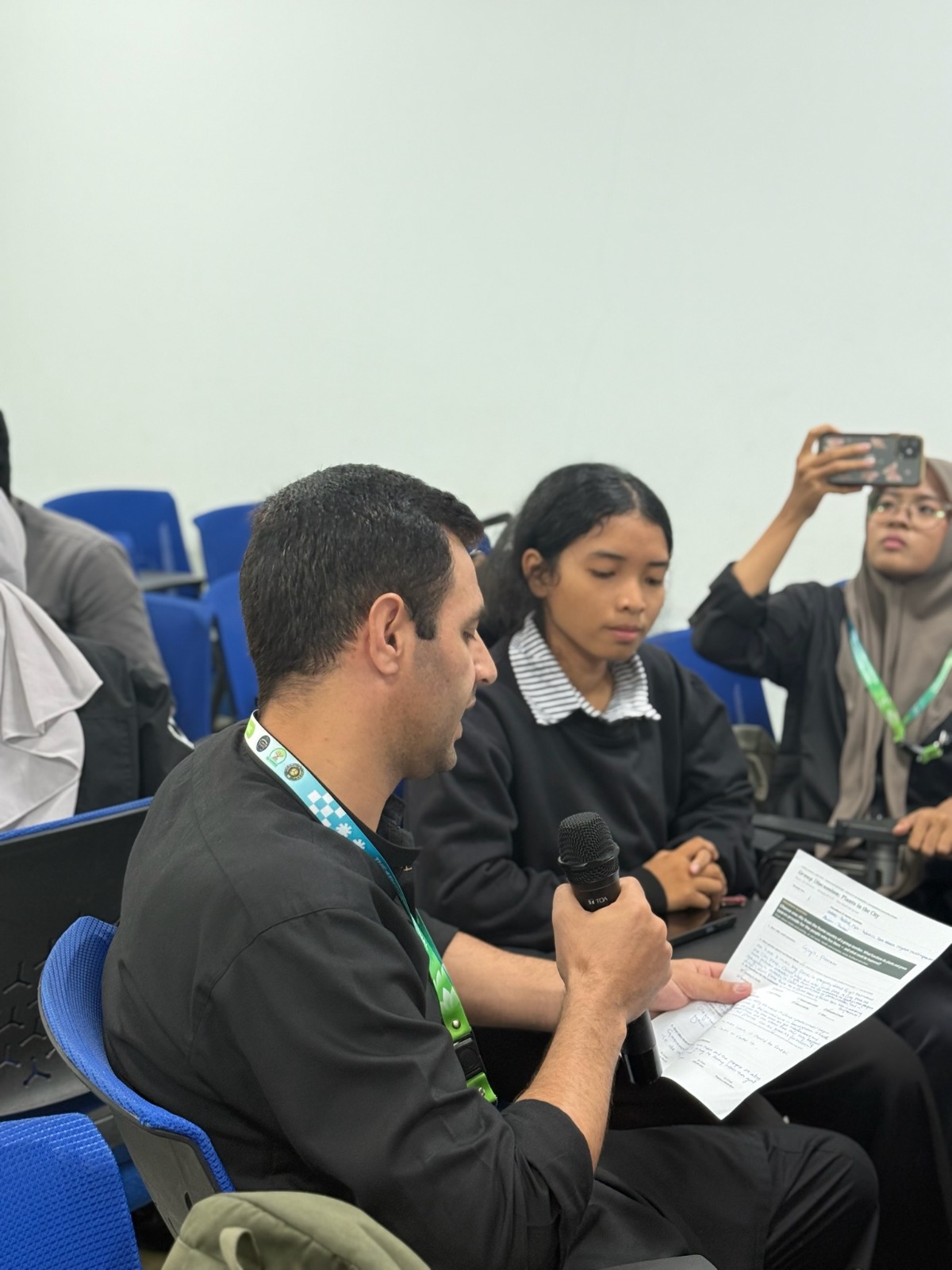
Trees can help reduce sound and noise, provide fresher air, filter air pollutants, and provide habitats for various species of urban wildlife. Therefore, the presence of green open spaces is an important part of creating healthier, more comfortable, and more sustainable urban areas.
The discussion also covered the use of Geographic Information System (GIS) and remote sensing in urban forest management. These technologies can be utilized to map and monitor vegetation conditions and analyze green open spaces as a basis for supporting more effective and data-driven urban planning and management.
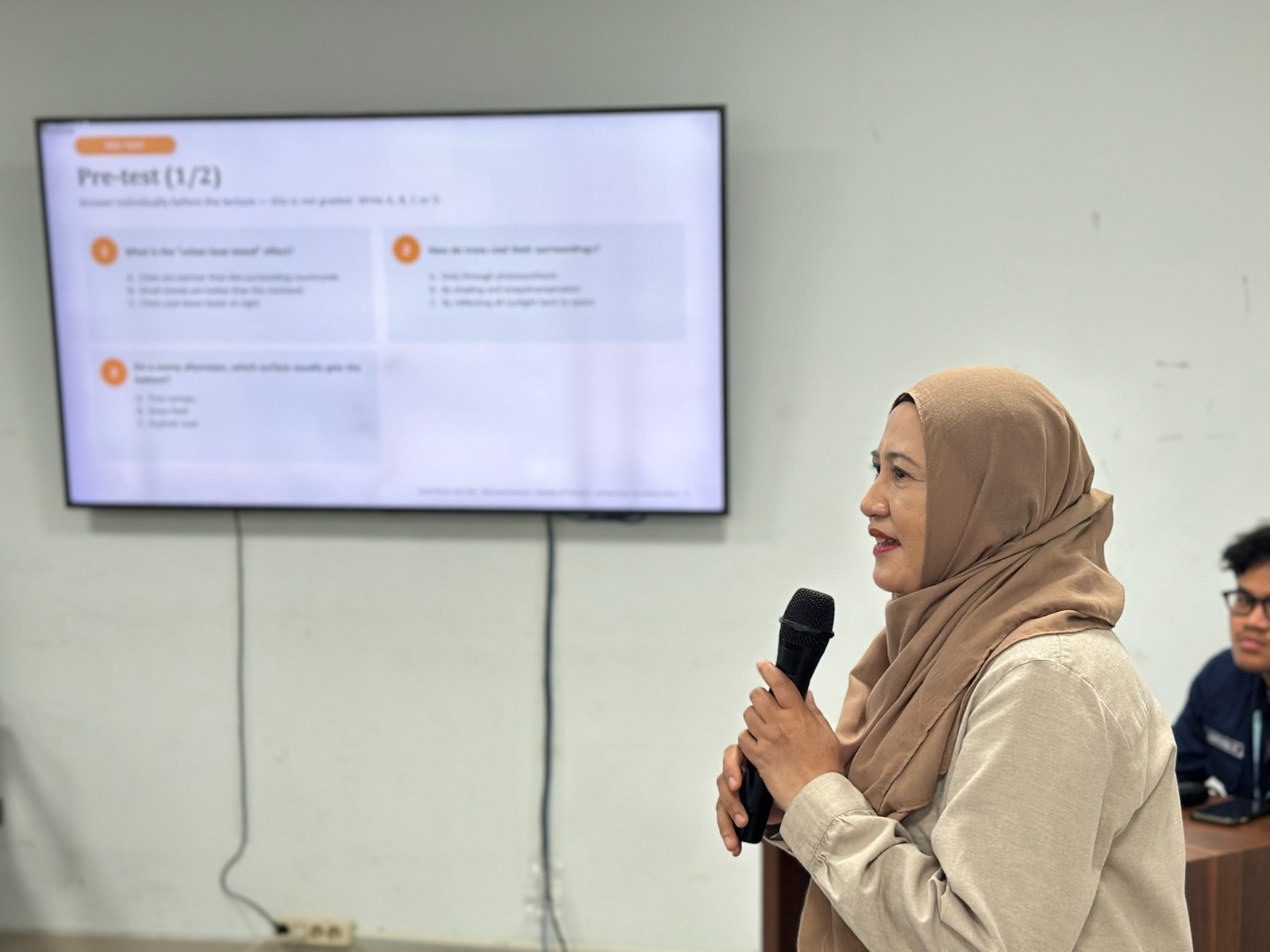
Meanwhile, Dr. Bejo Slamet and Mariah Ulfa also enriched the activity through presentations according to their respective fields of expertise. The participation of the three lecturers as speakers provided participants with an opportunity to gain broader insights into forestry and environmental management from academic and research perspectives.
The participants showed enthusiasm throughout the activity. Students from various higher education institutions and countries followed the presentations and discussions attentively. The diversity of participants also created a dynamic space for exchanging ideas, allowing students not only to learn from the speakers but also to learn about the perspectives and academic experiences of other participants.
From the Academic Space to Forest Healing
After participating in the inbound lecture session, the series of activities continued with forest healing at the USU Arboretum, located not far from the USU Forestry Campus area. This activity provided a different learning experience by bringing participants closer to the forest environment.
Upon arriving at the arboretum, participants enjoyed the lush, cool, and peaceful forest atmosphere. The trees covering the area created a natural space that allowed participants to take a short break from academic activities while directly experiencing the benefits of a green environment.
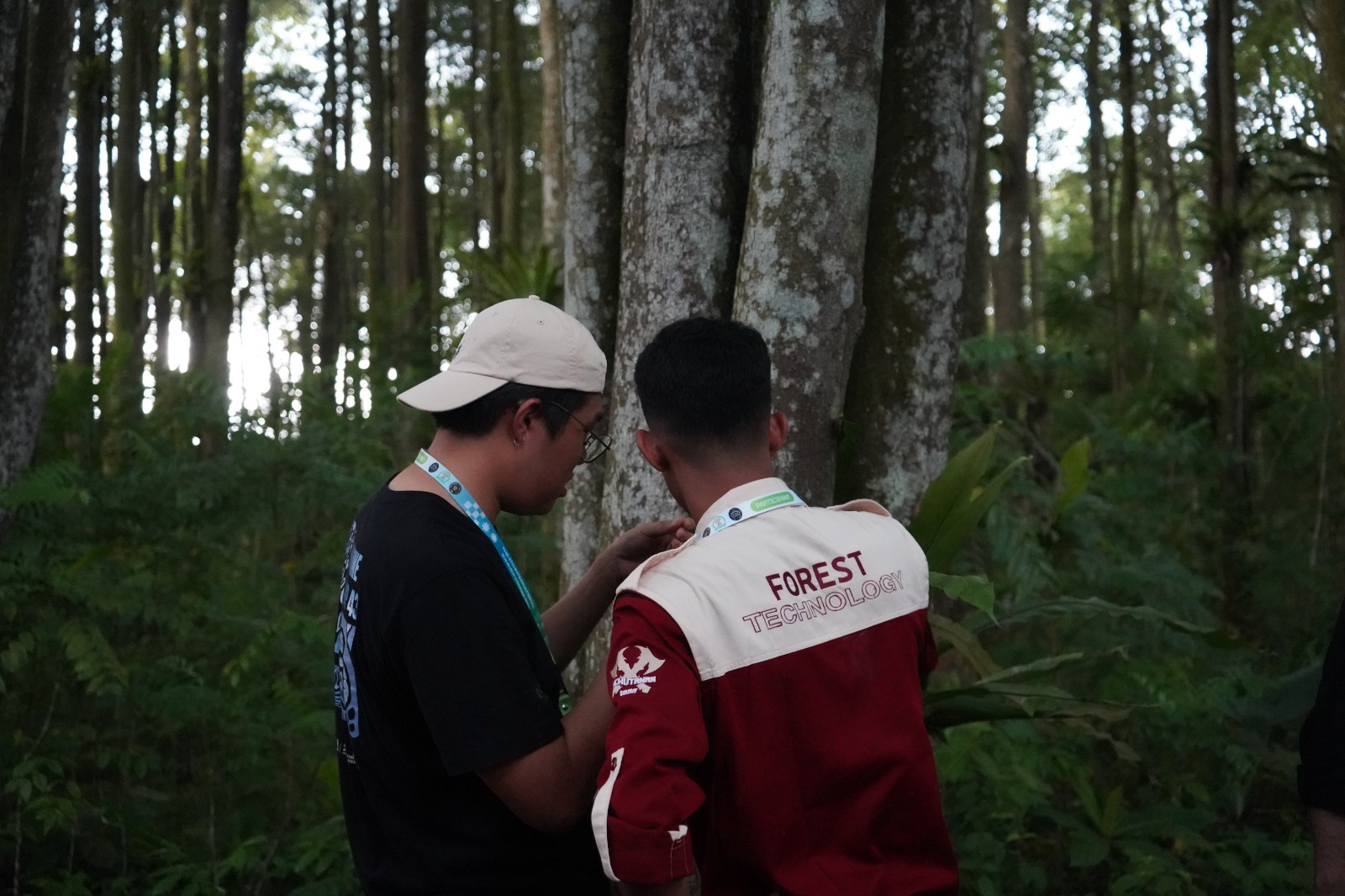
One activity that attracted the participants' attention was tree hugging. This activity was part of the forest healing experience, inviting participants to build closeness and a connection with nature through simple interaction with trees.
For the participants, this experience complemented the learning gained in the classroom. While the inbound lecture provided an opportunity to understand forests from a scientific perspective, forest healing provided an opportunity to directly experience the tranquility and benefits of the forest environment.
Through this series of activities, the Faculty of Forestry USU demonstrated its commitment to providing learning that is oriented not only toward knowledge transfer but also toward experience, interaction, and environmental awareness. The gathering of students from various higher education institutions and countries also served as an opportunity to expand academic networks and strengthen the spirit of cross-cultural collaboration.
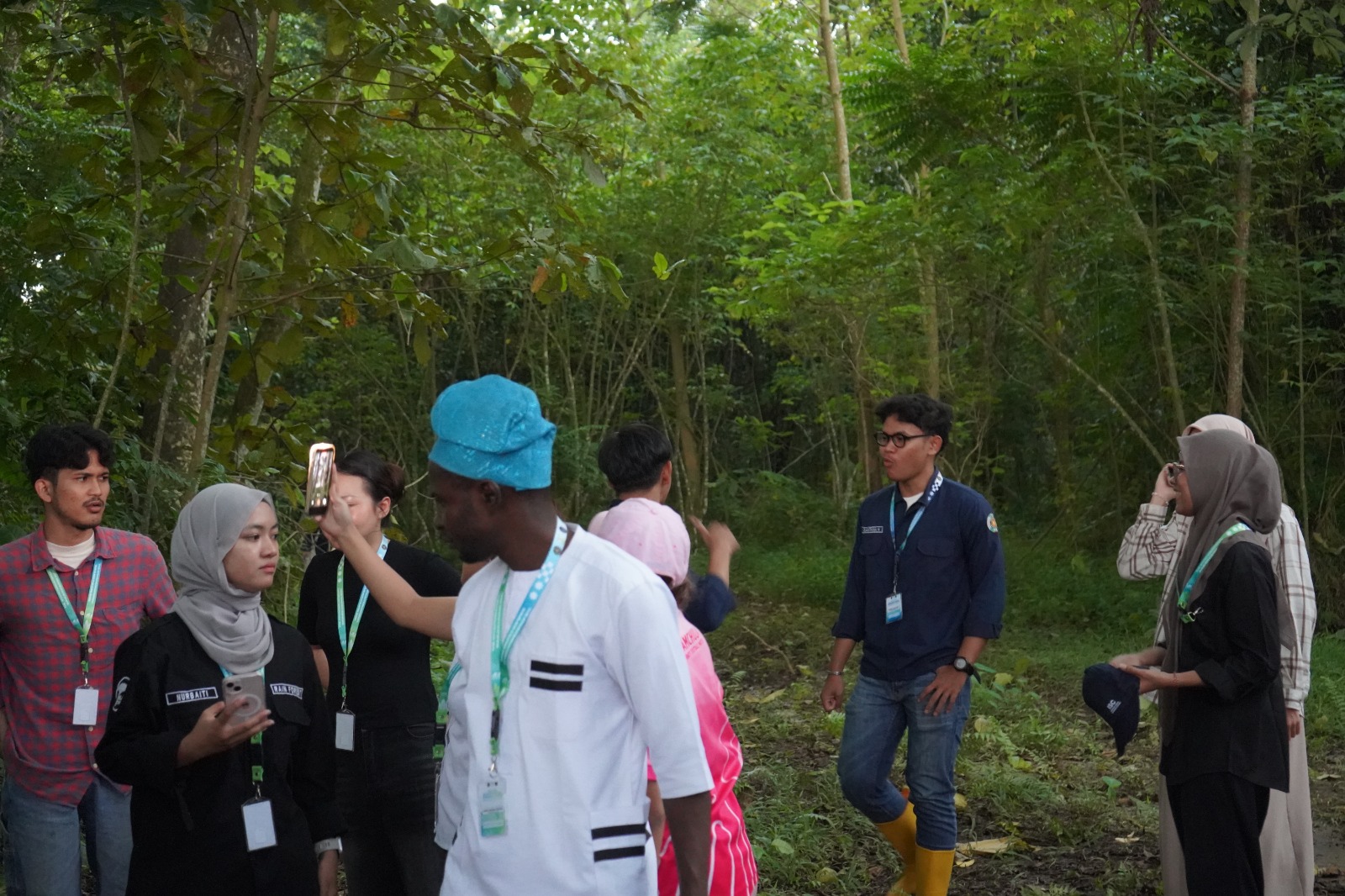
The inbound lecture and forest healing activities are in line with the Sustainable Development Goals (SDGs), particularly SDG 4: Quality Education through strengthening learning and knowledge exchange across higher education institutions and countries. The activities also support SDG 15: Life on Land through increasing awareness of the importance of forest ecosystems and trees, as well as SDG 13: Climate Action through introducing the role of vegetation and green spaces in supporting a sustainable environment.