


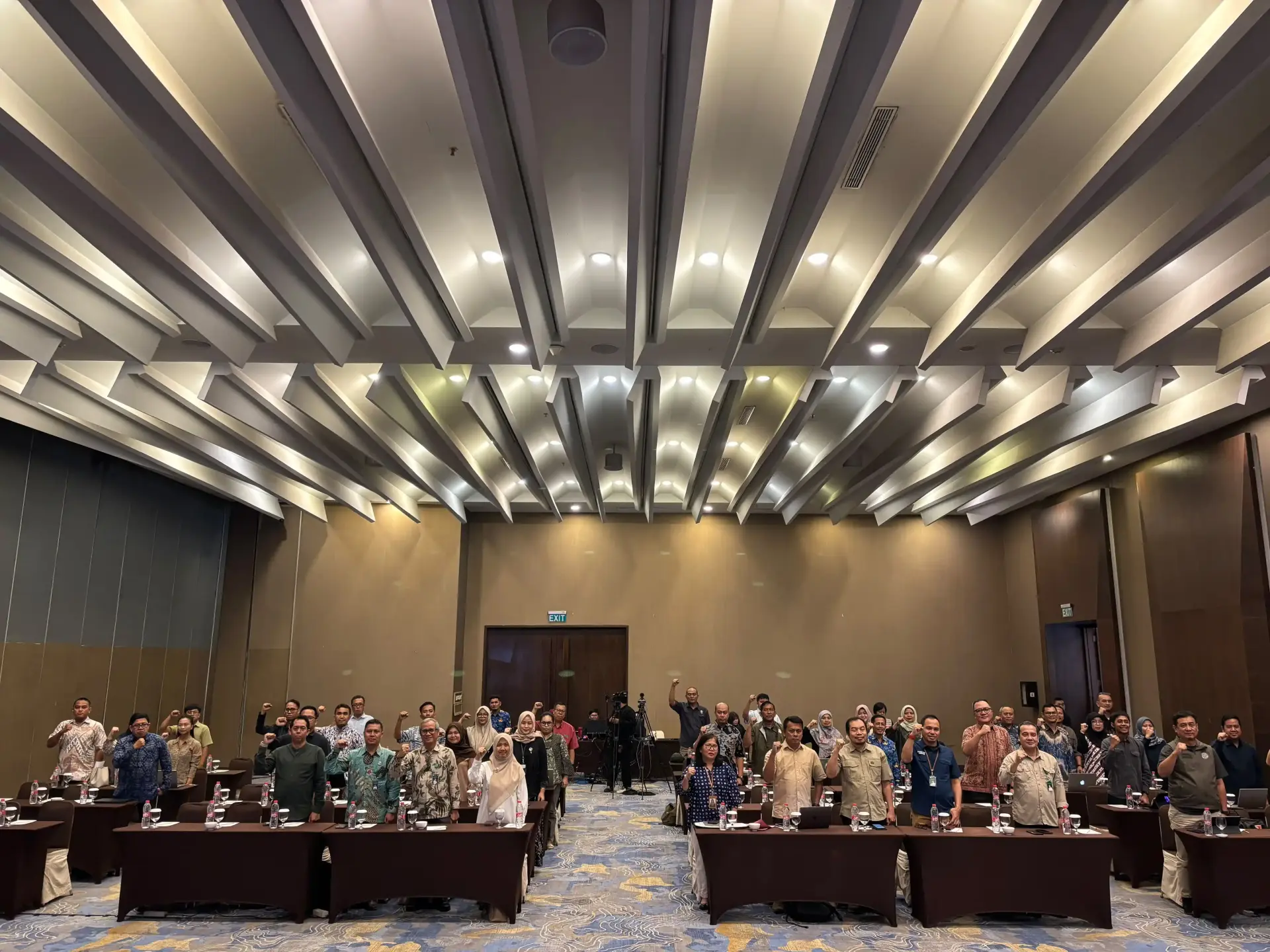
The Dean of the Faculty of Forestry, Universitas Sumatera Utara (USU), Prof. Dr. Arida Susilowati, S.Hut., M.Si., attended as an invited participant and respondent at the Public Consultation on the Draft Government Regulation (RPP) concerning the Implementing Regulations of the Law on the Conservation of Biological Natural Resources and Their Ecosystems (KSDAHE), on Thursday (October 1, 2026), at Hotel Santika Dyandra Medan. The activity, conducted in a hybrid format through an in-person meeting and Zoom, provided a forum for stakeholders to share their views and input to improve regulations governing conservation in Indonesia.
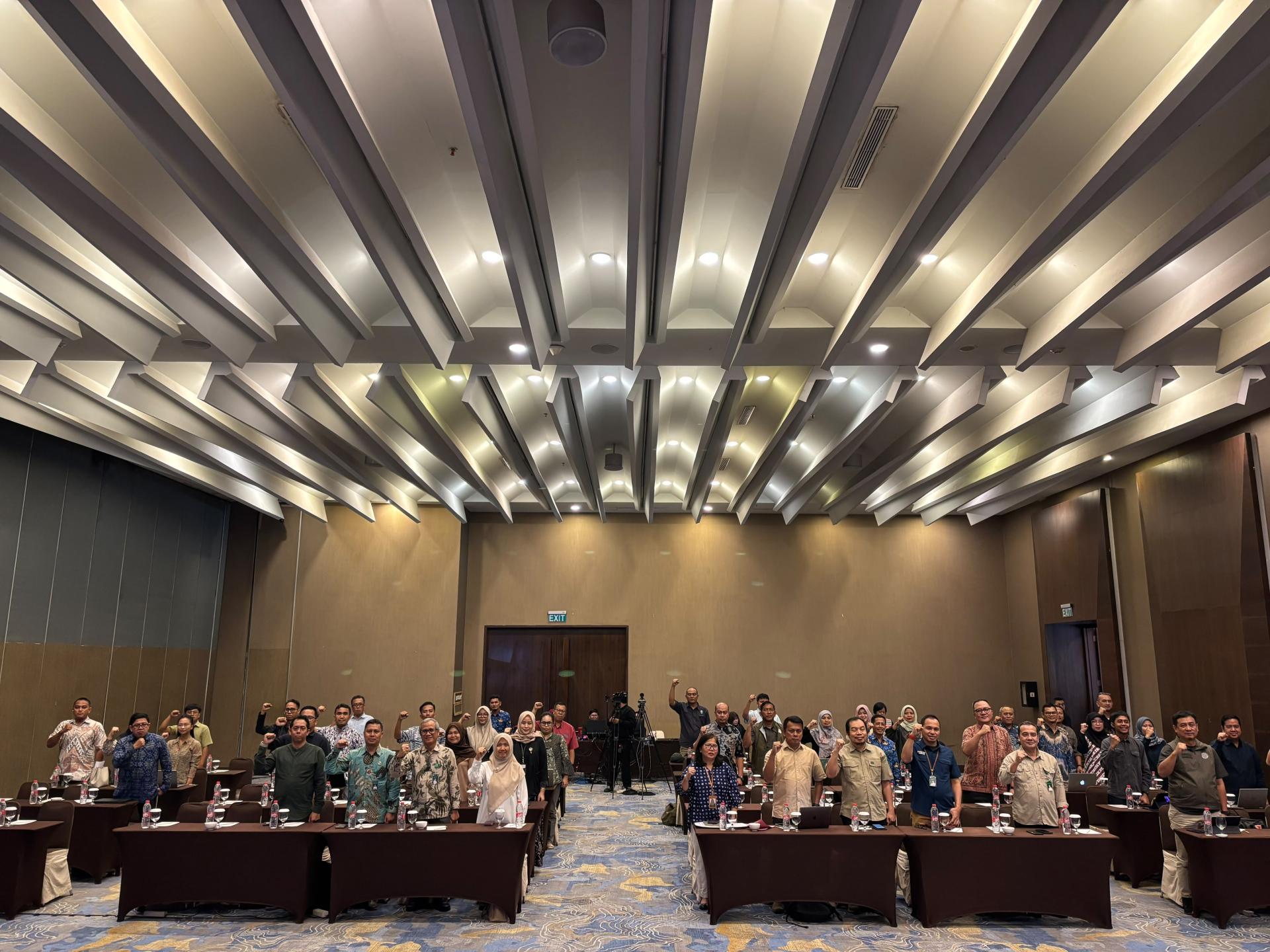
The public consultation followed the enactment of Law Number 32 of 2024 concerning Amendments to Law Number 5 of 1990 on the Conservation of Biological Natural Resources and Their Ecosystems. The forum brought together academics, non-governmental organizations (NGOs), and local government representatives to discuss the substance of the draft regulation to ensure that it aligns with conservation needs and the dynamics of natural resource management in the field.
The activity began with the singing of the national anthem, Indonesia Raya, and the Rimbawan March, followed by a prayer, opening remarks, and responses from participants. Various perspectives were presented, including those of the academic community, represented by Prof. Arida Susilowati; North Sumatra NGO figures Panut Hadisiswoyo and Erwin, S.Hut.; and representatives of the North Sumatra Provincial Environmental and Forestry Agency (DLHK).
On this occasion, Prof. Arida presented academic input compiled from 70 notes identifying substantive issues that required attention during the harmonization of the draft regulation. These inputs covered several important aspects, including the regulation of preservation areas, genetic resources (SDG) and traditional knowledge, supervision, accountability, editorial and technical matters, community participation and empowerment, conservation funding, and the division of authority between the central and regional governments.
The input was presented explicitly and systematically to help clarify regulatory provisions, strengthen policy implementation, and ensure that the draft regulation could address conservation needs more comprehensively. These observations also formed part of efforts to promote regulations that are not only legally robust but also implementable in consideration of ecological conditions and the social circumstances of local communities.
One of Prof. Arida's main concerns was the importance of preserving biodiversity while recognizing communities as an essential part of conservation efforts. She highlighted the need to pay attention to Indigenous communities, including the recognition and protection of their rights in natural resource and ecosystem management. From this perspective, successful conservation depends not only on protecting areas and species but also on community involvement and respect for traditional knowledge that has developed and been passed down through generations.
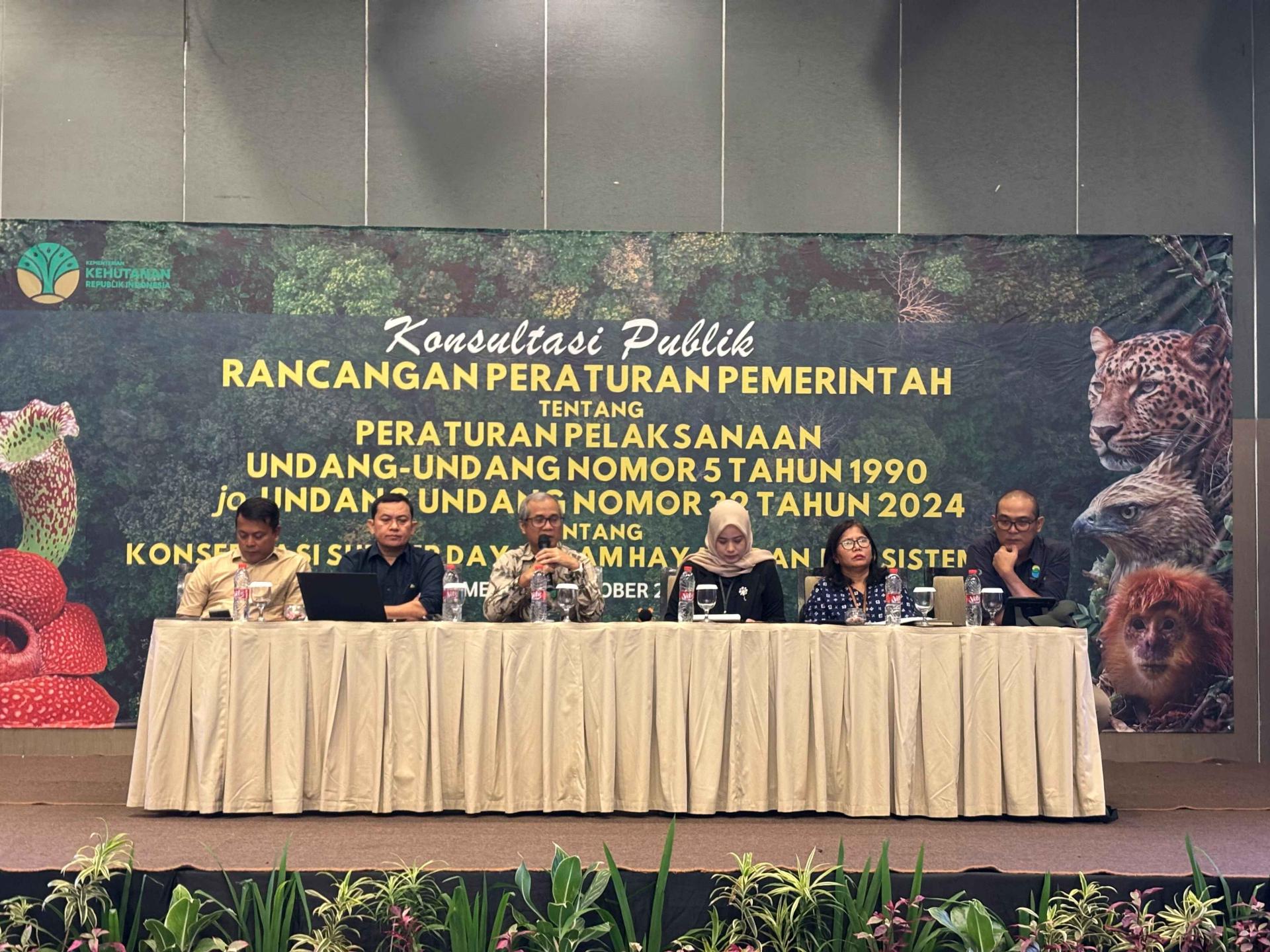
Input from academics, NGOs, and local governments enriched the discussions during the public consultation. This exchange of perspectives is expected to help align the substance of the draft regulation with the challenges of implementing conservation at both national and regional levels, while strengthening synergy among stakeholders in safeguarding the sustainability of biological natural resources and their ecosystems.
The participation of the Dean of the Faculty of Forestry USU in this forum reaffirmed the role of higher education institutions as strategic partners in developing science-based policies. Through academic contributions and forestry perspectives, the Faculty of Forestry USU supported the formulation of regulations that consider the balance between biodiversity protection, ecosystem sustainability, accountable governance, and the fulfillment of community rights.
This activity aligns with the Sustainable Development Goals (SDGs), particularly SDG 15 – Life on Land, through strengthening efforts to protect biodiversity and ecosystems, and SDG 16 – Peace, Justice and Strong Institutions, through promoting accountable and participatory regulatory governance. Furthermore, the involvement of academics, government representatives, and civil society organizations reflects a contribution to SDG 17 – Partnerships for the Goals by building collaboration to support the sustainable conservation of biological natural resources and their ecosystems.