


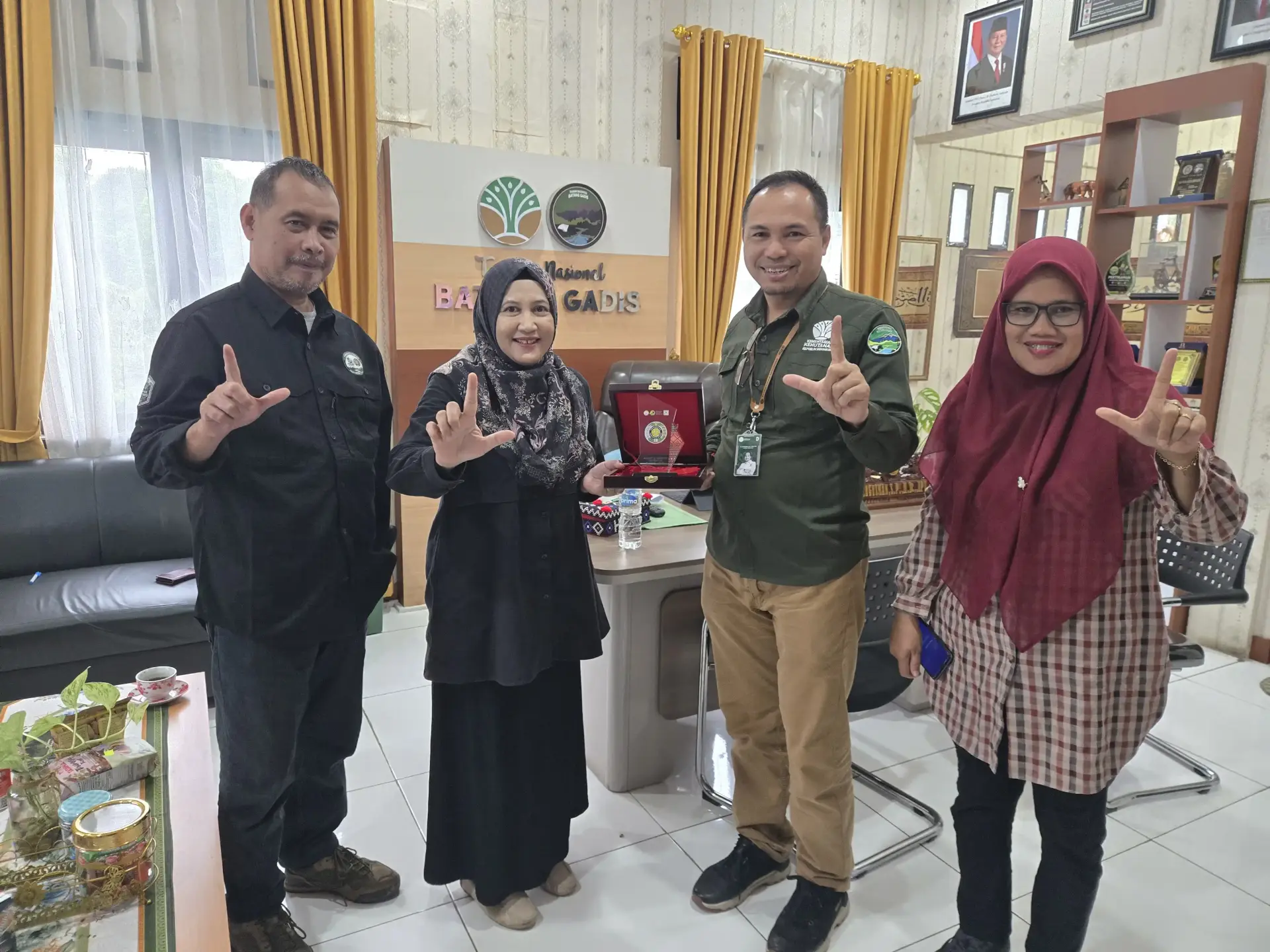
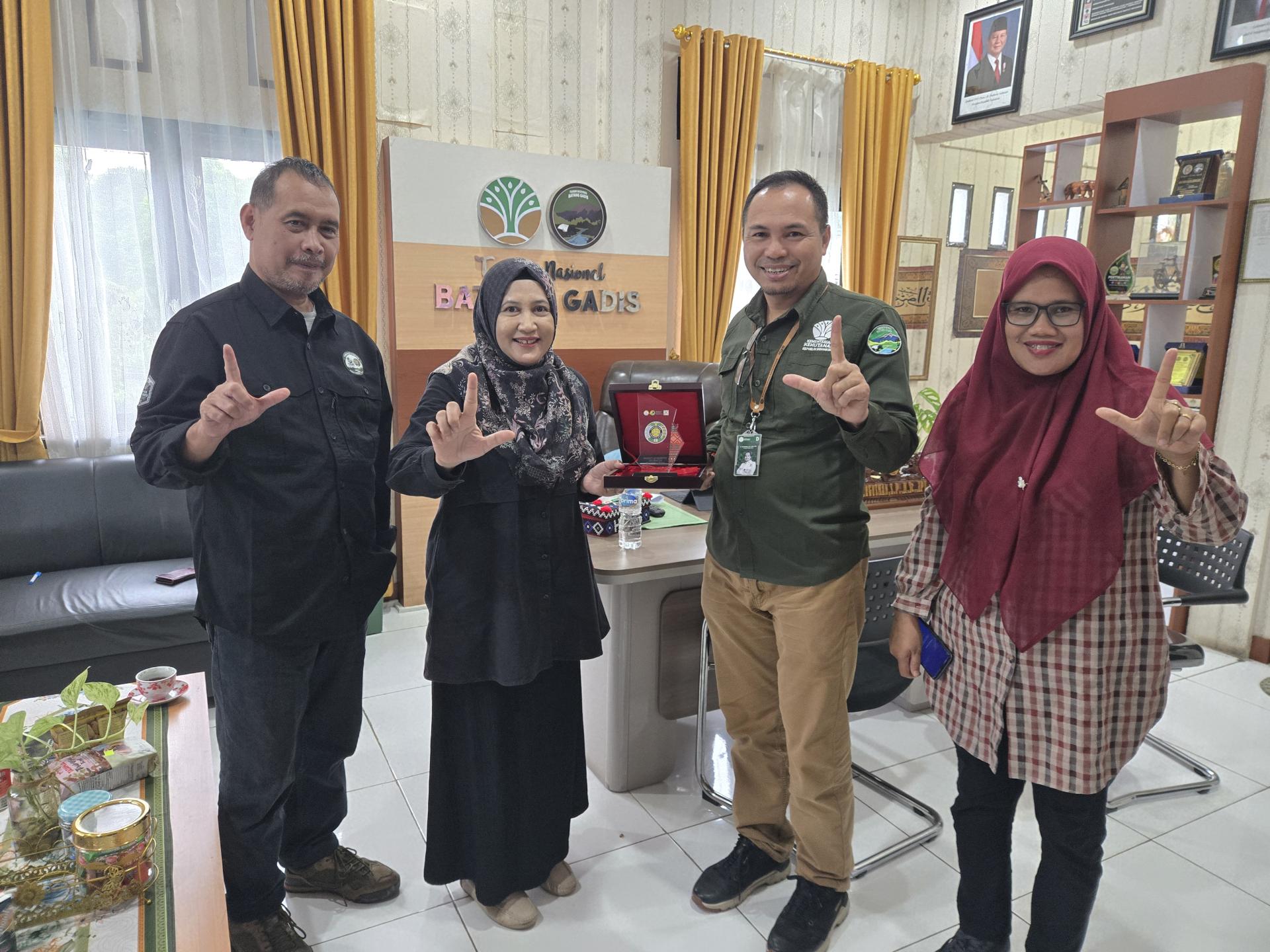
The Faculty of Forestry, Universitas Sumatera Utara (USU), initiated efforts to strengthen cooperation with Batang Gadis National Park (TNBG) through a meeting held on Thursday, November 5, 2026, at the TNBG Office in Panyabungan, North Sumatra. This meeting marked a strategic step in strengthening synergy between higher education institutions and conservation area managers, particularly in the development of education, research, and community service in the forestry sector.
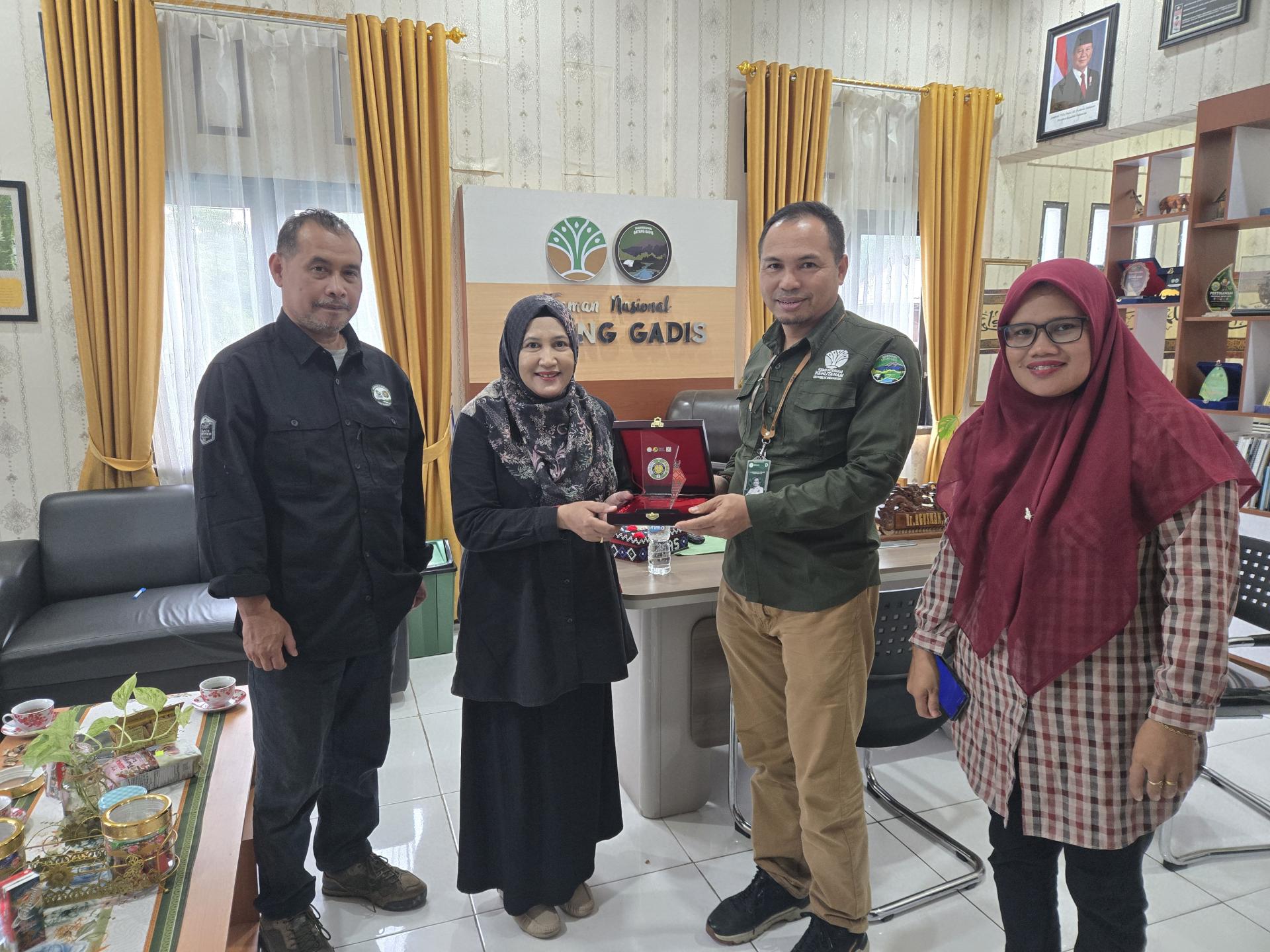
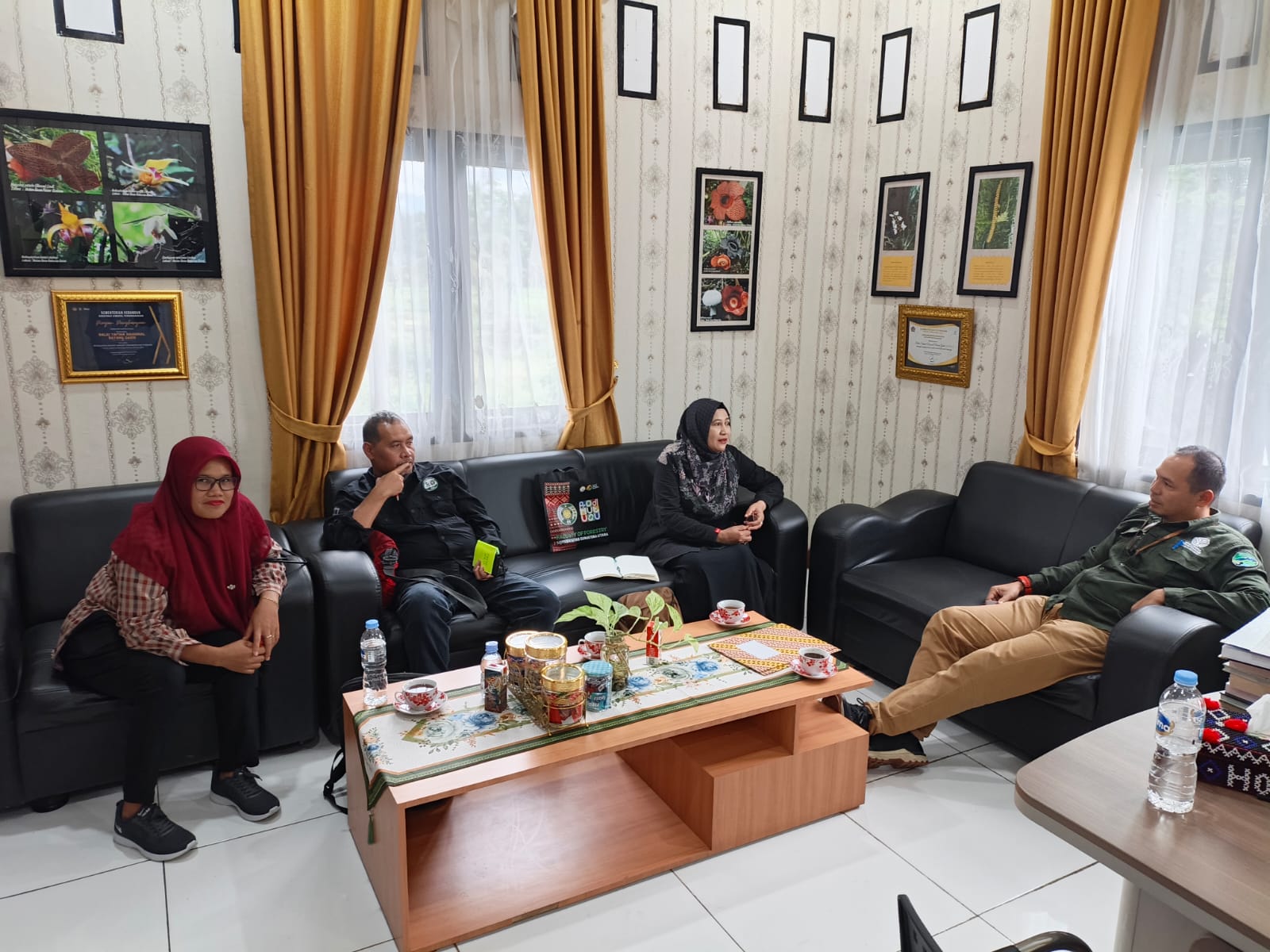
The presence of the Faculty of Forestry, USU, was warmly welcomed by the Head of the TNBG Office, Agusman, S.P., M.Sc. The meeting was attended by the Vice Dean for Research, Community Service, Cooperation, and Internationalization, together with the relevant field managers, lecturers, and cooperation staff of the Faculty of Forestry, USU. The discussion took place in an open and constructive atmosphere, addressing various collaboration opportunities that could be developed by both institutions.
During the meeting, both parties reviewed several forms of ongoing cooperation, including the Forestry Internship Program and the Merdeka Belajar Kampus Merdeka (MBKM) activities. These programs represent one form of connection between academic learning and the direct practice of forest area management, providing students with opportunities to broaden their knowledge, experience, and field competencies.
In addition to continuing the existing programs, TNBG also expressed its openness to developing broader collaboration with the Faculty of Forestry, USU. These opportunities include conducting joint research and community service activities, particularly those related to conservation area management, biodiversity conservation, and community empowerment around the national park.
The discussions also covered opportunities to utilize the research station as a facility supporting academic and research activities. The availability of this facility is expected to support research conducted by lecturers and students, field learning activities, and the development of scientific studies related to forest ecosystems and biodiversity in the TNBG area. The utilization of this research station also creates opportunities to strengthen the relationship between area management needs and the development of scientific knowledge.
TNBG also opened opportunities to provide support through the assistance of experts from the Faculty of Forestry, USU. The involvement of lecturers and experts is expected to provide scientific contributions, recommendations, and technical support according to the needs of area management. Thus, this collaboration not only strengthens the role of higher education institutions in implementing the Tridharma but also encourages the application of academic research findings to support more effective and sustainable conservation area management.
As a means of strengthening institutional commitment, the meeting also included the signing of an Implementation Arrangement (IA) document by both parties. This signing marks an important step in strengthening the foundation for implementing the cooperation while encouraging the follow-up of the various collaboration opportunities discussed through concrete programs and activities.
The initiation of cooperation between the Faculty of Forestry, USU, and TNBG reflects the importance of synergy between academia and conservation area managers in addressing forest management challenges. Through the exchange of knowledge, utilization of research facilities, expert support, and the involvement of students and lecturers, this collaboration is expected to provide benefits for the development of forestry education, strengthening institutional capacity, and conserving natural resources.
These efforts are in line with the commitment to achieving the Sustainable Development Goals (SDGs), particularly SDG 4 (Quality Education) through strengthening field experience-based learning and developing student competencies; SDG 9 (Industry, Innovation, and Infrastructure) through the utilization of research station facilities to support the development of scientific knowledge and innovation; SDG 15 (Life on Land) through support for research and conservation area management as well as biodiversity conservation; and SDG 17 (Partnerships for the Goals) through strengthening collaboration between higher education institutions and conservation area management organizations. This synergy is expected to become the foundation for sustainable cooperation that delivers tangible impacts on education, society, and forest conservation.