


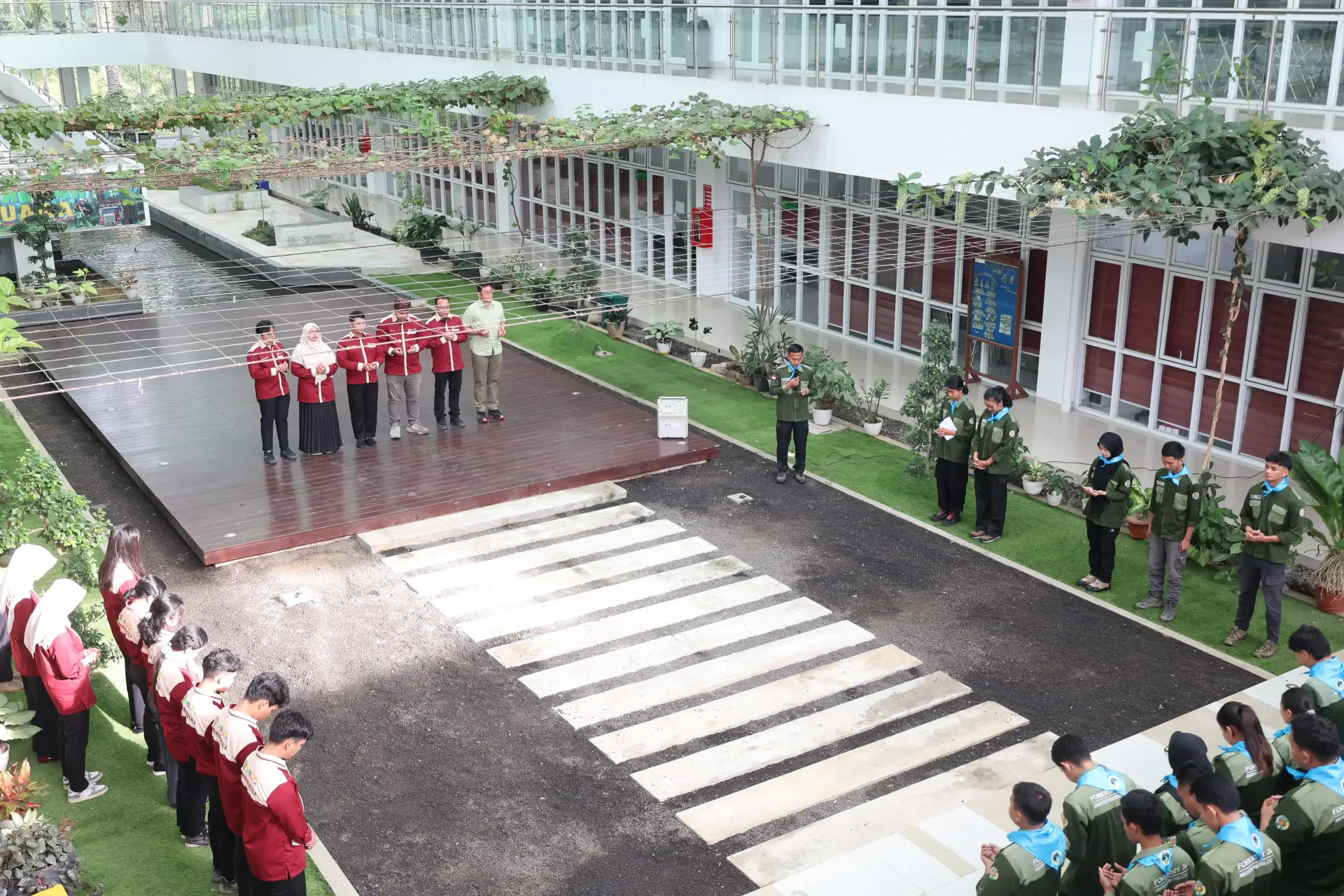
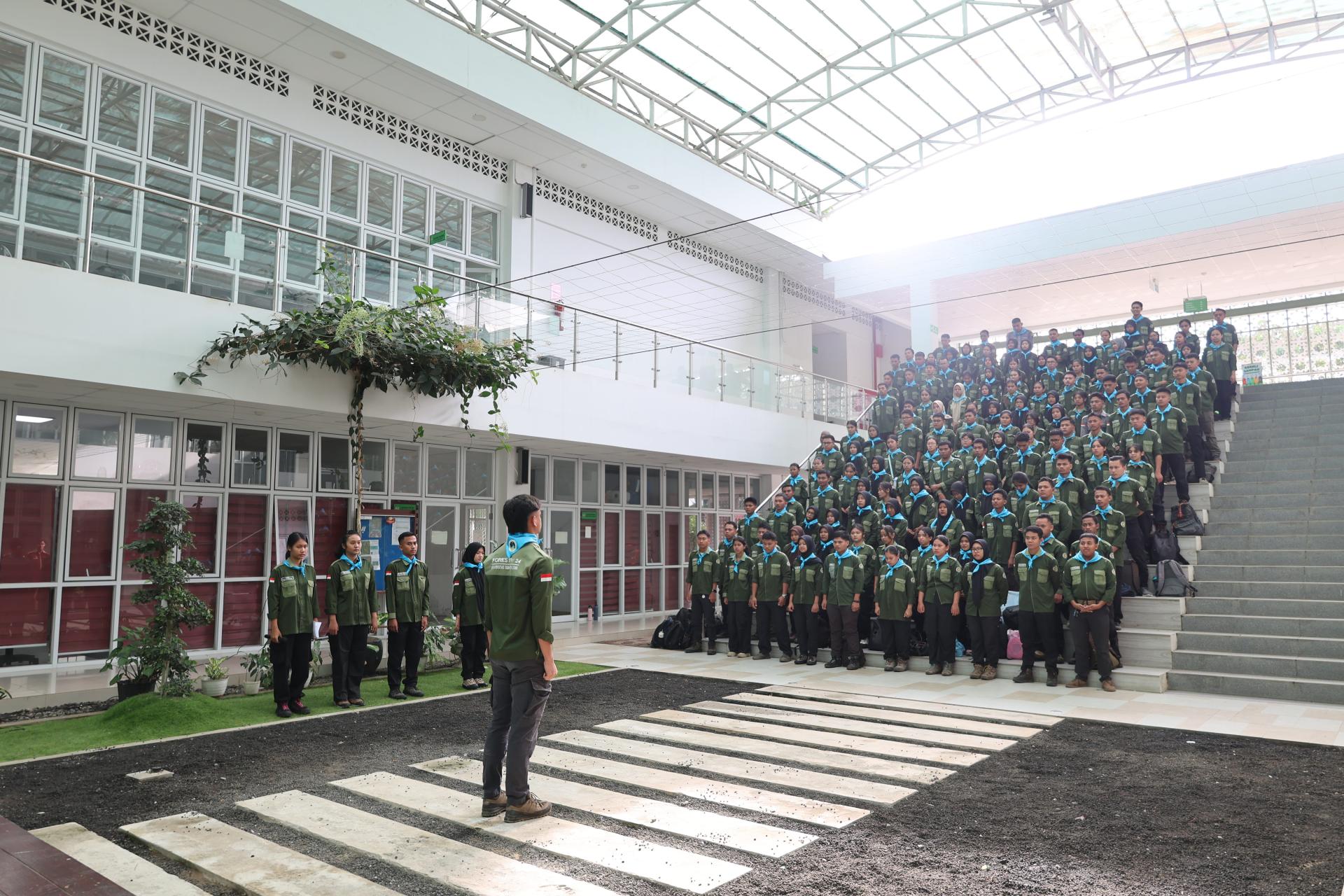
The Faculty of Forestry, Universitas Sumatera Utara (USU), officially sent off 147 students participating in the 2026 Forest Ecosystem Introduction Field Practice (P2EH) on Wednesday, June 24, at USU Campus 2, Kwala Bekala, Simalingkar. The program marks an important milestone in students' academic journey, providing them with valuable field experience and direct exposure to forest ecosystems in their natural habitat.
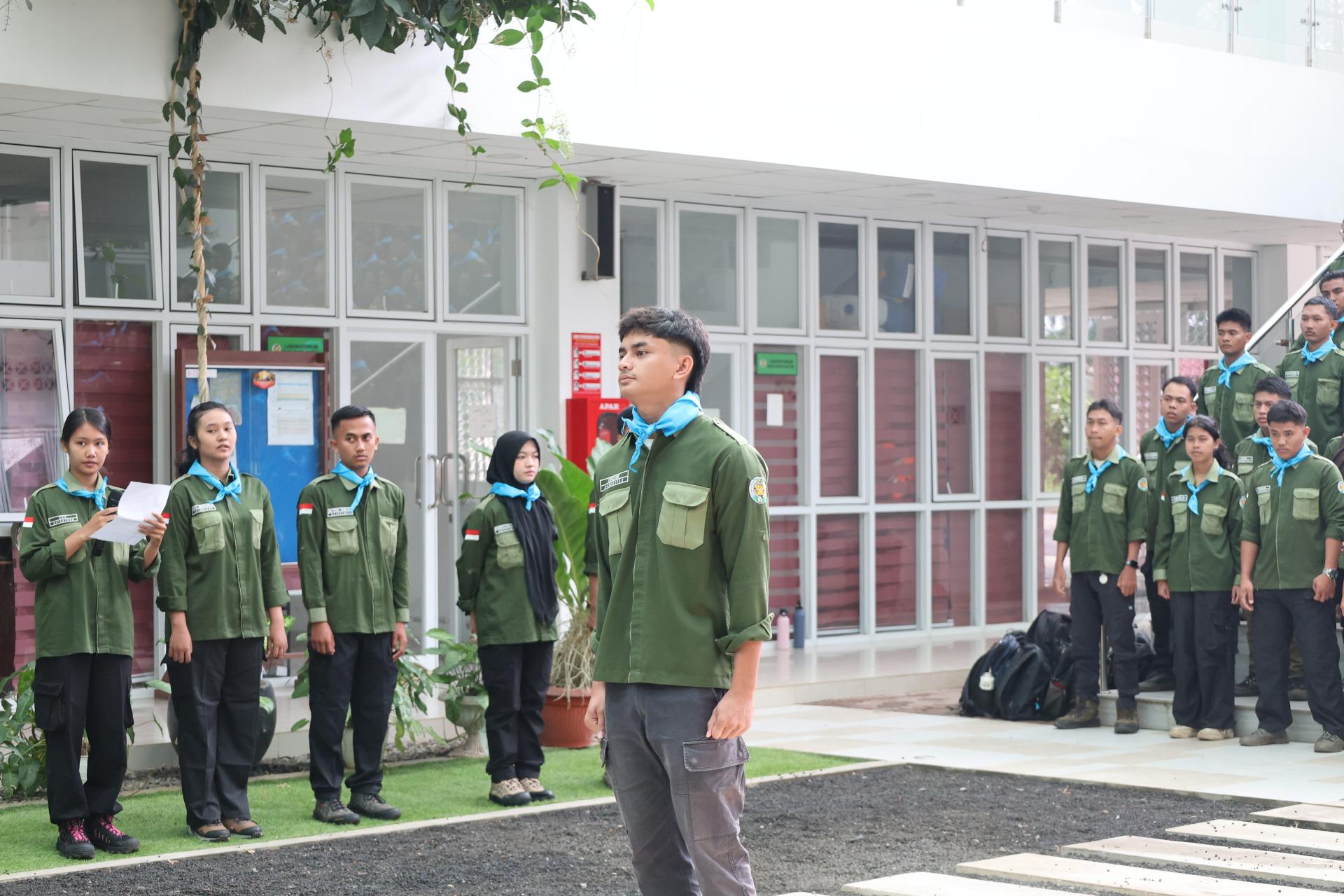
The send-off ceremony was attended by the Faculty's leadership, the organizing committee, supervising lecturers, and field assistants who will accompany the students throughout the program. Their presence reflected the Faculty's commitment to ensuring that the field-based learning experience is conducted safely, effectively, and in a manner that maximizes students' learning outcomes.
The event began with preparations for the students' departure to the Tangkahan Natural Forest, located within Gunung Leuser National Park in Langkat Regency. The participants demonstrated great enthusiasm as they completed the pre-departure activities, while the organizing committee and field assistants carried out final coordination to ensure that all logistical arrangements and equipment were in place.
The ceremony continued with remarks from the Chair of the P2EH Organizing Committee and Vice Dean for Finance and Resources of the Faculty of Forestry, Dr. Luthfi Hakim. In his address, he encouraged the students to prioritize their health, safety, ethical conduct, and the good reputation of their alma mater throughout the field practice.
"Field practice is an essential component of forestry education. Therefore, make the most of this opportunity to learn as much as possible, maintain exemplary conduct, and always prioritize safety while carrying out activities in the field," he advised.
The Vice Dean for Academic Affairs, Student Affairs, and Alumni, Dr. Tito Sucipto, also delivered welcoming remarks. He emphasized that the Forest Ecosystem Introduction Field Practice represents an important stage in developing students' professional competencies by allowing them to connect the theoretical knowledge acquired in the classroom with real-world conditions in the field.
Dr. Tito encouraged all participants to undertake the program responsibly, maintain their health and professionalism throughout the activities, and carry out every task with dedication and discipline.
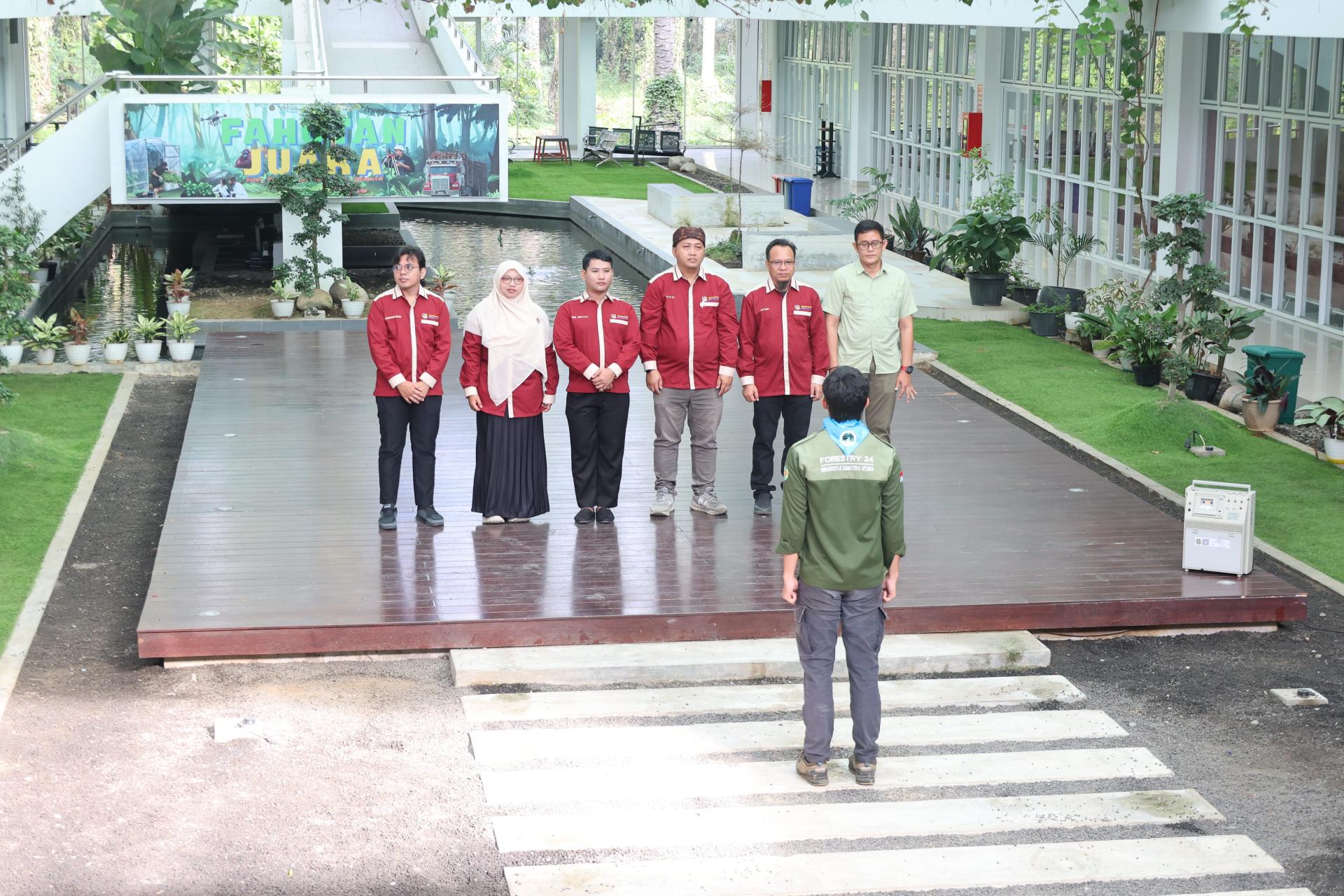
"Carry out this field practice to the best of your ability. Let your experiences in the field become valuable learning opportunities to broaden your perspectives and deepen your understanding of forest ecosystems. May the entire program proceed smoothly and provide meaningful benefits to every participant," he stated.
At the conclusion of his remarks, Dr. Tito officially declared the 2026 Forest Ecosystem Introduction Field Practice open and formally sent off the participating students. Following the ceremony, the students proceeded with their final preparations before boarding the buses that would transport them to the field site. Members of the organizing committee and field assistants supervised the departure process to ensure that all participants departed in an orderly manner according to their assigned groups.
A total of 147 students will participate in the field practice at the Tangkahan Natural Forest, Gunung Leuser National Park, Langkat Regency, from June 26 to July 5, 2026. Throughout the program, they will be guided by supervising lecturers, committee members, and field assistants while studying various components of forest ecosystems firsthand, including vegetation characteristics, biodiversity, wildlife, non-timber forest products, ecosystem services, and the diverse forest resources found within the conservation area.
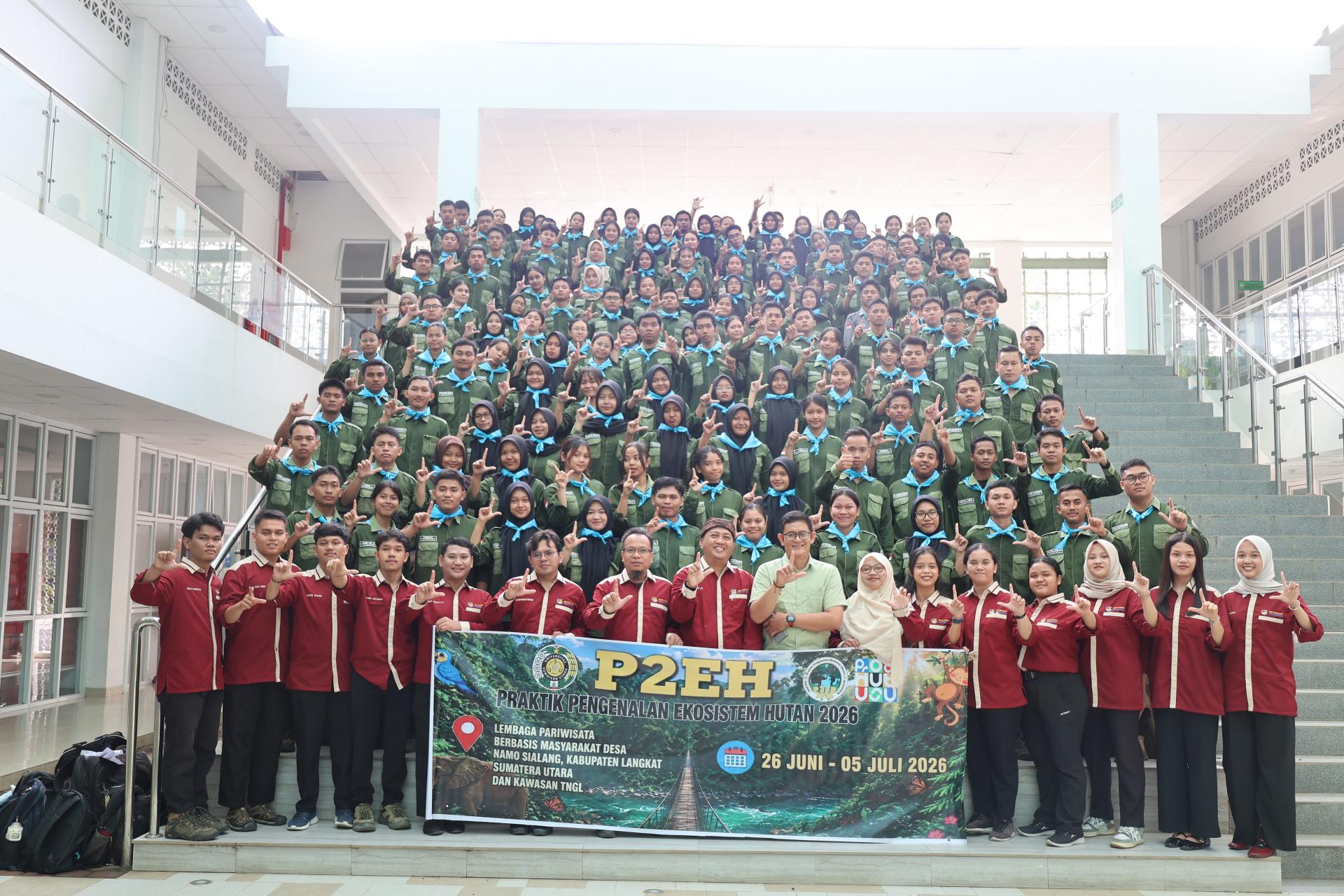
Through this program, the Faculty of Forestry, Universitas Sumatera Utara, expects students to gain comprehensive field-based learning experiences, strengthen their observation and analytical skills, enhance teamwork, and develop a deeper appreciation for the sustainable management and conservation of forest resources.
The implementation of the 2026 Forest Ecosystem Introduction Field Practice (P2EH) also contributes to the achievement of the Sustainable Development Goals (SDGs), particularly SDG 4: Quality Education, by providing experiential learning that strengthens students' academic and professional competencies. The program further supports SDG 15: Life on Land by increasing awareness of biodiversity conservation and the sustainable management of forest ecosystems. Moreover, the active involvement of lecturers, organizing committee members, and field assistants reflects a shared commitment to creating a collaborative, high-quality educational environment that supports the sustainable management of Indonesia's natural resources.