


HUMAS FAHUTAN – The Faculty of Forestry, Universitas Sumatera Utara (USU), organized the Pre-Forest Ecosystem Introduction Field Practice (Pre-P2EH) on June 22–23, 2026, at the Faculty of Forestry. The program was designed to prepare students before participating in the Forest Ecosystem Introduction Field Practice (P2EH) by equipping them with the knowledge, technical skills, and physical readiness required for fieldwork.
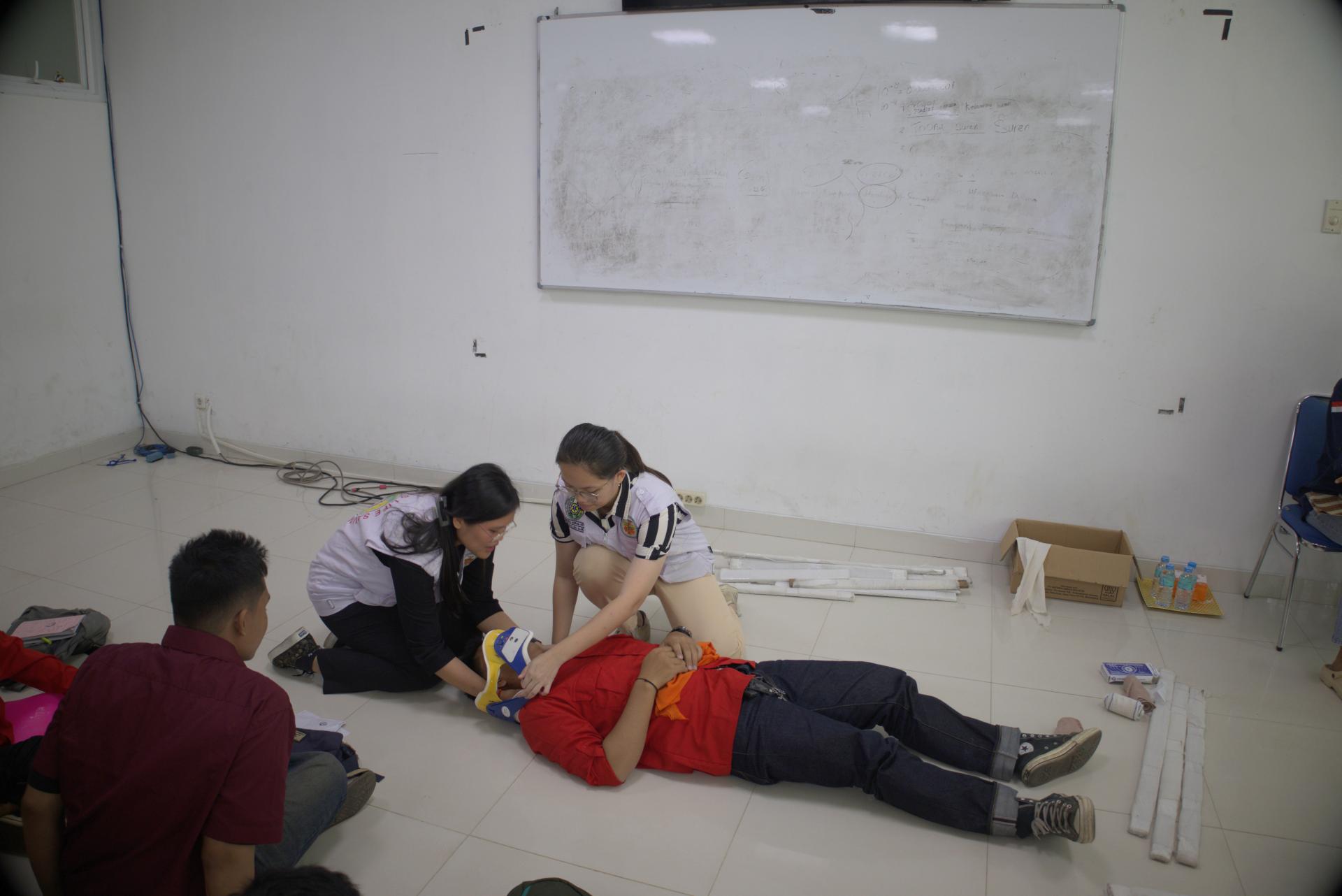
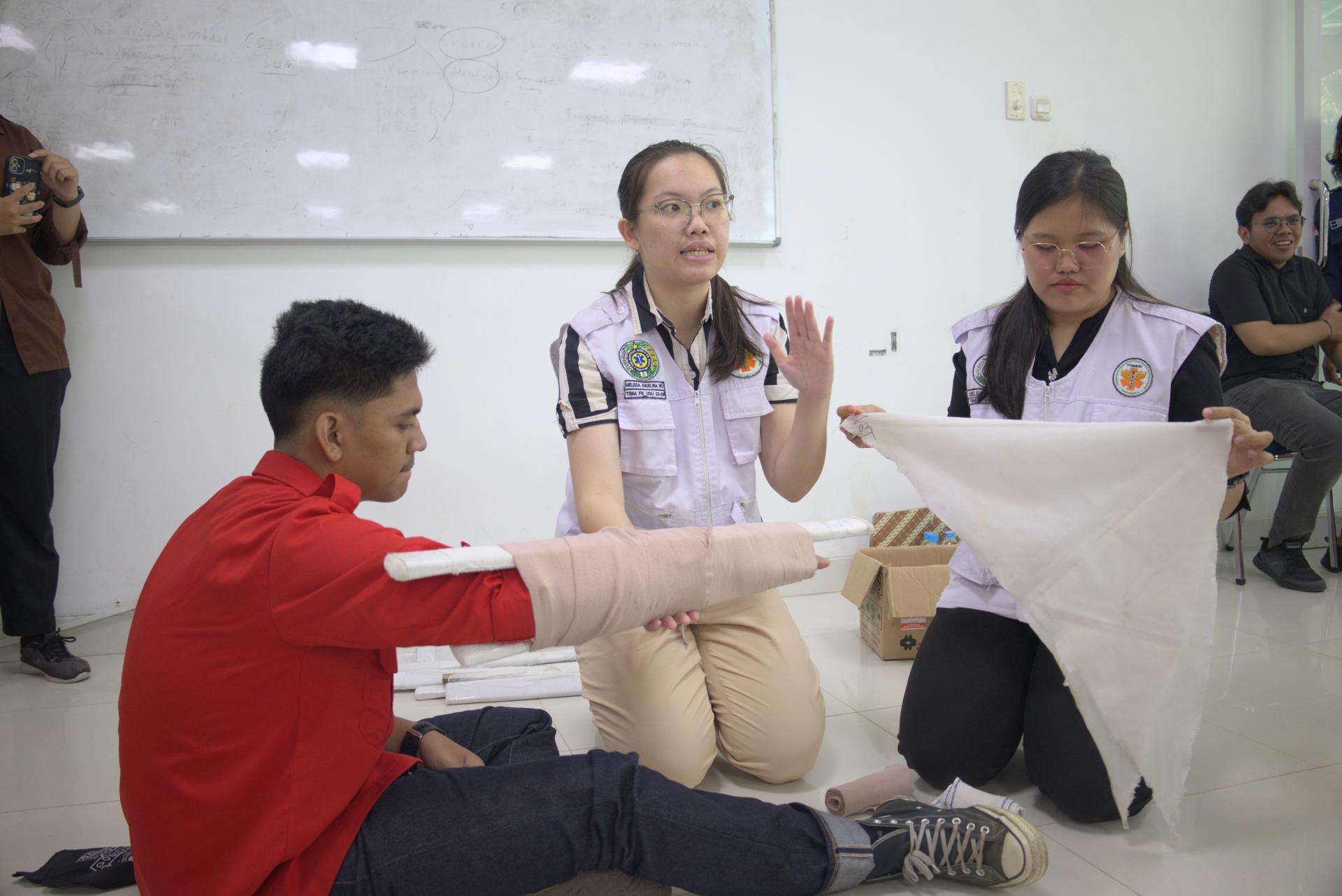
On the first day, the program began with a First Aid and Emergency Response (PPGD) training session delivered by the Medical Assistance Team of the Student Executive Board (BEM) of the USU Faculty of Medicine. During the session, participants learned the fundamental procedures for responding to emergencies that may arise during field activities.
In addition to receiving theoretical instruction, students were given the opportunity to practice the first aid techniques they had learned. These practical sessions were designed to enhance students' preparedness for potential accidents or emergencies during the implementation of the P2EH program. Participants showed great enthusiasm while taking part in simulations and hands-on exercises guided by the instructors.
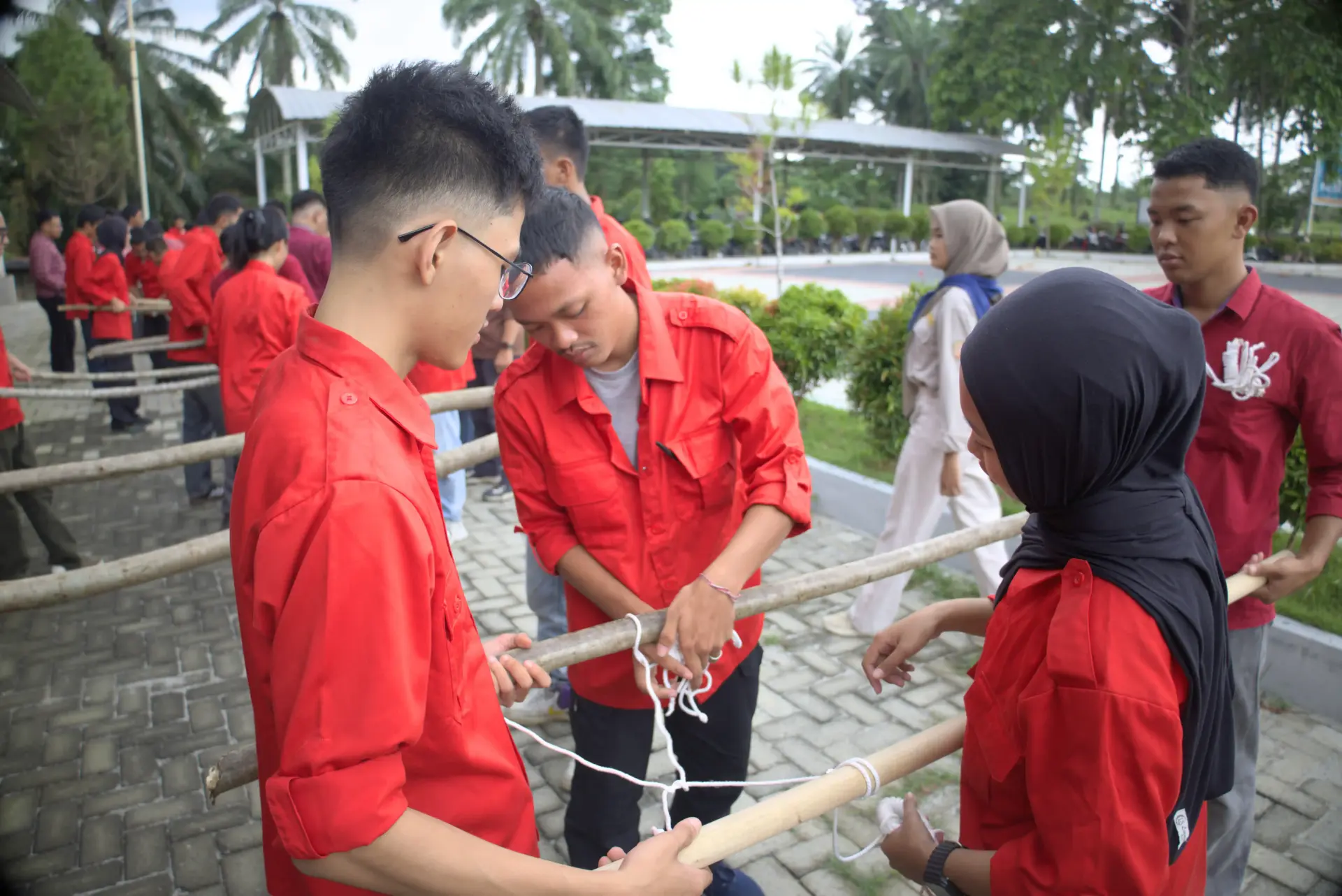
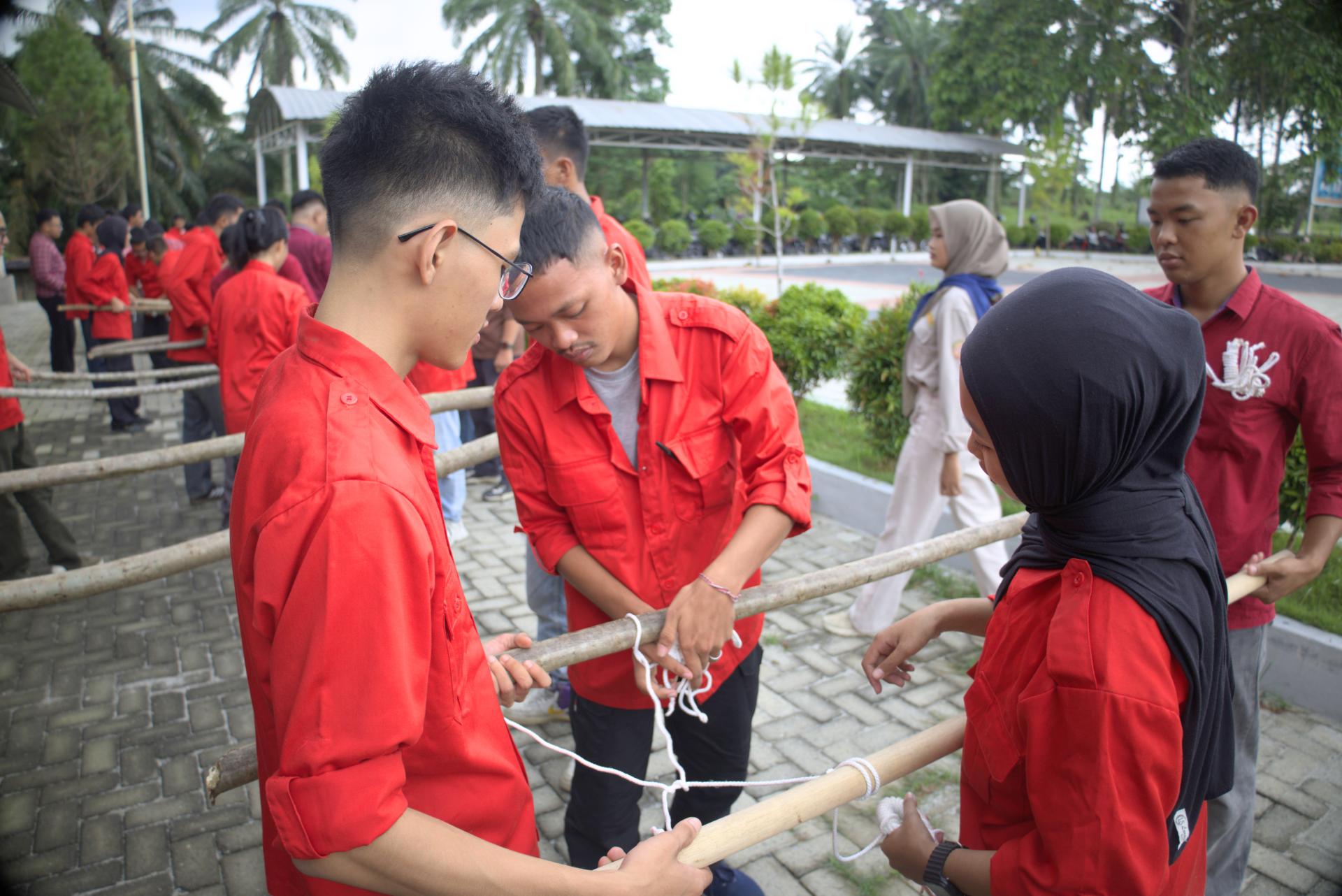
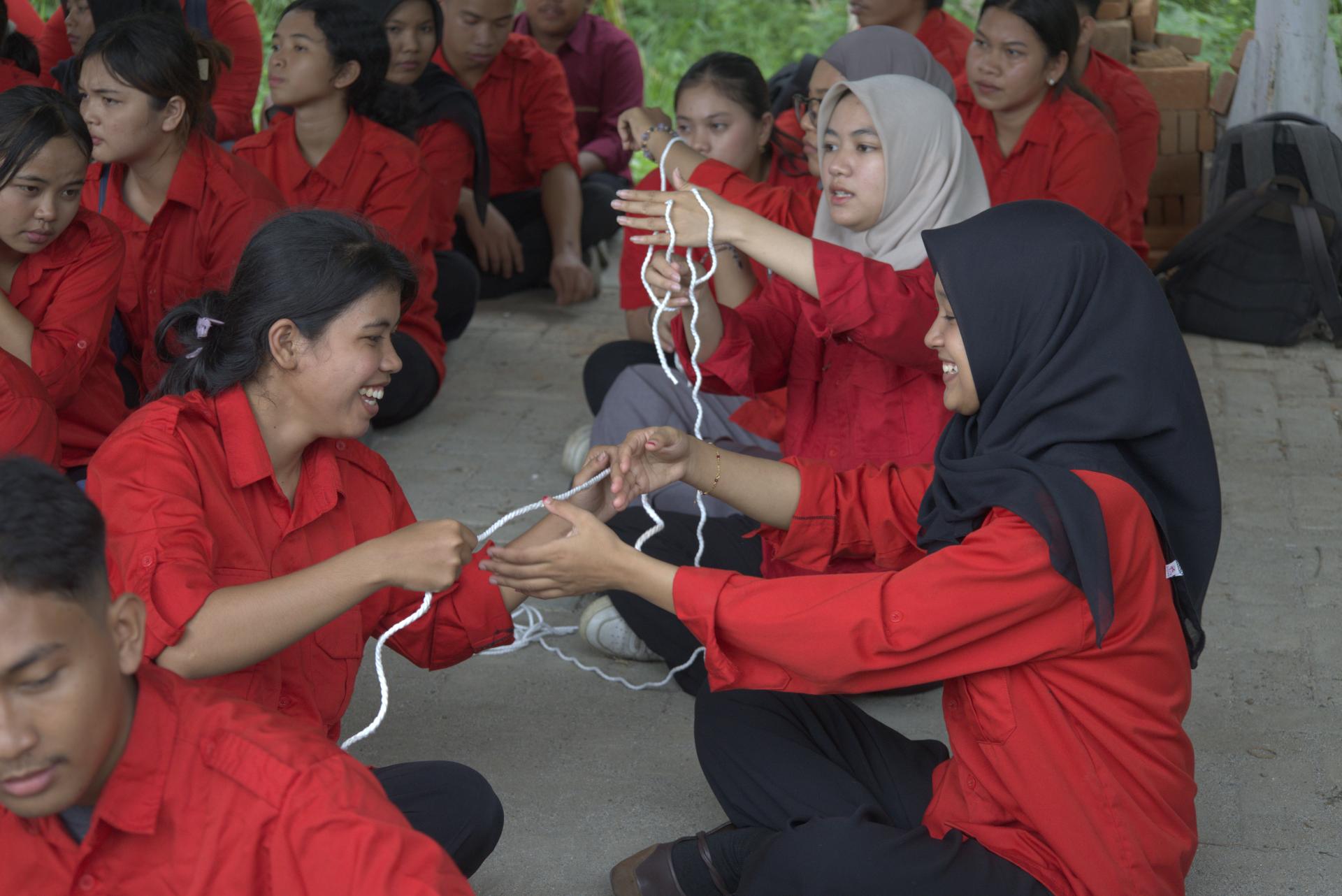
Following the emergency response session, the program continued with a ropework training conducted by the Rimbapala Team of the USU Faculty of Forestry. During this session, students were introduced to various knots and rope-handling techniques commonly applied in field activities and forest exploration.
The training then proceeded with a session on constructing emergency stretchers, an essential skill for evacuation in forest environments. Students learned how to utilize simple materials available in the field to build makeshift stretchers that can be used during rescue operations. The ropework and emergency stretcher training provided participants with valuable practical skills to enhance their safety and preparedness during field practice in forest areas.
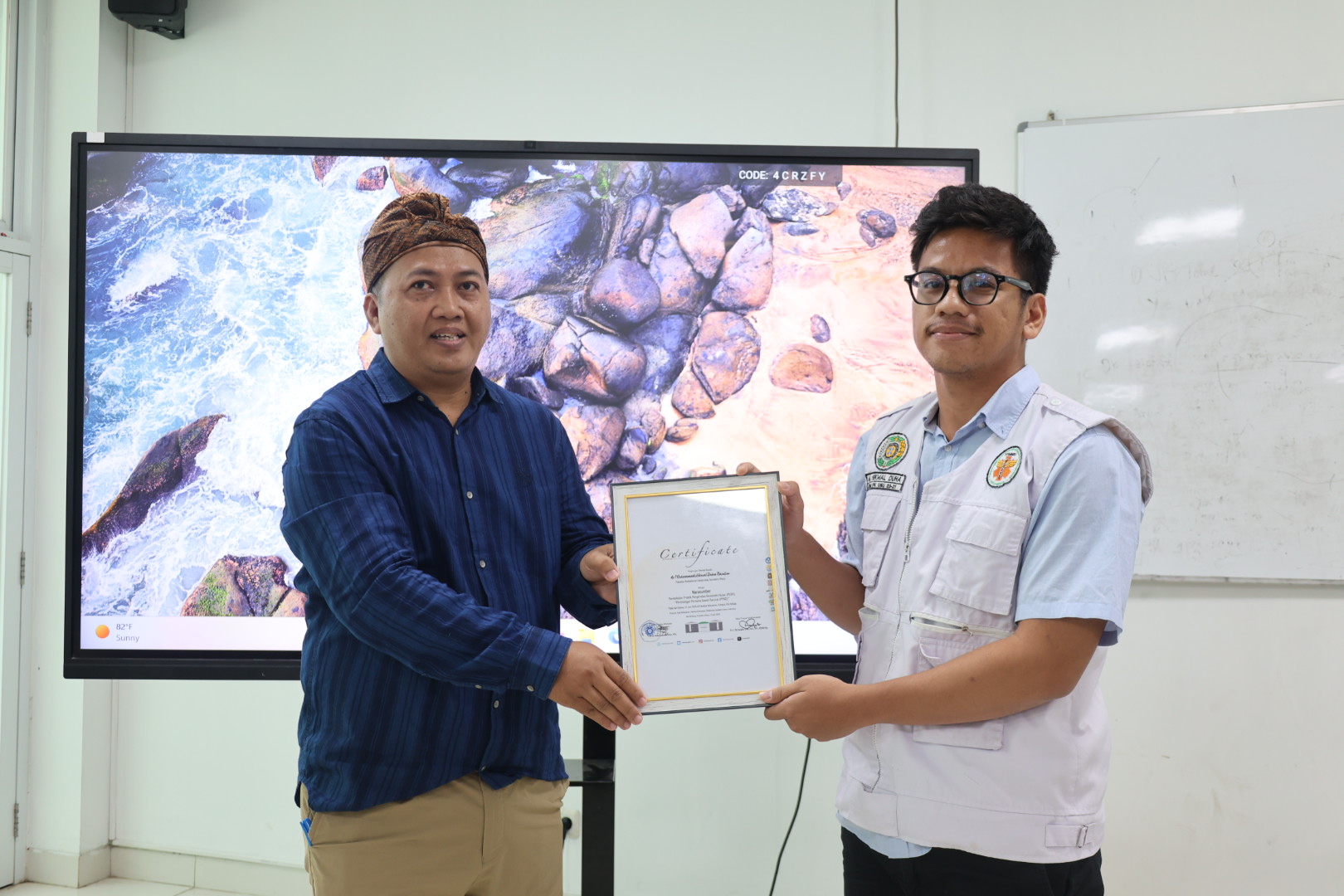
On the second day, the Pre-P2EH program focused on strengthening students' technical competencies directly related to forest ecosystem observation. The training was conducted at the Universitas Sumatera Utara Arboretum, which serves as a natural laboratory for students to practice various field observation methods.
During this session, students received training in vegetation analysis, including techniques for measuring and observing vegetation components as part of forest resource inventory activities.
Participants also received practical instruction on the installation and operation of camera traps within the USU Arboretum, one of the most widely used methods for wildlife monitoring in research and conservation. Students learned proper installation techniques, site selection strategies, and equipment operation to obtain optimal data during fieldwork. Through direct field practice, participants gained a more comprehensive and practical understanding of these research methods.
The Pre-P2EH program concluded with a physical fitness training session designed to improve students' endurance and physical readiness before undertaking field activities. This component was considered essential, given the demanding terrain and physical challenges associated with learning in forest environments.
Overall, participants demonstrated high levels of enthusiasm and commitment throughout the entire Pre-P2EH program. Through the various training sessions, students not only acquired valuable knowledge and technical skills but also developed the mental resilience and physical preparedness necessary for successfully completing the 2026 Forest Ecosystem Introduction Field Practice (P2EH).
The Pre-P2EH program reflects the commitment of the Faculty of Forestry, Universitas Sumatera Utara, to producing competent, resilient, and field-ready forestry graduates. In addition to enhancing the quality of forestry education, the program supports the Sustainable Development Goals (SDGs), particularly SDG 4: Quality Education, by providing practical, experiential learning opportunities; SDG 3: Good Health and Well-being, by equipping students with first aid and field safety skills; and SDG 15: Life on Land, by preparing students with the competencies required for the sustainable management, research, and conservation of forest ecosystems.