


.webp)
The fourth day of the Summer Course 2026, themed “Innovative Bamboo Technologies for Green Economy and Circular Bioeconomy,” featured a field trip to Ladang Bambu, Tuntungan, Medan, and Ecolodge Bukit Lawang, North Sumatra, on Friday (November 13, 2026). This activity provided participants with hands-on learning experiences about bamboo preservation technology, the use of bamboo as an environmentally friendly construction material, and natural resource conservation practices.
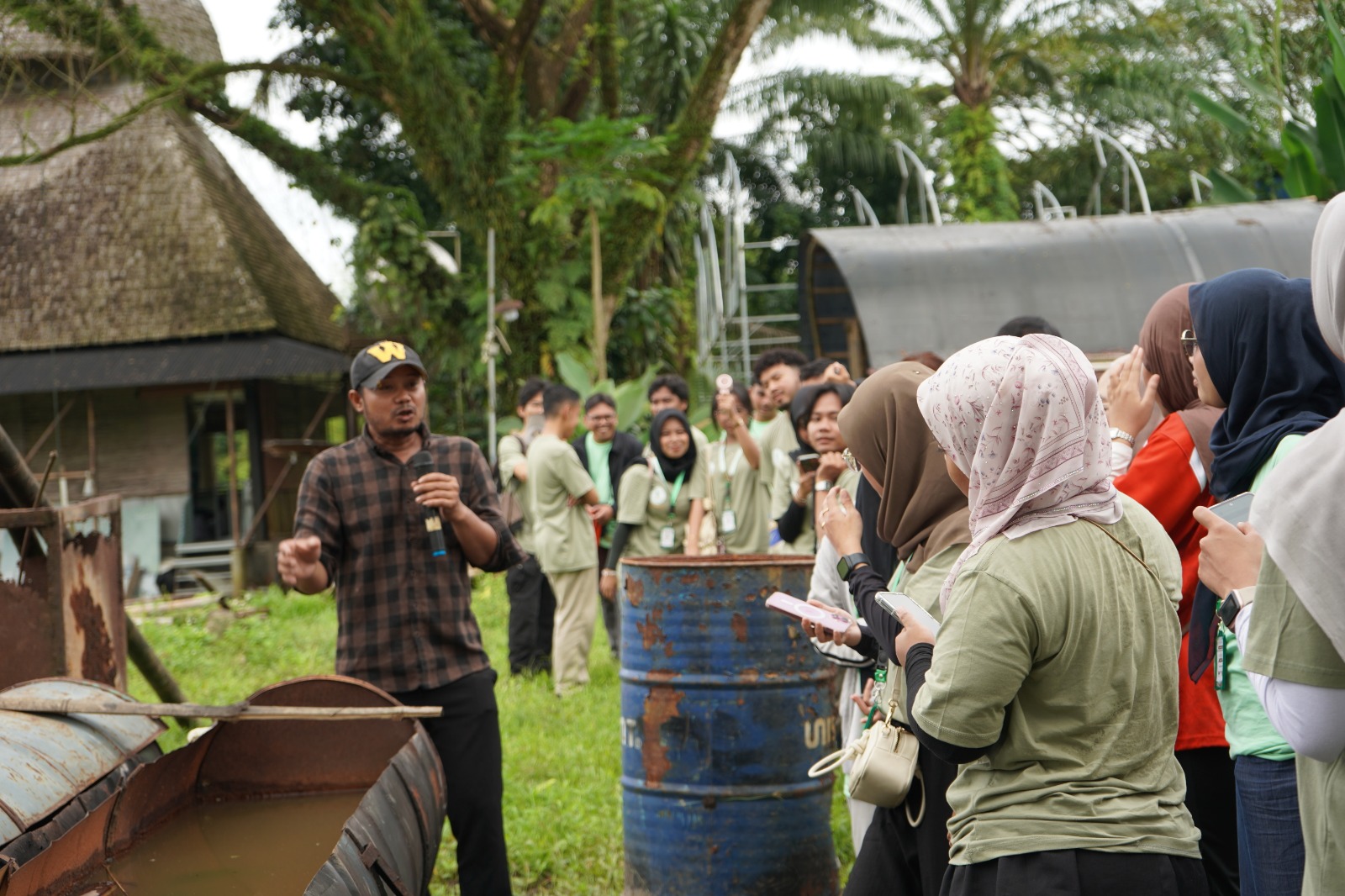
The activity began with a visit to Ladang Bambu, Tuntungan. At the site, participants received an explanation of the stages of bamboo preservation to improve its quality and durability so that it can be used as a building construction material. The presentation was delivered by Darman, a field construction expert, and Ansori, an architect, accompanied by Rahmi from the Faculty of Engineering.
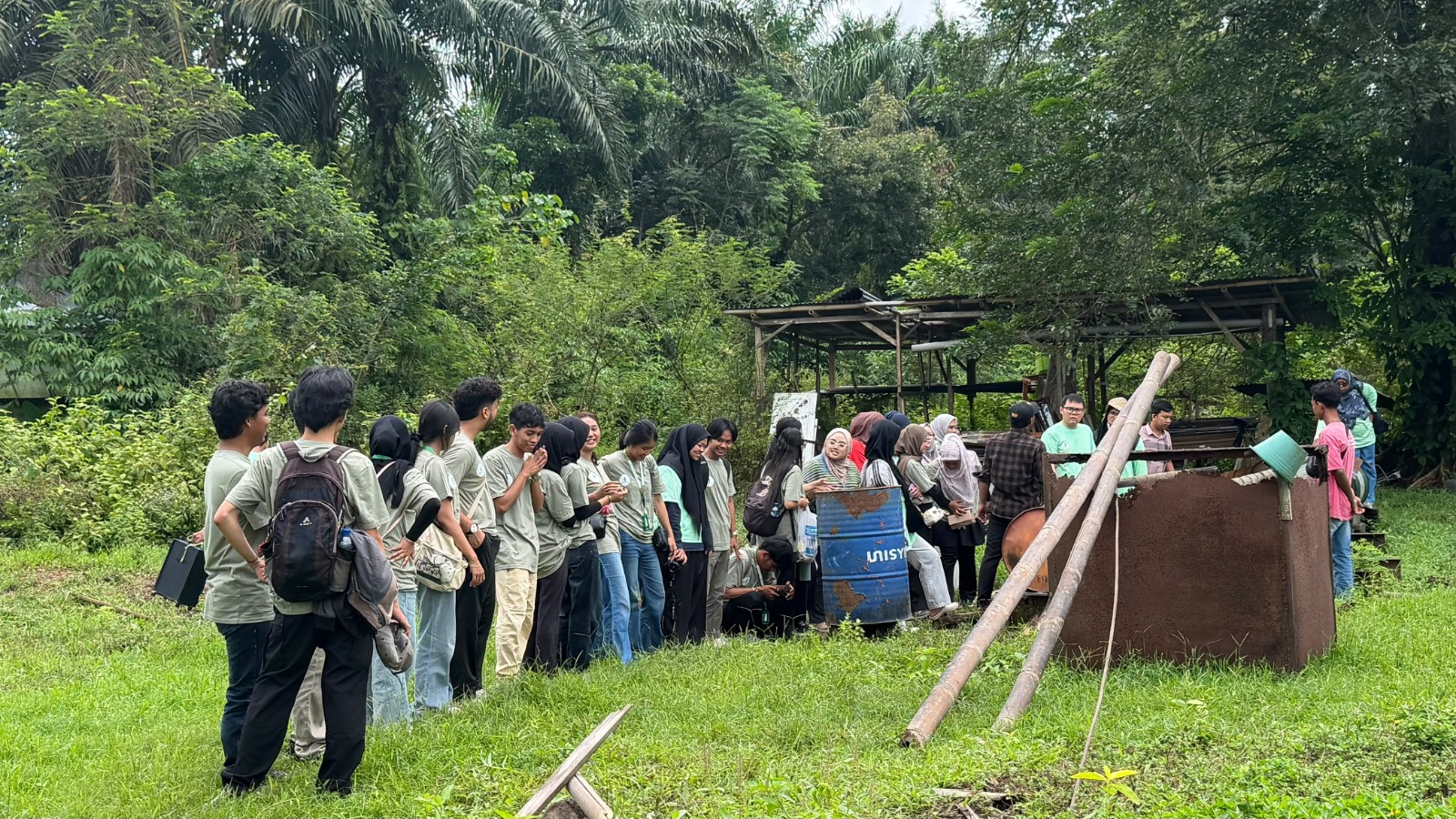
During the session, participants were introduced to the bamboo preservation process, which begins with selecting bamboo based on size, assigning numbers as markers for its placement in building construction, and drilling holes in the bamboo segments to support the preservation process.
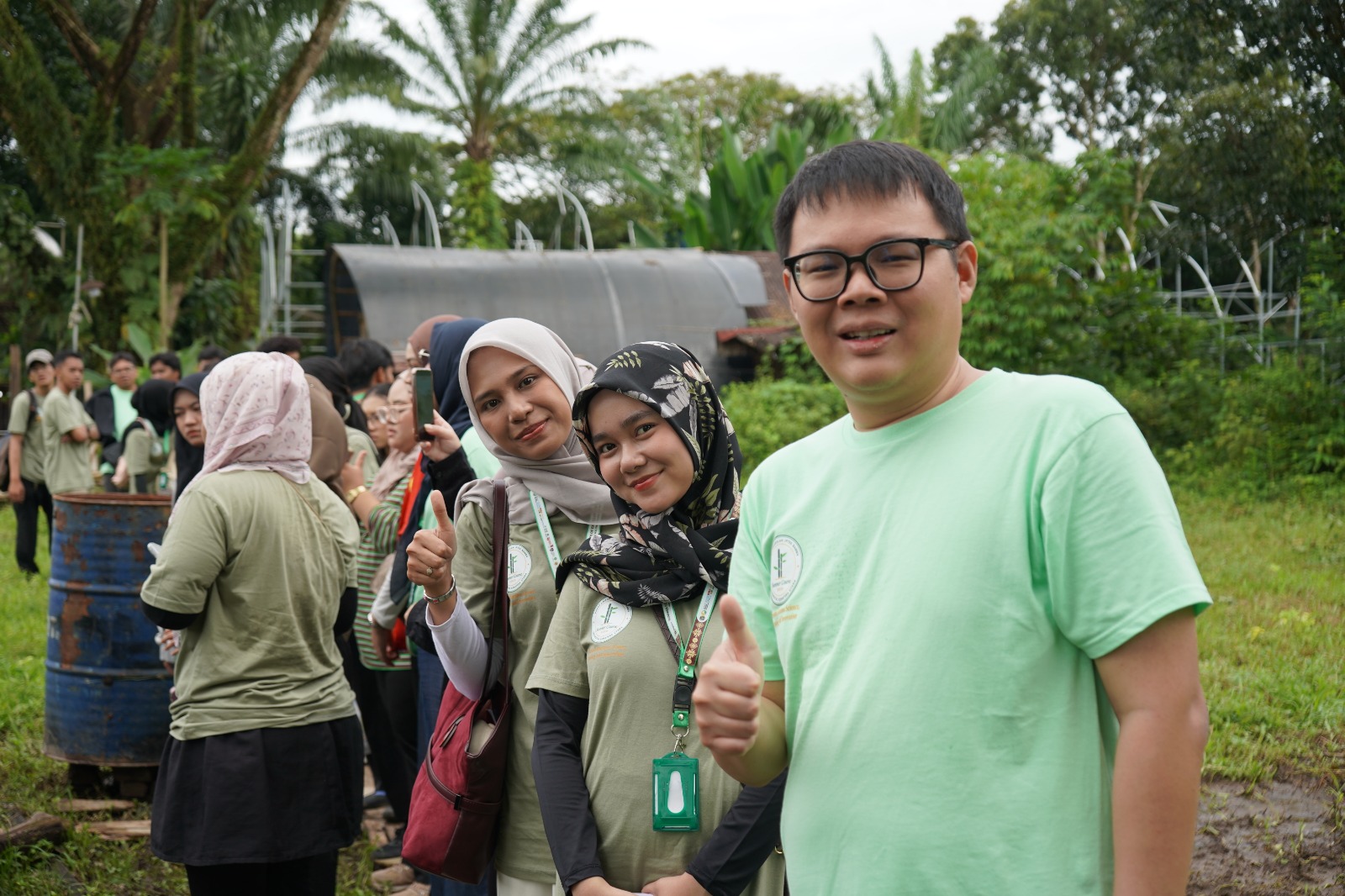
The preservation process uses a chemical mixture of borax and boric acid dissolved in hot water, with a composition of 90 percent water, 6 percent borax, and 4 percent boric acid. The bamboo, after being drilled and cleaned, is then boiled or soaked in the solution using a special container in the form of a barrel. After the preservation process is complete, the bamboo is dried in the sun.
To demonstrate the application of this technology, participants were invited to visit one of the buildings in the Ladang Bambu area, namely a mosque that uses preserved bamboo as roofing material, known as shingles. This visit provided a concrete illustration of bamboo's potential as an alternative construction material that can be developed through appropriate processing and technology. The activity concluded with a documentation session and a group photo.
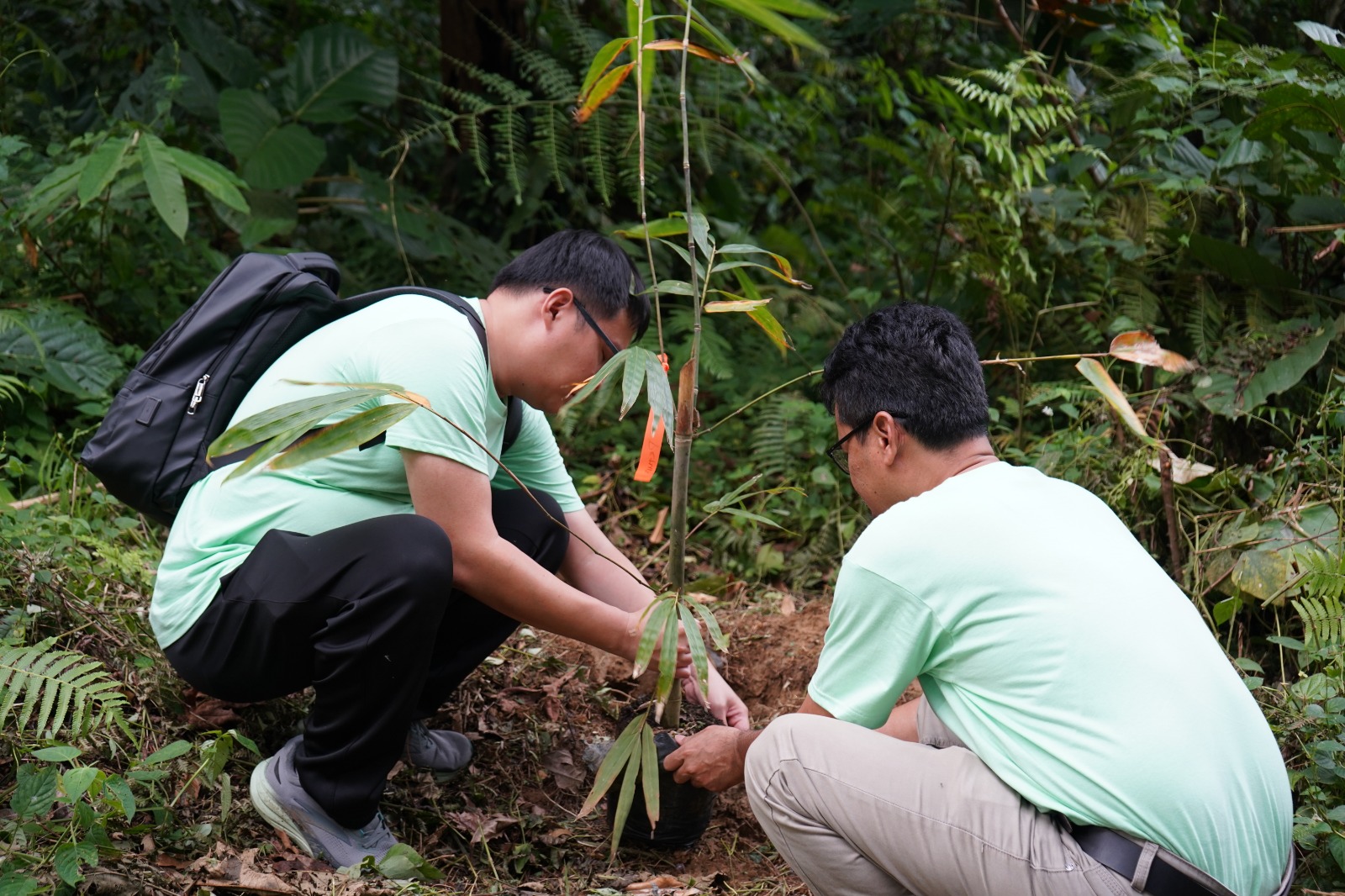
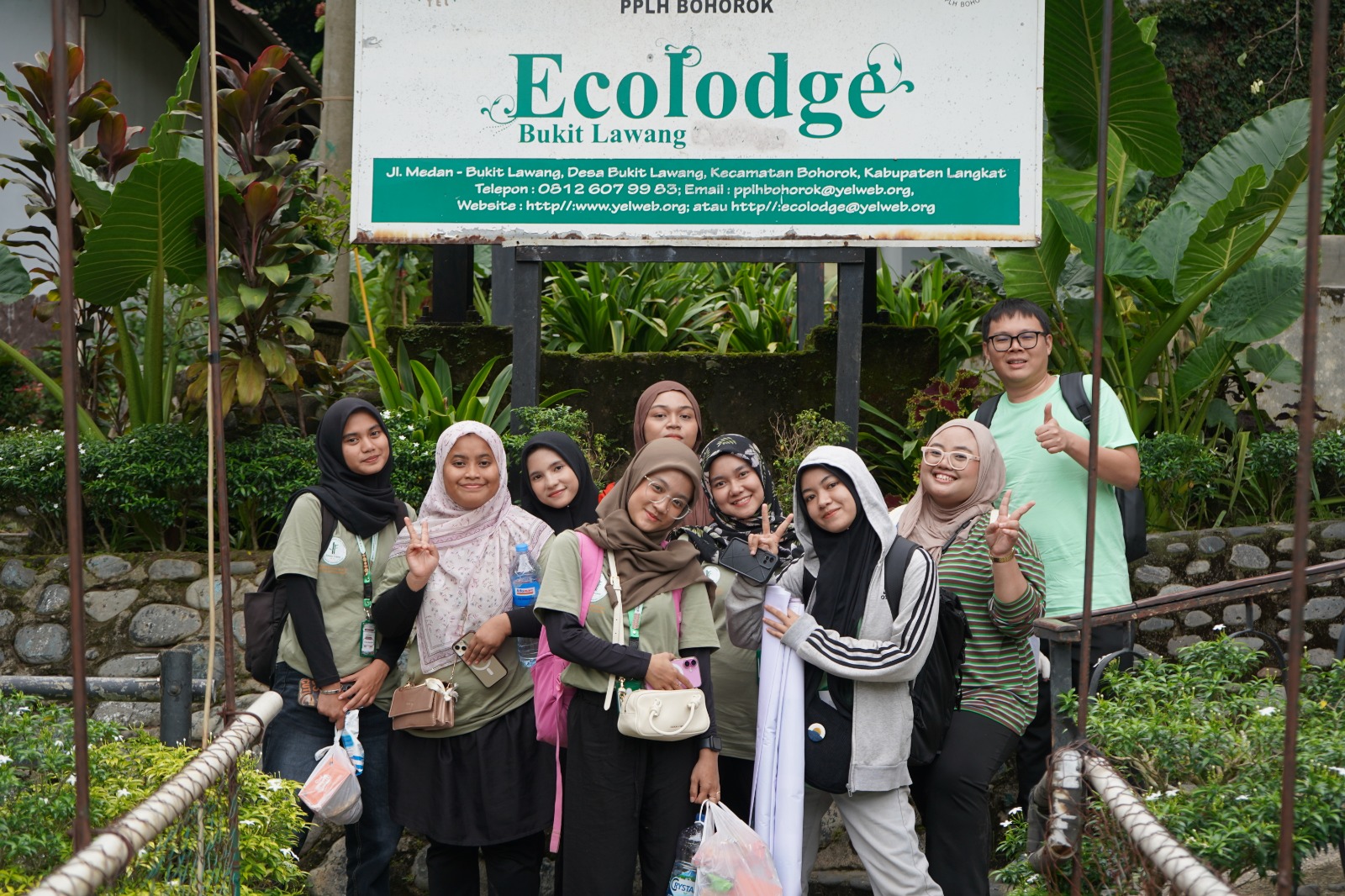
Next, the group continued the field trip to Ecolodge Bukit Lawang. One of the activities carried out at the site was bamboo planting, accompanied by Rusdiyanto. This activity was part of the field-based practical learning experience as well as an effort to introduce the importance of planting and utilizing bamboo in supporting environmental sustainability. After the planting activity, the participants took a group photo.
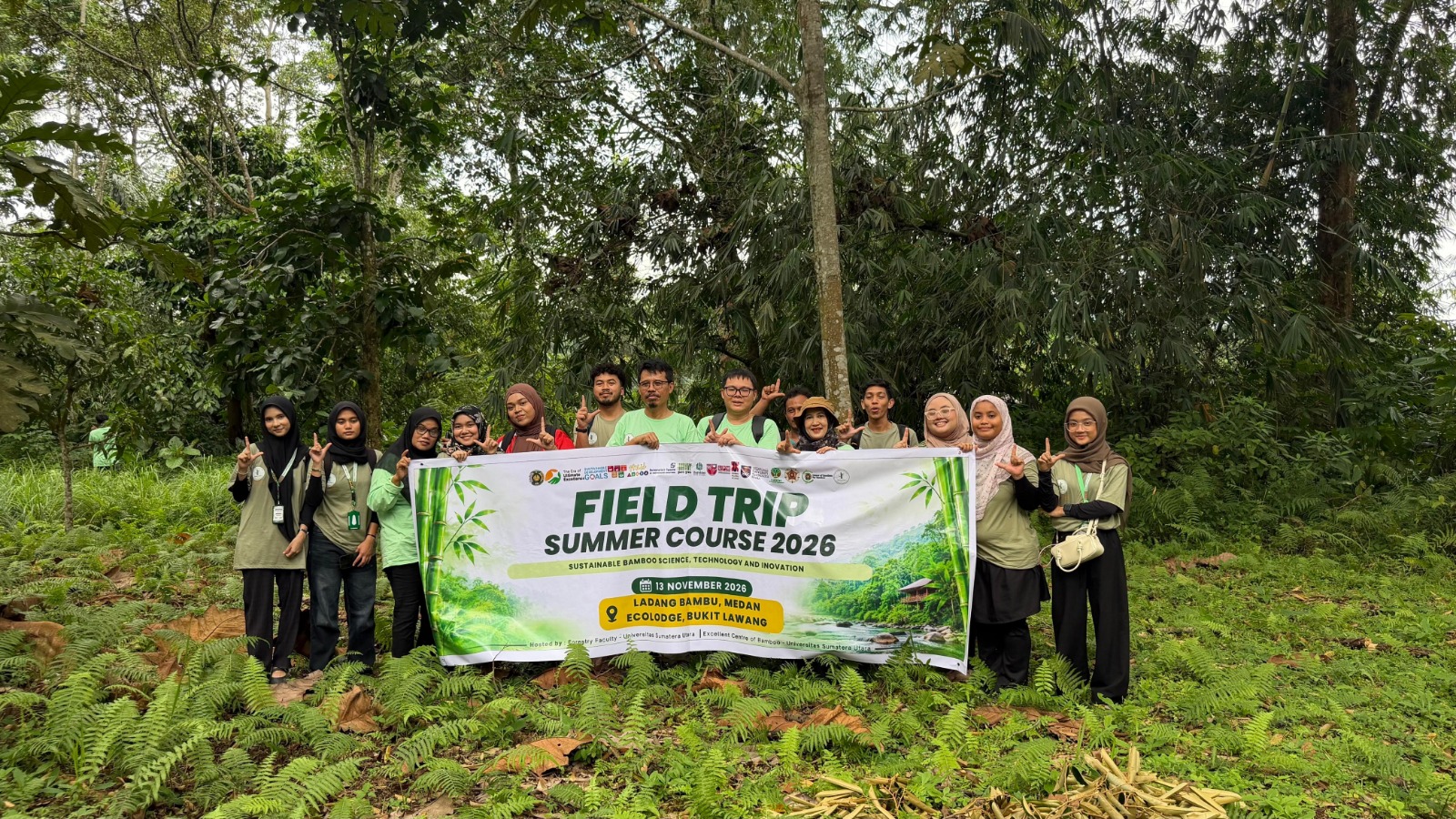
The series of activities on the fourth day then concluded with a social gathering and gala dinner. This occasion provided an opportunity for participants and the organizing committee to strengthen relationships, share experiences, and build networks and exchange perspectives throughout the Summer Course 2026 program.
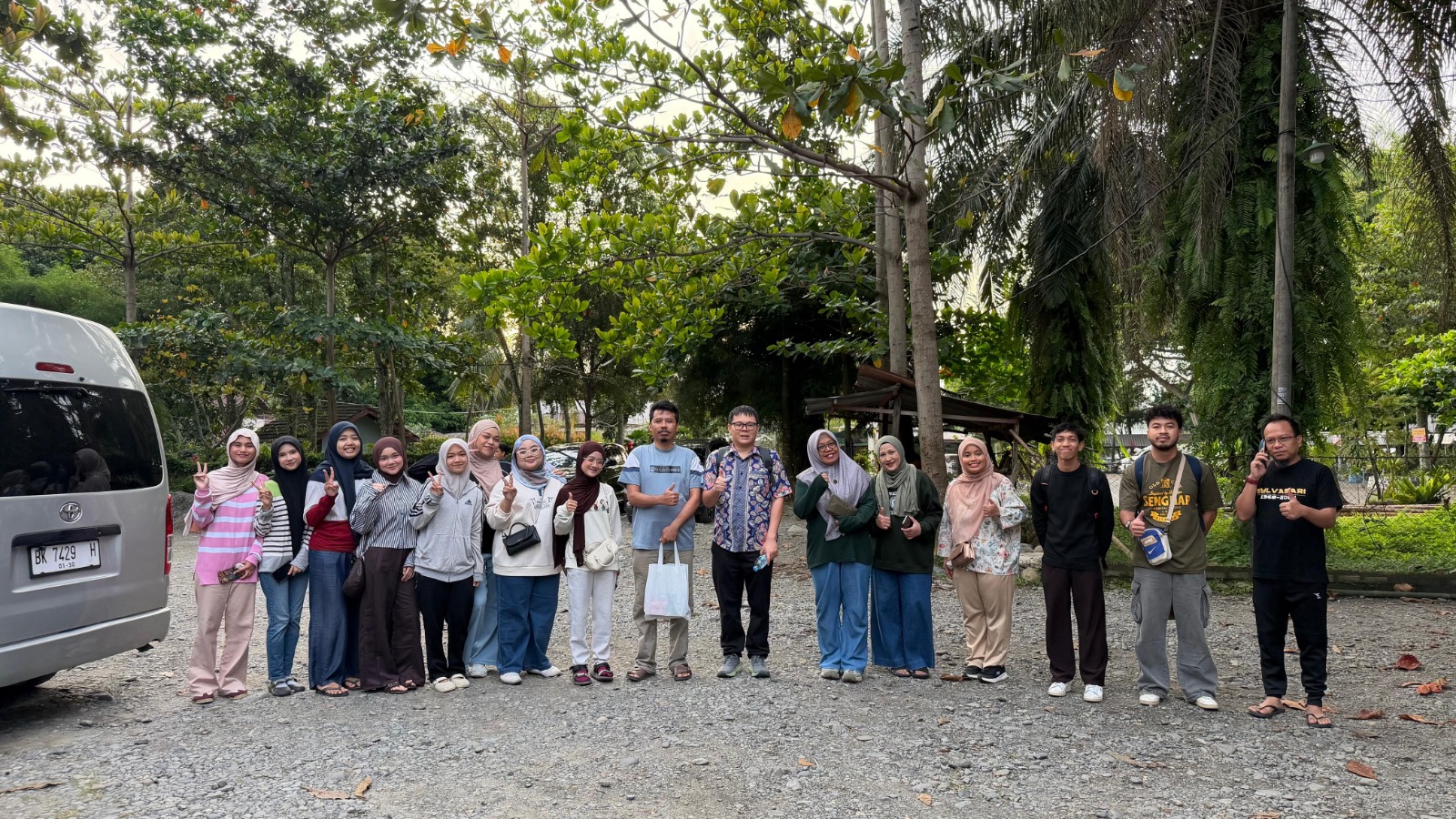
Through this activity, participants not only gained an understanding of bamboo preservation technology but also witnessed its direct application in building construction and learned about planting practices as part of environmental conservation efforts. This experience strengthened their understanding that bamboo has great potential as a renewable natural resource that can support the development of a green economy and circular economy principles.
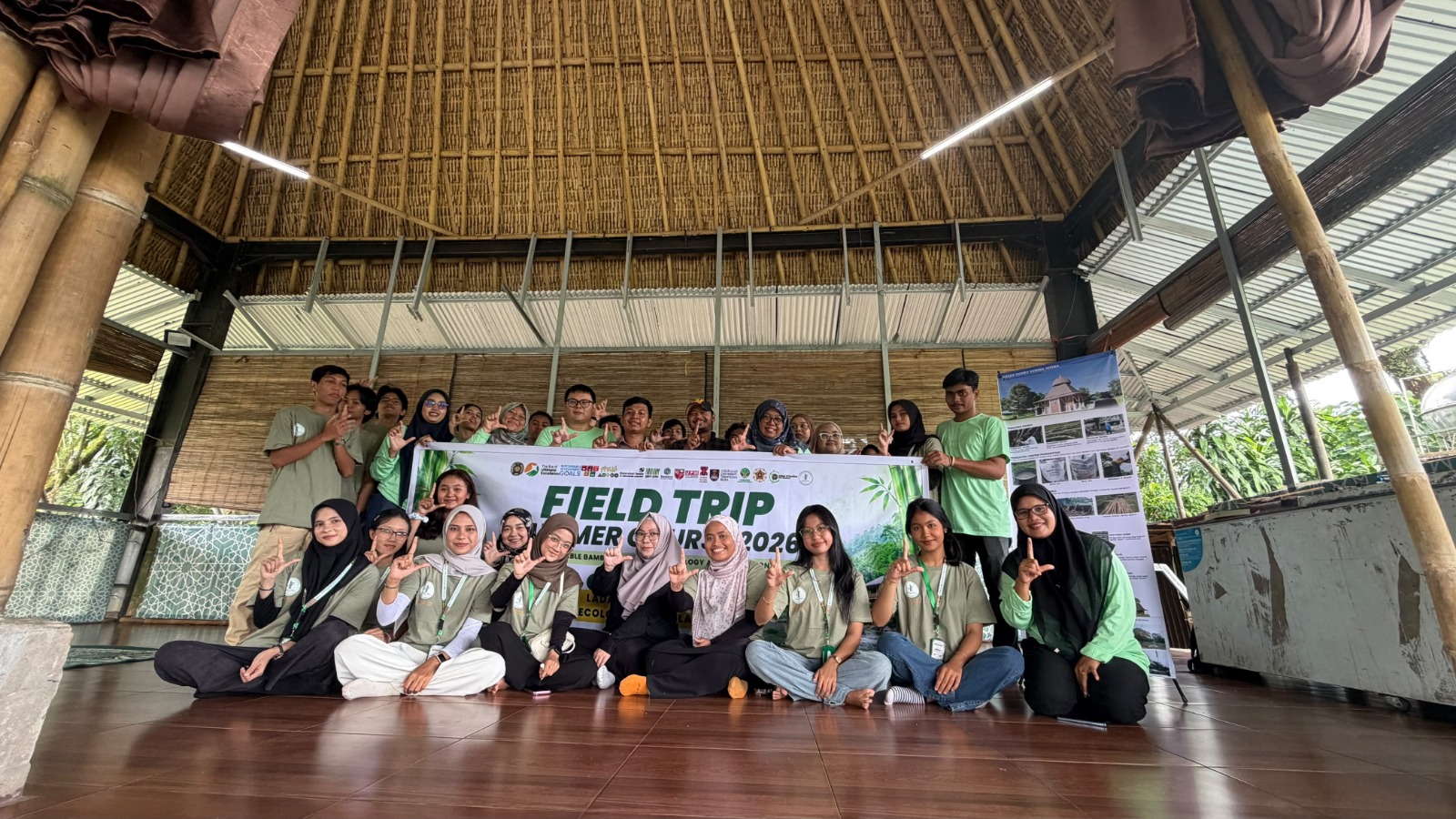
This activity contributes to the achievement of the Sustainable Development Goals (SDGs), particularly SDG 4 (Quality Education) through experiential learning and field practice; SDG 9 (Industry, Innovation, and Infrastructure) through the introduction of bamboo processing technology as a construction material; SDG 12 (Responsible Consumption and Production) through the sustainable use of renewable natural resources; and SDG 15 (Life on Land) through the introduction of planting practices and concern for environmental conservation.
Through a spirit of collaboration and learning from different perspectives, Summer Course 2026 is expected to broaden participants' knowledge of innovations in bamboo utilization while fostering awareness that technological development, the green economy, and environmental conservation must go hand in hand to achieve a sustainable future.