


.webp)
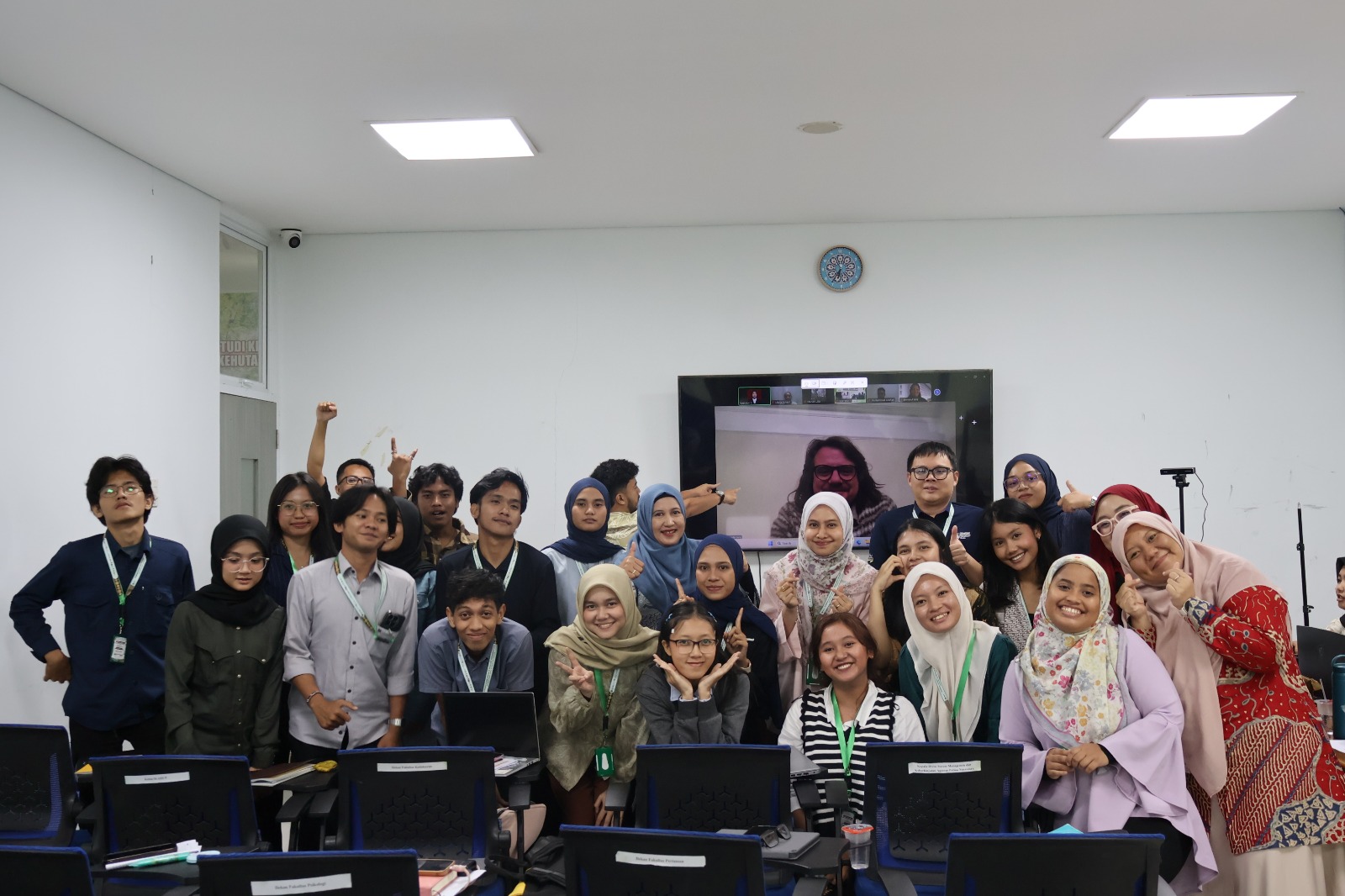
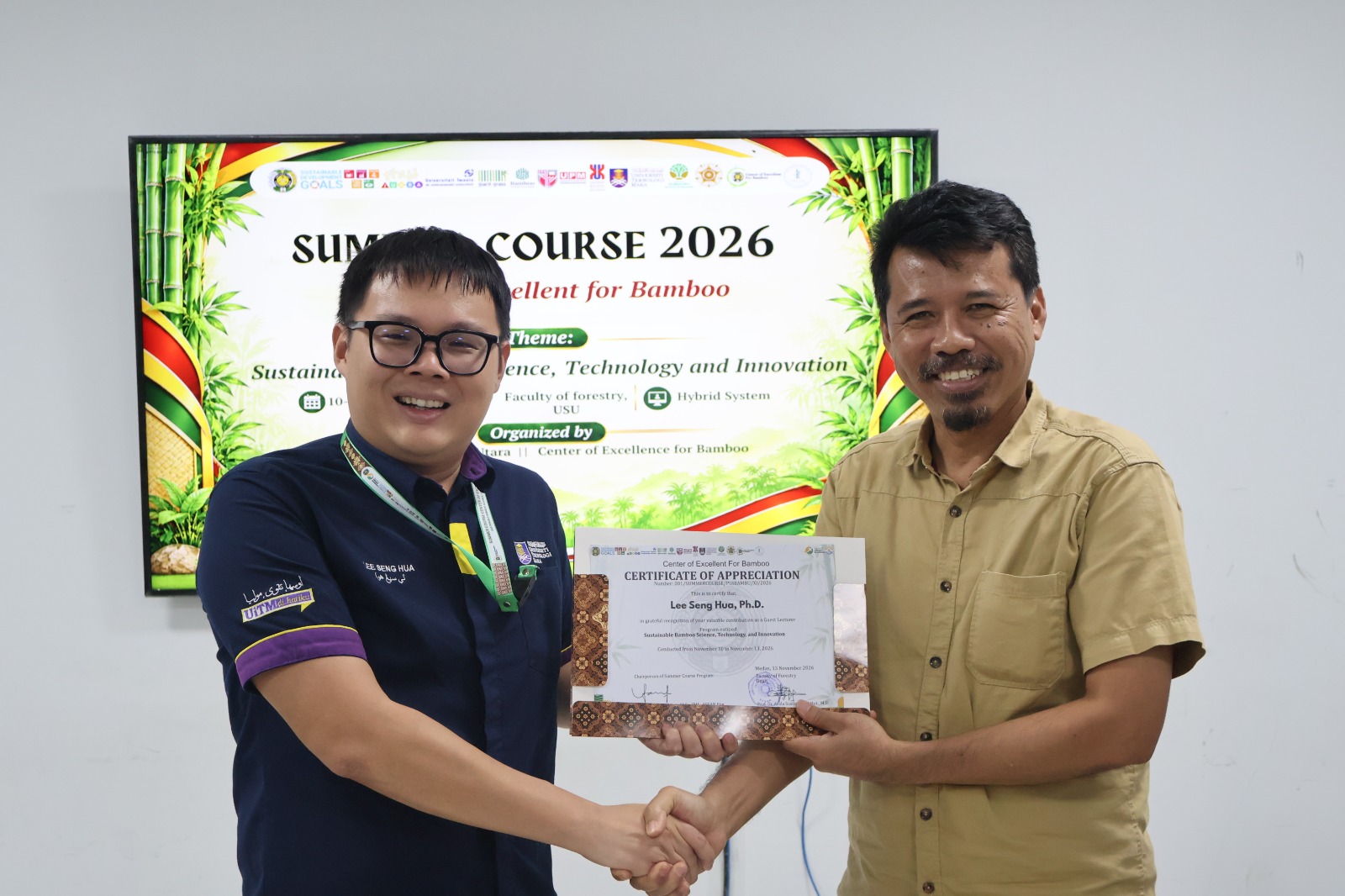
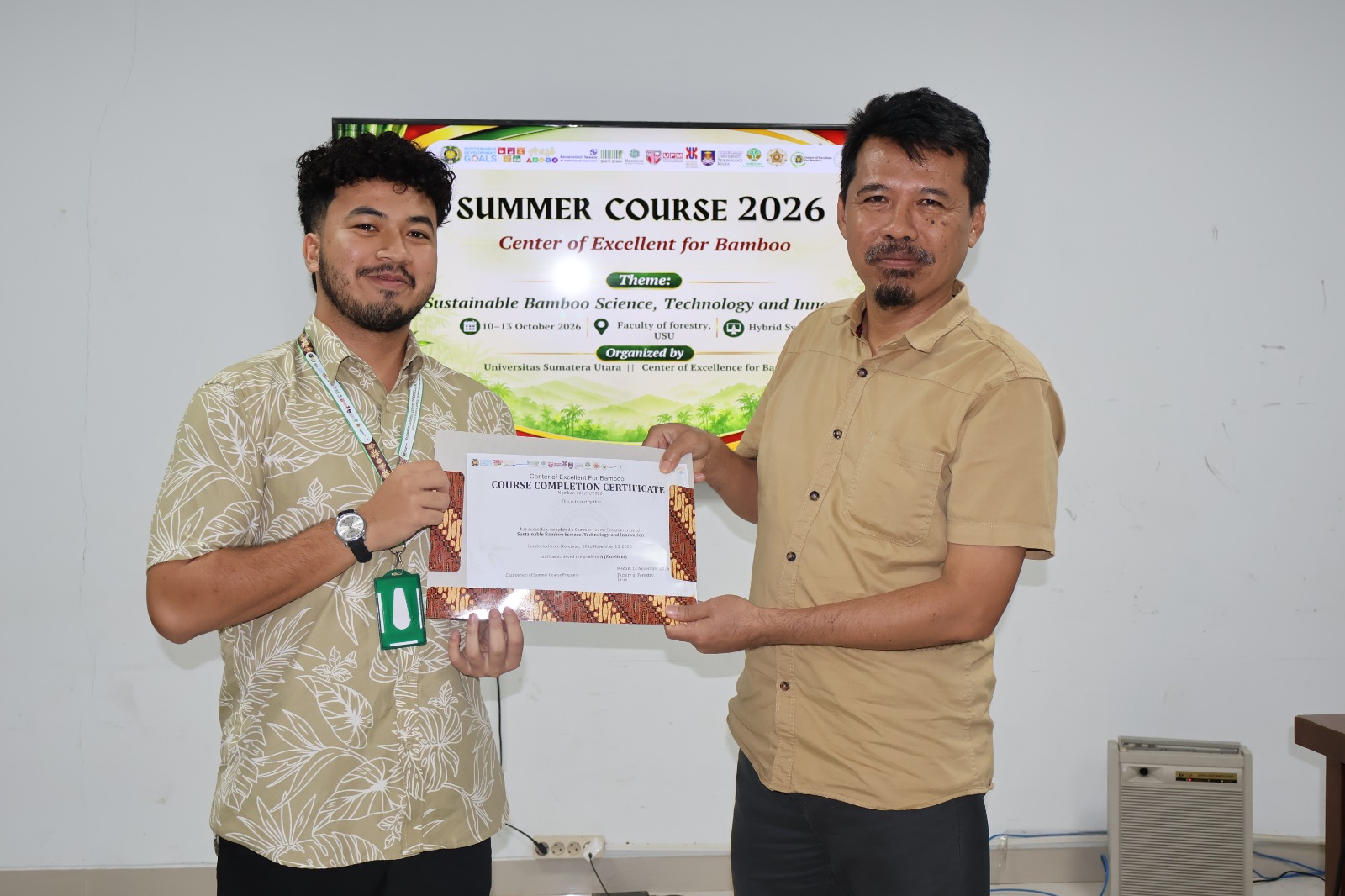
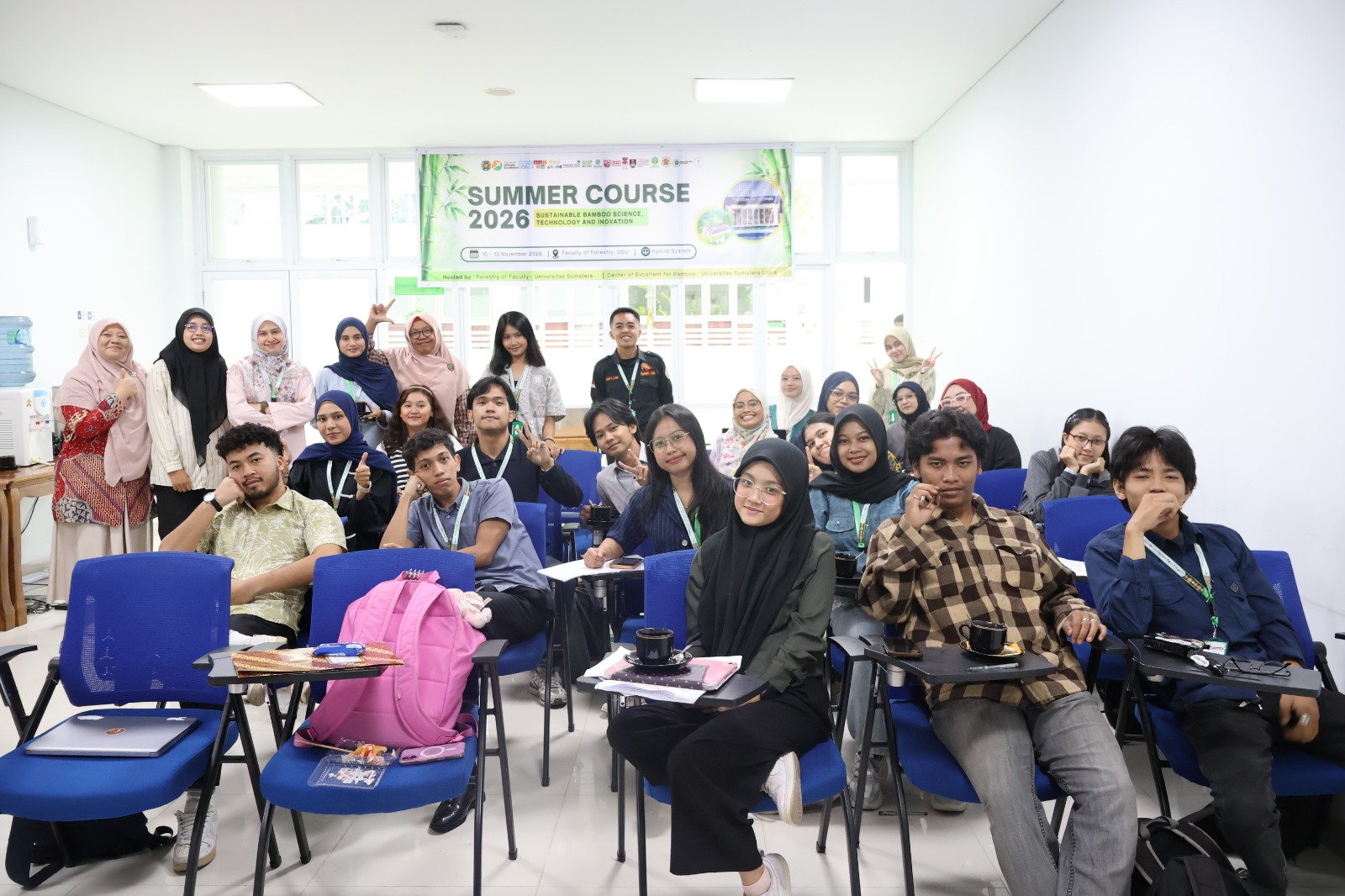
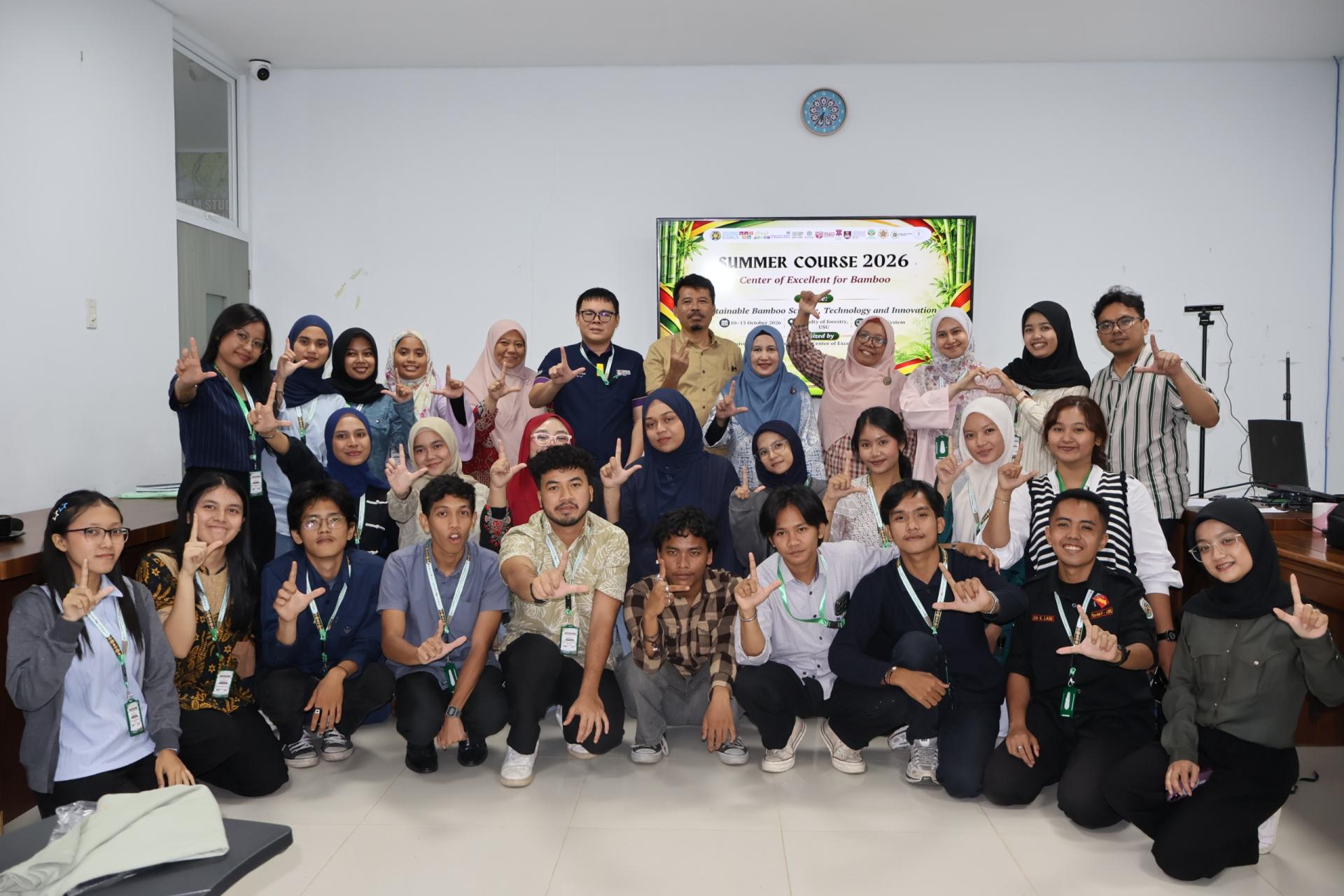
The Faculty of Forestry, Universitas Sumatera Utara (USU), in collaboration with the Bamboo Center of Excellence for Science and Technology (PUI), continued the third day of its Summer Course activities on Thursday (November 12, 2026). The activities, held in a hybrid format, both in person at the Faculty of Forestry, USU, and online via Zoom, featured several experts who broadened participants' insights into the potential, innovations, and sustainable utilization of bamboo.
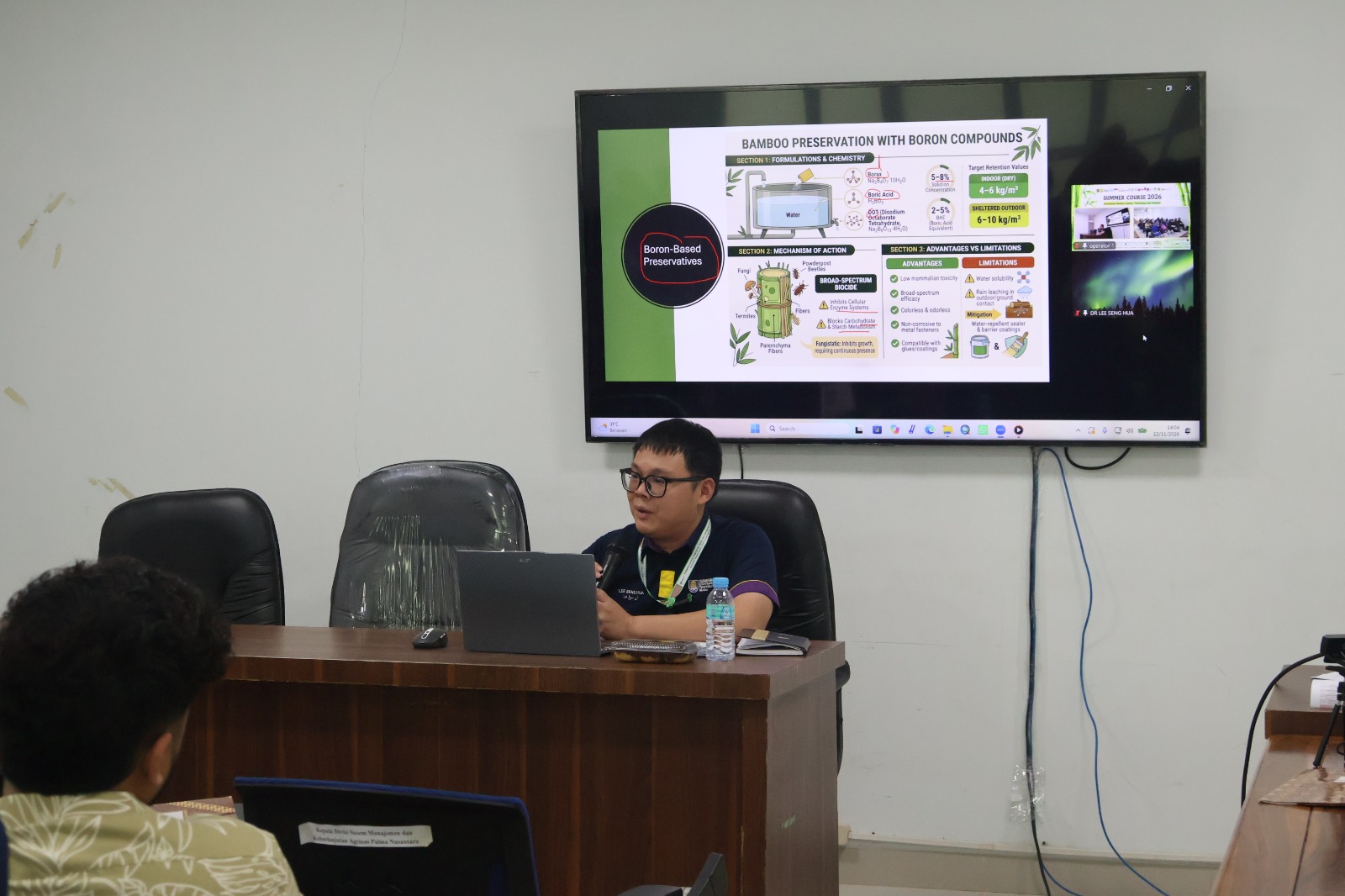
During the presentation sessions, Dr. Lee Seng Hua attended in person to deliver material entitled “Bamboo Preservation and Modification.” Meanwhile, several other speakers joined online, namely Prof. Dr. Agr. Sc. Ragil Widyorini, who presented “International Bamboo Innovation Challenge”; Dr. Desy Ekawati, with the topics “Bamboo Ecology, Sustainable Cultivation and Climate Change” and “Circular Bioeconomy, LCA and Bamboo Value Chains”; and Jakob Kupferberg, who discussed “Bamboo Entrepreneurship and Green Business Models.”
These various topics provided participants with a comprehensive perspective on bamboo, ranging from preservation and modification techniques, product innovation, ecology and sustainable cultivation, to the development of value chains and bamboo-based entrepreneurial opportunities. Through presentations by experts, participants are expected to understand that bamboo has not only ecological value but also economic potential that can be developed through innovation and responsible management.
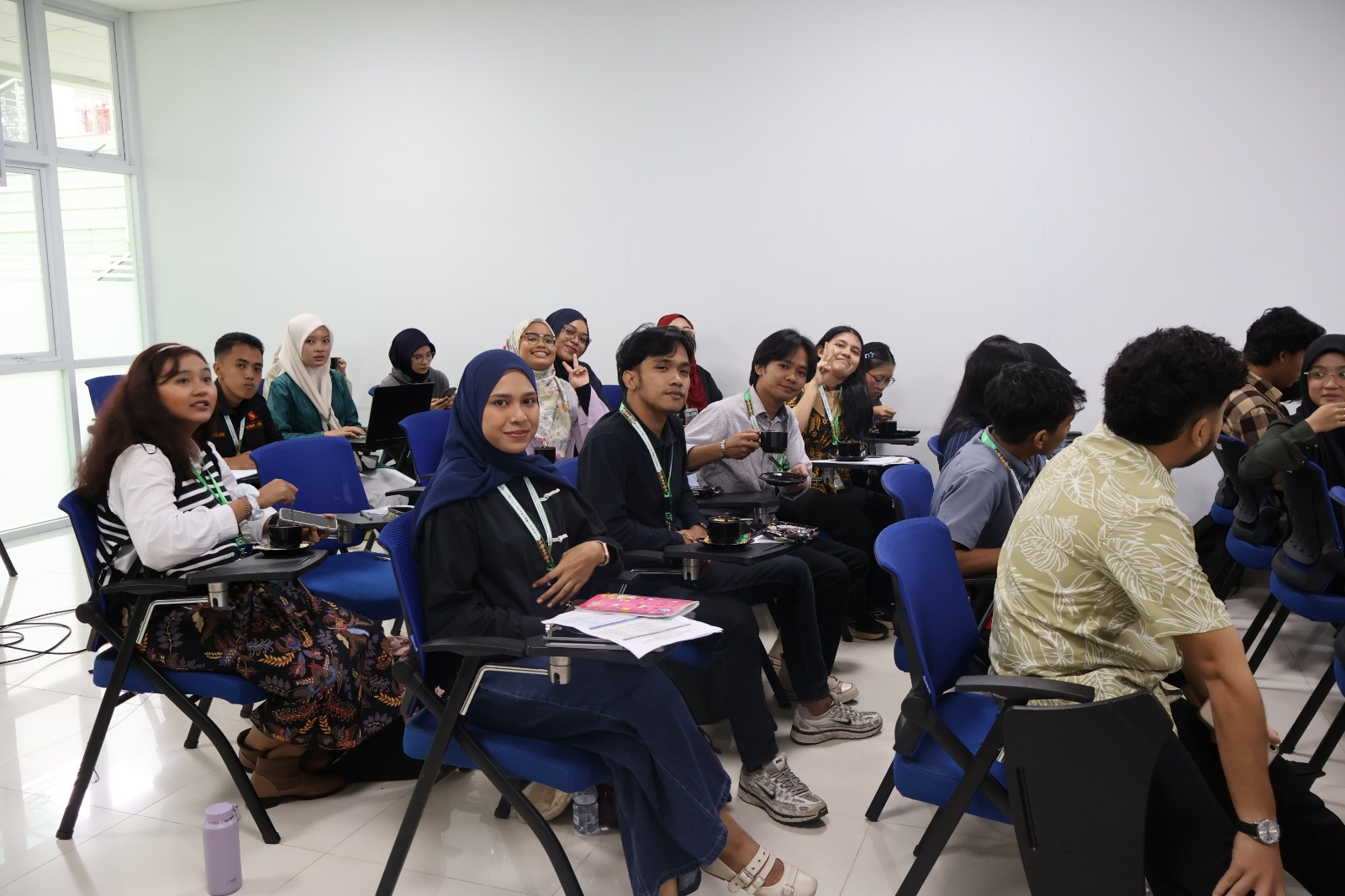
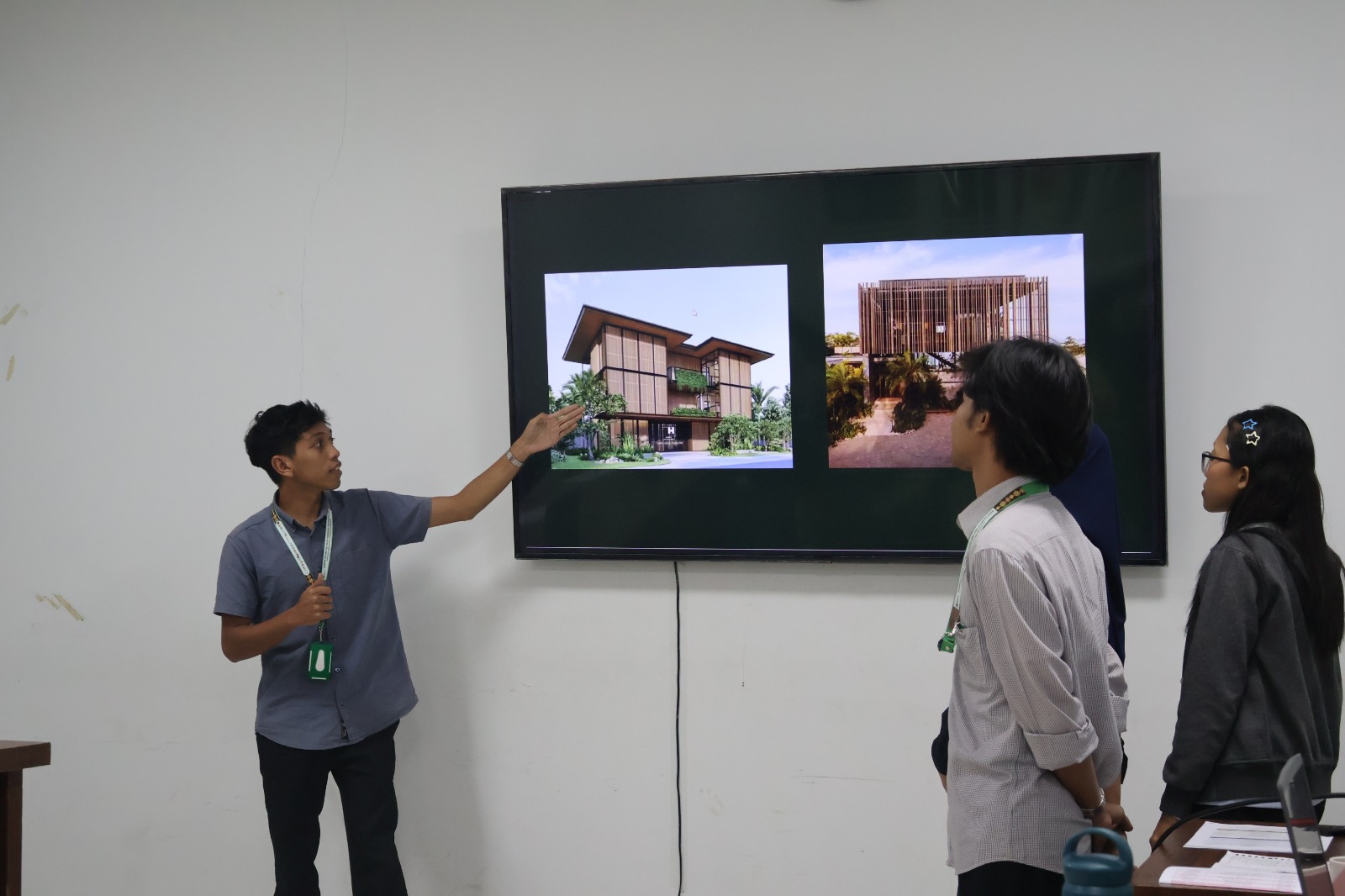
Following the presentation sessions, the activities continued with Innovation Pitching & Project Presentation, which provided a platform for participants to present innovative ideas and projects related to bamboo development. This session was then complemented by Feedback & Reflection, allowing participants to receive input and evaluate the ideas they had presented.
Through the collaboration between the Faculty of Forestry, USU, and the Bamboo Center of Excellence for Science and Technology (PUI), this activity is expected to strengthen knowledge exchange, encourage the emergence of innovative ideas, and enhance the capacity of the younger generation to understand and develop bamboo's potential sustainably. This initiative also supports the achievement of the Sustainable Development Goals (SDGs), namely SDG 4 (Quality Education) through the provision of learning and knowledge exchange opportunities with experts; SDG 12 (Responsible Consumption and Production) through the development of innovation and the optimal and sustainable utilization of bamboo; SDG 13 (Climate Action) through increased understanding of sustainable bamboo cultivation and its contribution to climate change mitigation efforts; SDG 15 (Life on Land) through increased awareness of biodiversity conservation and natural resource management; and SDG 17 (Partnerships for the Goals) through strengthening collaboration among universities, centers of excellence for science and technology, and experts in promoting innovation and the sustainable development of natural resources.
 |
 |
 |
 |