


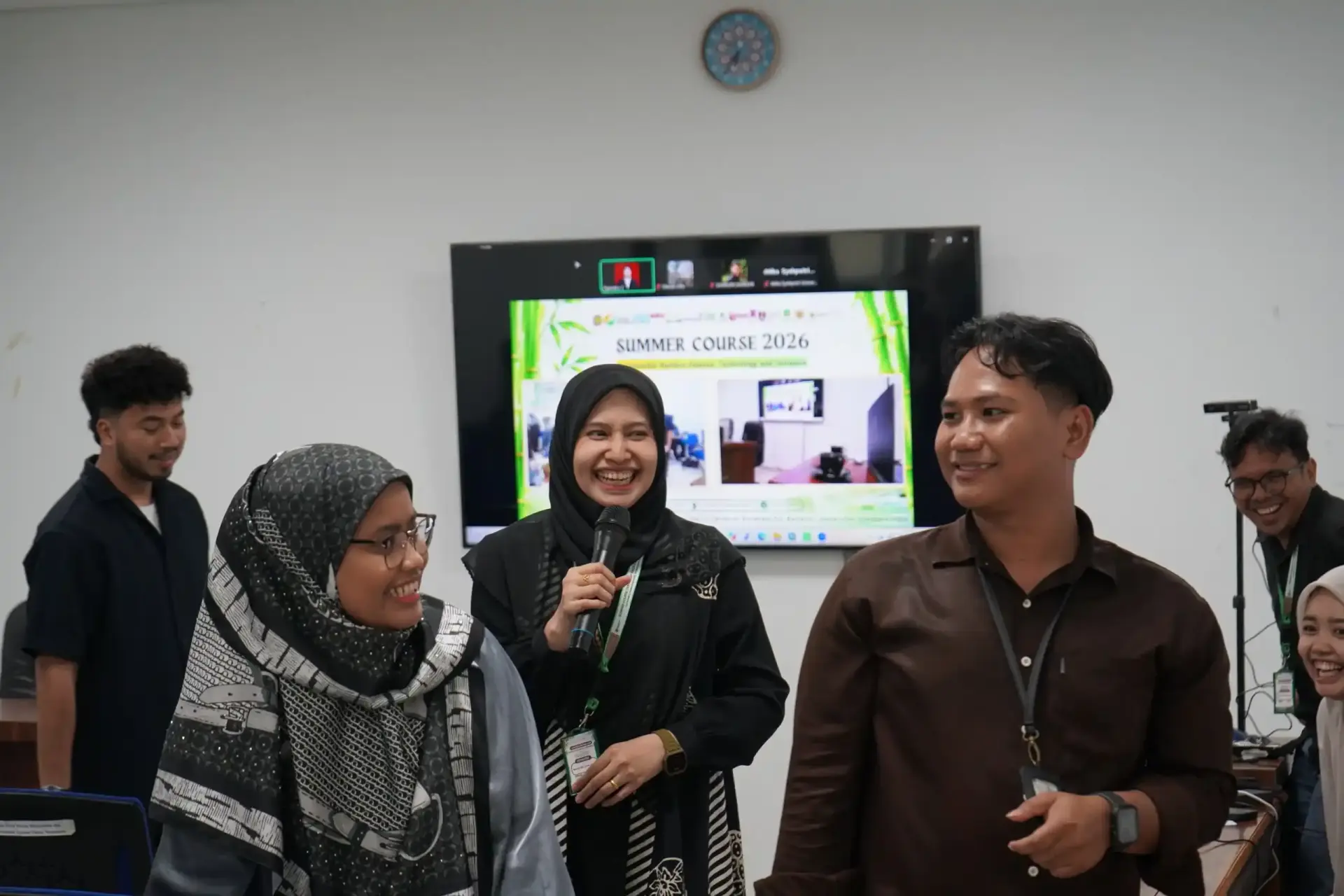
The Faculty of Forestry, Universitas Sumatera Utara (USU), together with the USU Bamboo Center of Excellence for Science and Technology (PUI), continued the series of Summer Course 2026 activities entitled “Innovative Bamboo Technologies for Green Economy and Circular Bioeconomy” on Wednesday (November 11, 2026). Held in a hybrid format at the Faculty of Forestry, USU, Bekala Campus II, Deli Serdang, the second day of activities featured several researchers and academics who shared their knowledge of technological innovations, processing, and the development of bamboo's potential as a sustainable resource.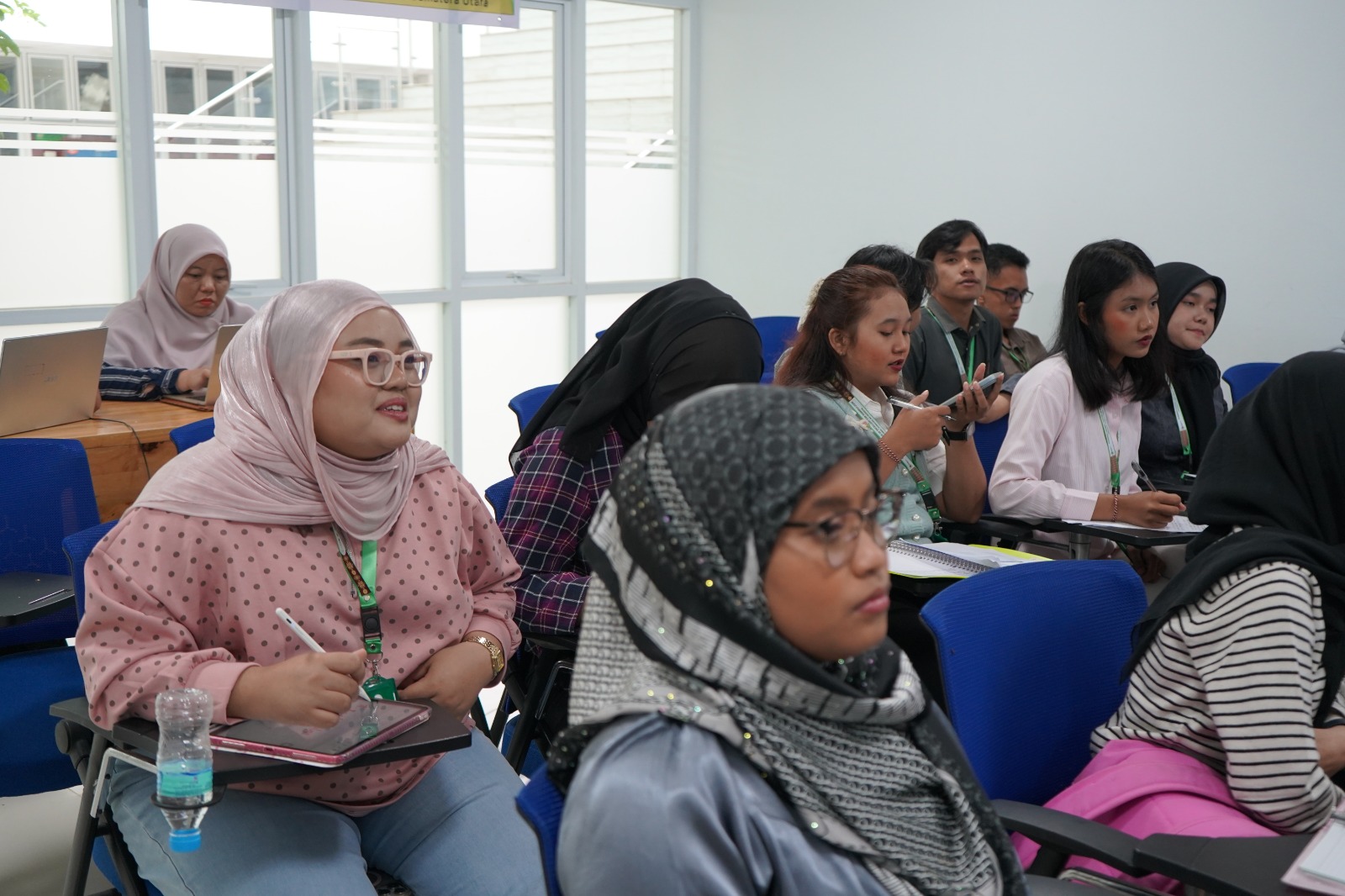
The second day of learning featured Dr. Lum, Dr. Lee Seng Hua, and Thomas Groen, Ph.D., who delivered materials based on their respective fields of expertise. Through both in-person and online learning sessions, participants gained deeper insights into bamboo utilization, covering aspects ranging from industrial processing, renewable energy, and material characteristics to the application of digital technology in bamboo resource management.
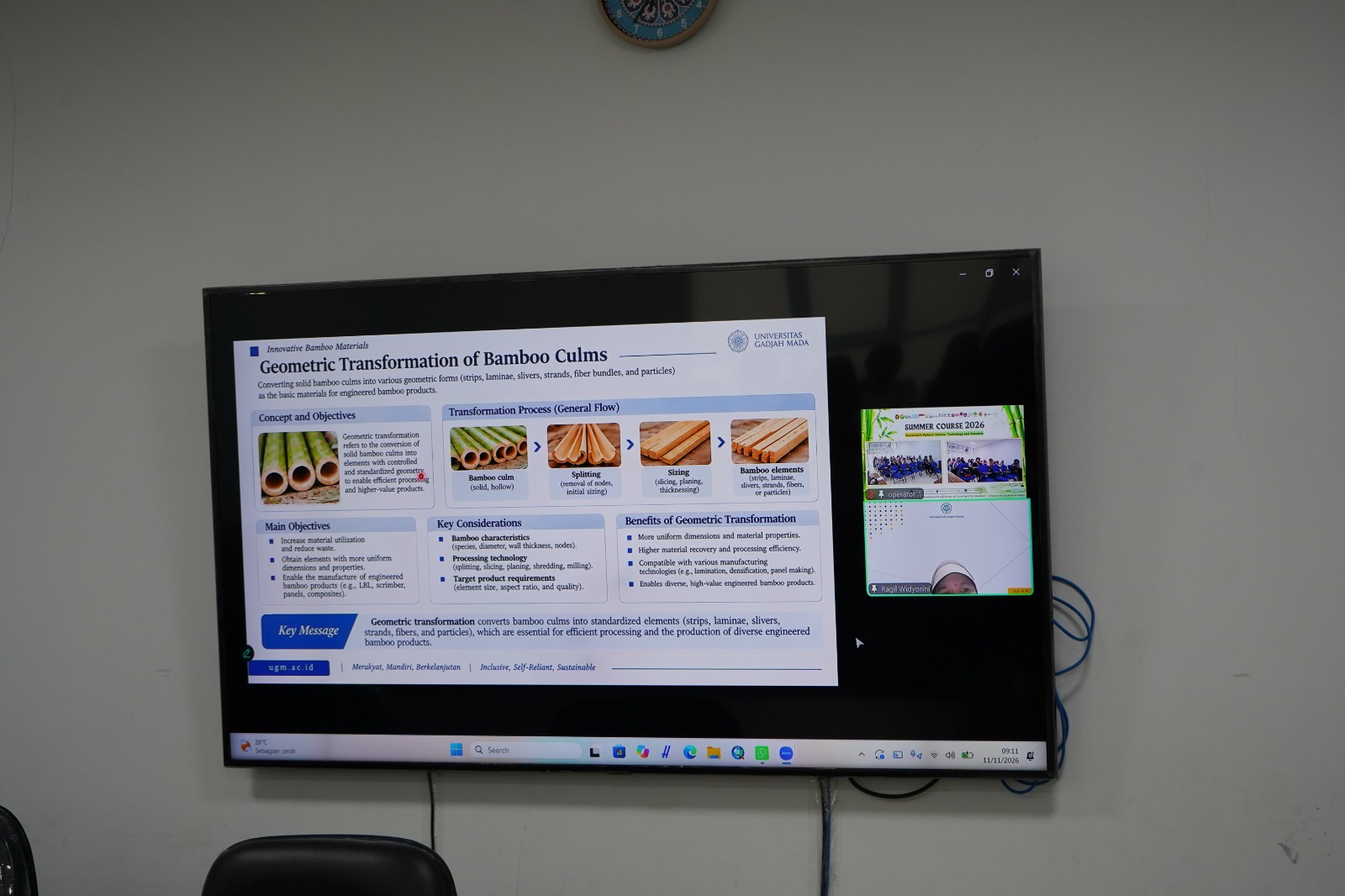
The academic sessions began with a presentation entitled “Bamboo Processing, Industry and Product Development,” delivered online by Dr. Lum. This material discussed various stages of bamboo processing, opportunities for industrial development, and innovations in bamboo-based products that have the potential to increase the added value of this commodity. Participants were invited to understand how proper processing and technological development can encourage bamboo to become a competitive alternative raw material with higher economic value.
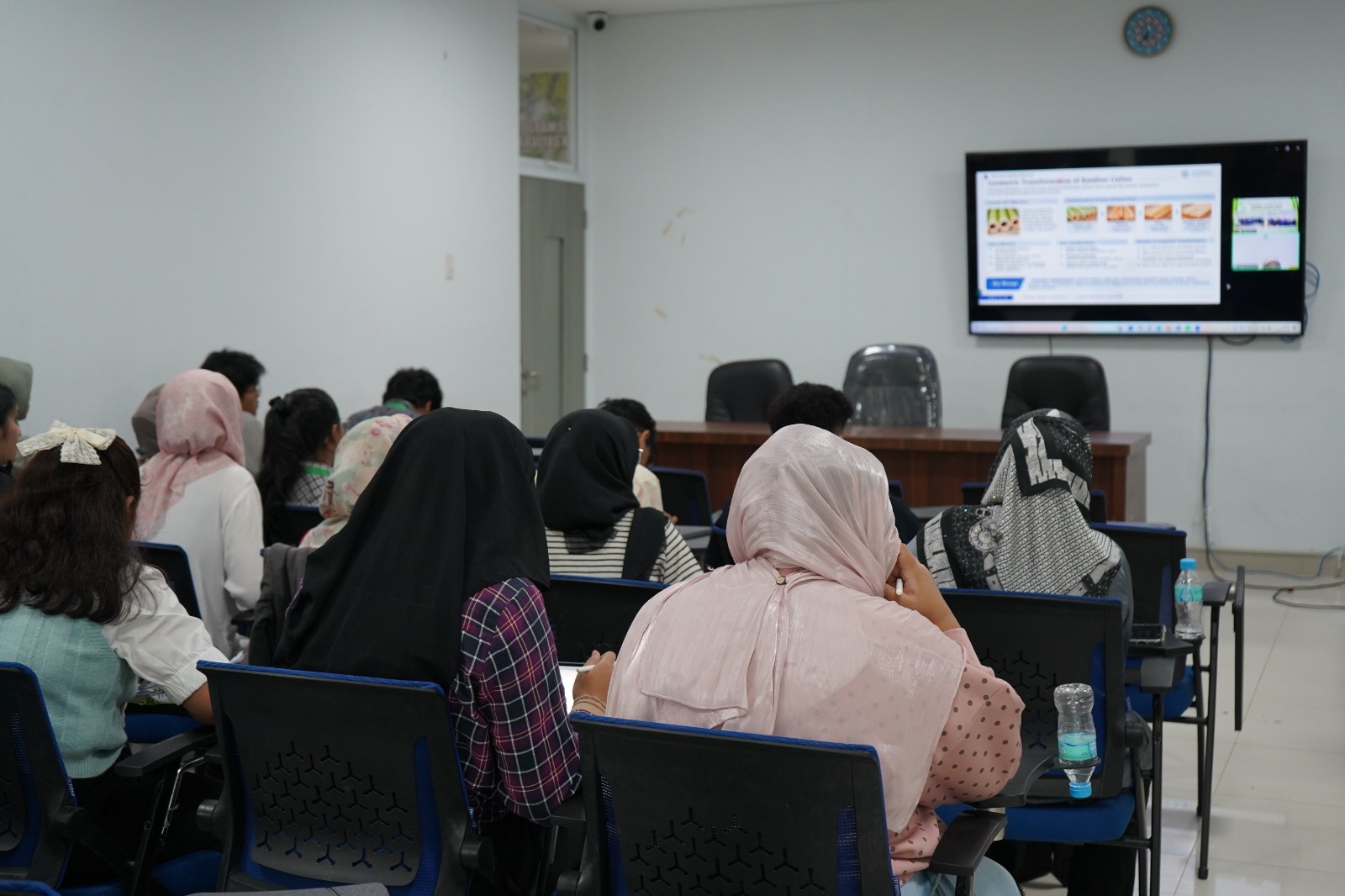
Learning continued with the topic “Bamboo Bioenergy, Biochar and Biorefinery,” also delivered by Dr. Lum. In this session, participants were introduced to the potential of bamboo biomass as a renewable energy source, a raw material for biochar, and the development of various derivative products through a biorefinery approach. This discussion broadened participants' perspectives on the comprehensive utilization of bamboo, including optimizing processing waste to produce more valuable and environmentally friendly products.
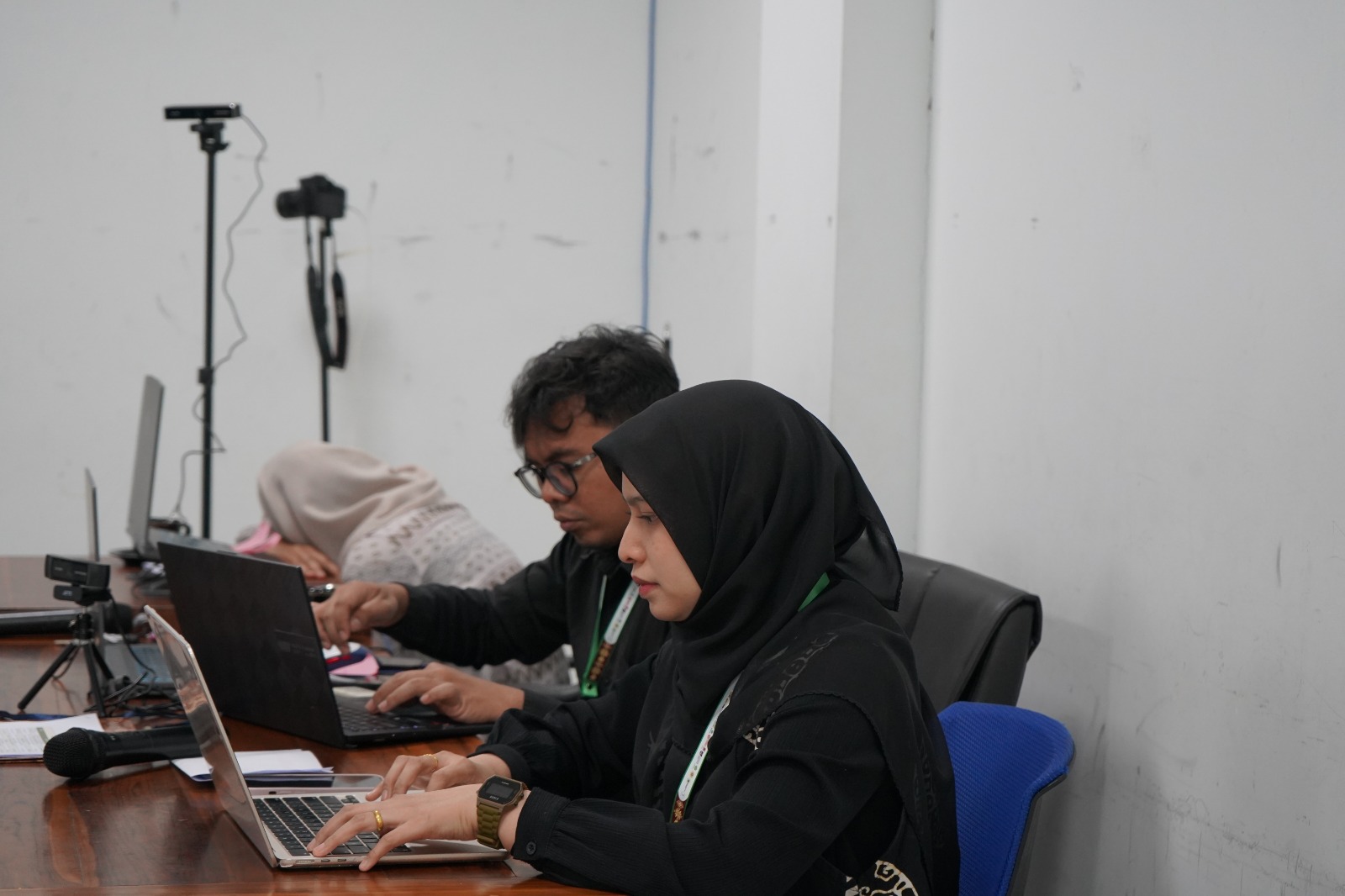
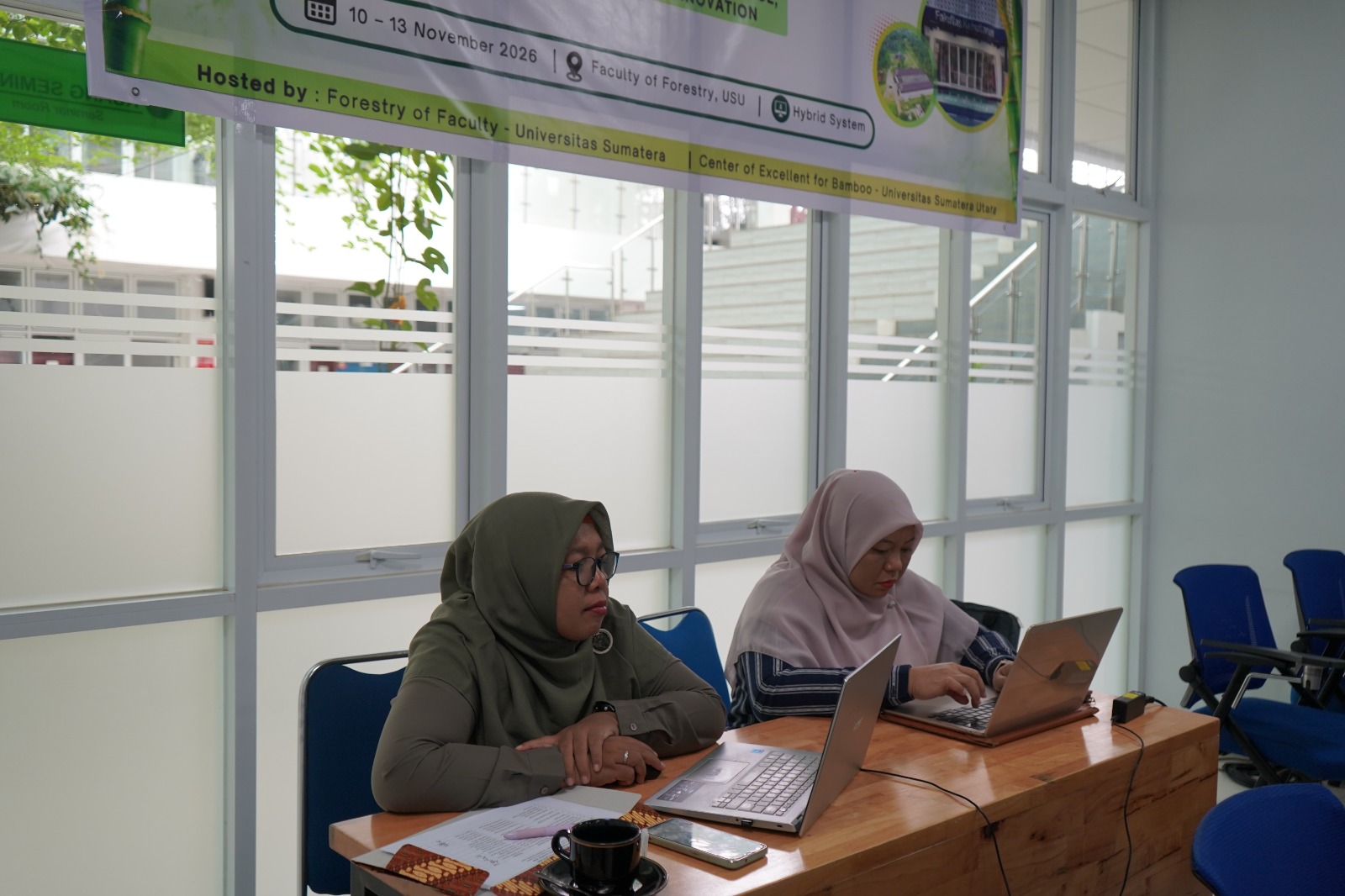
In between lectures and presentations, the committee invited participants to take part in ice-breaking sessions and various interactive games. These activities were not only intended to refresh the atmosphere and help participants regain their concentration but also served as a means of building rapport, strengthening interactions, and fostering a sense of togetherness between participants and the committee. As a result, the activities took place in a more dynamic, warm, and enjoyable atmosphere.
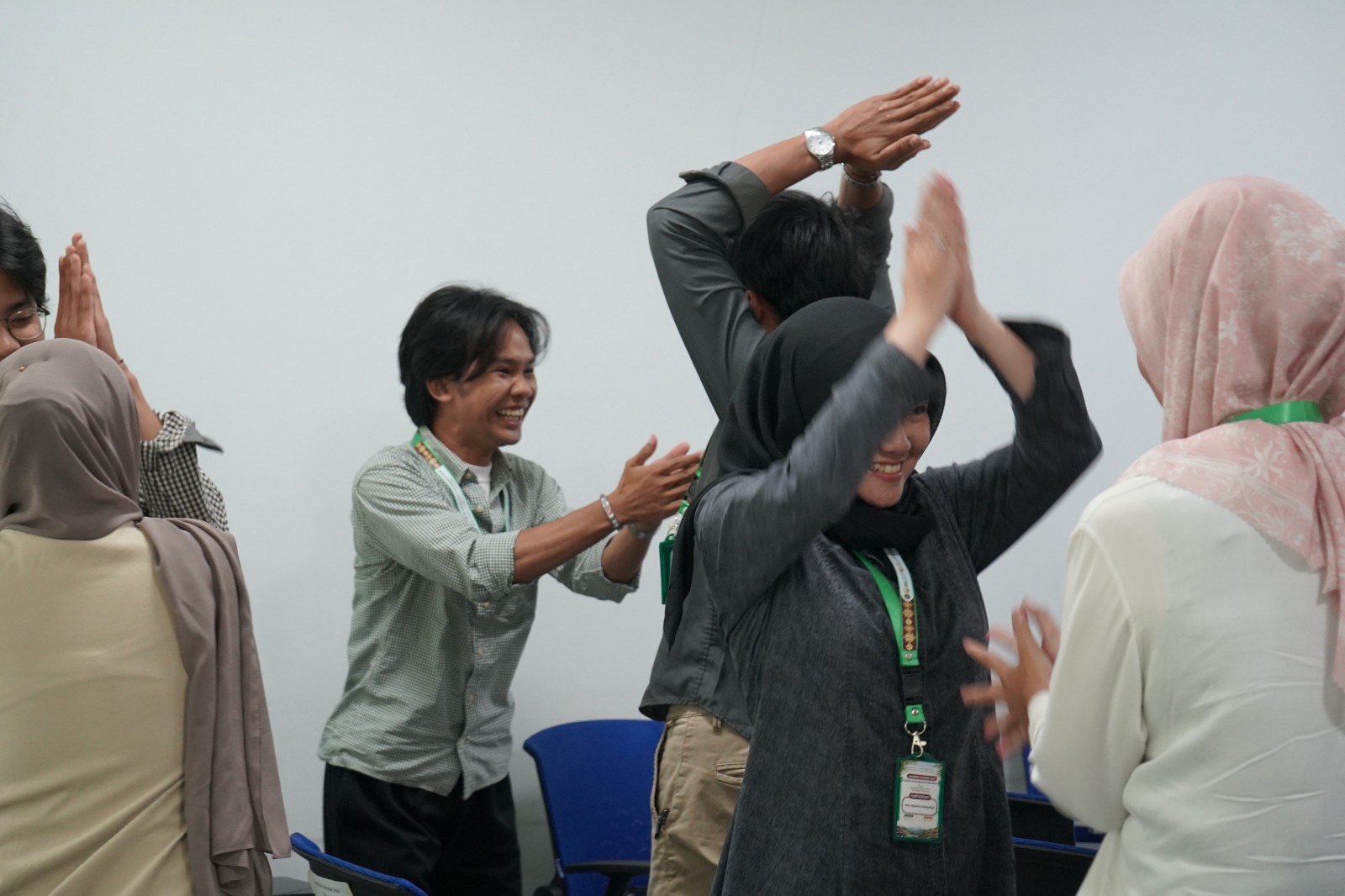
The program continued with the presentation entitled “Bamboo Anatomy, Structure and Material Characterization,” delivered by Dr. Lee Seng Hua. This material examined the anatomical structure of bamboo as well as its physical and mechanical characteristics, which determine its quality and potential for use as a raw material for various products. Understanding the properties and structure of bamboo materials is an important aspect of determining processing methods, improving product quality, and developing bamboo-based material innovations that meet industrial needs.
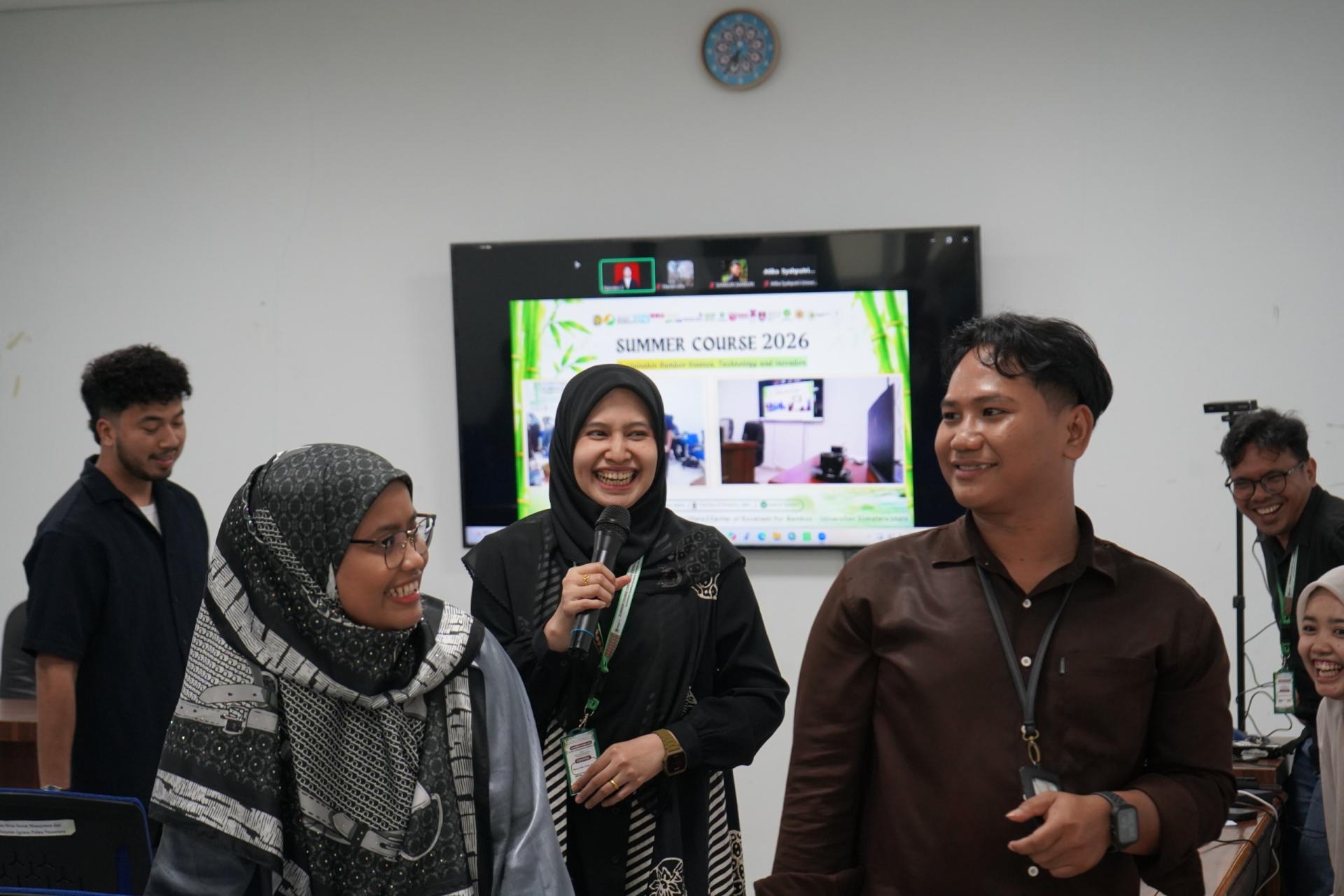
Next, participants attended the presentation entitled “Smart Bamboo: GIS, Remote Sensing, UAV, AI and IoT,” delivered online by Thomas Groen, Ph.D. This session introduced the use of digital technology in the inventory, mapping, monitoring, and management of bamboo resources. The integration of Geographic Information Systems (GIS), remote sensing, unmanned aerial vehicles (UAVs), artificial intelligence (AI), and the Internet of Things (IoT) creates opportunities for more modern, accurate, and data-driven bamboo management.
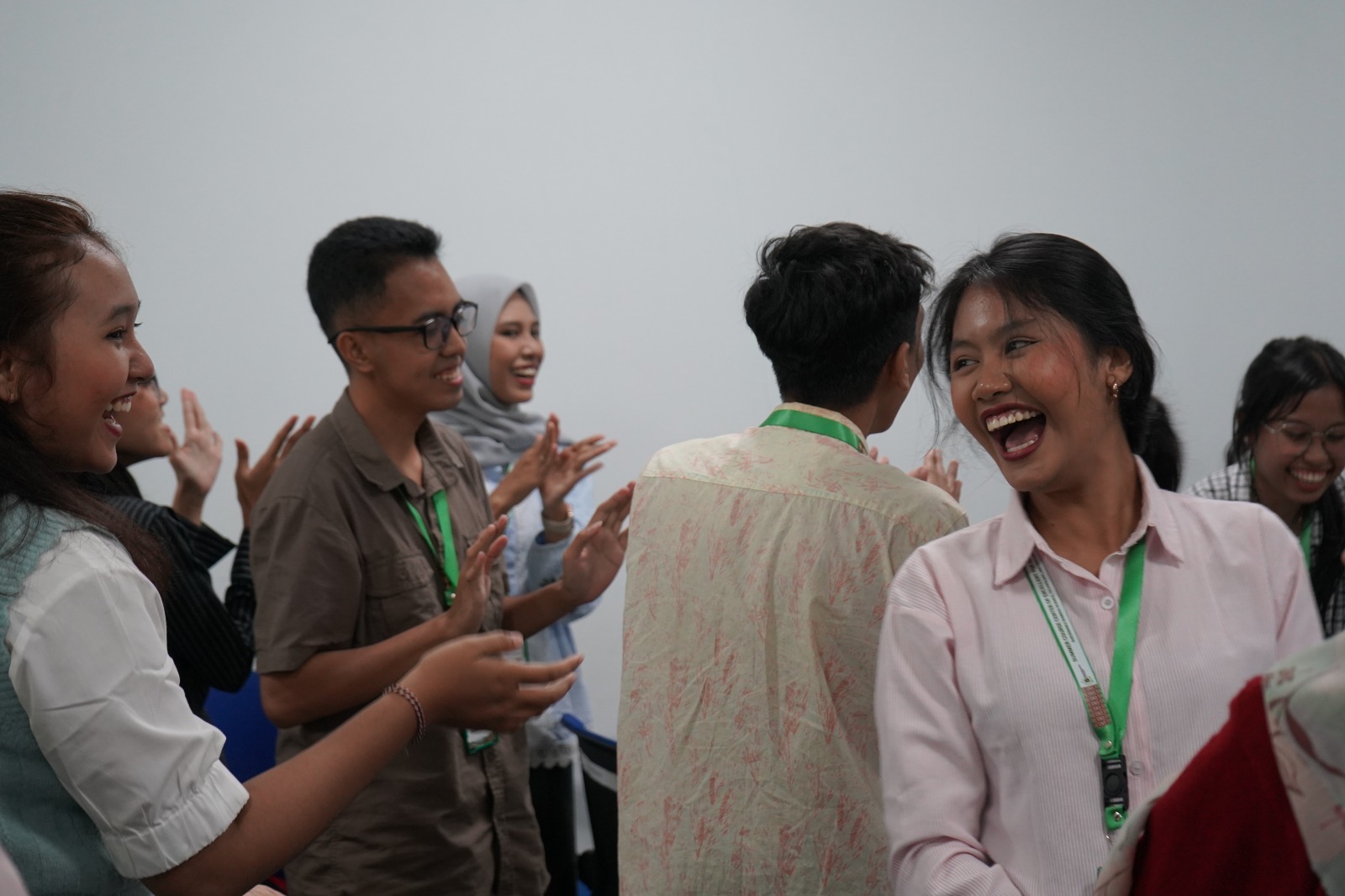
Throughout the learning sessions, participants showed enthusiasm in attending each session until the activities concluded. The combination of theoretical materials, research perspectives, and technological developments provided a comprehensive learning experience while creating opportunities for knowledge exchange between participants and the speakers. The activities then concluded with a reflection session and daily assignment guided by the Academic Team of the Faculty of Forestry, USU, as a means of evaluating and strengthening participants' understanding of the materials presented.
The implementation of the second day of Summer Course 2026 further strengthened the role of the Faculty of Forestry, USU, together with the USU Bamboo Center of Excellence for Science and Technology (PUI), in promoting the development of knowledge, research, and innovations in bamboo utilization. By involving academics and researchers from various fields of expertise, this program is expected to broaden participants' insights while fostering collaboration to develop bamboo as a strategic commodity with significant potential for the green economy and circular bioeconomy.
This activity also contributes to the achievement of the Sustainable Development Goals (SDGs), particularly SDG 4 (Quality Education) through capacity building and knowledge exchange, SDG 7 (Affordable and Clean Energy) through the exploration of bamboo-based bioenergy potential, SDG 9 (Industry, Innovation, and Infrastructure) through the development of technology and innovation in the bamboo industry, SDG 12 (Responsible Consumption and Production) through the optimization of biomass utilization and the implementation of circular economy principles, and SDG 17 (Partnerships for the Goals) through academic collaboration and the exchange of expertise. Thus, Summer Course 2026 is a concrete step toward strengthening synergies in education, research, and innovation to support the sustainable use of natural resources.