.webp)
A cheerful and enthusiastic atmosphere filled the Arboretum of the Faculty of Forestry, Universitas Sumatera Utara (USU), on Sunday (September 27, 2026), as Relawan Kemanusiaan Nusantara (RAWANTARA) once again held its Sekolah Lintas Alam activity. Carrying the theme “Trees Are My Friends,” the activity invited children aged 3–9 to explore nature firsthand while fostering a love for the environment from an early age.
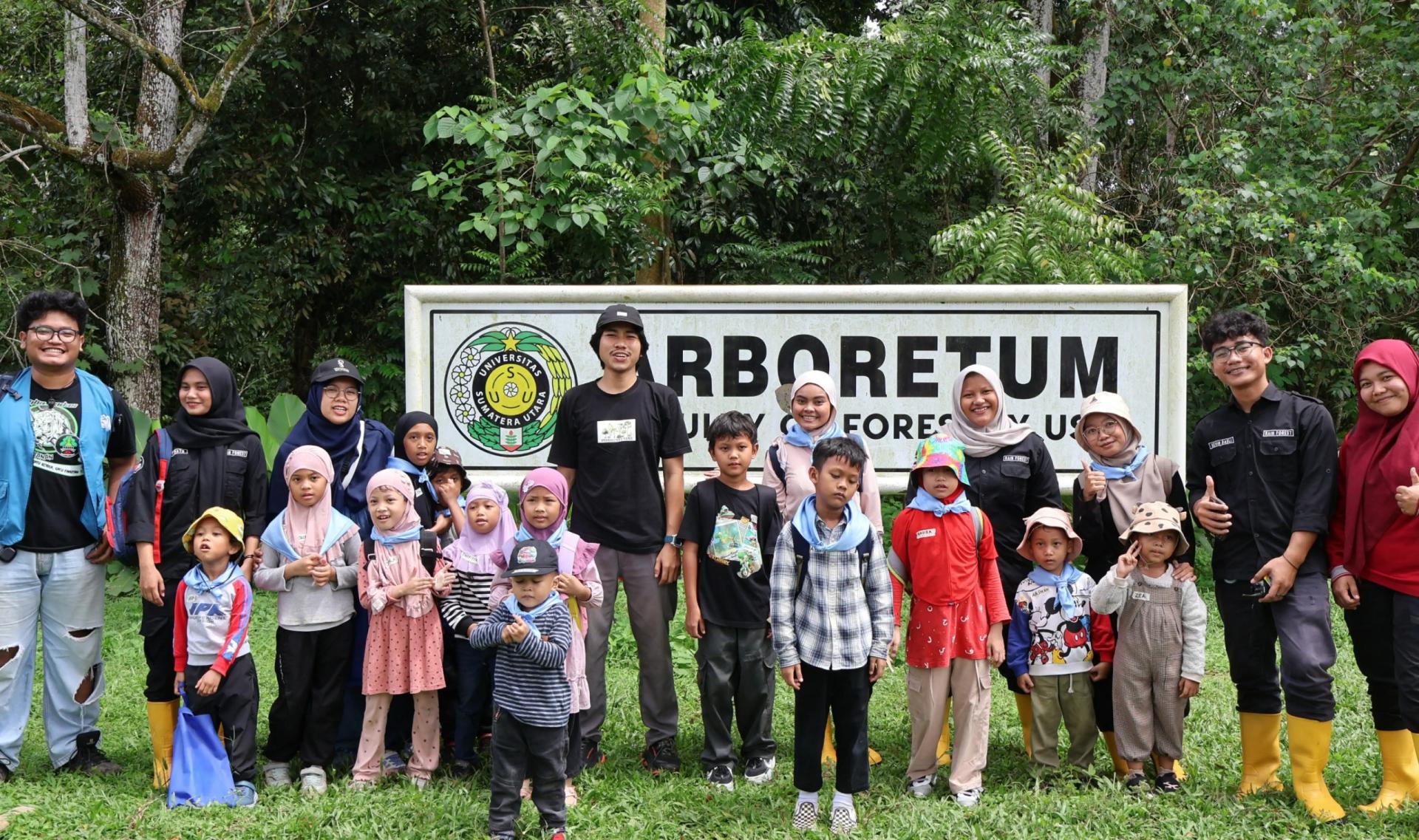
The activity took place at the Arboretum of the Faculty of Forestry USU, Jalan Lingkar Kampus, Simalingkar A, Pancur Batu District, Deli Serdang. It continued the Sekolah Lintas Alam program previously held at the Sibolangit Camping Ground in Deli Serdang. Unlike classroom-based learning, this activity gave children the opportunity to learn through direct experiences in a forest environment.
The activity began with an opening by Zidan Syahira, S.Sos., a member of the RAWANTARA Executive Board. Next, RAWANTARA educator Mahdiyyah Ardhina, S.Si., M.Si., introduced the series of activities and explained the environmental conditions and trails that the participants would explore.
The activity was also supported by the Rain Forest Student Activity Unit, with the participation of its Chairperson, Fedrik, together with Kevin, Fachri, Neha, and Cut. The volunteers accompanied the participants throughout the outdoor activities.
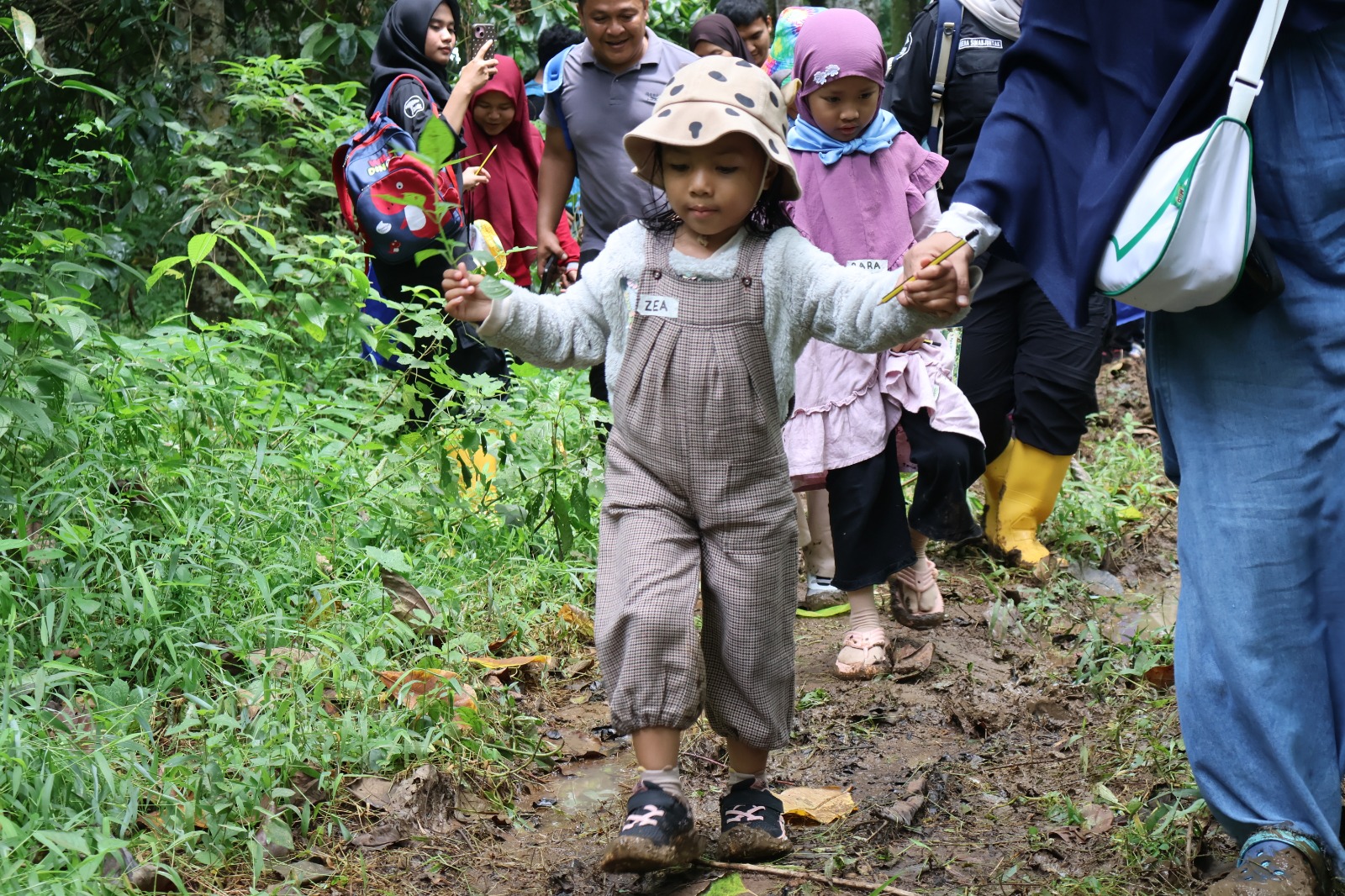
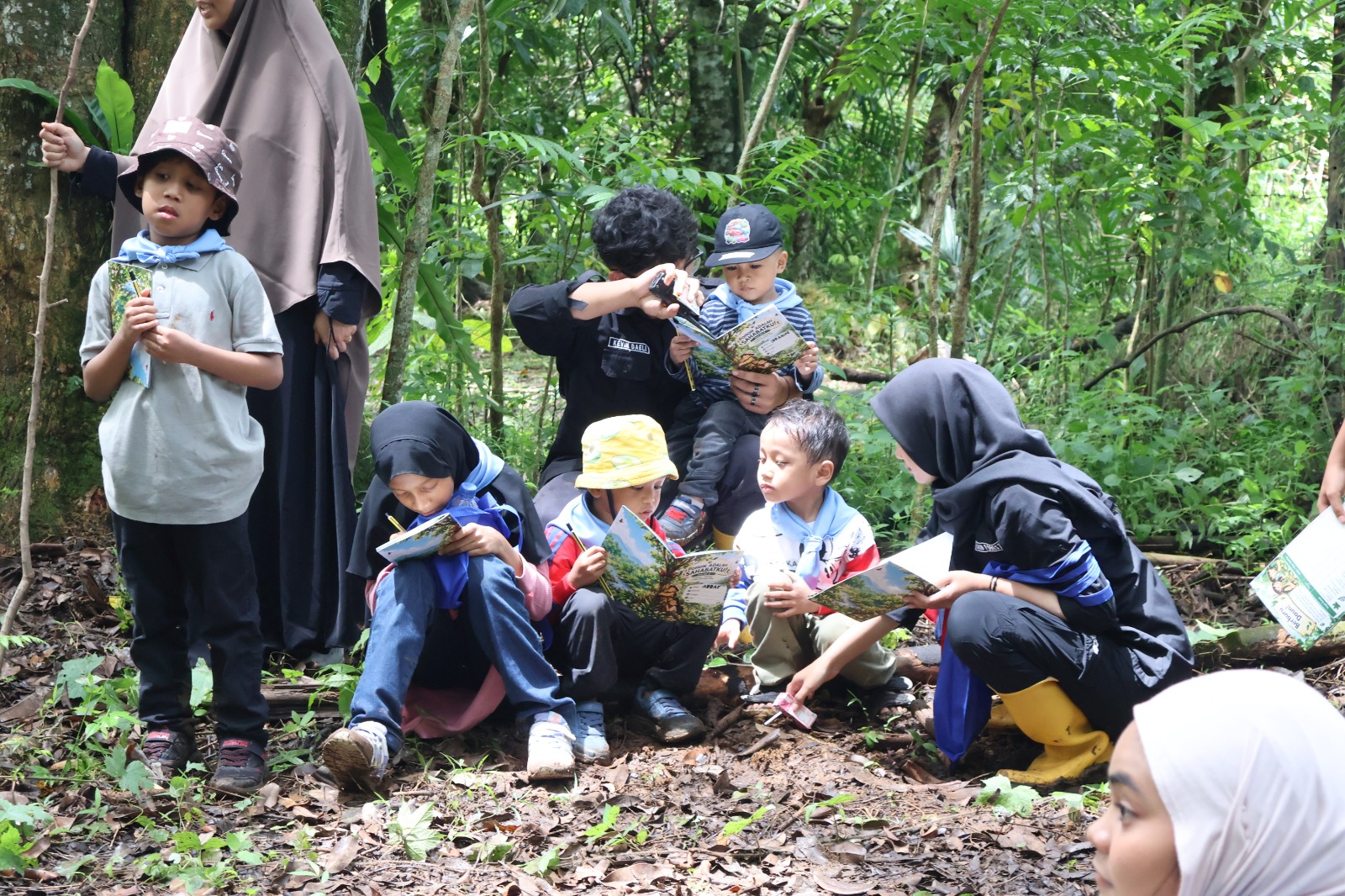
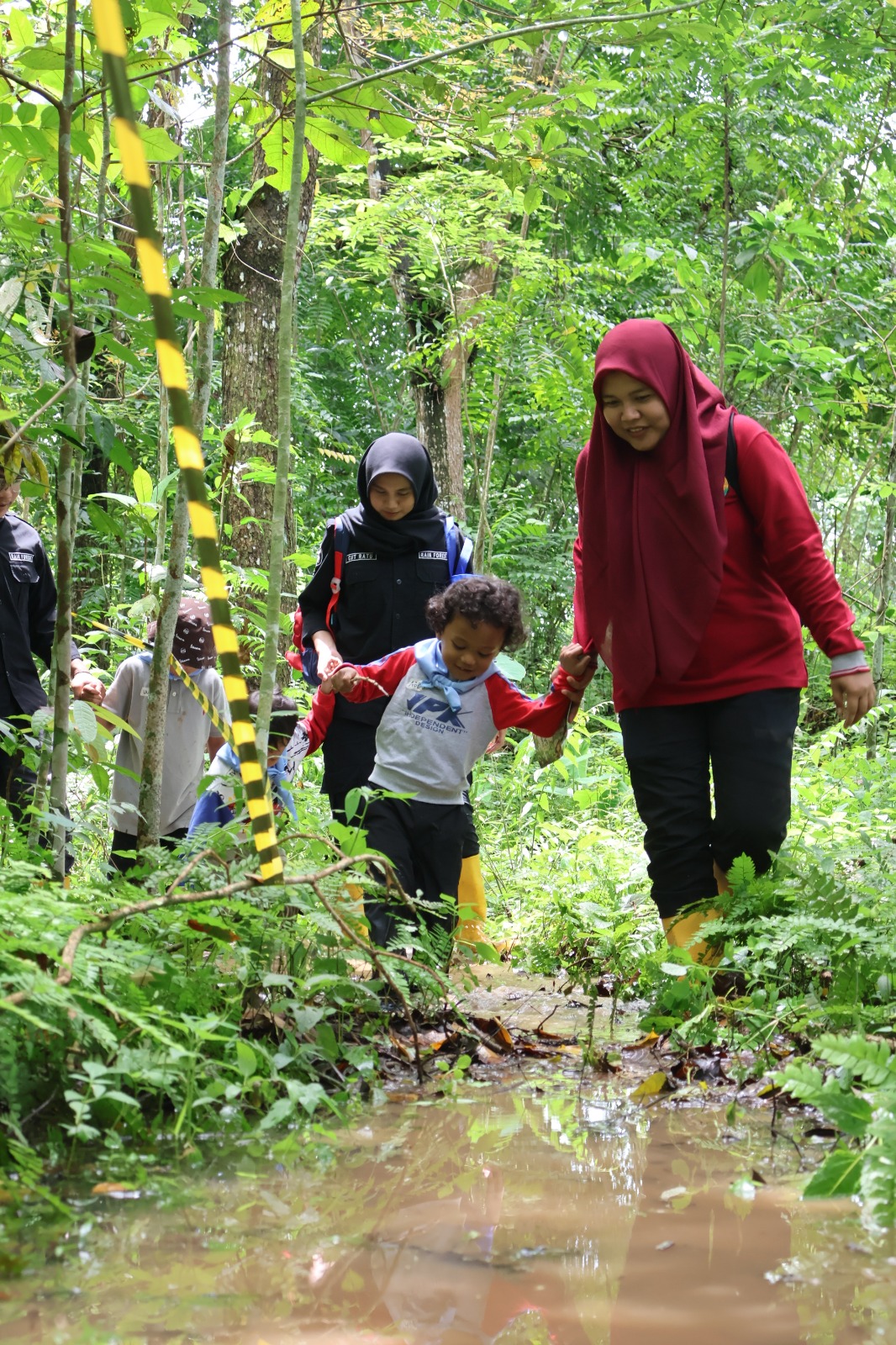
After receiving instructions, the participants, together with their companions and parents, began walking toward the Arboretum entrance. Their enthusiasm was evident from the beginning of the journey. The children eagerly explored the nature trails, while their parents accompanied them and enjoyed the learning experience alongside their children.
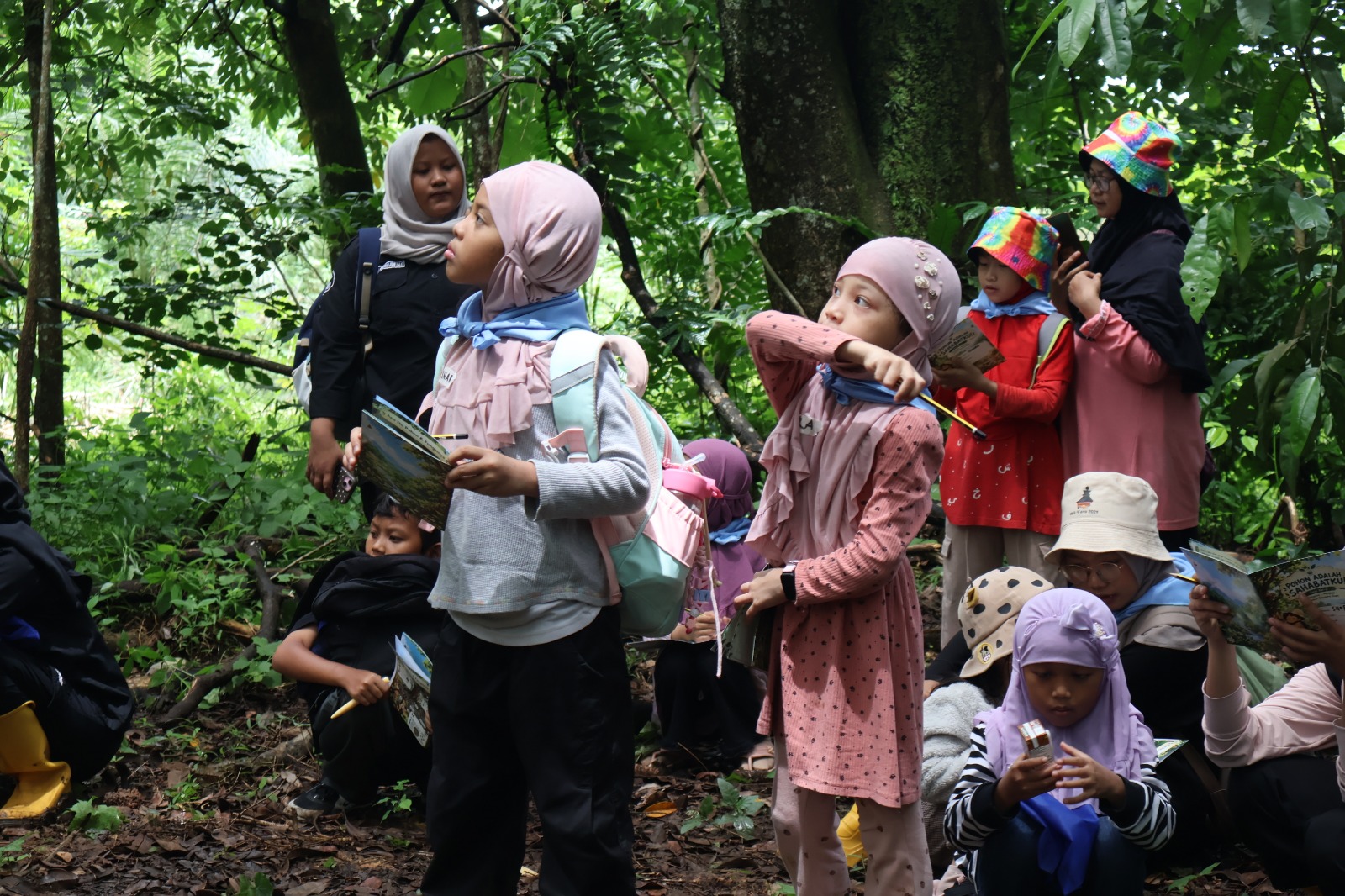
In addition to exploring nature, participants received an introduction to plants, particularly trees, delivered by Ida Mallia Ginting, S.Hut., an alumna of the Faculty of Forestry USU who also serves as Secretary to the Dean. The material was presented simply and interactively, using examples of plants that could be found directly in the surrounding area.
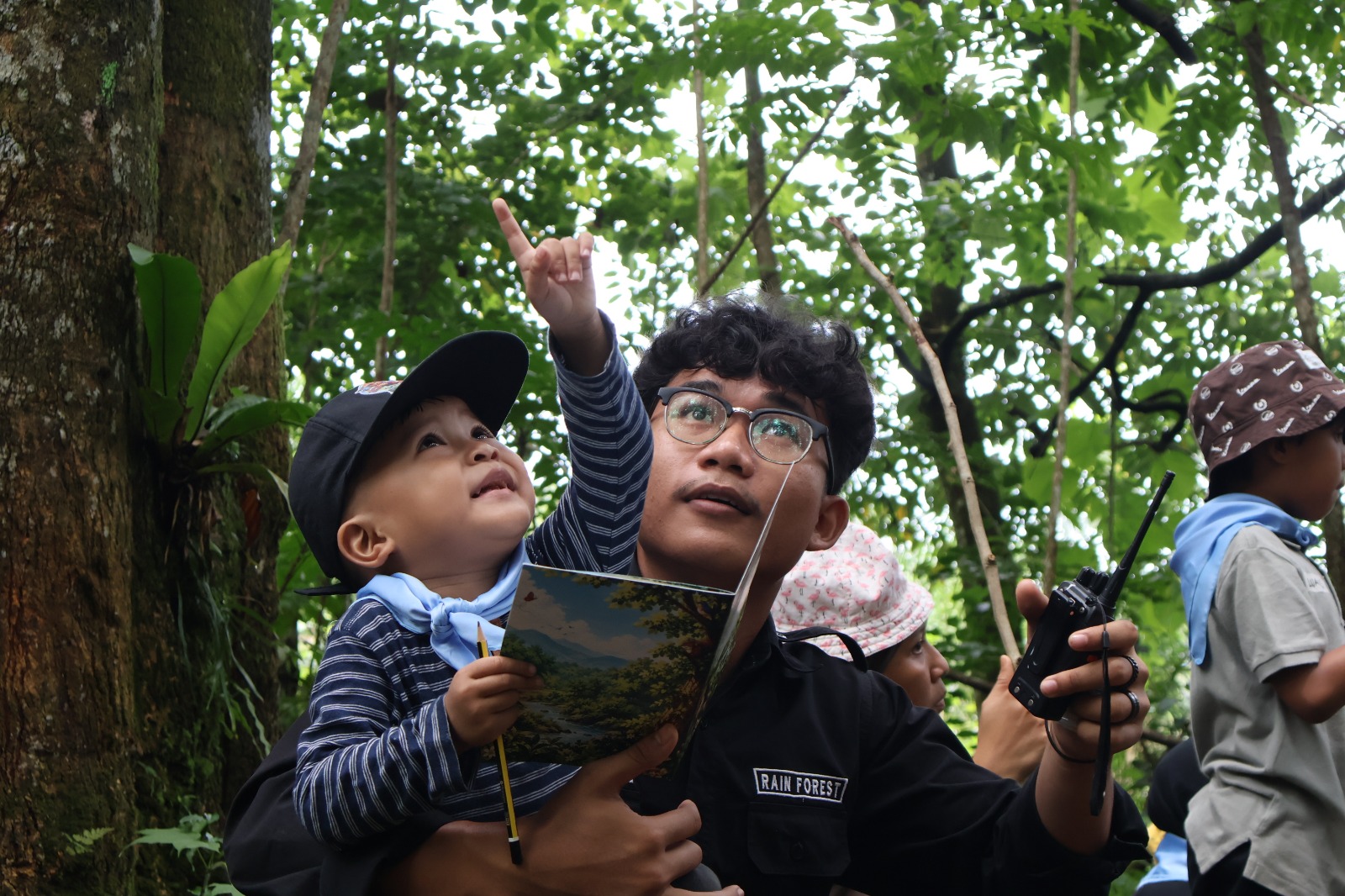
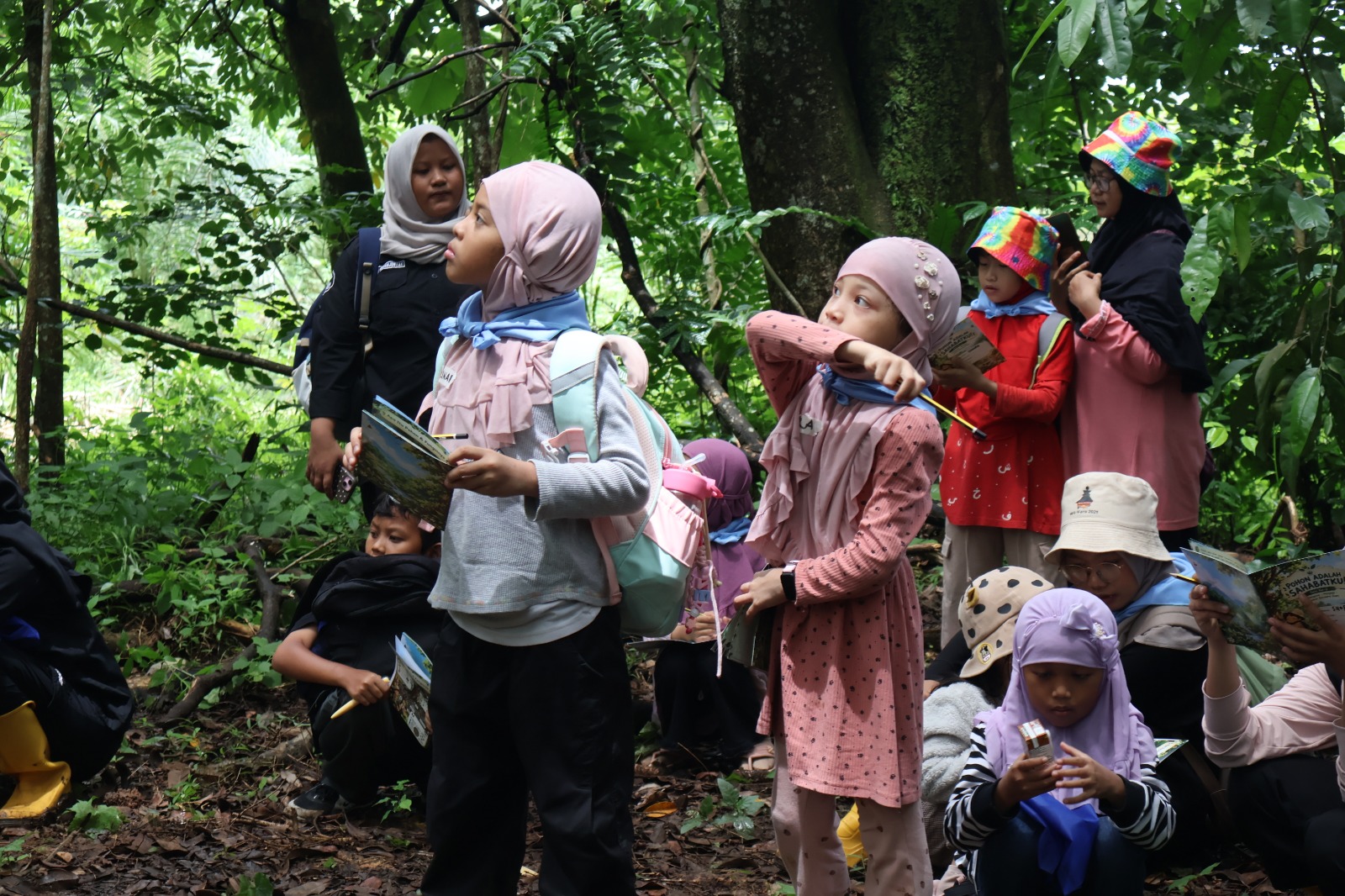
During her presentation, Ida, affectionately known as Lia, introduced the definition of a tree, how trees differ from other plants, the benefits of trees for life, and various tree species and their characteristics. This approach encouraged participants not only to listen to the explanations but also to observe the objects directly, making the learning experience more engaging and enjoyable.
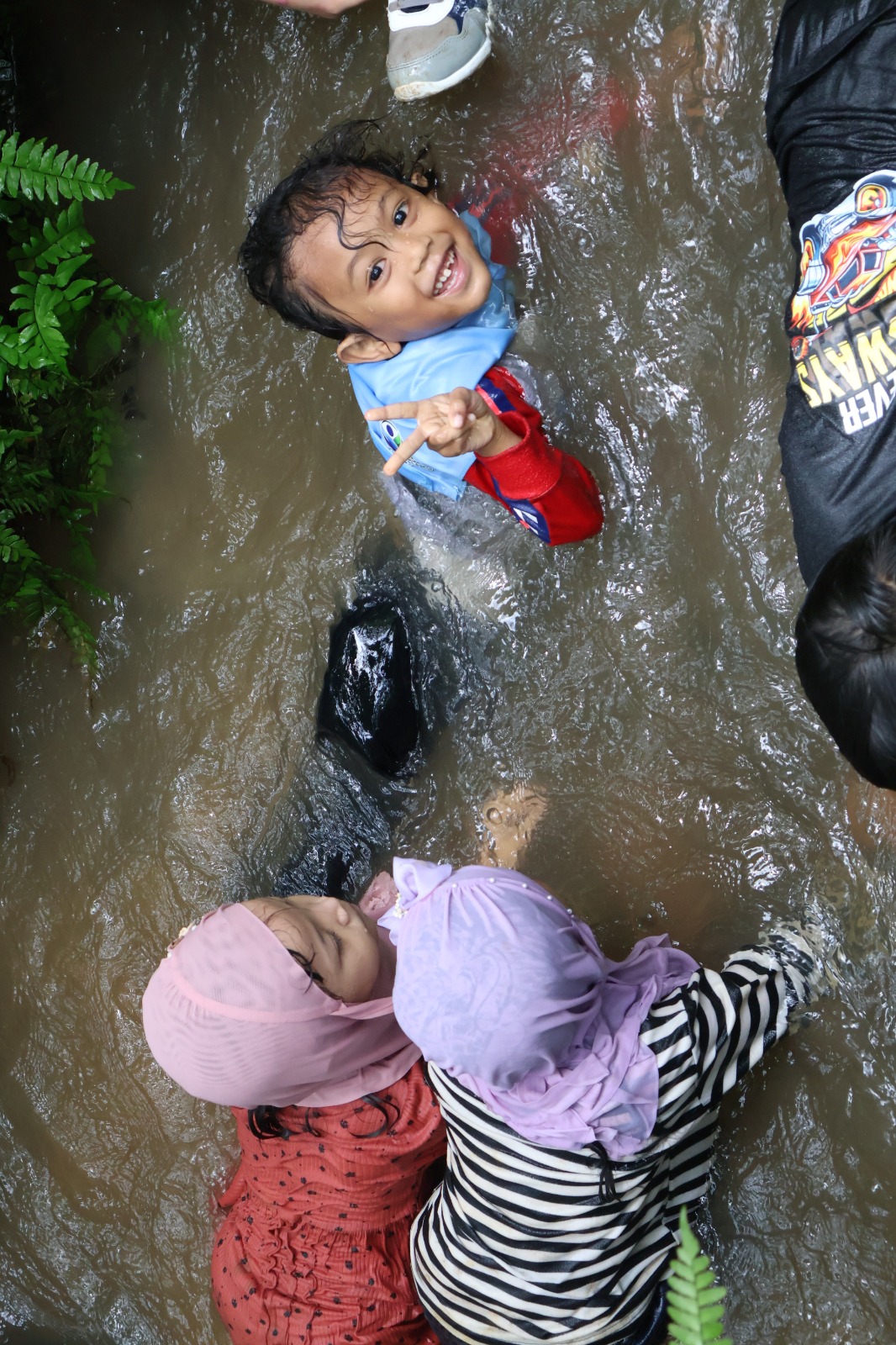
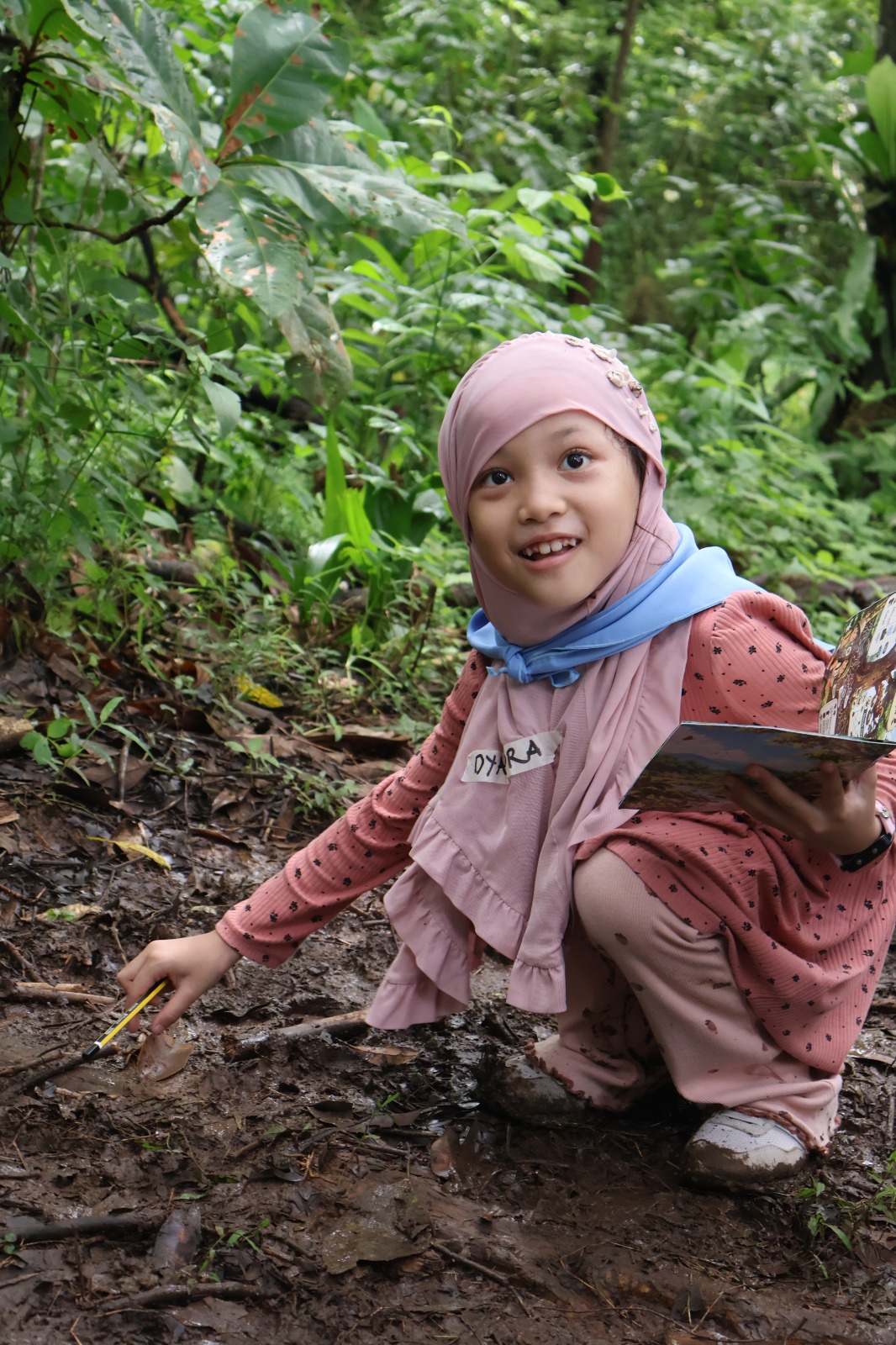
After the presentation, the children were invited to identify tree characteristics and select and collect leaves they liked. The activity continued with a nature walk along the Arboretum trails toward a small stream. This became one of the most interesting experiences for the participants. With supervision, the children enthusiastically played and interacted with their surroundings.
The excitement grew as the children had the opportunity to play and bathe in the stream. After receiving guidance from their parents and volunteers, the children entered the stream and enjoyed the refreshing water while playing together. Laughter and joyful cheers echoed along the stream, creating one of the most memorable moments in their journey of getting to know nature.
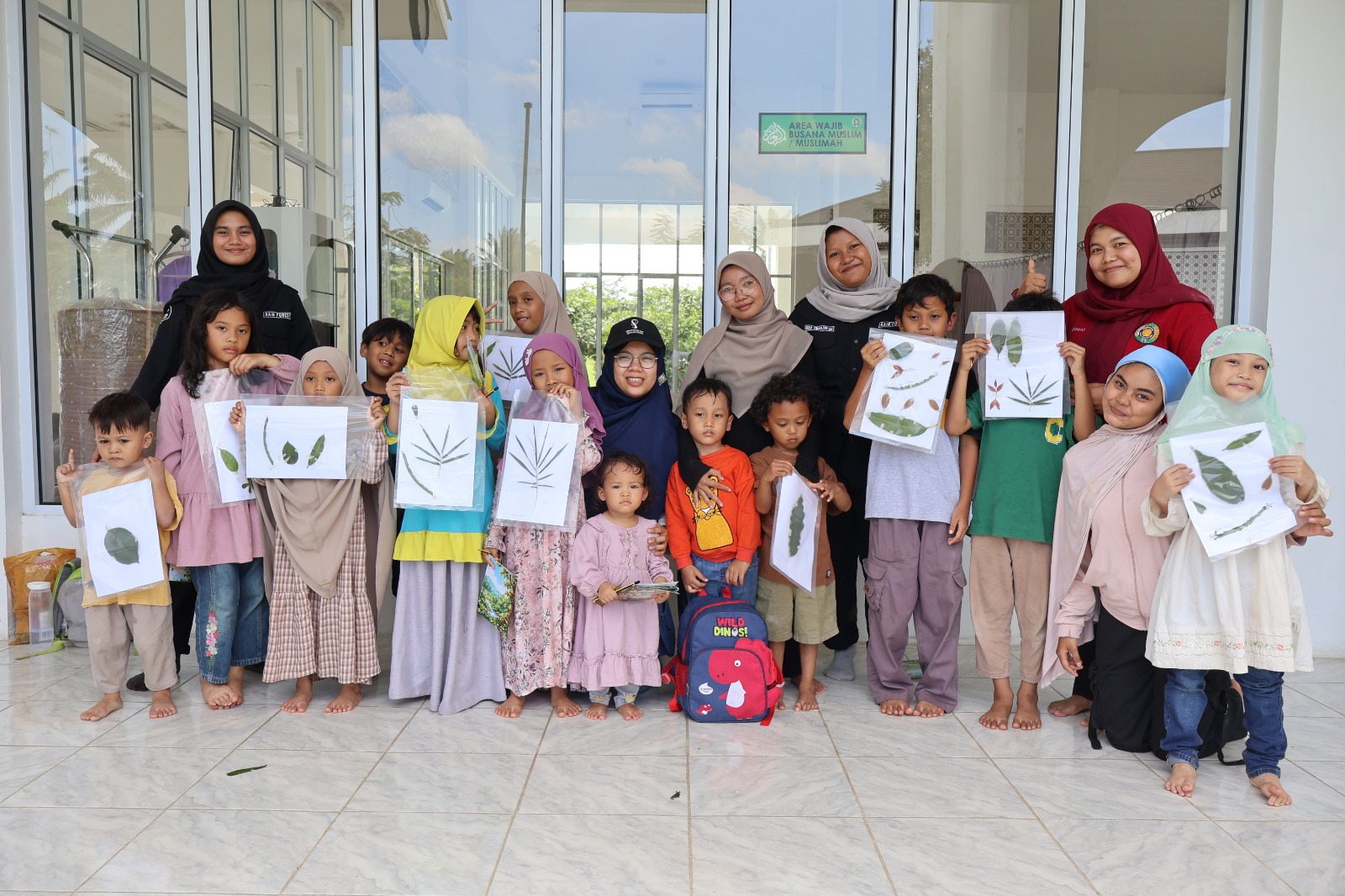
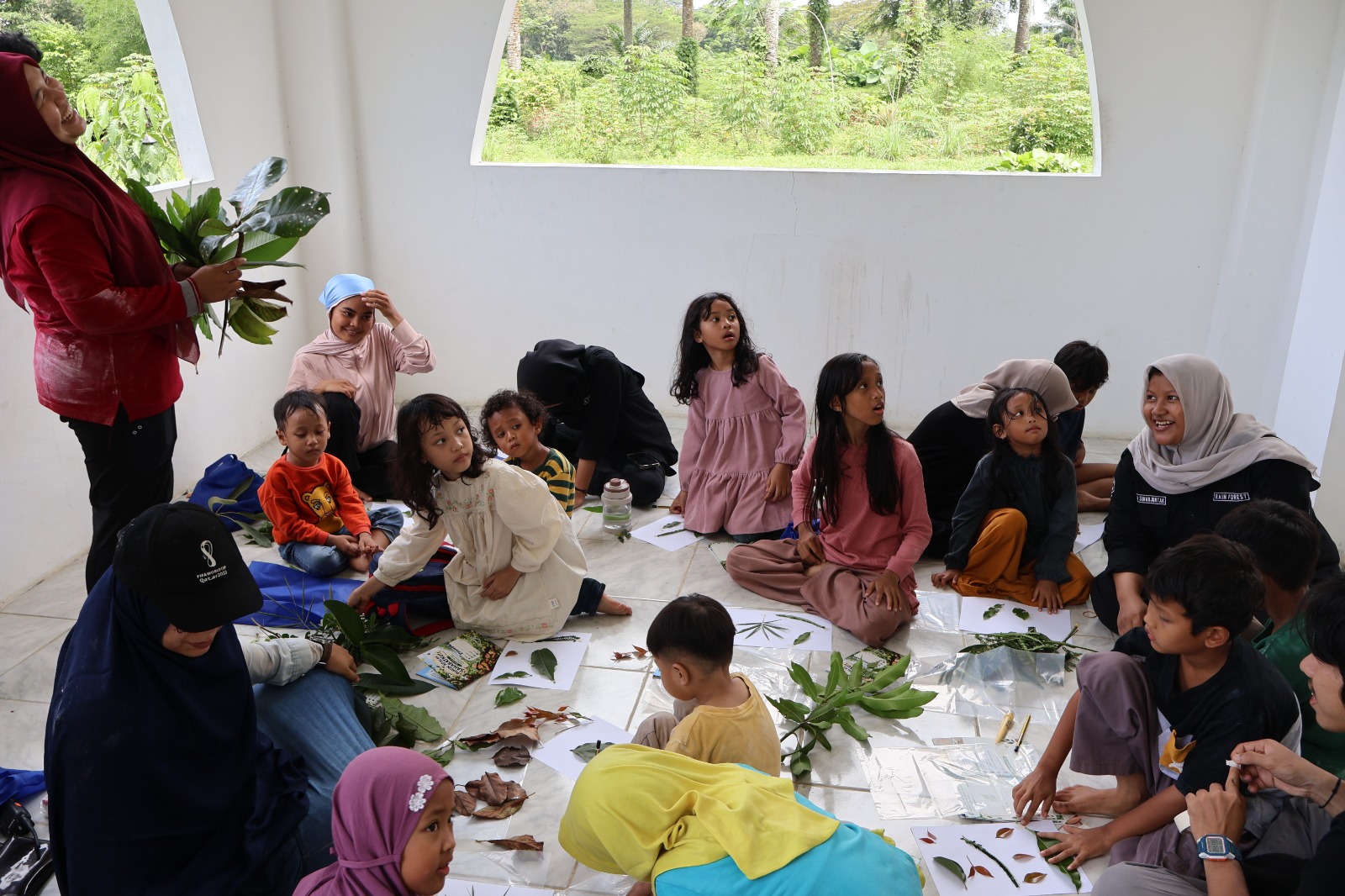
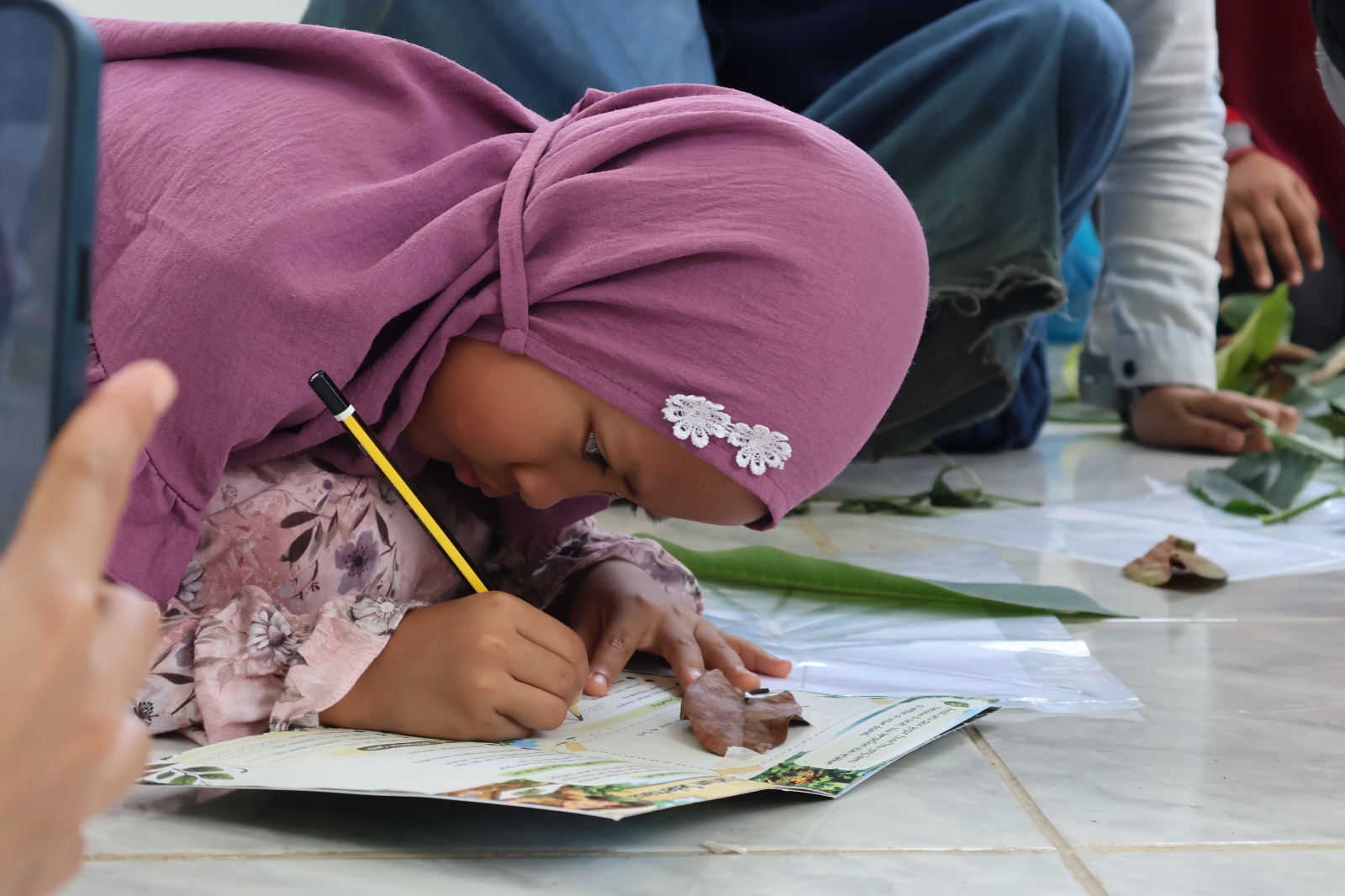
After enjoying the water, the participants continued the activities with a rest period and the creation of simple herbariums. This activity encouraged the children to observe, identify, and document plant parts they had found while exploring the Arboretum.
Through Sekolah Lintas Alam, RAWANTARA provides environmental learning experiences that are closely connected to children's everyday world. Experiences such as seeing, touching, observing, exploring the forest, and playing in the stream are expected to nurture curiosity and build a closer connection between children and nature.
This activity aligns with the Sustainable Development Goals (SDGs), particularly SDG 4: Quality Education and SDG 15: Life on Land. Through experiential learning in nature, the activity also helps instill knowledge, environmental awareness, and a love for the environment from an early age as part of efforts to nurture a generation that cares more deeply about nature conservation.