


.webp)
The Faculty of Forestry, Universitas Sumatera Utara (USU), continues to promote the development of forestry research innovations through the Preliminary Feasibility Study for the Priority Research Downstreaming Program – Technology Promotion, entitled “Natural-Dyed Yarn and Fabric for Functional Textiles.” The activity, held on Thursday (November 12) at the Faculty of Forestry, USU, Kwala Bekala Campus 2, Deli Serdang, served as a strategic step to assess technological readiness while strengthening opportunities to utilize natural dyes for the textile industry and community empowerment.
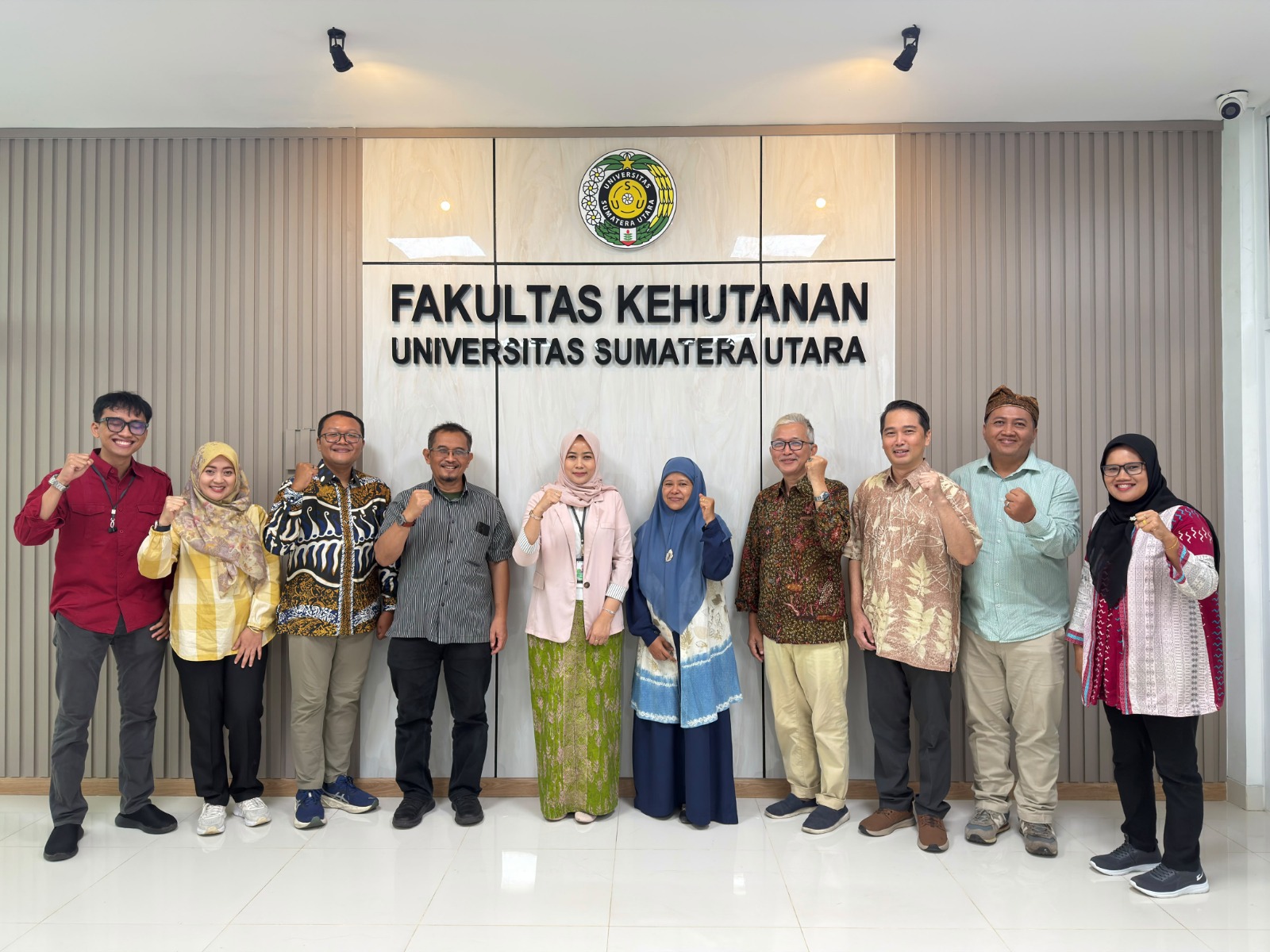
The activity began with a Focus Group Discussion (FGD), which was opened with remarks by the Dean of the Faculty of Forestry, USU, Prof. Arida Susilowati, S.Hut., M.Si., and the Director of the USU Directorate of Innovation, Sustainable Development, and Science and Technology Areas, Prof. Dr. Ir. Noverita Sprinse Vinolina, M.P. In her remarks, Prof. Arida stated that the development of natural dye technology is a form of innovation based on the potential of forestry natural resources, with significant prospects for supporting research, industrial development, and improvements in community welfare.
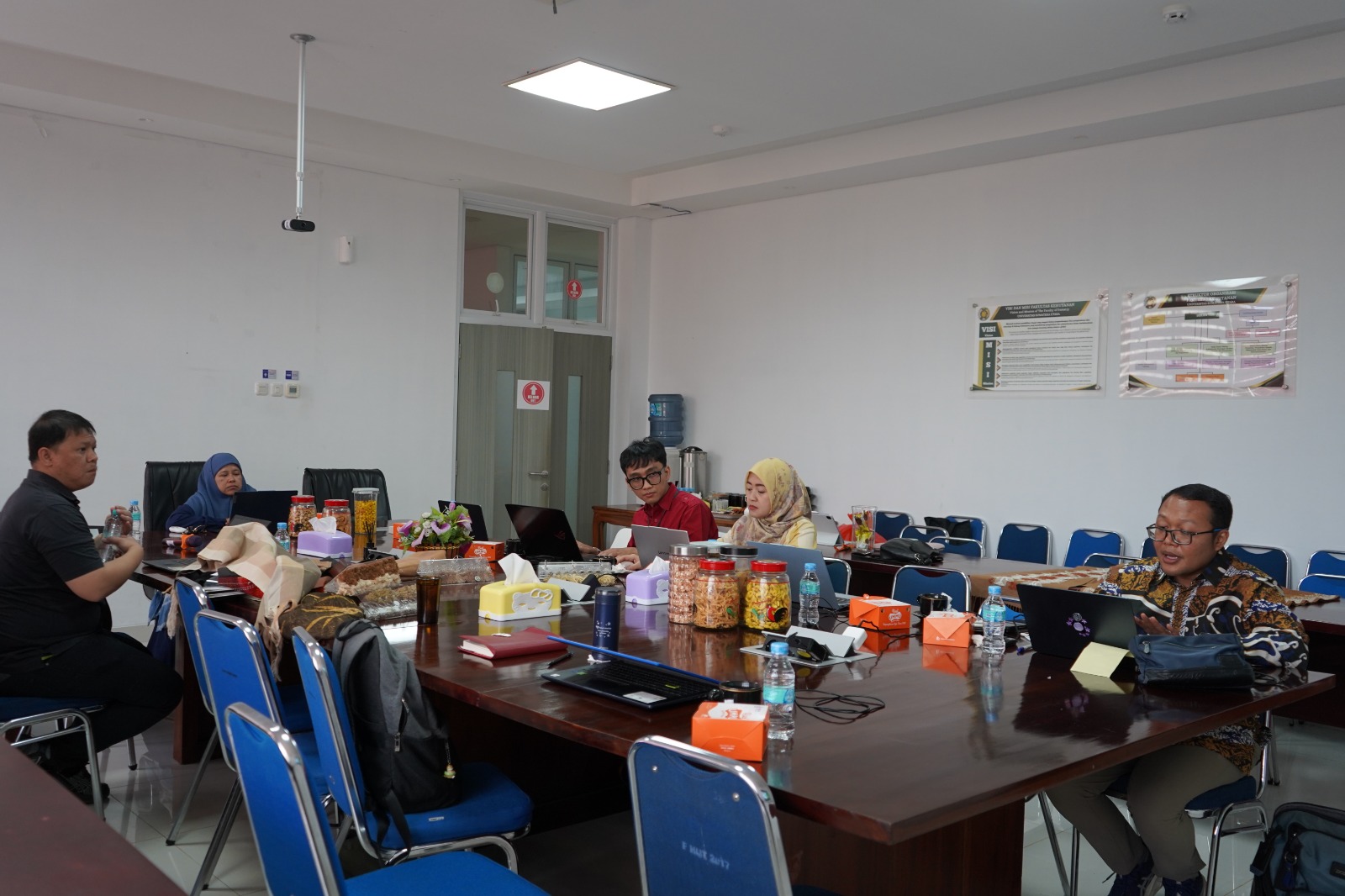
She expressed her hope that the established collaboration could be maintained and further developed so that research findings would not only contribute to the advancement of science but also generate tangible benefits for the community, particularly through the development of products with economic value.
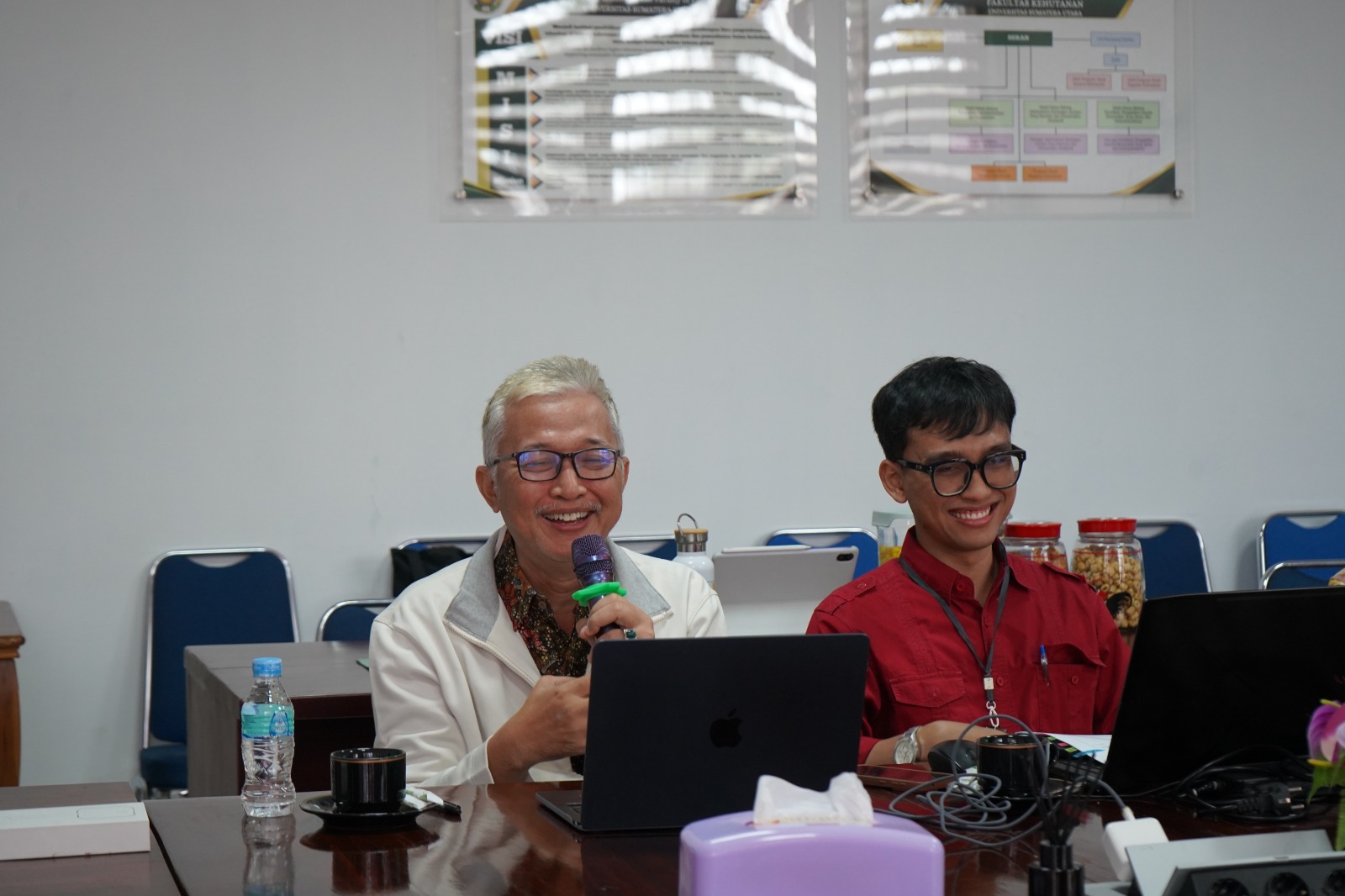
Next, the Head of the Research Team, Dr. Iwan Risnasari, S.Hut., M.Si., presented the progress of the technology, development objectives, production processes, product potential, and plans for the downstreaming of natural dyes in yarn and fabric. This technology development focuses on three main aspects: optimizing natural dye extraction using water-based solvents, applying dyeing processes to yarn and fabric with antibacterial functions, and testing color quality and wash fastness. These three aspects are essential to producing functional textiles based on natural materials with high quality and competitiveness.
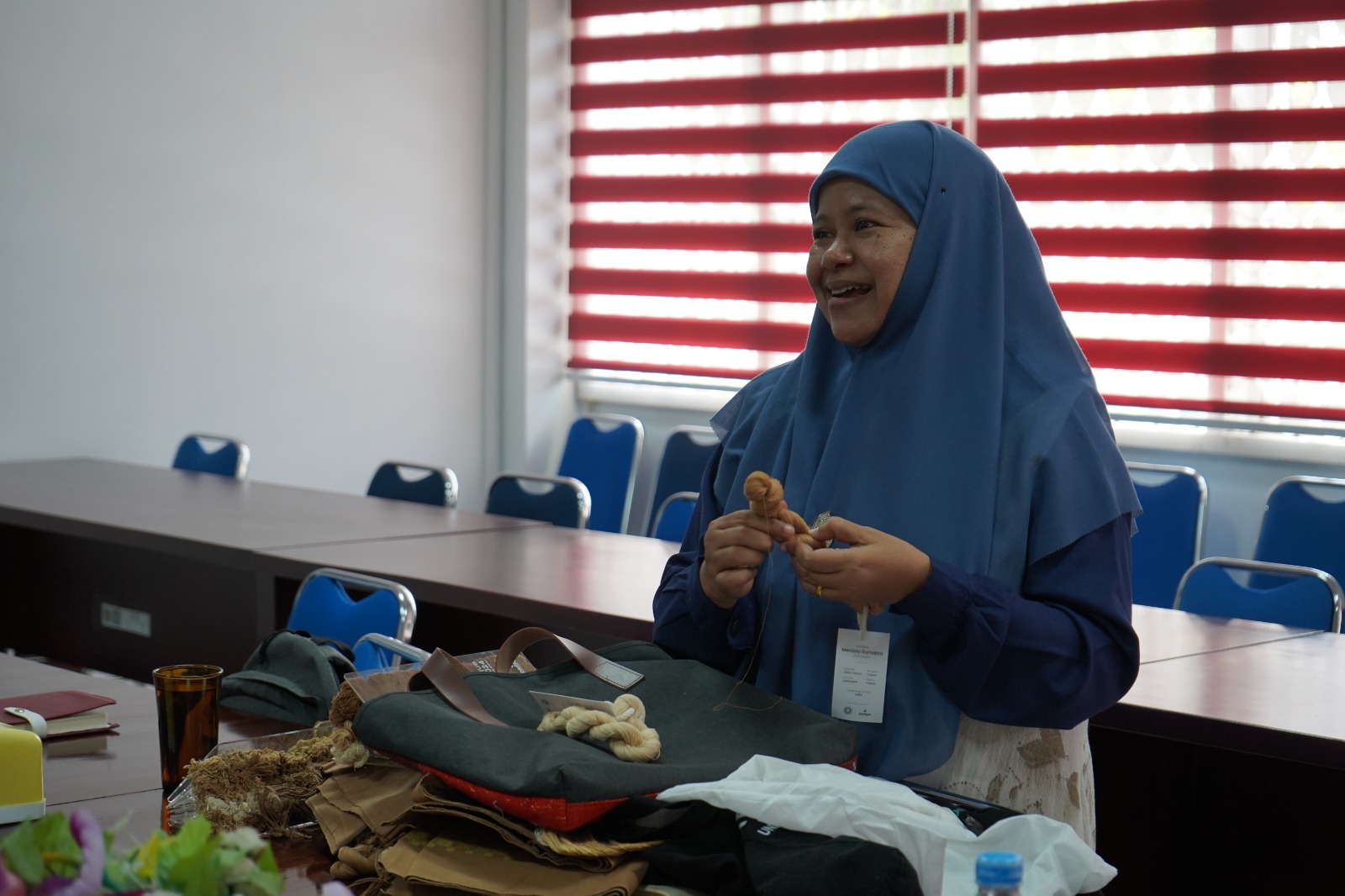
The program was proposed by a research team led by Dr. Iwan Risnasari, with members Prof. Arif Nuryawan, S.Hut., M.Si., Ph.D., and Dr. Ir. Tito Sucipto, S.Hut., M.Si., IPU., ASEAN Eng., from the Faculty of Forestry, USU; Prof. Maya Ismayati, Ph.D., from the BRIN Research Center for Biomass and Bioproducts; and Arif Qaedi Hutagalung, S.E., M.Si., from the Faculty of Economics and Business, USU.
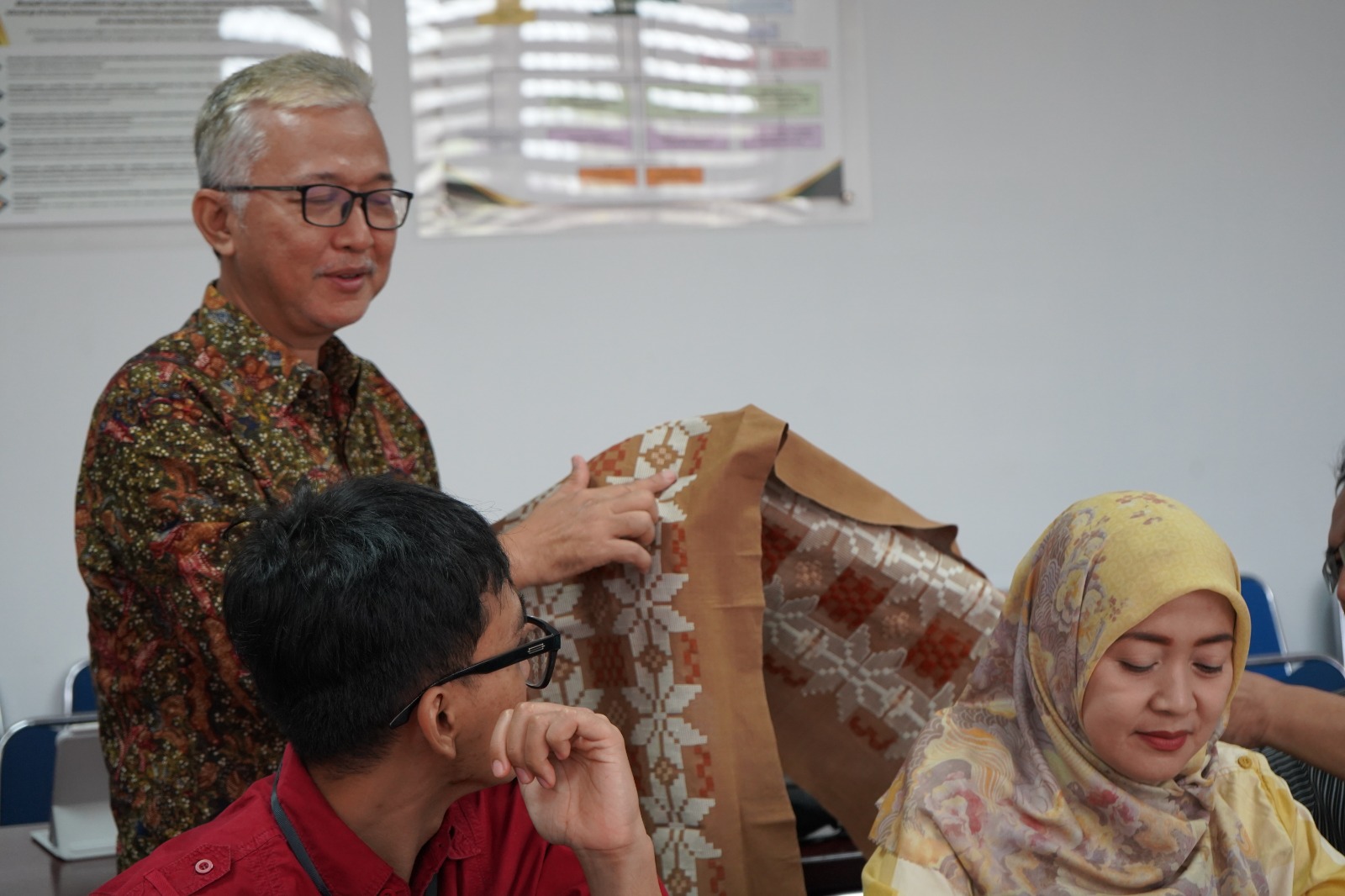
In its implementation, the preliminary feasibility study also involved an expert team led by Prof. Dr. Muafi, S.E., M.Si., together with Rr. Ratna Roostika, S.E., MAC, Ph.D., Dr. Nur Ellyanawati Esty Rahayu, S.E., M.M., AWP., QWP., CIMM, Dodik Setiawan Nur Heriyanto, S.H., M.H., LL.M., Ph.D., from Universitas Islam Indonesia (UII), and Prof. Dr. rer. nat. Karna Wijaya, M.Eng., from the Faculty of Mathematics and Natural Sciences, Universitas Gadjah Mada (UGM).
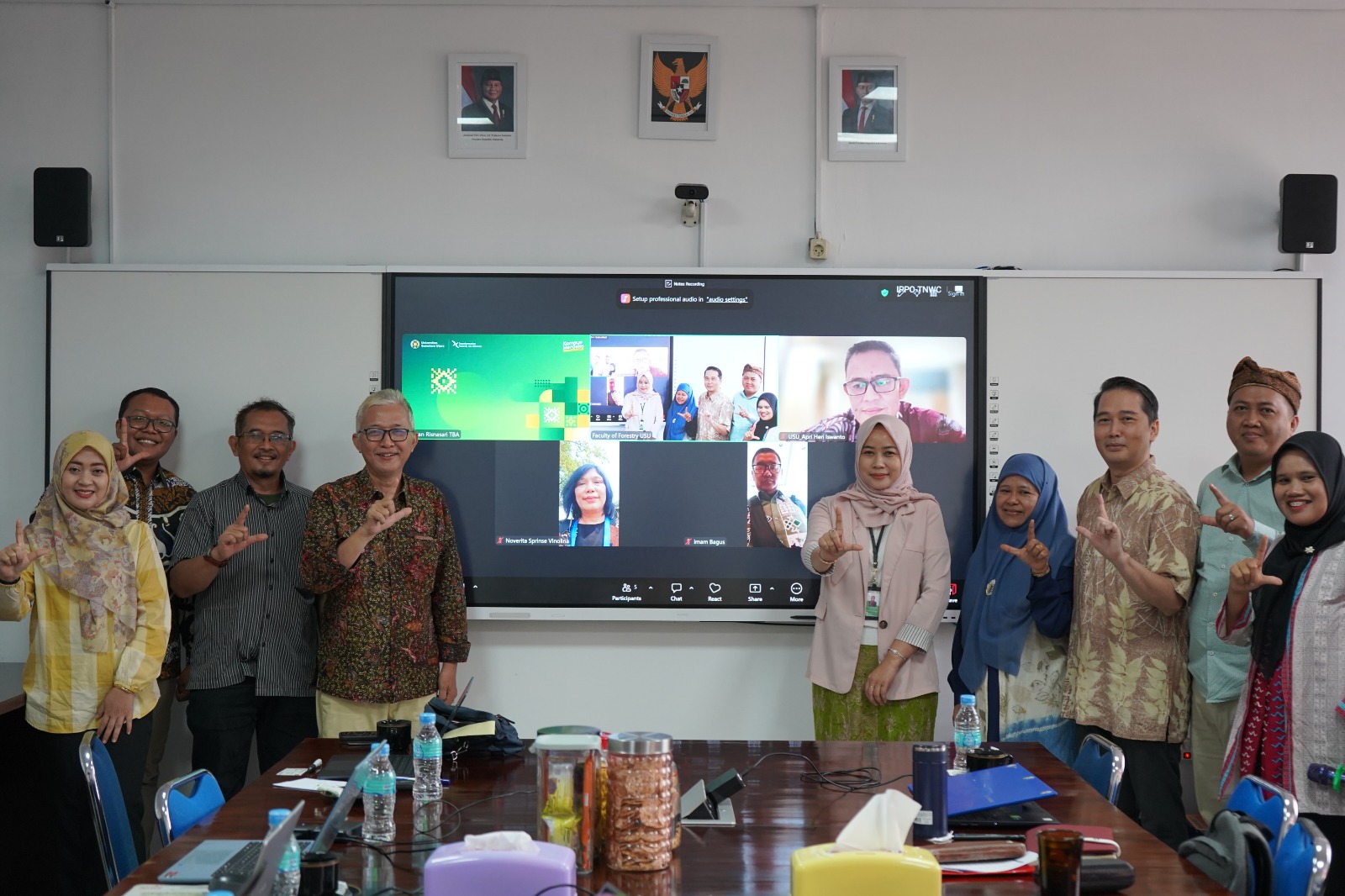
Through discussion and question-and-answer sessions, the expert team provided several recommendations and conducted clarifications regarding technological readiness, production process standardization requirements, marketing strategies, financial feasibility, as well as legal aspects and intellectual property protection. These discussions were an important part of identifying opportunities and challenges that need to be addressed before the technology is further developed toward commercialization.
The series of activities continued with a field observation at the Nauli Ecoprint workshop. During the visit, the expert team directly observed the ongoing ecoprint business activities, production facilities, utilization of natural materials, production process management, and product marketing experience. This observation also provided an opportunity to gain insights from an established business practice as a reference for developing natural-dyed yarn and fabric products.
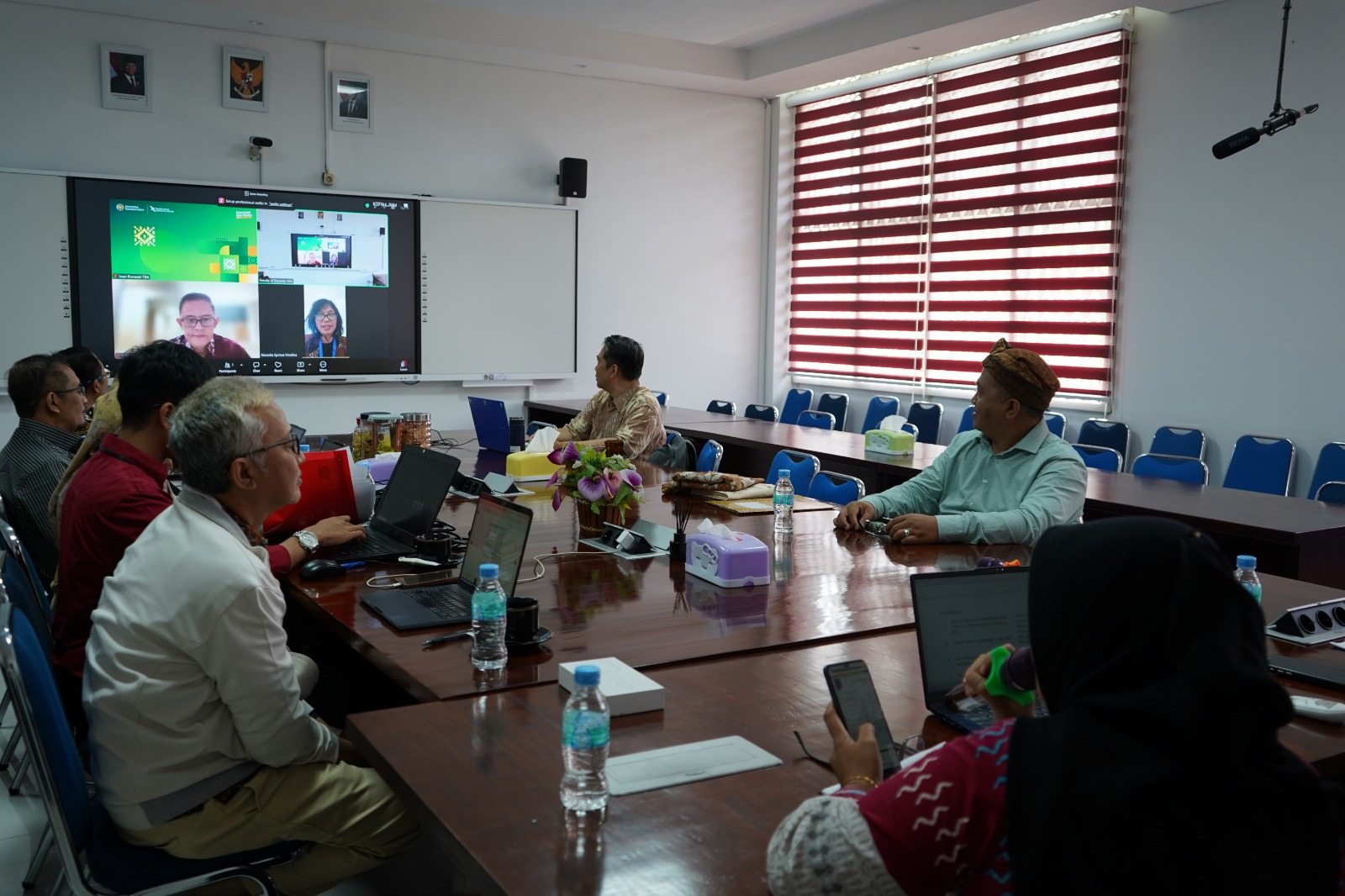
Through this activity, the Faculty of Forestry, USU, hopes that the development of natural-dyed yarn and fabric technology will become more mature and ready for implementation. Collaboration among universities, research institutions, expert teams, and business partners is expected to bridge research findings with industry needs and create new economic opportunities based on the sustainable utilization of natural resources.
This initiative is in line with Sustainable Development Goal (SDG) 9: Industry, Innovation, and Infrastructure, through strengthening research and technology development, and SDG 12: Responsible Consumption and Production, through the utilization of natural materials and the development of more sustainable textile dye alternatives. In addition, the development of innovations involving cross-institutional collaboration also supports SDG 17: Partnerships for the Goals.