


HUMAS FAHUTAN – The Faculty of Forestry, Universitas Sumatera Utara (USU) held the Preparatory Briefing for the Forest Ecosystem Introduction Practice (P2EH) 2026 on Monday (15/6) at the Faculty of Forestry USU. This activity was attended by all Faculty of Forestry USU students from the 2024 cohort as practice participants and served as part of academic preparation before field activities are conducted.
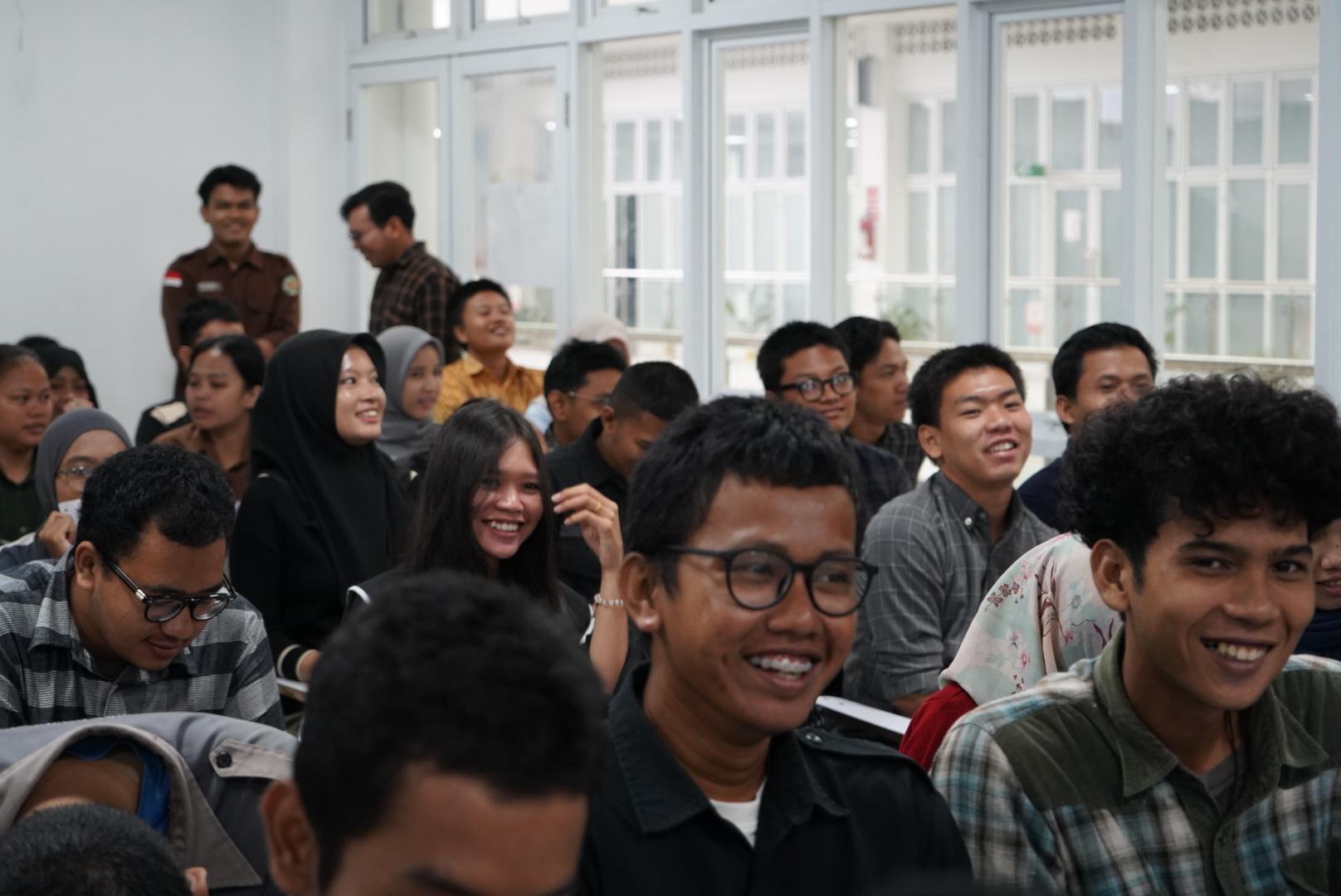
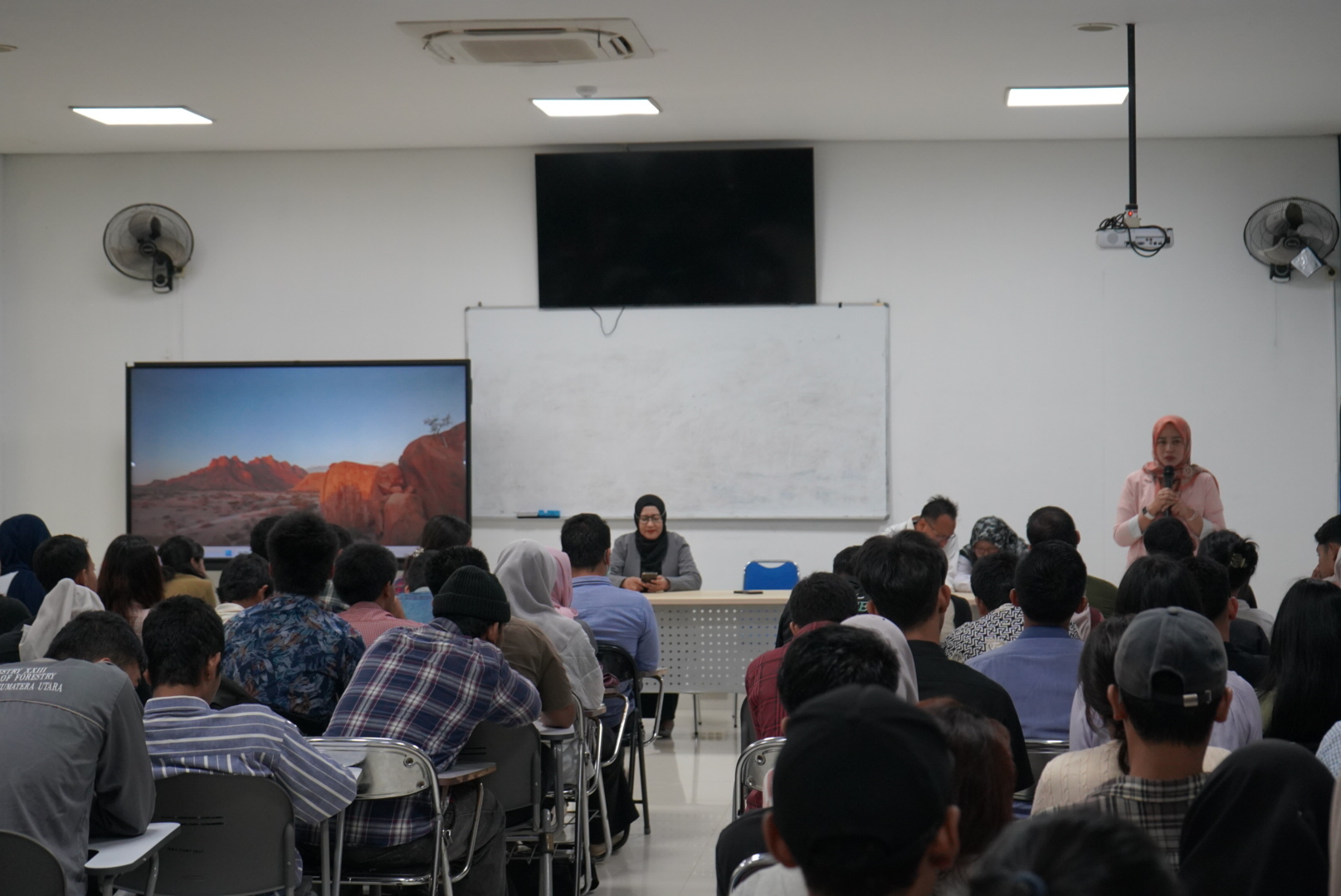
The P2EH briefing was officially opened by the Dean of the Faculty of Forestry USU, Prof. Arida Susilowati, and attended by the Vice Dean for Academic and Student Affairs Dr. Tito Sucipto, the Vice Dean for Finance and Resources Dr. Luthfi Hakim, and the Vice Dean for Research, Community Service, and Cooperation Dr. Anita Zaitunah. The activity was also supported by the organizing committee and field assistants who will accompany students during the field practice.
In her remarks, Prof. Arida Susilowati delivered several messages and directions to all participants. She emphasized the importance of maintaining health and safety during the activity, upholding ethics and politeness in interacting with the community and fellow participants, and maintaining the reputation of the alma mater at every location of the activity.
In addition, Prof. Arida encouraged students to participate seriously in all briefing sessions in order to fully understand the materials delivered by the lecturers. According to her, the knowledge gained during the briefing will become an important foundation in supporting students’ success during field observations and data collection.
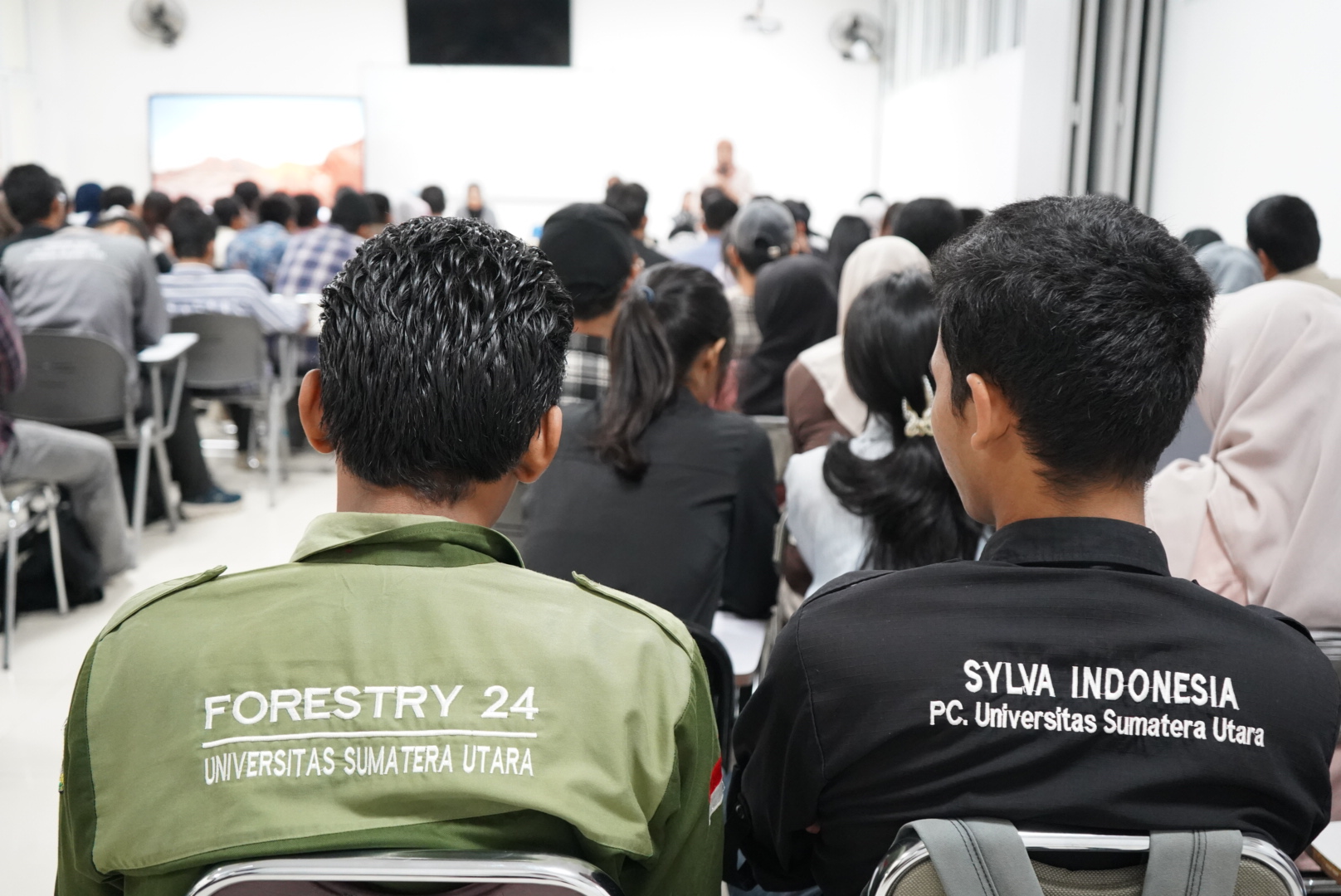
“The Forest Ecosystem Introduction Practice is an opportunity for students to directly understand various components of forest ecosystems. Therefore, make the most of this activity to learn, broaden your insights, and develop skills that will become important provisions in your academic and professional journey as future foresters,” said Prof. Arida.
After the opening session, the activity continued with material presentations by lecturers from the Faculty of Forestry USU. Various topics were delivered to provide a comprehensive understanding of key aspects of forest ecosystems and field observation techniques. The materials included vegetation analysis, wildlife inventory, non-timber forest products (NTFPs), ecosystem services, flora and fauna conservation, and ecotourism.
Through vegetation analysis, students were equipped with knowledge on identification techniques and measurement of forest vegetation components to understand ecosystem structure and composition. Wildlife inventory provided understanding of methods for observing and recording wildlife in their natural habitats. Meanwhile, non-timber forest products introduced various forest resource potentials that can be sustainably utilized without damaging forest ecological functions.
Students also gained insights into ecosystem services provided by forests, such as clean water provision, carbon storage, and biodiversity protection. In addition, flora and fauna conservation materials emphasized the importance of species and habitat protection, while ecotourism introduced the concept of utilizing forest areas as conservation-based tourism destinations that also empower local communities.
As the final part of the activity, all participants took a briefing examination aimed at measuring students’ understanding of the materials provided. This evaluation is expected to ensure participant readiness before carrying out the Forest Ecosystem Introduction Practice in the field.
Through the 2026 P2EH Preparatory Briefing, the Faculty of Forestry USU is committed to equipping students with the knowledge, skills, and attitudes needed to comprehensively understand forest ecosystem components. This activity is expected to serve as an initial step for students in developing academic and professional competencies as future forest resource managers with a conservation-oriented and sustainable development perspective.
The Forest Ecosystem Introduction Practice (P2EH) 2026 aligns with the achievement of SDG 4: Quality Education, particularly in ensuring inclusive and quality education and promoting lifelong learning opportunities for all. Through this comprehensive briefing prior to field practice, students gain both theoretical knowledge and technical skills relevant to the forestry field. The materials covering vegetation analysis, wildlife inventory, non-timber forest products, ecosystem services, flora and fauna conservation, and ecotourism provide applied learning experiences aligned with workforce needs. This activity not only enhances students’ academic capacity but also builds professional competence, critical thinking skills, and awareness of sustainable forest resource management. In this way, the Faculty of Forestry USU contributes to producing competent and high-quality human resources ready to face the challenges of sustainable development in the forestry sector.