


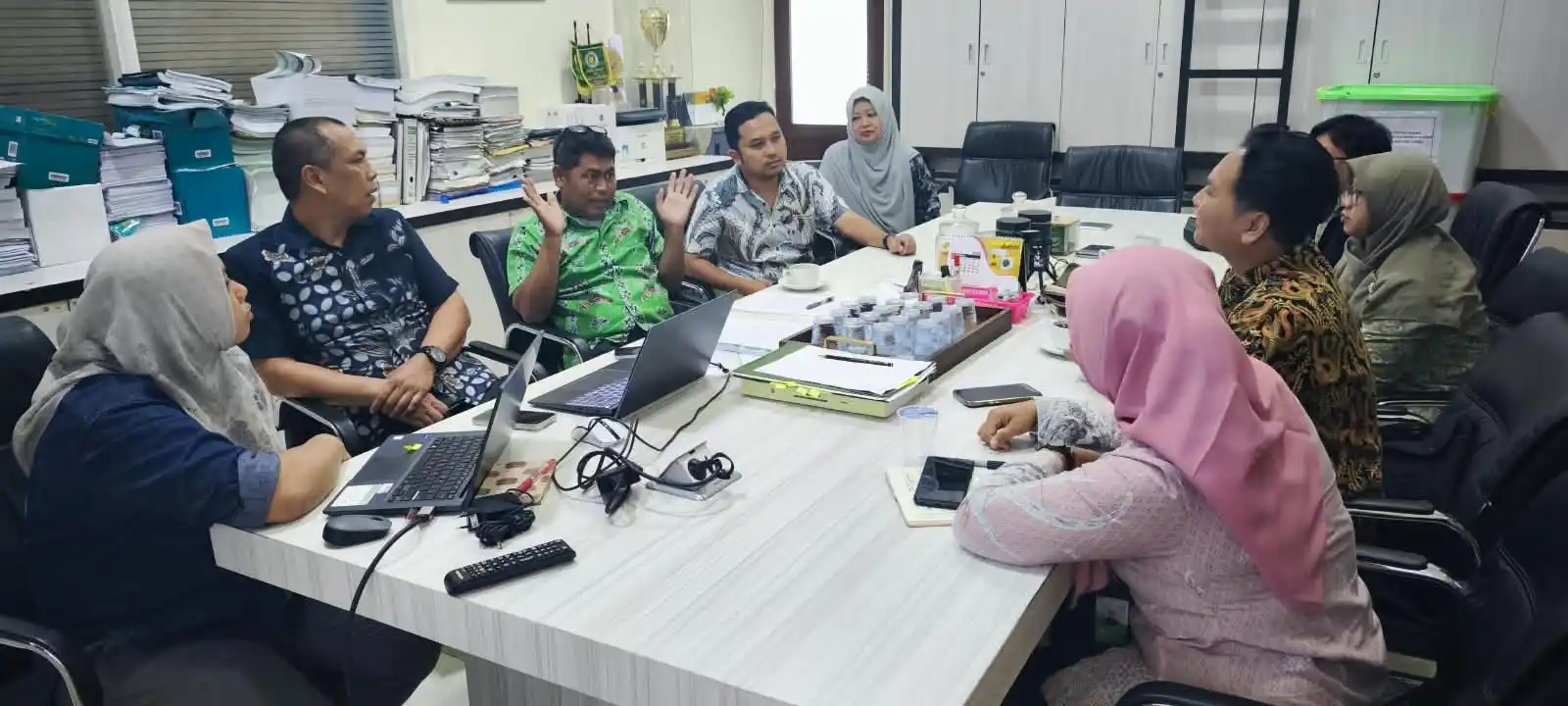
The Faculty of Forestry, Universitas Sumatera Utara (Fahutan USU), through its Tree Health Identification Team, conducted an audience with the USU Directorate of Academic Infrastructure Management on Thursday, October 15, 2026. The meeting, which took place at the Directorate of Academic Infrastructure Management in the USU Rectorate Building, discussed the technical Terms of Reference (TOR) for conducting tree health assessments as a proactive measure against falling trees and broken branches on campus grounds.
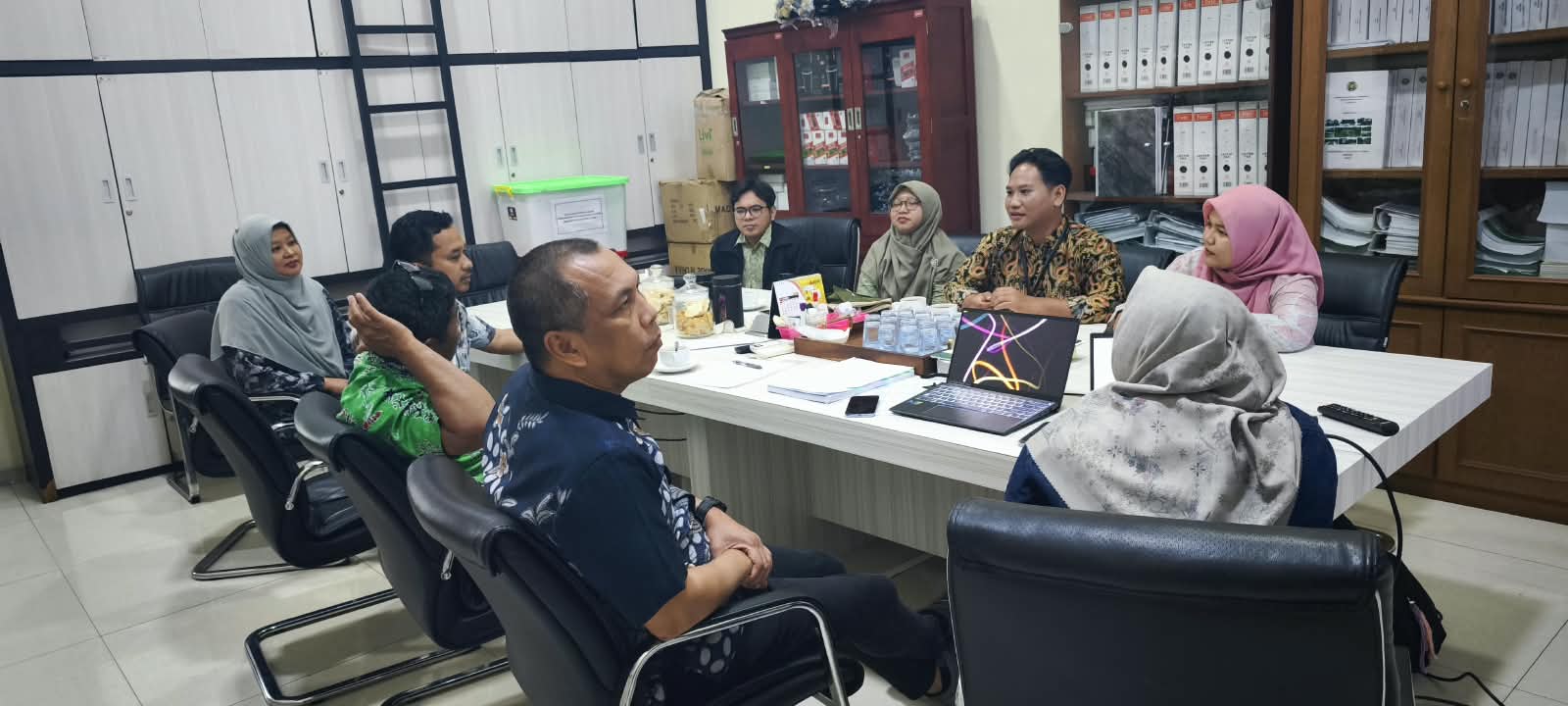
The Fahutan USU team, represented by Nur Hidayat, S.Hut., M.Si., Hamzah Irwansyah Siregar, S.Hut., Rizka Amelia, S.Hut., M.Si., and Ida Mallia Ginting, S.Hut., was received by Dio Agung Herubawa, S.E., M.Acc., Secretary to the Director, alongside managers and staff members of the Directorate of Academic Infrastructure Management USU.
During the discussion, the team presented the technical TOR, field examination stages for assessing tree conditions, and the scope of data to be collected and analyzed. The assessment aims to evaluate structural health and identify potential hazards, specifically at high-vulnerability locations prone to falling trees or limb breakage.
Both parties agreed to commence the identification process immediately, prioritizing high-risk areas across campus. This initiative serves as a preventive strategy to minimize potential accidents involving aging, diseased, or damaged trees, particularly when adverse weather conditions heighten environmental risks.
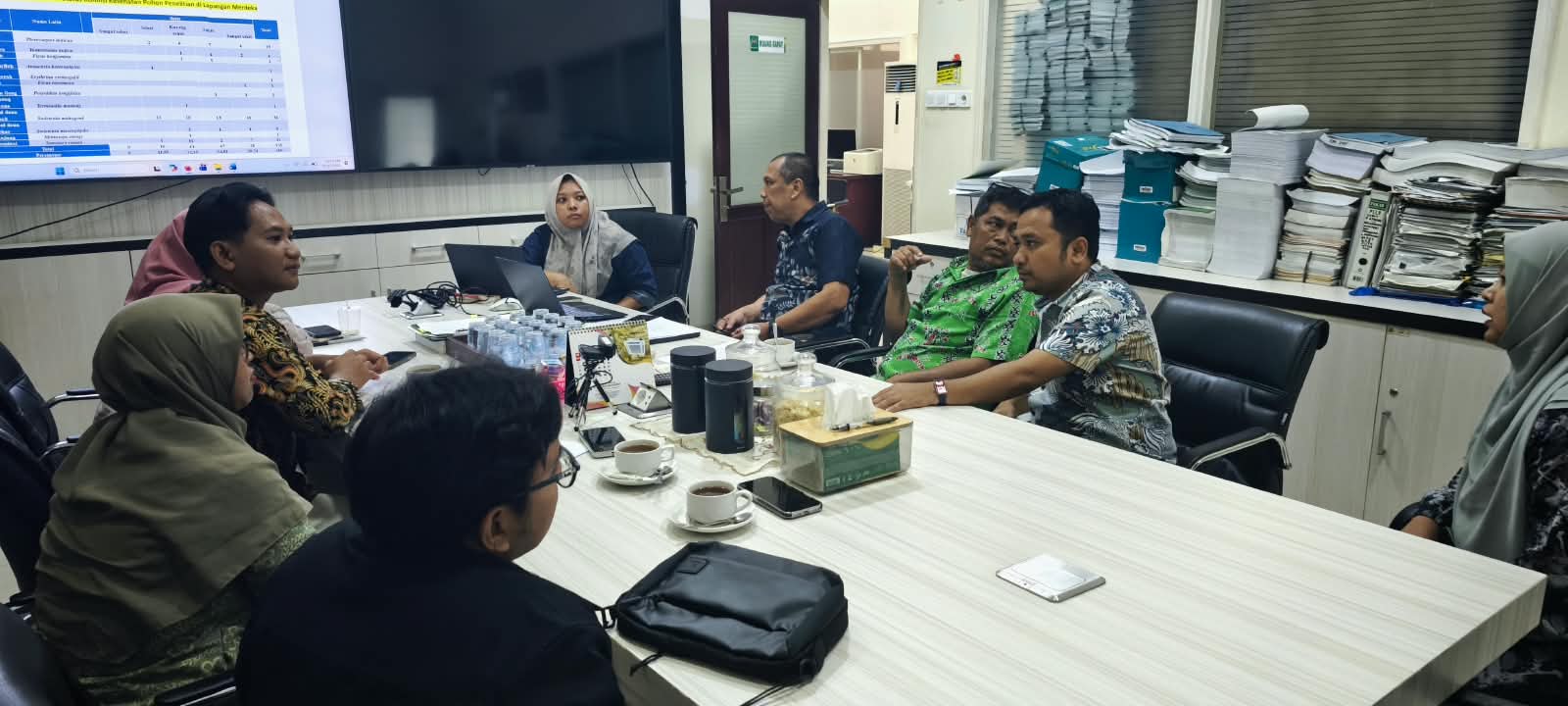
Through this project, tree health identification is projected to establish a foundational framework for campus vegetation management and maintenance decisions. Furthermore, the collaboration between Fahutan USU and the Directorate of Academic Infrastructure Management highlights the value of inter-unit synergy in building a safe, comfortable, and sustainable academic campus.
This initiative supports Sustainable Development Goal SDG 11 (Sustainable Cities and Communities) through efforts to build safe, resilient environments, as well as SDG 15 (Life on Land) through structured tree management and maintenance that ensures campus vegetation sustainability.