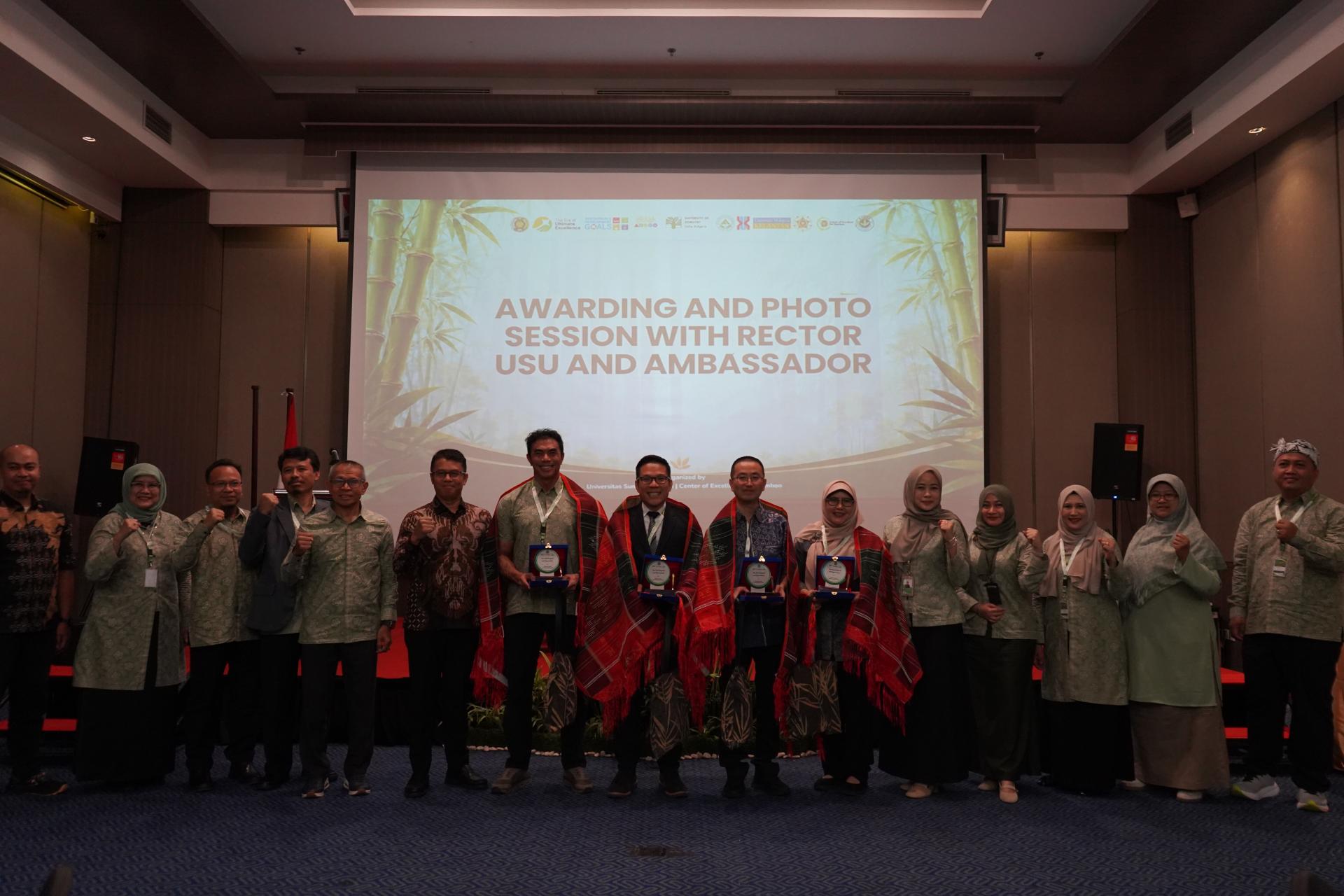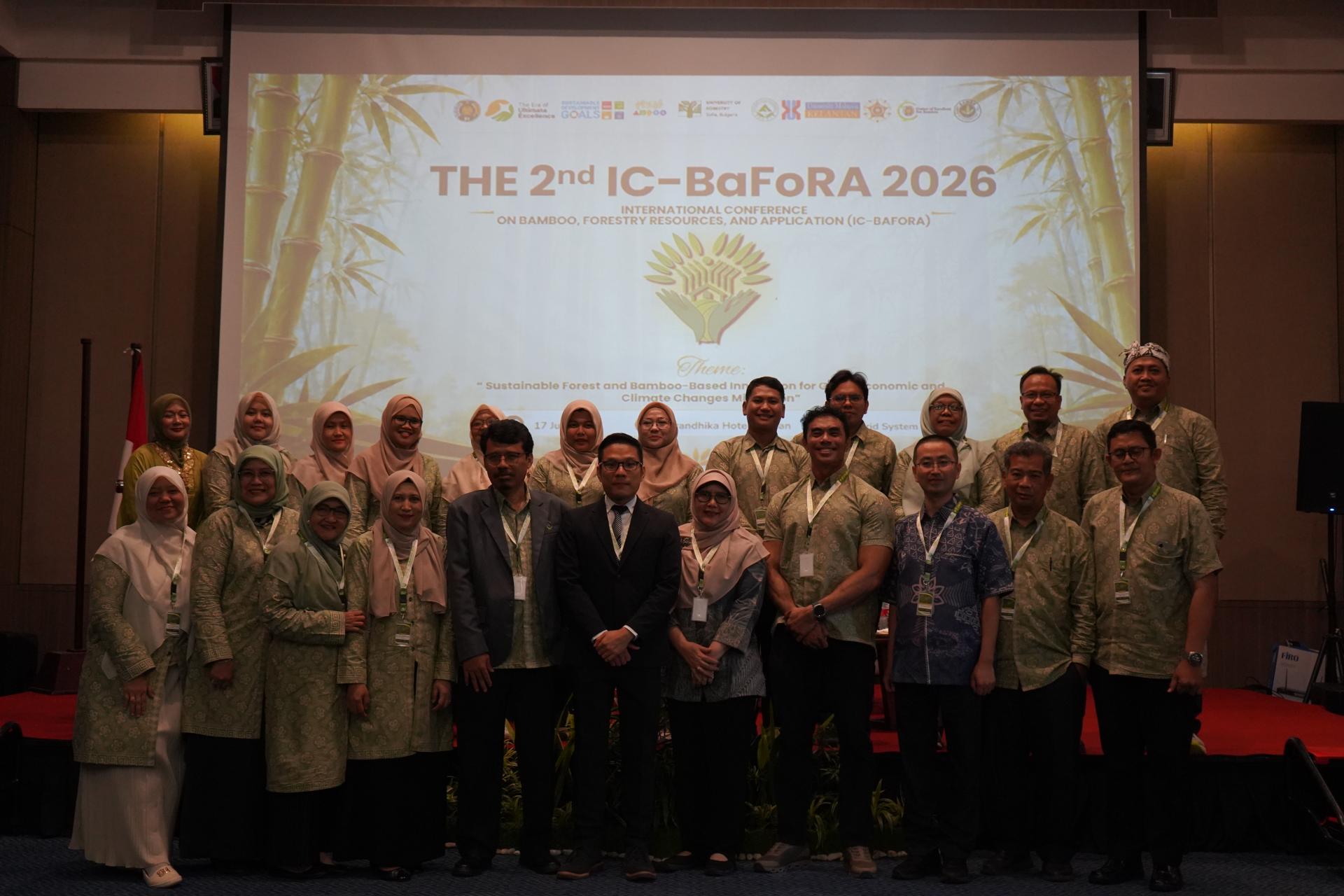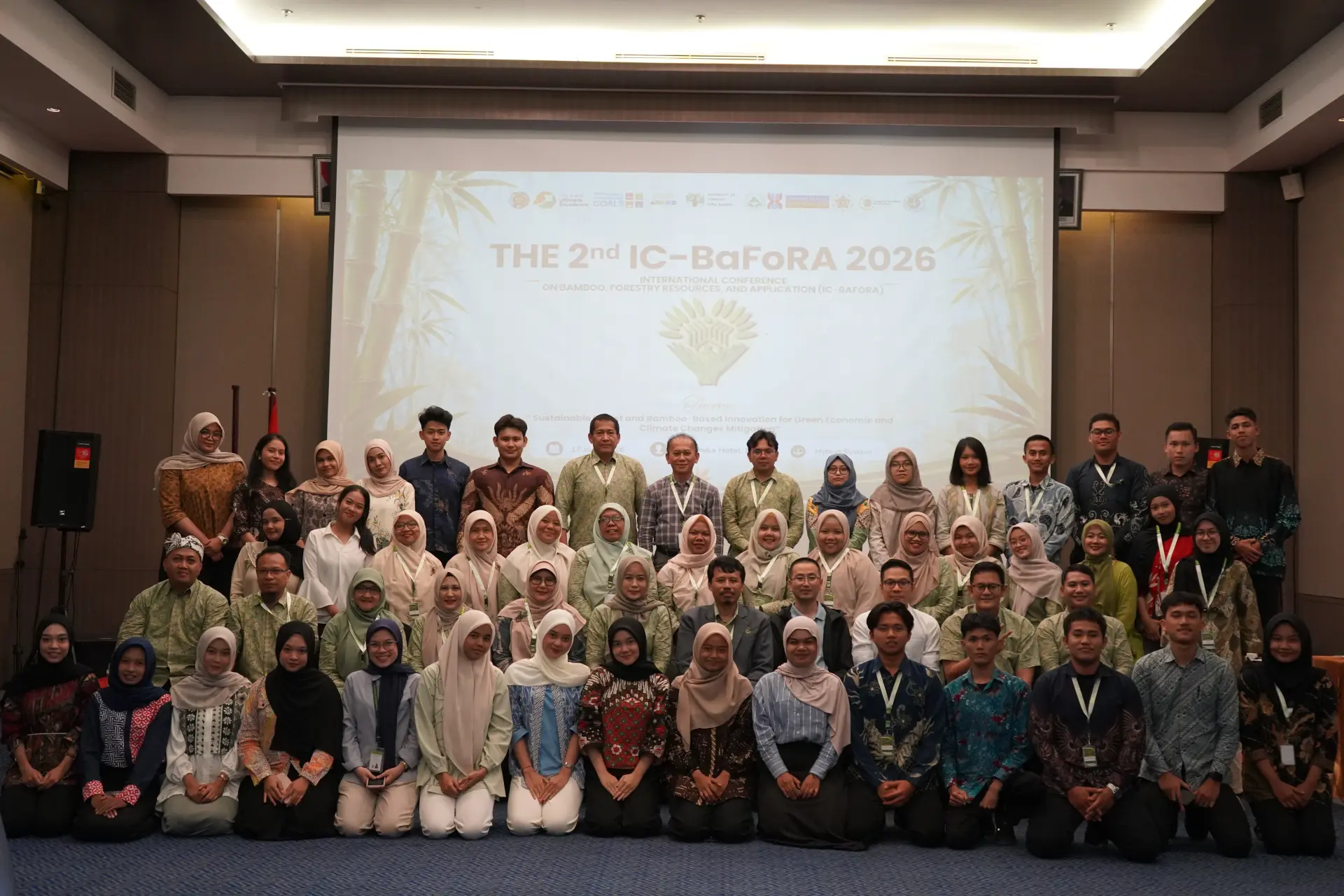
HUMAS FAHUTAN – The Faculty of Forestry of Universitas Sumatera Utara (USU) once again demonstrated its commitment to advancing scientific development and international collaboration through the organization of the 2nd International Conference on Bamboo, Forestry Resources, and Application (IC-BaFoRA) 2026, held on Wednesday (June 17) at Grandhika Hotel Medan and conducted in a hybrid format via Zoom Meeting.
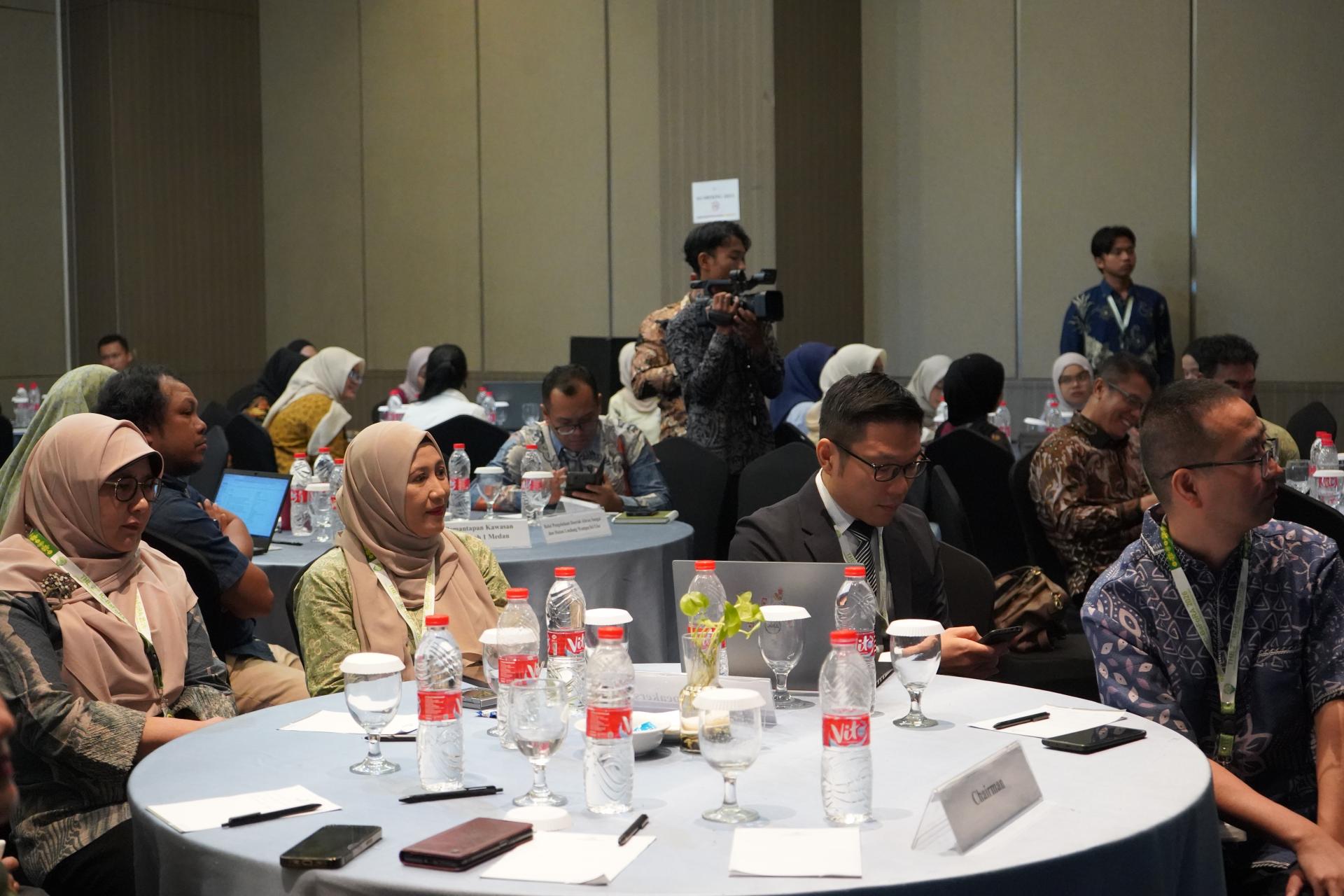
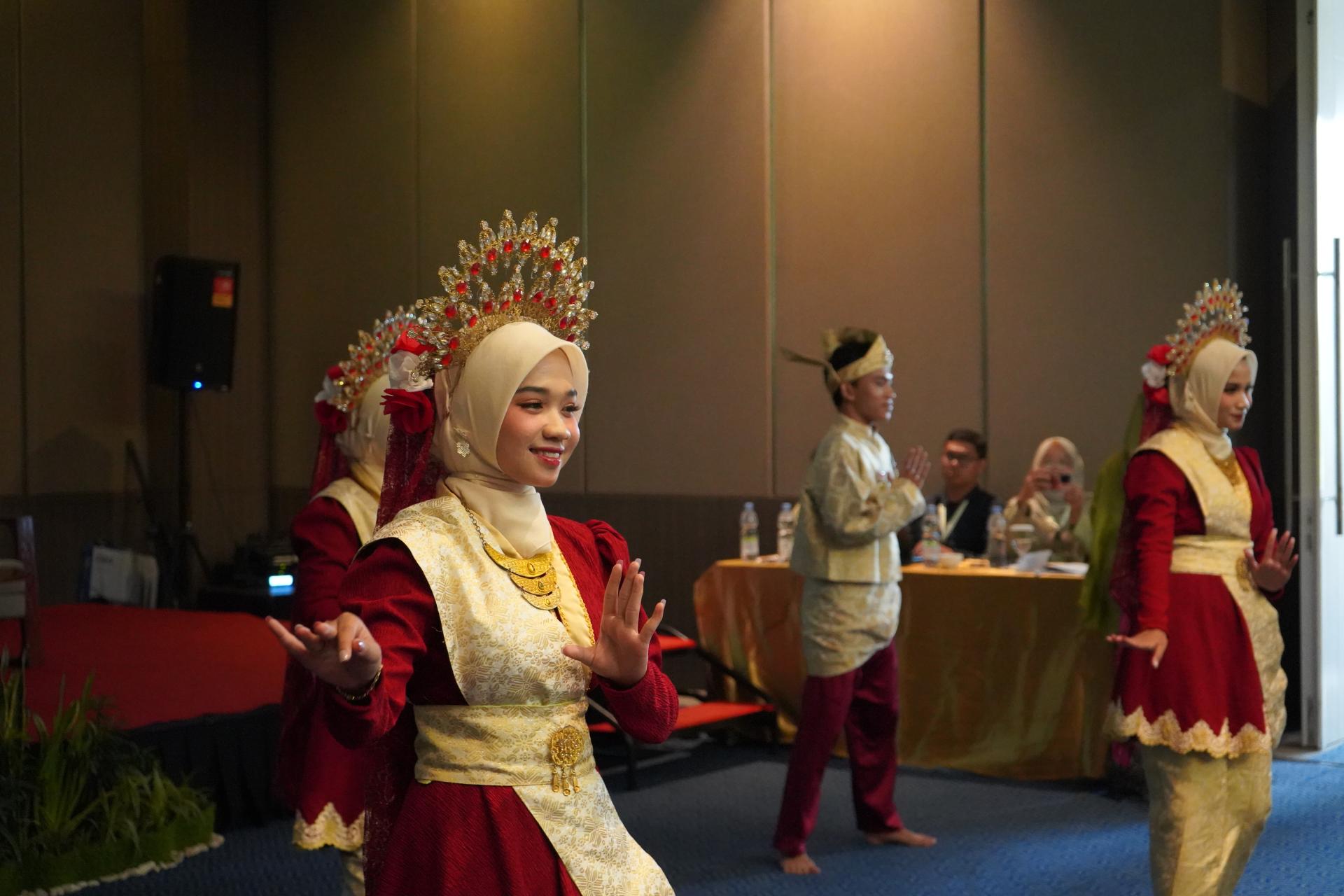
This international conference served as a platform for academics, researchers, practitioners, students, and stakeholders from various countries to share knowledge, research findings, and innovations related to bamboo utilization, forestry resources, and their applications in supporting sustainable development and environmental resilience. The event began with participant registration, followed by the opening ceremony, the singing of the Indonesian national anthem Indonesia Raya, a prayer session, and a traditional dance performance as an appreciation of Indonesia’s rich cultural heritage.
In his opening remarks, the conference chair, Dr. Samsuri, stated that IC-BaFoRA is a scientific forum expected to strengthen international cooperation networks while accelerating the downstream implementation of research outcomes in forestry and bamboo-related fields. The conference was officially opened by the Vice Rector for Research, Innovation, and Cooperation, Prof. Himsar Ambarita, who emphasized the importance of cross-disciplinary and cross-country collaboration in addressing climate change, environmental degradation, and the growing need for sustainable materials for the future.
On this occasion, the Dean of the Faculty of Forestry USU, Prof. Arida Susilowati, also warmly welcomed all participants and attendees. In her remarks, Prof. Arida expressed her appreciation to the keynote speakers for their willingness to participate in the international conference. She added that the event presented an excellent opportunity for research collaboration to enhance developments in forestry and biomaterial utilization.
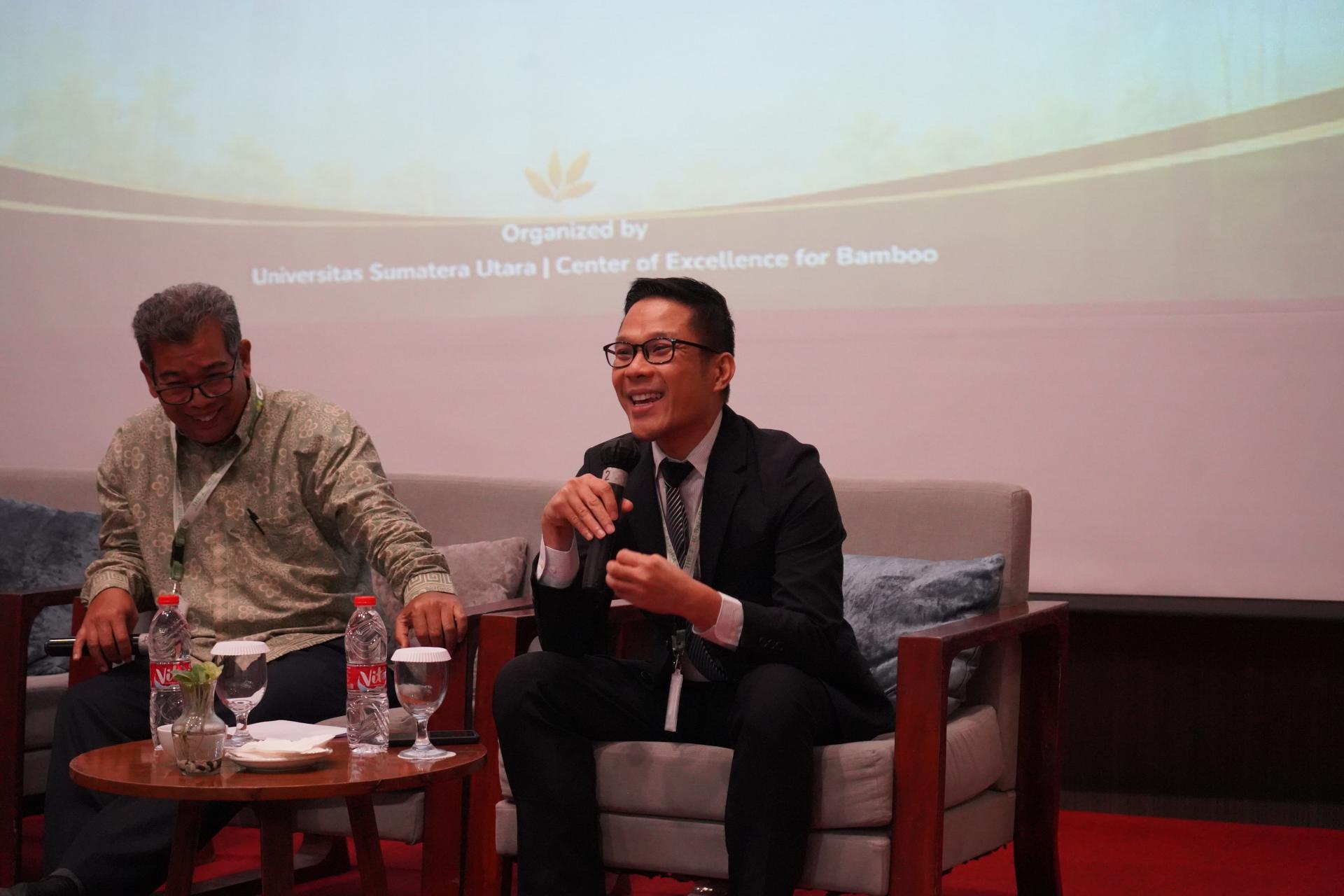
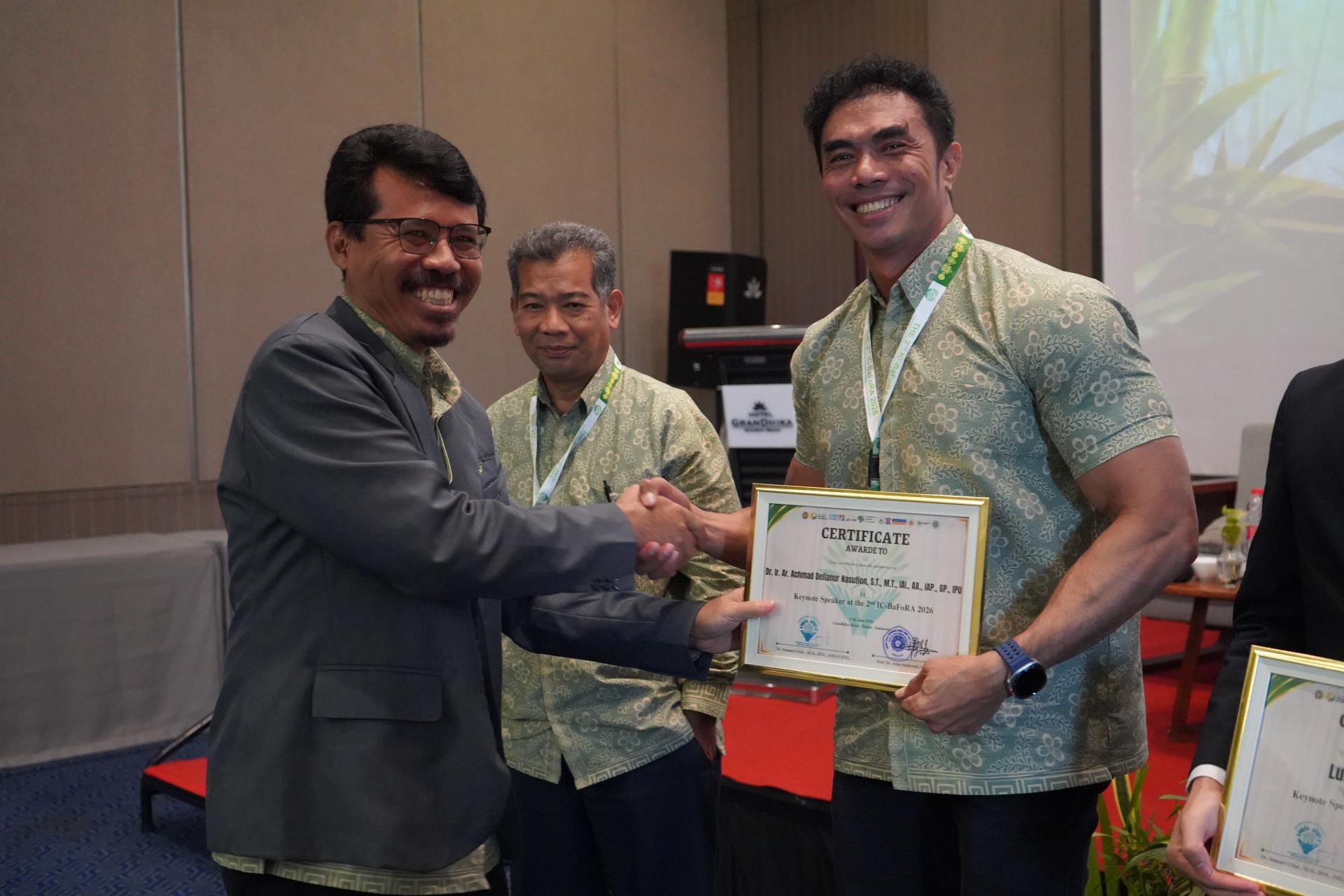
During the main session, participants attended presentations from several international speakers discussing various strategic topics related to bamboo and forestry resources. The first panel session, moderated by Prof. Dr. Eng. Ir. Irvan, M.Si., featured three speakers: Lum Wei Chen, Ph.D., who presented Mechanical and Fire Performance of Bamboo-Based Composites for Sustainable and Climate-Resilient Applications; Dr. Ir. Ar. Achmad Delianur Nasution, who discussed Bamboo Architecture as an Earthquake-Resilient Construction Material; and Prof. Petar Antov, who presented Sustainable Bamboo and Wood-Based Composites for Green Construction and Industrial Applications.
The second panel session, moderated by Dr. Ir. Rahmi Karolina, S.T., M.T., IPM., GP, featured Prof. Chen Su with a presentation titled Integrating Bioinformatics and Genomics to Uncover Climate-Resilient Traits in Bamboo, as well as Prof. Dr. Agr. Sc. Ragil Widyorini, S.T., M.T., who delivered a presentation on Structural Biocomposite Technologies from Bamboo and Forest Biomass. These presentations highlighted the role of bamboo as a renewable resource with significant potential to support low-carbon development, environmentally friendly material innovation, and climate change adaptation.
In the afternoon, the conference continued with parallel presentation sessions divided into four discussion rooms. Researchers and academics presented their latest research findings covering various themes, including forestry, conservation, natural resource management, biomaterials, forest products technology, and bamboo utilization innovations. These sessions provided participants with opportunities to engage in direct discussions, exchange ideas, and establish future research collaborations.
The parallel sessions were moderated by faculty members of the Faculty of Forestry USU: Dr. Agr. Faujiah Nurhasanah Ritonga, S.Hut., M.Si.; Deanova Pelawi, S.Hut., M.Sc.; Suri Fadhila, S.Hut., M.Sc.; and Dr. Kansih Sri Hartini, S.Hut., M.P. Participants showed great enthusiasm, reflected in the high level of engagement during the discussion and question-and-answer sessions in each presentation room.
As a form of appreciation for the quality of the scientific work presented, the organizing committee announced the Best Presenter Award at the end of the event. The award was presented to participants who demonstrated outstanding presentation quality, significant scientific contributions, and effective communication skills in delivering their research findings.
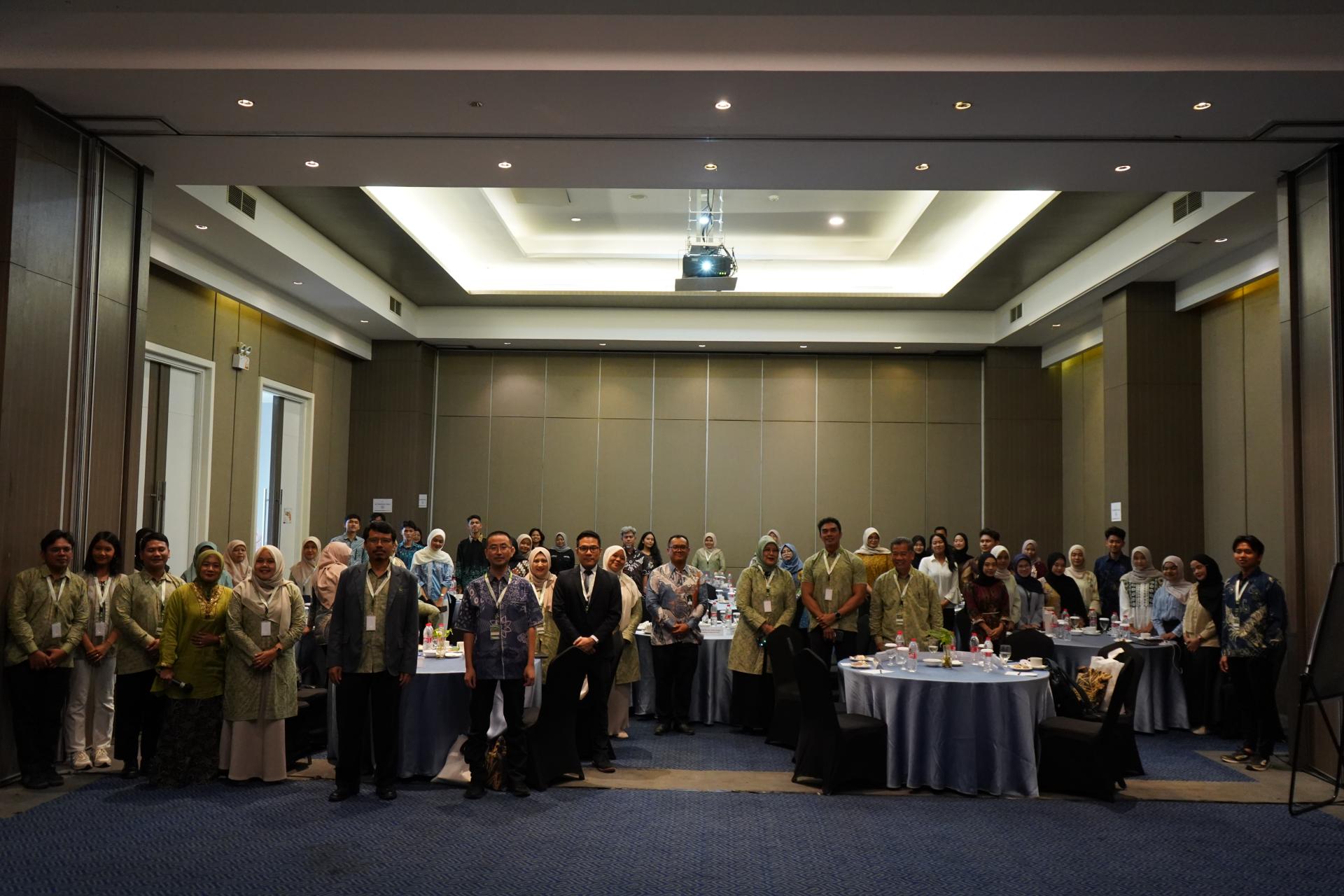
The conference was officially closed by the IC-BaFoRA Chair, Dr. Samsuri, who expressed his appreciation to all speakers, participants, committee members, and partners who contributed to the success of IC-BaFoRA 2026. He expressed hope that the conference would serve as an important milestone in strengthening international cooperation and generating innovative solutions to support sustainable forestry resource management, as well as continue to be held in the years to come.
The organization of IC-BaFoRA 2026 is also aligned with efforts to achieve the Sustainable Development Goals (SDGs). Various topics discussed during the conference support SDG 7 (Affordable and Clean Energy) through the development and utilization of environmentally friendly natural resources, particularly bamboo and forest biomass, which have significant potential as renewable alternative energy sources. The utilization of these resources not only creates economic value but also opens opportunities for sustainable and locally based energy innovations.
Furthermore, the research findings and innovations presented throughout the conference support SDG 9 (Industry, Innovation, and Infrastructure). The development of bamboo-based composite technologies, forest biomass utilization, and the application of research outcomes in construction and industrial sectors demonstrate the important role of science and technology in fostering greener, more innovative, and sustainable industries.
Discussions on climate resilience, environmentally friendly materials, and sustainable forest resource utilization strategies also make IC-BaFoRA 2026 highly relevant to SDG 13 (Climate Action). Through the exchange of knowledge and the presentation of the latest research findings, the conference contributes to the development of scientific solutions that support climate change mitigation and adaptation efforts at both local and global levels.
Moreover, the participation of speakers and attendees from various institutions and countries reflects the spirit of SDG 17 (Partnerships for the Goals). IC-BaFoRA 2026 served as an important platform to strengthen international networks, build multidisciplinary collaborations, and foster synergy among universities, research institutions, governments, industries, and communities in achieving sustainable natural resource management. Through strong partnerships, the innovations and ideas generated from this conference are expected to create tangible impacts on sustainable development in the future.
Through the organization of the 2nd International Conference on Bamboo, Forestry Resources, and Application (IC-BaFoRA) 2026, the Faculty of Forestry of Universitas Sumatera Utara once again reaffirmed its role as a higher education institution actively promoting scientific advancement, innovative research, and global collaboration toward a more sustainable future for forestry.