


.webp)
The commitment to protecting environmental sustainability was demonstrated by the Faculty of Forestry, Universitas Sumatera Utara (USU), through a collaboration with Link Net, PT Adi Aksara Bumi, and Pertamina Foundation in a ceremonial tree-planting event involving 10,000 trees entitled “New Home Pass, New Tree 2026: Planting 10,000 Trees.” The event took place on Thursday (29 October 2026) at Campus II Bekala, Simalingkar A, Deli Serdang Regency, North Sumatra, as part of the series of events commemorating the 12th Anniversary of the USU Faculty of Forestry and the 27th Anniversary of the Forestry Study Program.
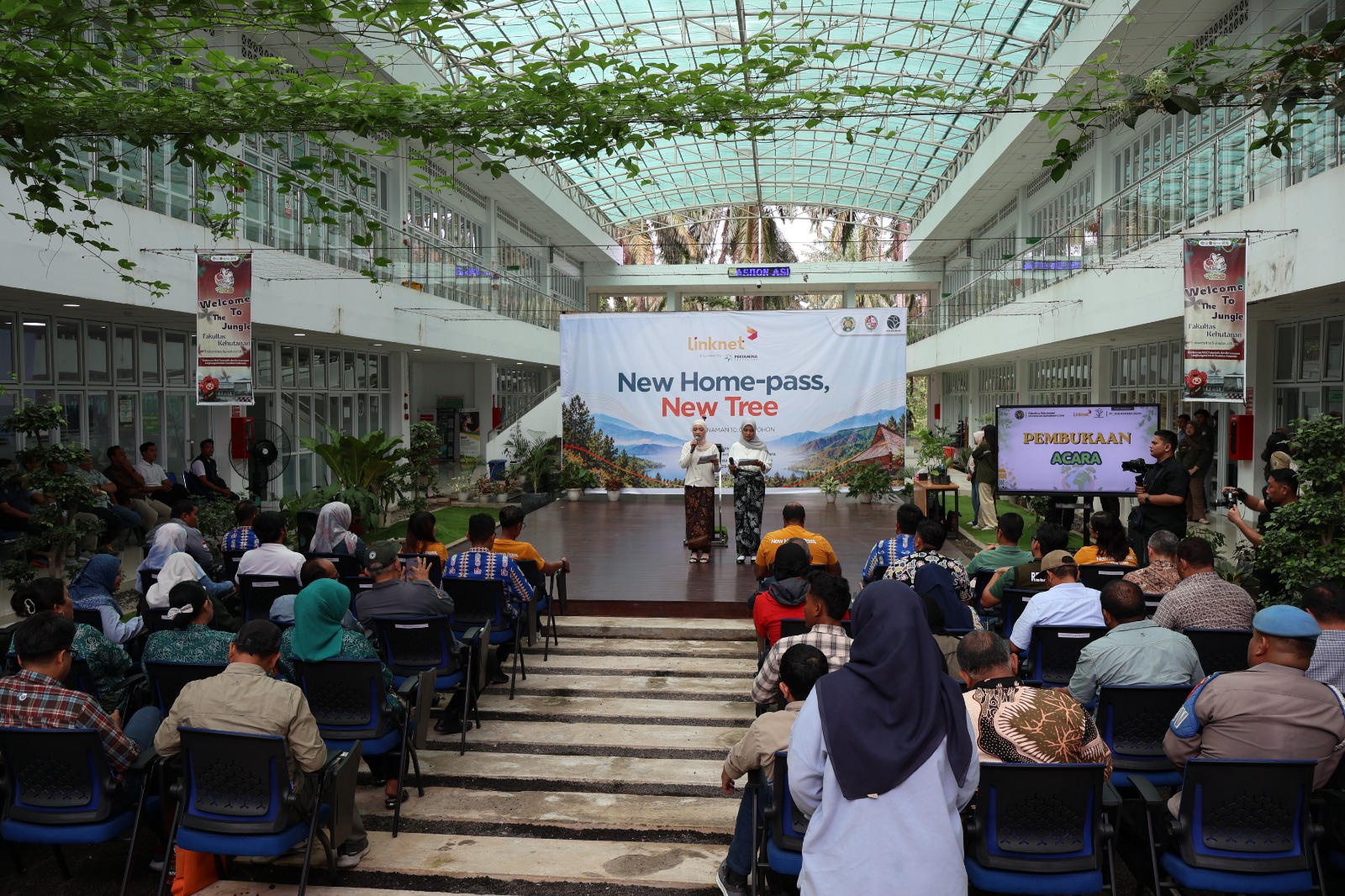
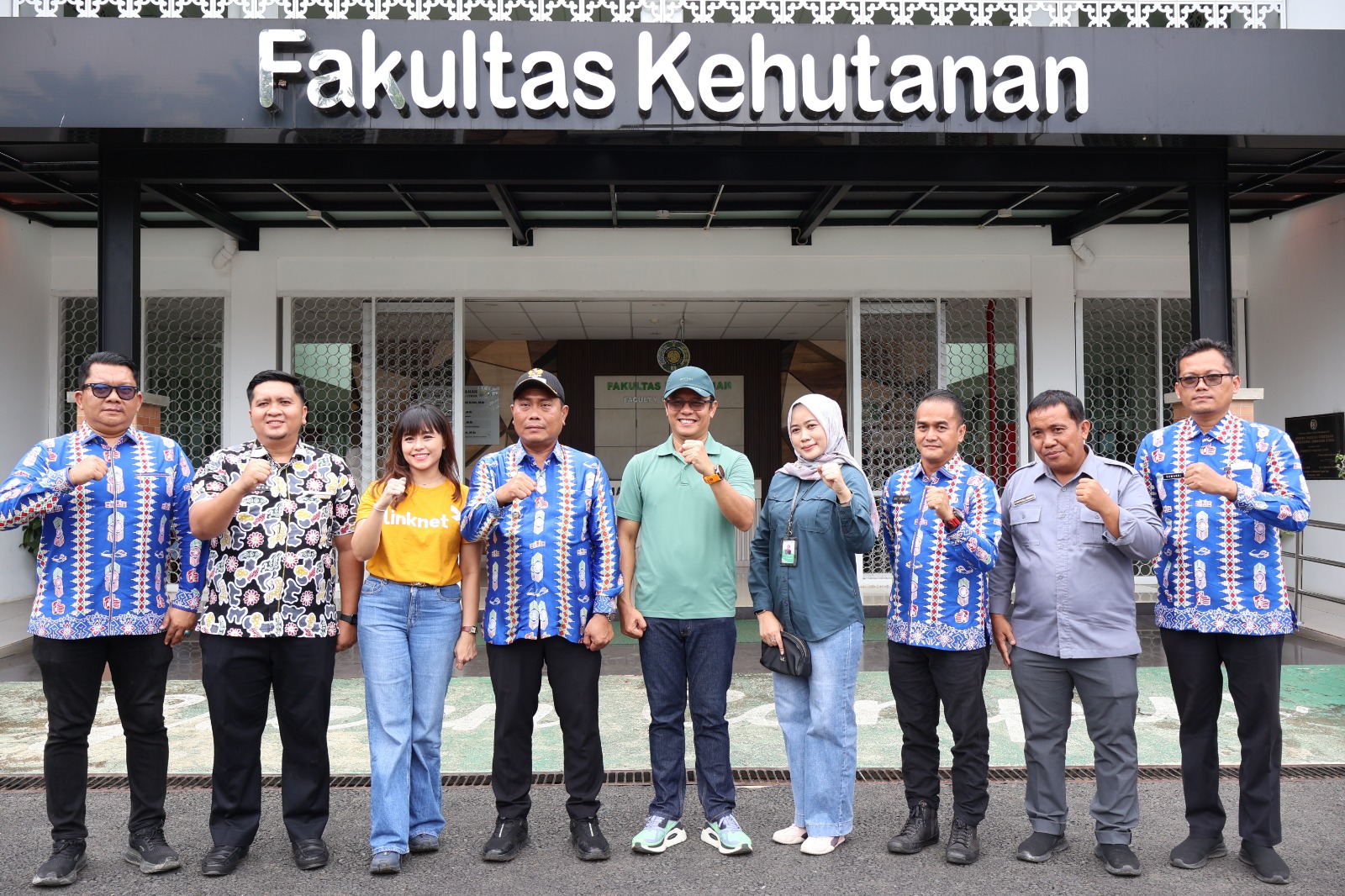
This event represented a synergy among universities, the private sector, foundations, the government, and communities in supporting greening initiatives, biodiversity conservation, and sustainable natural resource management. The ceremonial tree-planting event was attended by Link Net CEO and President Director, Kanishka G. Wickrama, accompanied by PT Link Net Tbk Chief Business Officer (Media), Thilan Wijesuriy, and their team. Pertamina Foundation was represented by its VP of HC and Business Support, Ikhsan Salman.
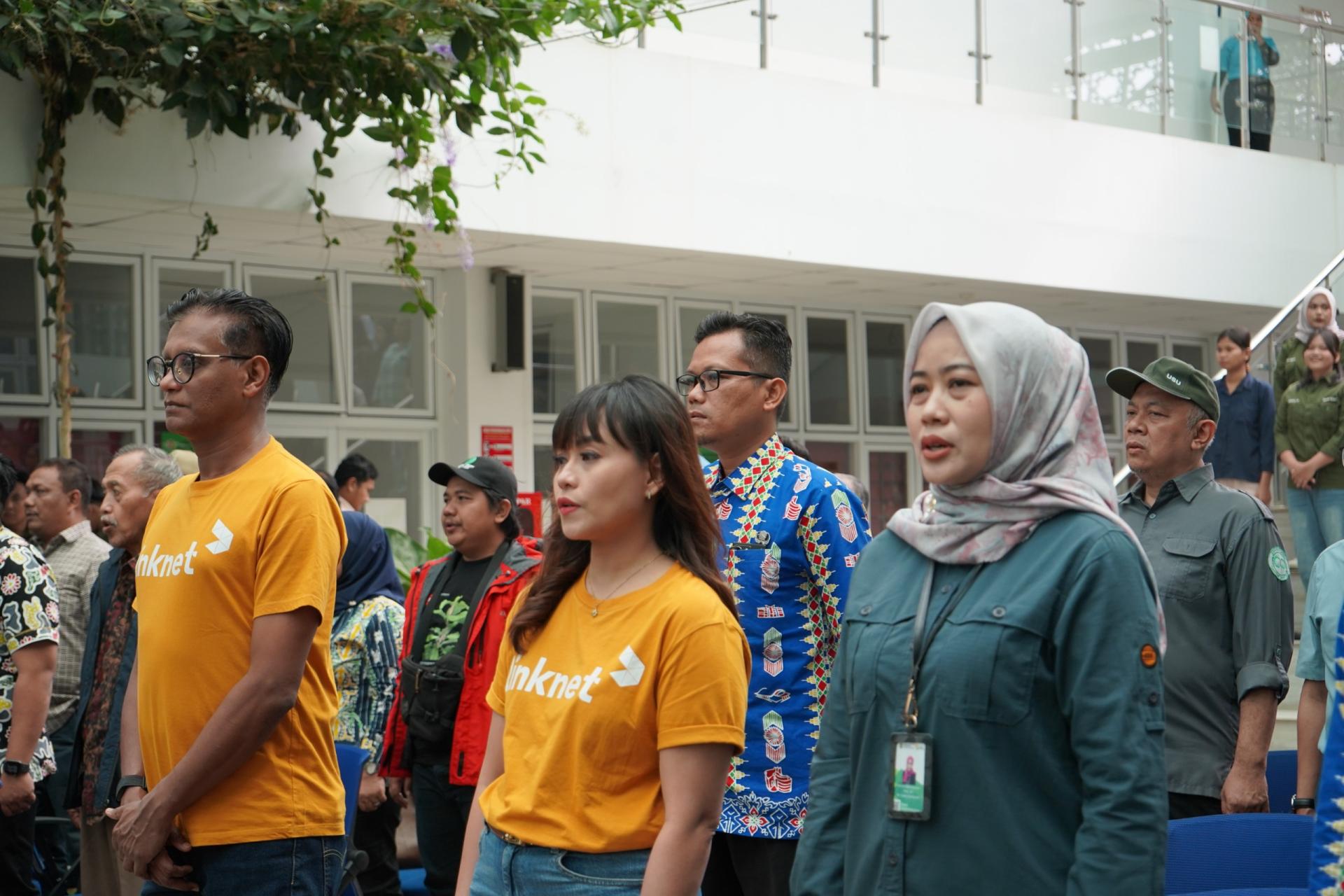
Also in attendance was USU Vice Rector for Research, Innovation, and Cooperation, Prof. Himsar Ambarita, representing the USU Rector, as well as Deli Serdang Deputy Regent, Lom Lom Suwondo, S.Sos. The event was also attended by the Head of the North Sumatra Provincial Environmental and Forestry Agency (DLHK), Heri W. Marpaung; Head of the Agrinas Palma Nusantara Division, M. Ichsan; community leader Jaman Ginting; the Head of Simalingkar A Village; the Head of Durin Tonggal Village; the leadership of PT Sultan Aren; Prof. Tukirin P. from the Indonesian Rare Tree Forum (FPLI); and several partners, invited guests, and student organizations from the USU Faculty of Forestry.
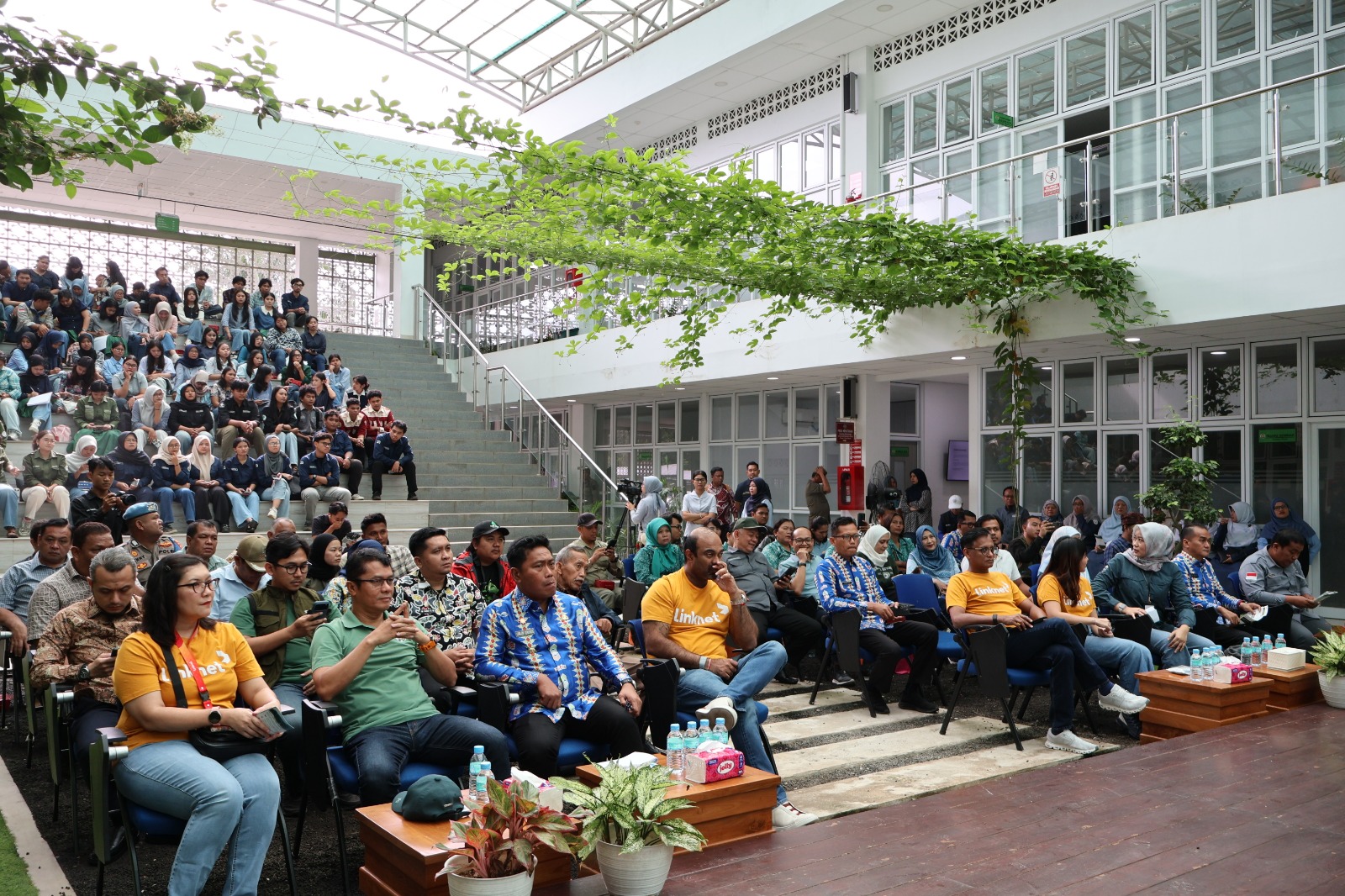
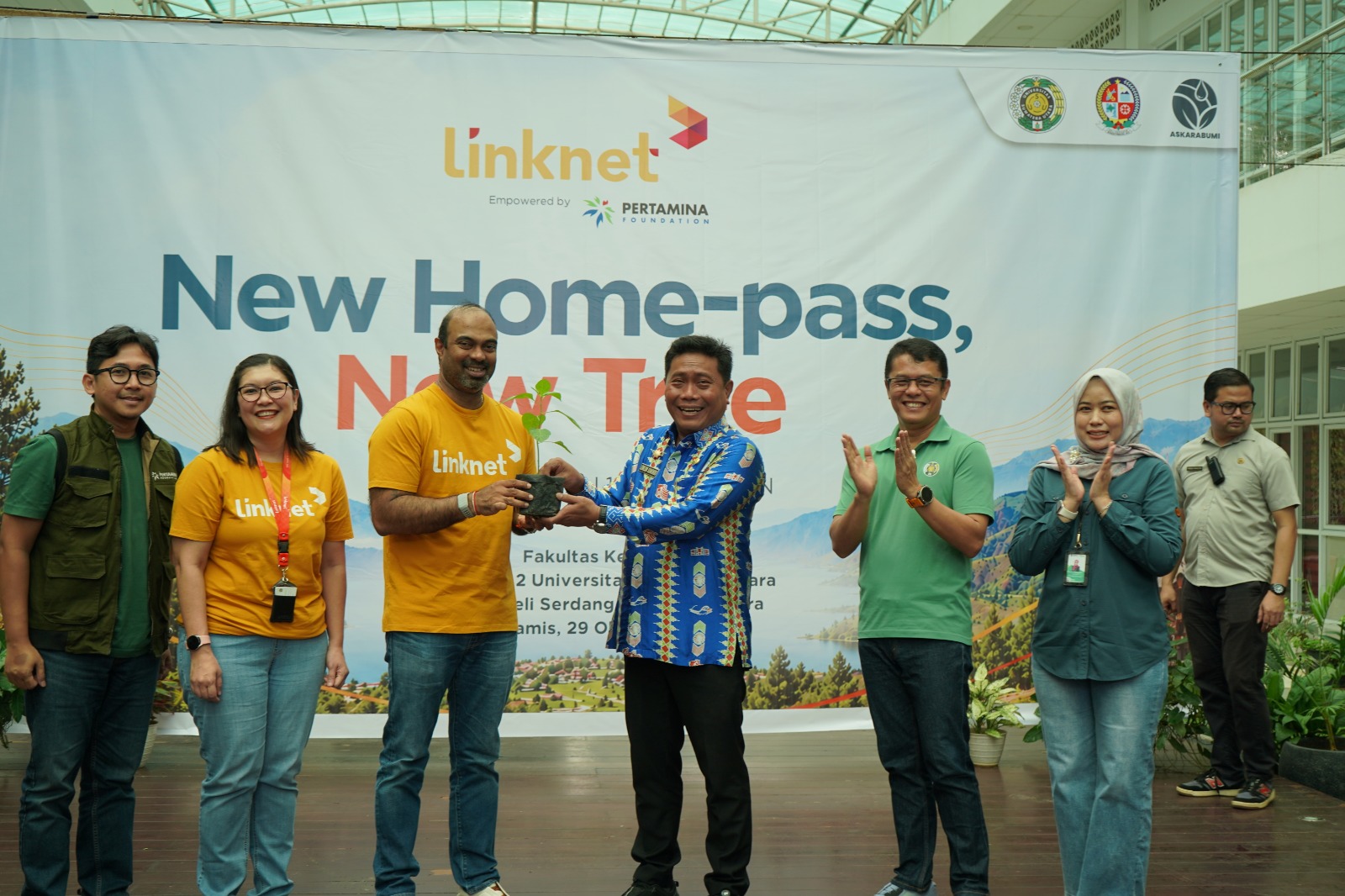
The event began with participant registration, an opening session, and remarks from the Dean of the USU Faculty of Forestry, the USU Vice Rector for Research, Innovation, and Cooperation, the Deli Serdang Deputy Regent, and the Link Net CEO. As a symbol of the commencement of the greening collaboration, the event continued with the symbolic handover of tree seedlings to representatives of the partner organizations. This moment represented a shared commitment to taking an active role in protecting the environment and building a more sustainable ecosystem.
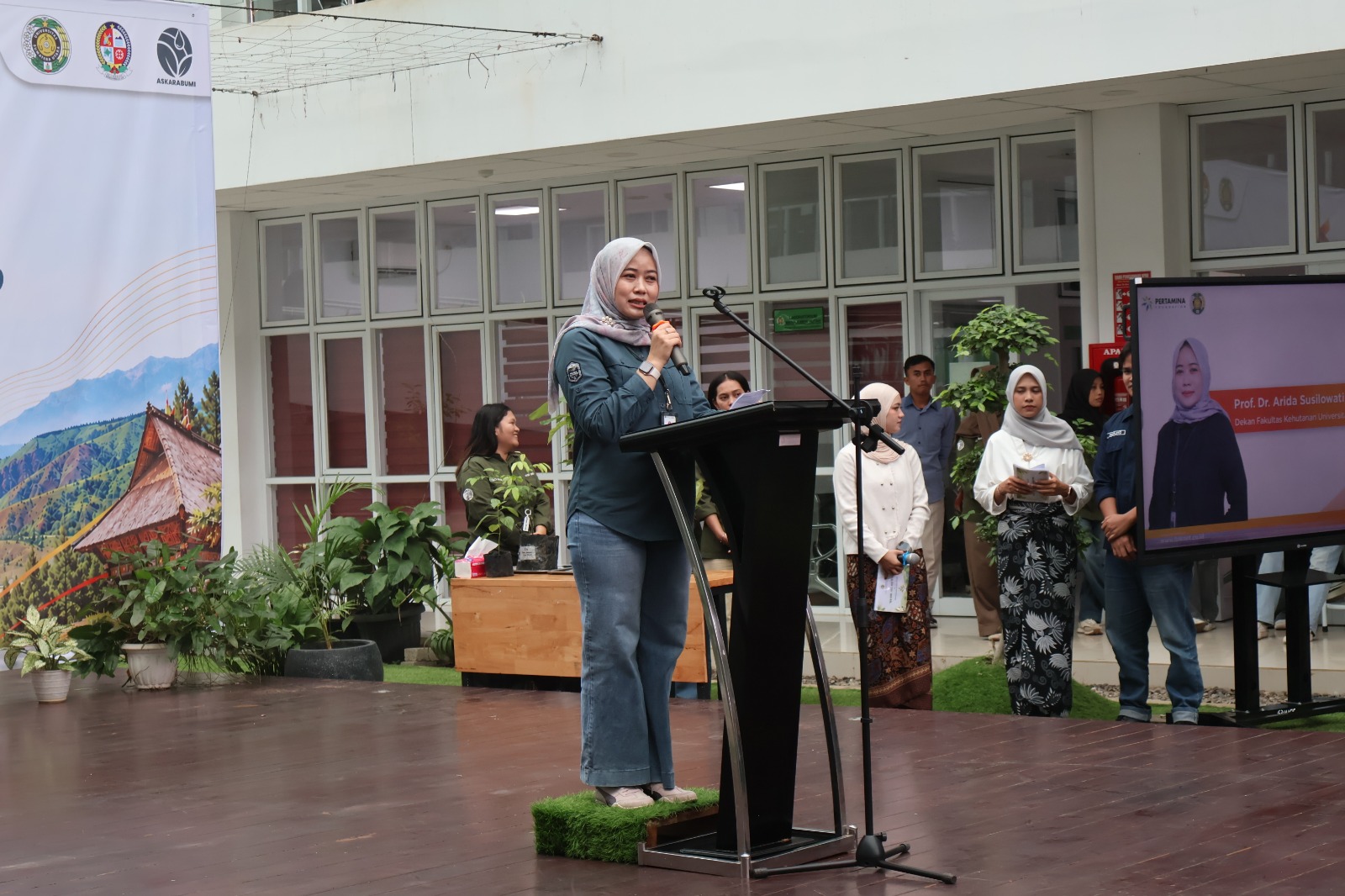
In her remarks, the Dean of the USU Faculty of Forestry, Prof. Dr. Arida Susilowati, emphasized that the collaboration established through this event was expected to extend beyond a ceremonial activity and become the starting point of an ongoing collective movement. She encouraged all parties to make this occasion a testament to how the government, universities, businesses, and communities can work together toward a common goal: building a green, resilient, and sustainable future. According to her, environmental conservation requires long-term commitment and the involvement of various stakeholders to ensure that its benefits can be enjoyed by future generations.
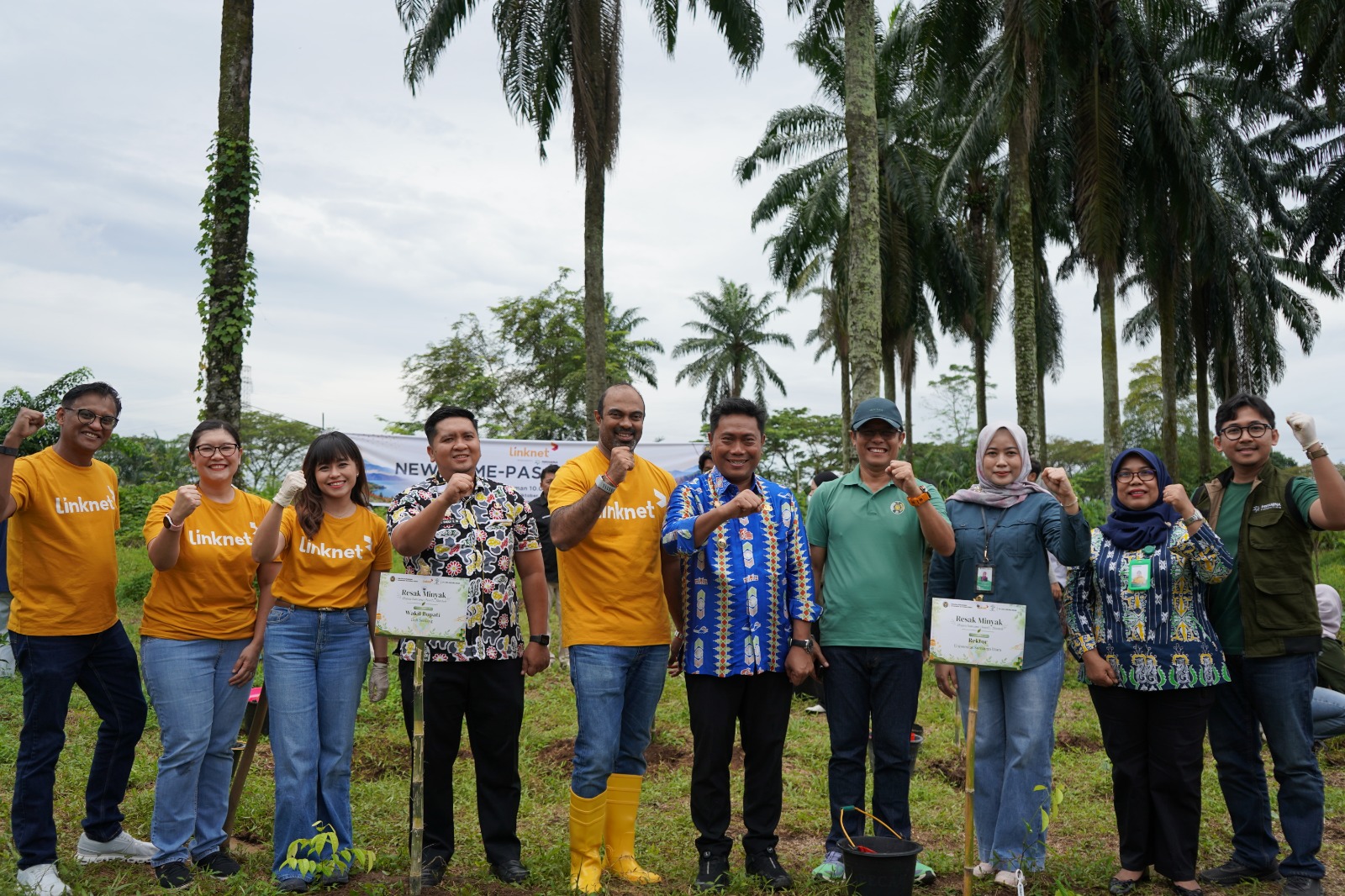
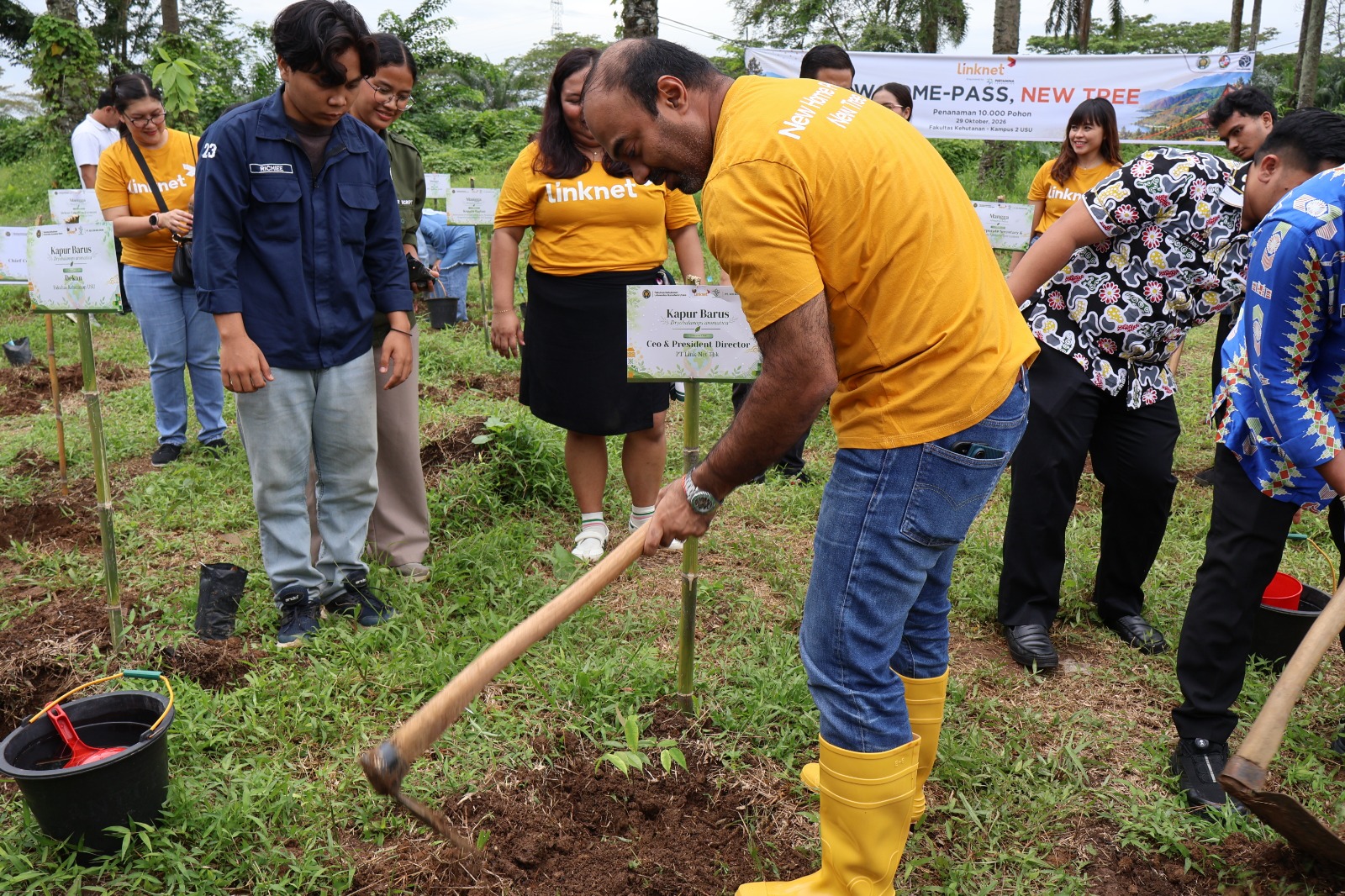
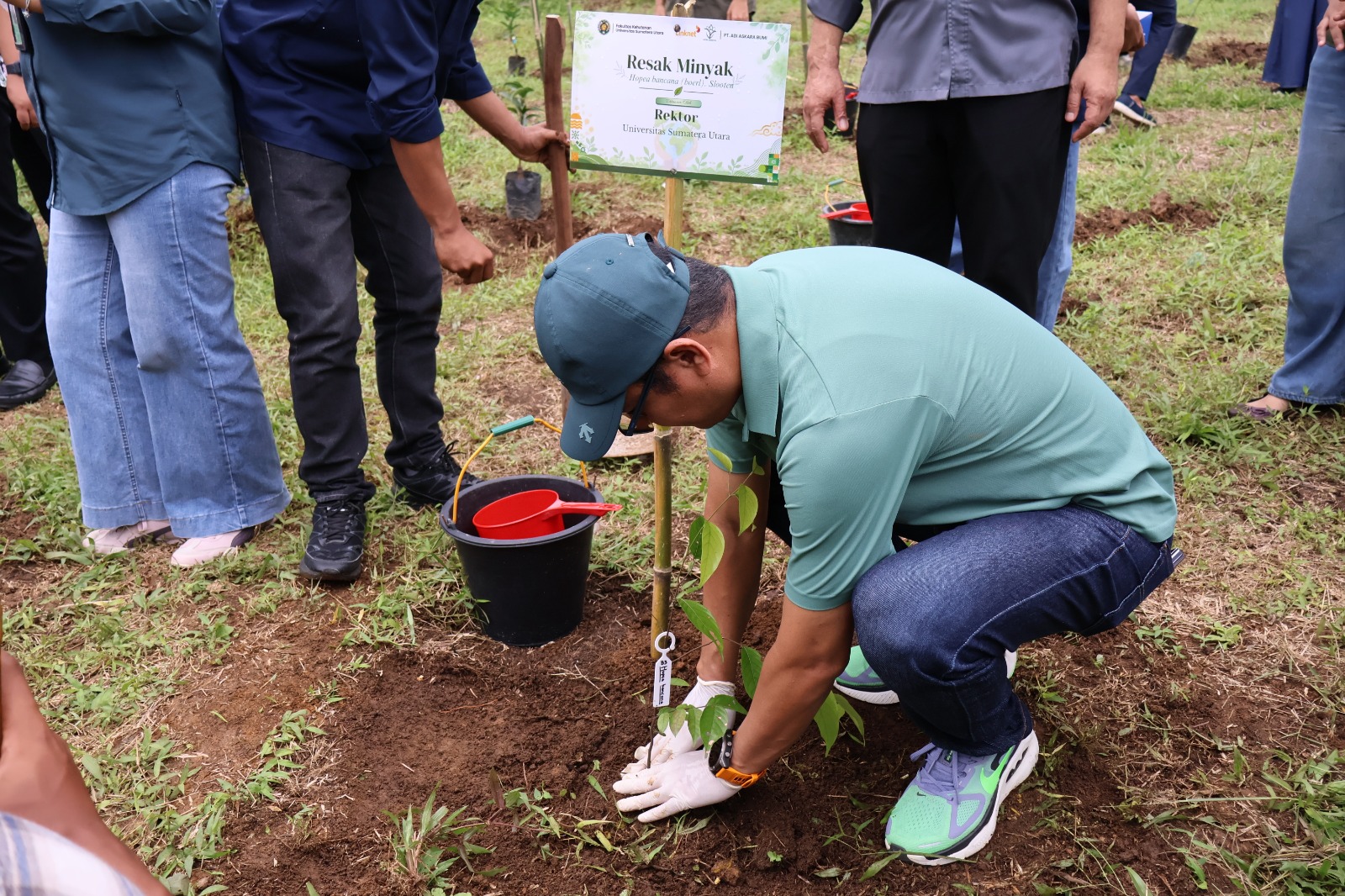
Following the ceremonial proceedings, the invited guests and participants planted tree seedlings in the Campus II Bekala area. The planting involved several tree species with ecological value and the potential to support biodiversity conservation, including rare and endemic species such as kapur (Dryobalanops aromatica) and Hopea bancana, as well as other plant species, including mango and resak minyak.
The selection of these tree species was an important part of efforts to strengthen vegetation cover while introducing and preserving ecologically valuable tree species. In addition to supporting the greening of the campus area, planting various tree species is expected to serve as a long-term environmental investment, create habitats that support biodiversity, and raise awareness of the importance of natural resource conservation.
More than just a tree-planting activity, this initiative demonstrates that environmental conservation requires shared involvement and responsibility. Collaboration among the USU Faculty of Forestry, the business sector, foundations, local government, communities, and students is an important force in expanding the impact of environmental action. The involvement of various stakeholders also creates opportunities to develop conservation activities supported by academic knowledge, social awareness, and tangible contributions from the industrial sector.
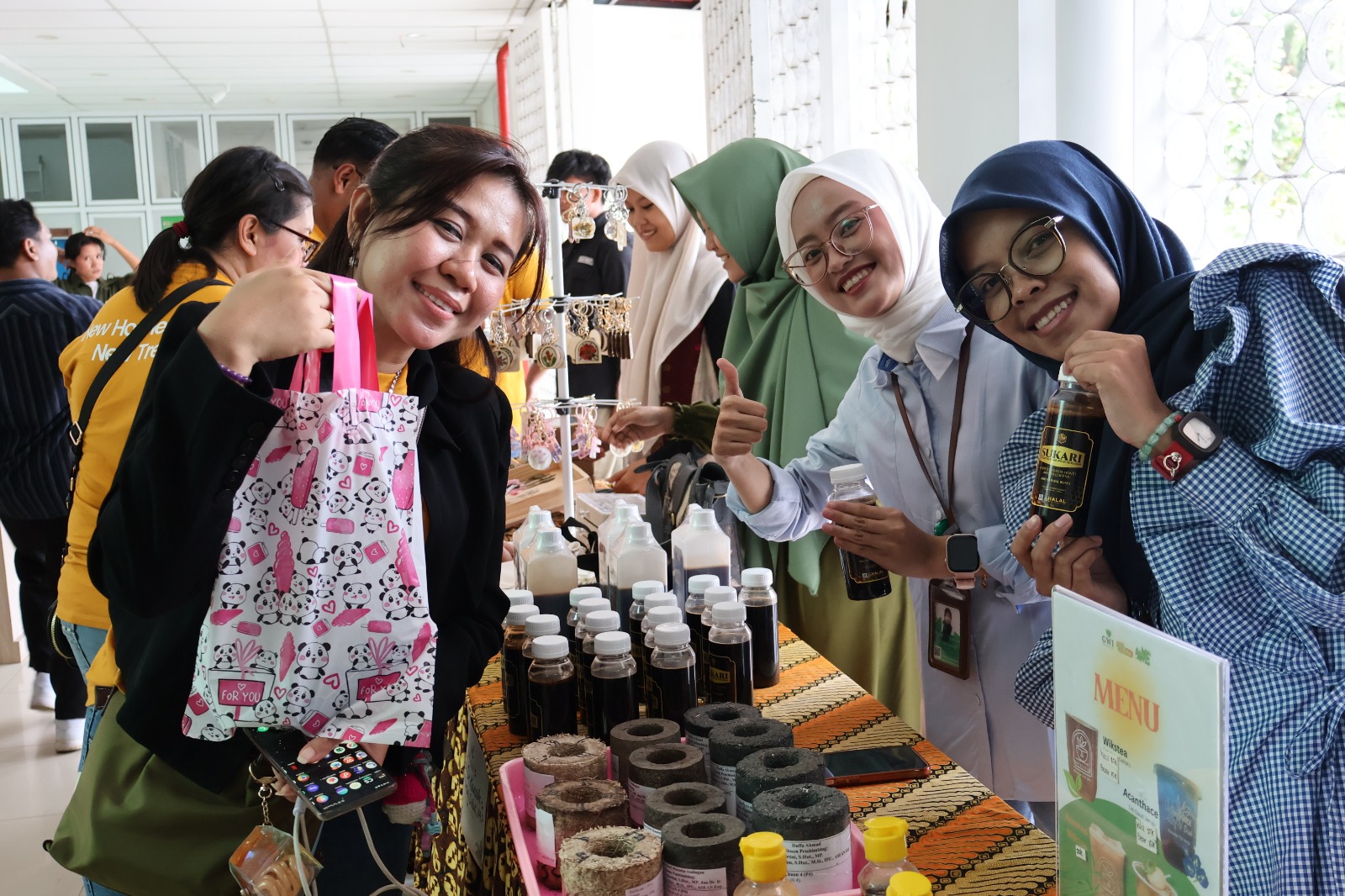
After the tree-planting activities at Campus II Bekala were completed, the agenda continued at the USU Padang Bulan Campus with a public lecture in collaboration with Link Net. Before departing for the Padang Bulan Campus, the guests had the opportunity to visit various bazaar booths that had been prepared. This ceremonial event formed part of a broader collaboration that brought together academia and industry through knowledge exchange and the development of students' perspectives. Thus, the cooperation established was not only focused on environmental action but also supported the development of young people's capacity as part of sustainable development efforts.
Through the “New Home Pass, New Tree 2026” program, the USU Faculty of Forestry and its partners hope that planting 10,000 trees will become a sustainable initiative that provides ecological benefits to the campus environment and surrounding communities. This occasion also reaffirmed that protecting the environment is not merely about planting trees today, but also about building a commitment to nurturing, preserving, and ensuring their sustainability for future generations.
This activity aligns with the achievement of the Sustainable Development Goals (SDGs), particularly SDG 13 (Climate Action) through support for climate change mitigation efforts; SDG 15 (Life on Land) through greening initiatives and the conservation of rare trees and biodiversity; SDG 4 (Quality Education) through strengthening students' knowledge and involvement in environmental activities; and SDG 17 (Partnerships for the Goals) through cross-sector collaboration among universities, businesses, foundations, the government, and communities.