


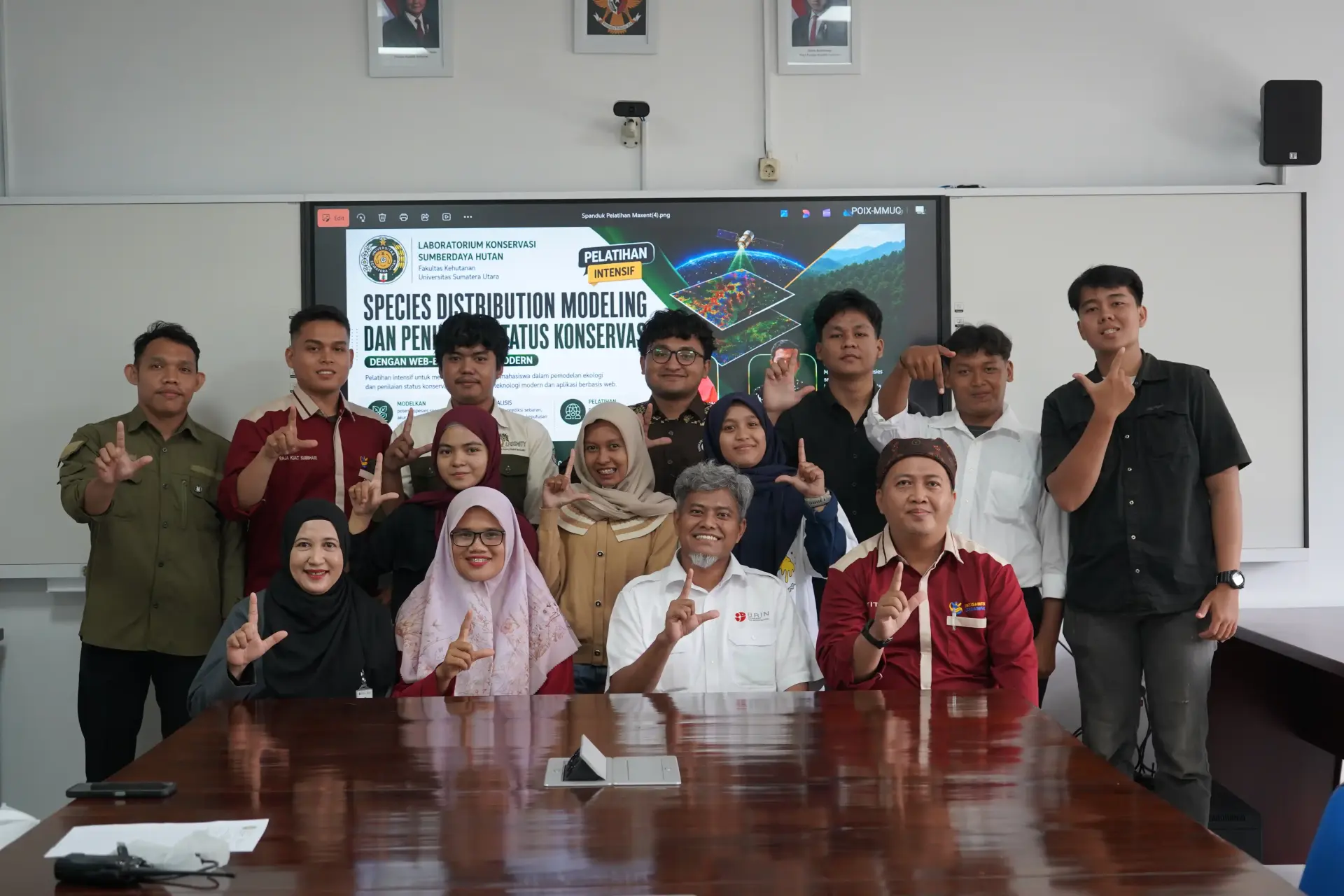
HUMAS FAHUTAN - The Faculty of Forestry, Universitas Sumatera Utara (USU), through its Forest Resources Conservation Laboratory, organized a Maximum Entropy (MaxEnt) Training for students from June 24–26, 2026, at the Faculty of Forestry, USU. The program was initiated by the Forest Resources Conservation Laboratory as part of its commitment to enhancing students' competencies in species distribution modeling technologies to support research and biodiversity conservation.
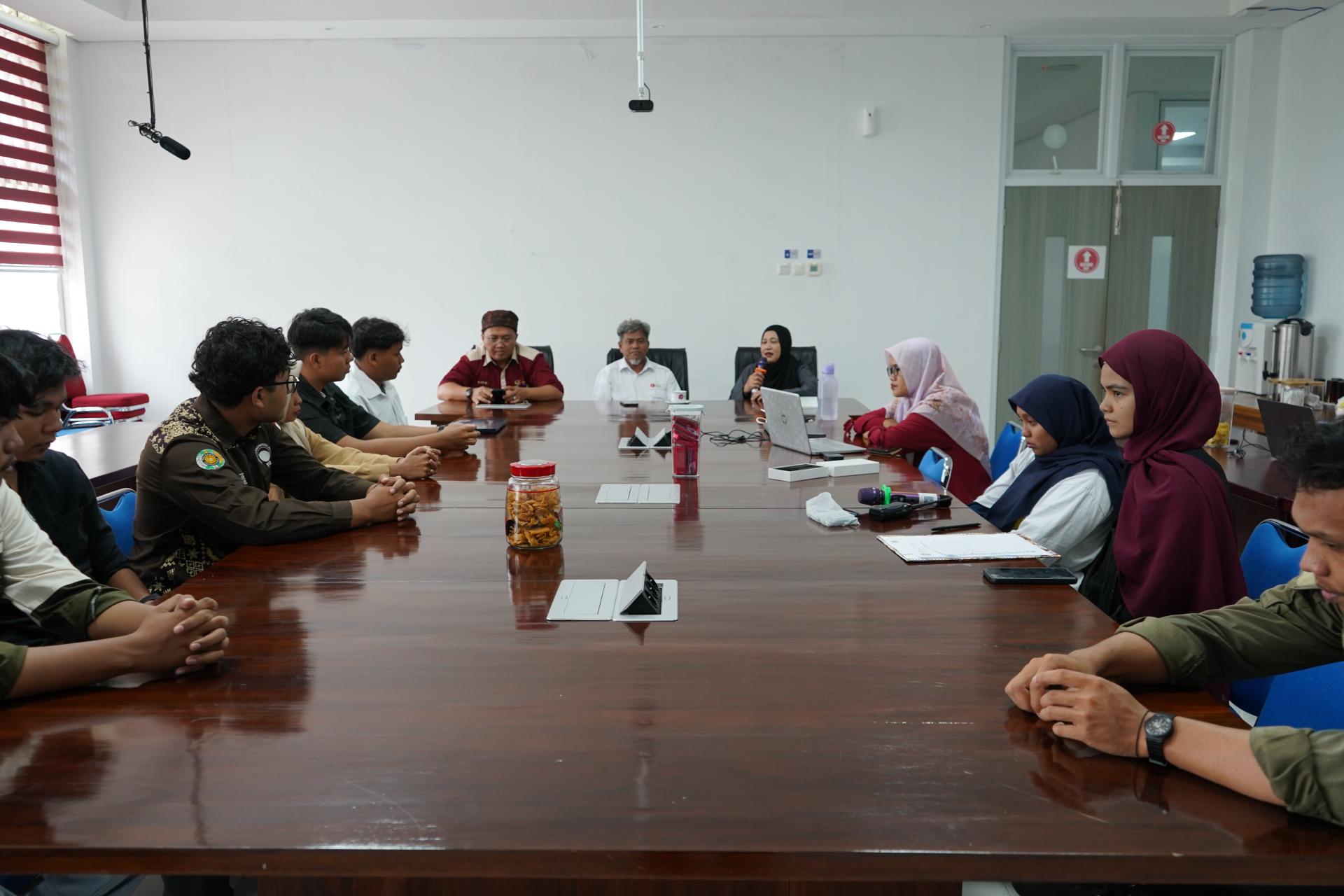
Before the training, the Faculty of Forestry welcomed the guest instructor, Muhammad Hadi Saputra, S.Hut., M.P.W.K., M.Sc., a researcher at the National Research and Innovation Agency (BRIN) specializing in species distribution modeling using the Maximum Entropy (MaxEnt) method. The occasion also featured the signing of a collaboration agreement between the Faculty of Forestry at USU and Muhammad Hadi Saputra, marking the beginning of a partnership to strengthen collaboration in forestry education, research, and scientific development.
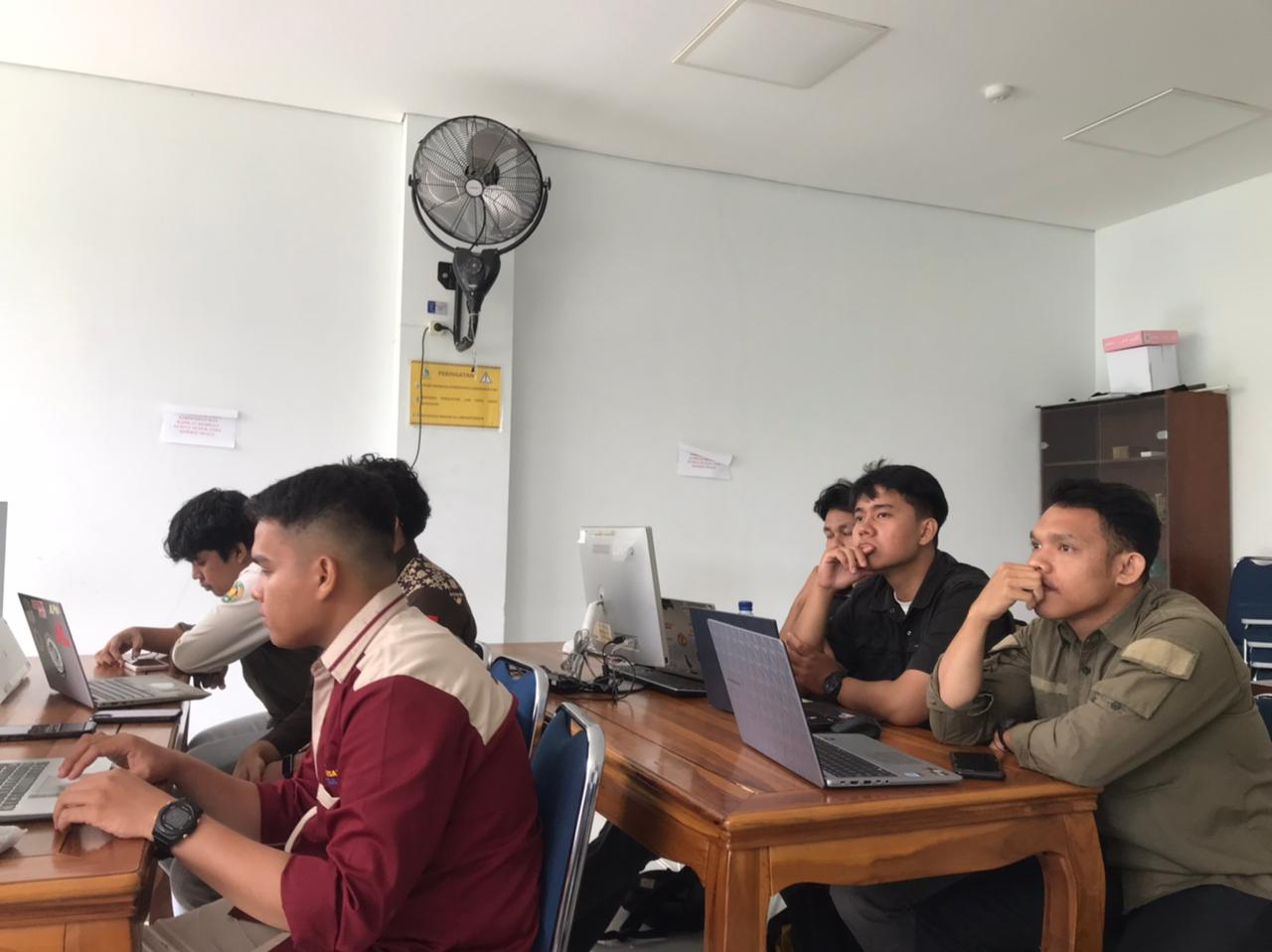
The welcoming ceremony and signing of the collaboration agreement were attended by the Head of the Forest Resources Conservation Laboratory, Dr. Ridahati Rambey, S.Hut., M.Si., along with the Faculty's leadership, including the Vice Dean for Academic Affairs, Student Affairs, and Alumni, Dr. Tito Sucipto; the Vice Dean for Finance and Resources, Dr. Luthfi Hakim; the Vice Dean for Research, Community Service, Cooperation, and Internationalization, Dr. Anita Zaitunah; and the Dean's Expert Staff for Cooperation, Dr. Nelly Anna.
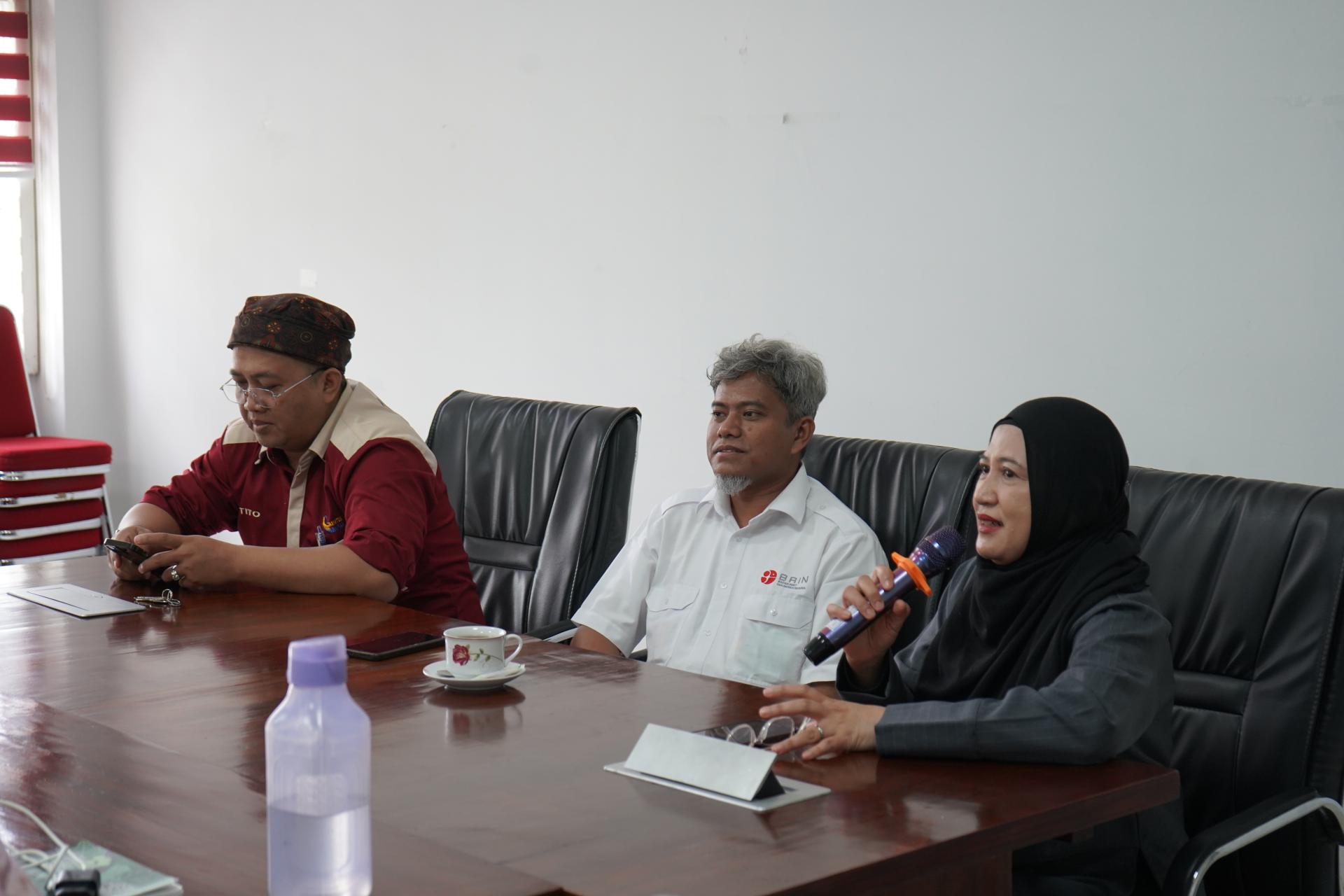
Throughout the three-day training, Muhammad Hadi Saputra guided students through both the theoretical foundations and practical applications of the Maximum Entropy (MaxEnt) method, a widely used approach for predicting species distribution based on species occurrence records and environmental variables. Participants received hands-on instruction in data processing, the selection and use of environmental variables, species distribution modeling, and the interpretation of analytical results applicable to various fields of forestry and conservation research.
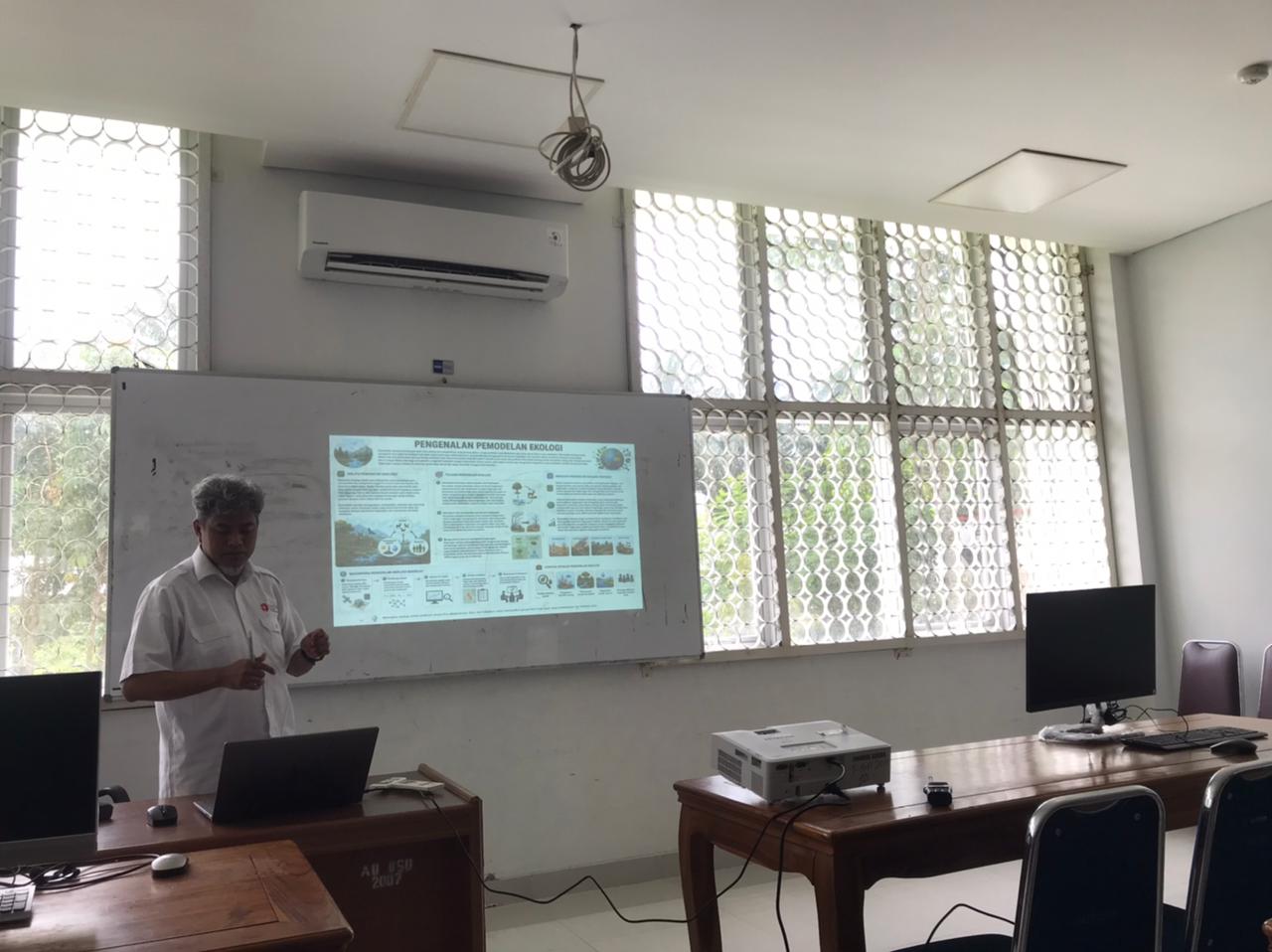
The training provided students with valuable learning experiences that strengthened their spatial analysis skills and their ability to utilize advanced technologies for identifying the potential distribution of biodiversity, including both flora and fauna. These competencies serve as essential foundations for conducting data-driven scientific research while supporting sustainable natural resource conservation efforts.
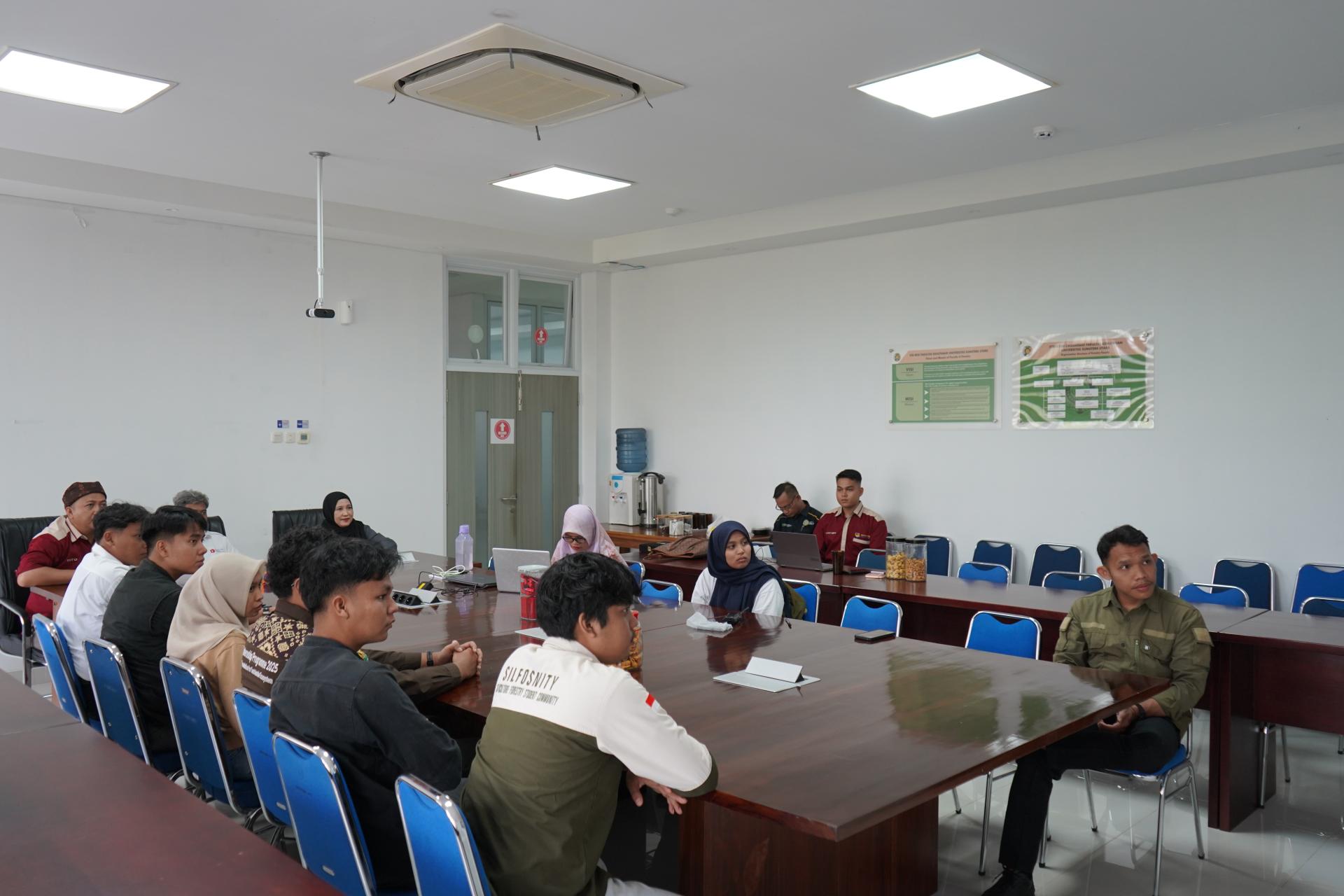
The implementation of this training reflects the Faculty of Forestry USU's commitment to delivering education that keeps pace with advances in science and technology. In addition to enhancing students' technical expertise, the program also opens broader opportunities for collaboration with researchers to further strengthen forestry education and research.
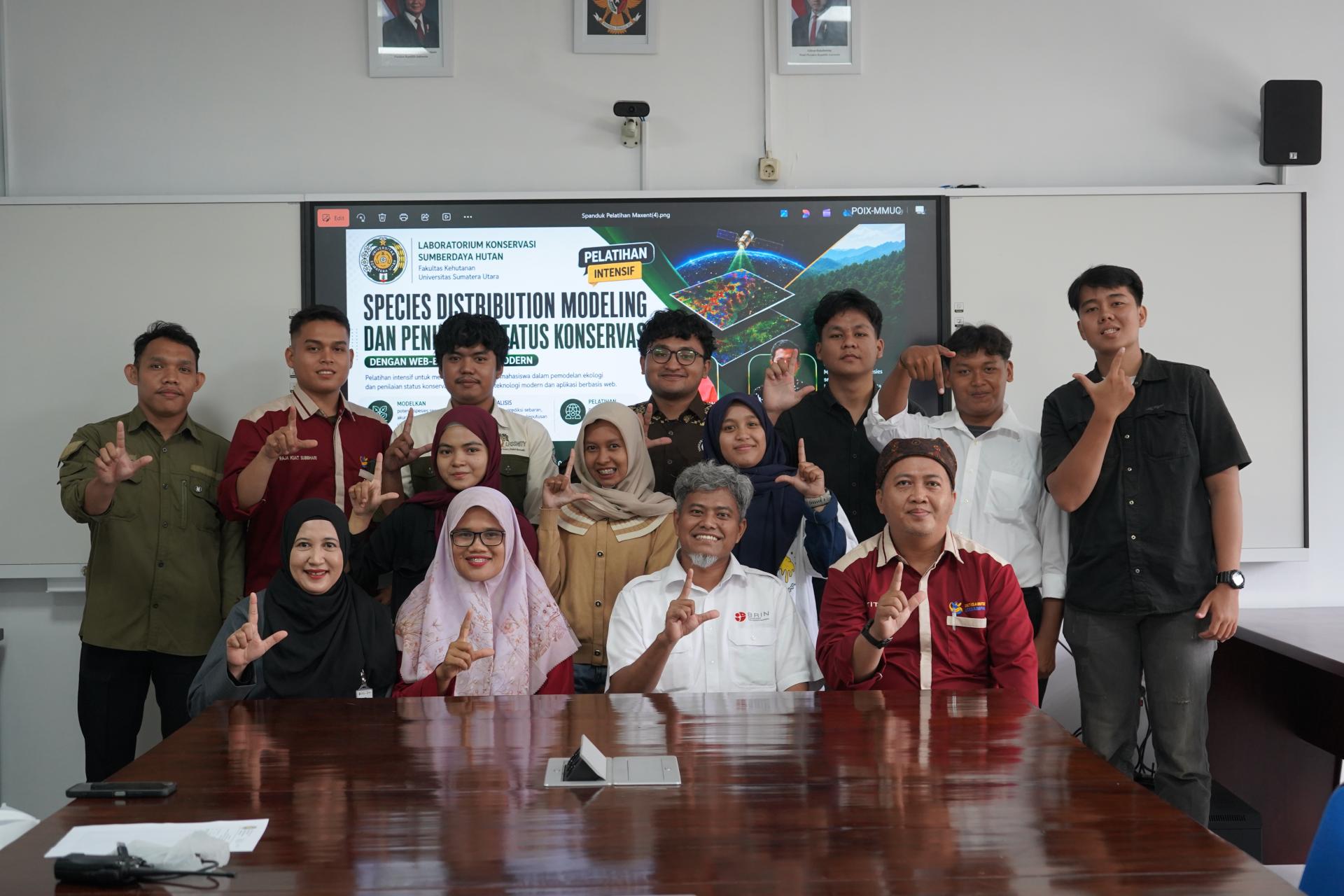
This initiative also contributes to the achievement of the Sustainable Development Goals (SDGs), particularly SDG 4 (Quality Education) by enhancing students' competencies in advanced analytical methods and technologies, SDG 15 (Life on Land) by strengthening scientific capacity in biodiversity research and conservation, and SDG 17 (Partnerships for the Goals) through collaboration between the Faculty of Forestry USU and researchers from BRIN in advancing forestry education, research, and innovation.