


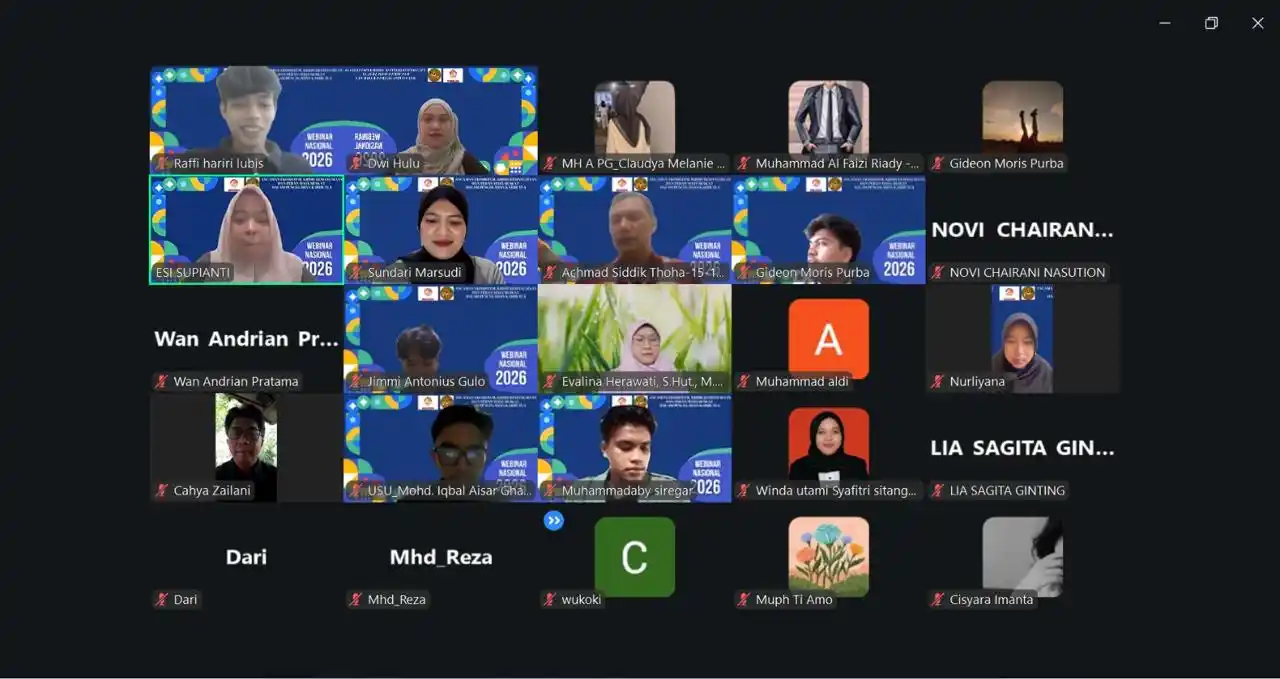
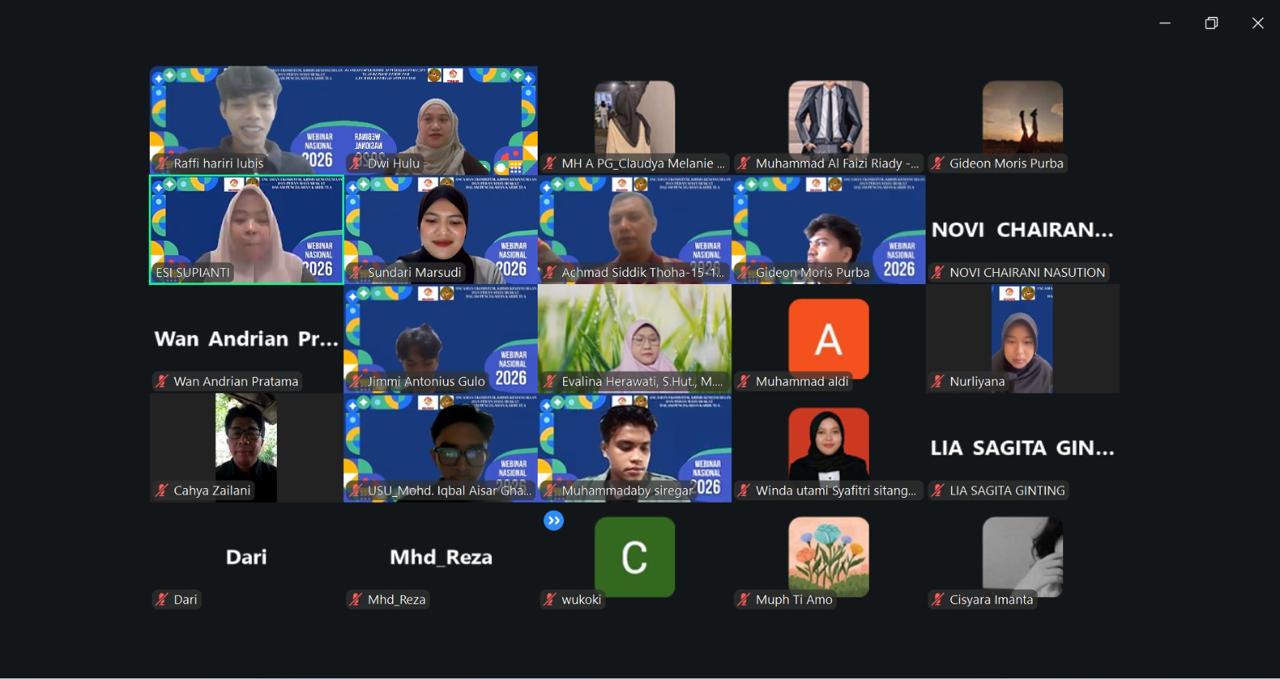
The threat of forest and land fires (karhutla) not only causes ecosystem damage but also creates humanitarian issues that require attention and involvement from various parties. As a form of concern for this issue, Relawan Indonesia (Relindo), together with Rimbapala of the Faculty of Forestry, Universitas Sumatera Utara (USU), held a webinar entitled “Ecosystem Threats, Humanitarian Crises, and the Role of the Community in Forest and Land Fire Prevention” on Saturday (November 7, 2026). The event was held online via Zoom Meeting.
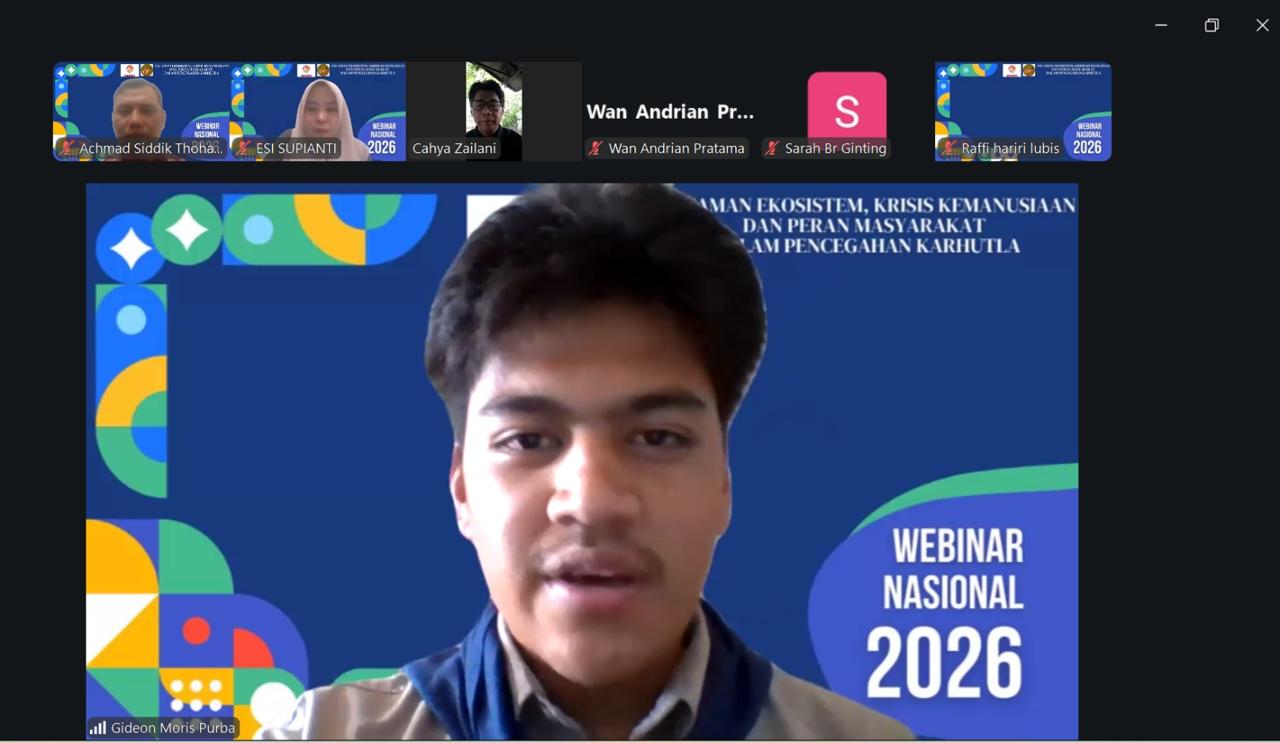
This webinar served as an educational and discussion platform to raise public awareness of the impacts of forest and land fires while strengthening the community’s active role in prevention efforts. Forest and land fires cannot be viewed merely as environmental disasters, but also as threats to health, safety, social life, and the continuity of community activities in affected areas.
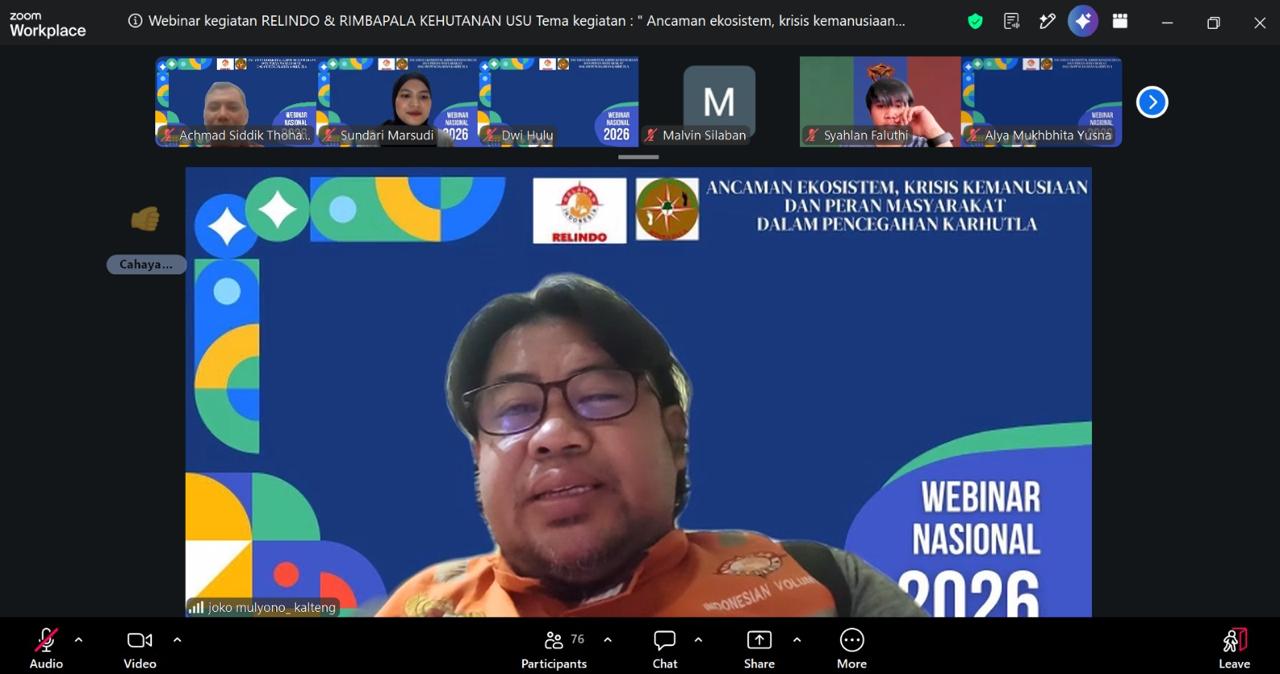
Bringing together the perspectives of academics, volunteers, and forestry practitioners, the event featured four speakers with diverse experience and expertise. The speakers included Dr. Achmad Siddik Thoha, S.Hut., M.Si., an academic specializing in forest and land fires from USU; Joko Mulyono, a forest and land fire volunteer from Central Kalimantan; Heri Junaidi, Chair of Relindo Ketapang, West Kalimantan; and Syahlan Faluthi, a content creator and forestry practitioner. The discussion was moderated by Sundari Marsudi, S.Hut., M.Si.
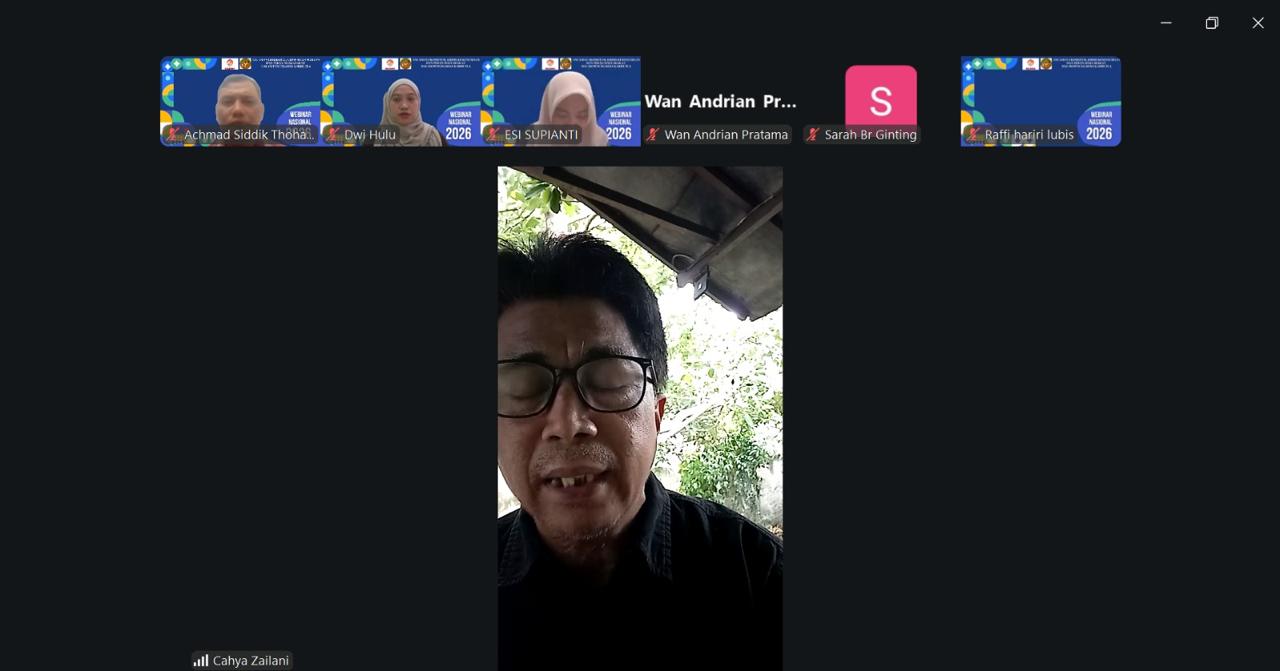
The presence of these speakers provided participants with an opportunity to understand forest and land fire issues from various perspectives, ranging from ecological and scientific aspects to the firsthand experiences of volunteers in dealing with forest and land fires. This combination of perspectives is expected to enrich participants’ understanding that preventing forest and land fires requires a comprehensive approach, including education, increased awareness, preparedness, and community involvement in protecting the environment.
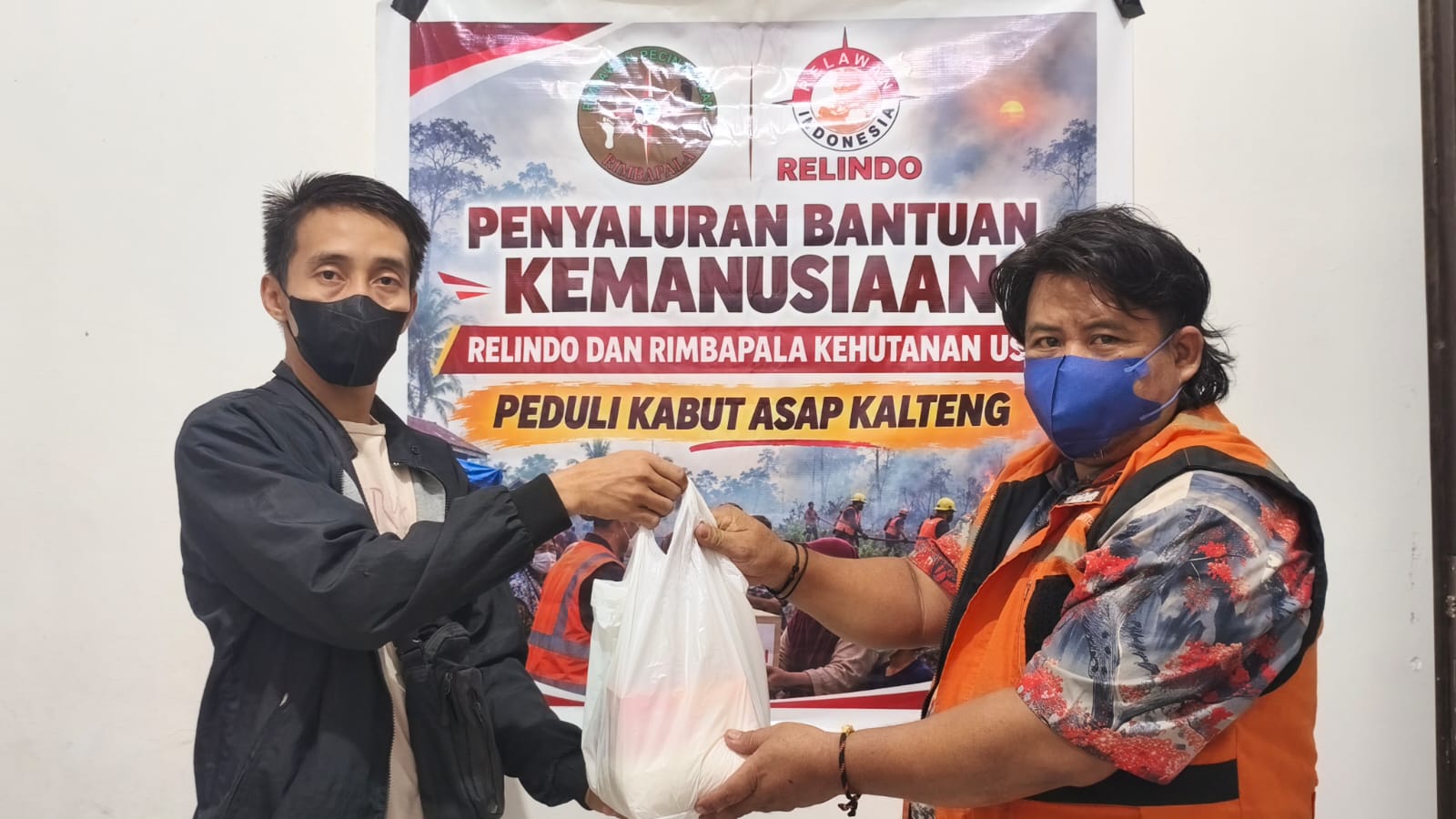
Focusing not only on discussion and knowledge exchange, the webinar also opened a Forest and Land Fire Relief Donation Drive as an act of solidarity with affected communities. This initiative represented a tangible expression of concern, inviting participants and the wider community to contribute to helping alleviate the impacts of forest and land fire disasters. Through this activity, environmental concern is expected to be translated into concrete action rather than remaining limited to understanding and discussion.
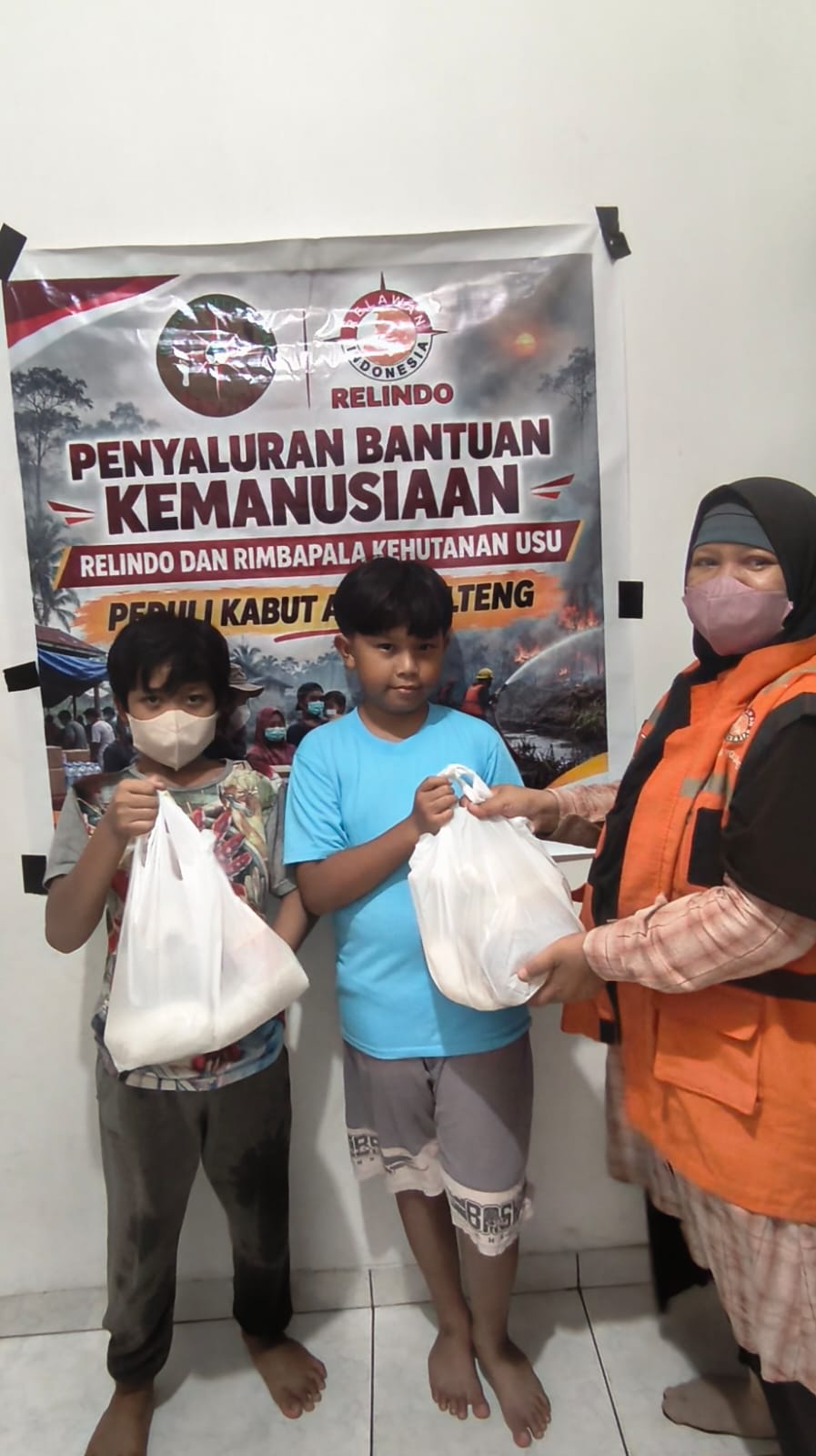
The collaboration between Relindo and Rimbapala of the Faculty of Forestry, USU, demonstrates the importance of synergy among volunteer communities, academics, practitioners, and the public in addressing environmental challenges. Efforts to prevent forest and land fires require collective participation through information dissemination, improved environmental literacy, and strengthened humanitarian solidarity to minimize the impacts of fires.
This activity aligns with the achievement of the Sustainable Development Goals (SDGs), particularly SDG 3 (Good Health and Well-Being) through increased awareness of the health impacts of forest and land fires on the community; SDG 13 (Climate Action) through strengthened education and participation in forest and land fire prevention; SDG 15 (Life on Land) through efforts to protect forests and biodiversity; and SDG 17 (Partnerships for the Goals) through collaboration across communities and academia. Through this educational and solidarity initiative, more parties are expected to be inspired to play a role in protecting ecosystems while strengthening concern for communities affected by forest and land fires.