


.webp)
The Faculty of Forestry, Universitas Sumatera Utara (USU), officially commenced the series of Summer Course 2026 activities entitled “Innovative Bamboo Technologies for Green Economy and Circular Bioeconomy” on Tuesday (November 10, 2026). Held in a hybrid format at the Faculty of Forestry, USU, Campus II Bekala, Deli Serdang, the first day of the event took place enthusiastically, featuring academics and experts from various fields of expertise to discuss the potential, innovation, and utilization of bamboo as a renewable resource that supports a green economy and sustainable development.
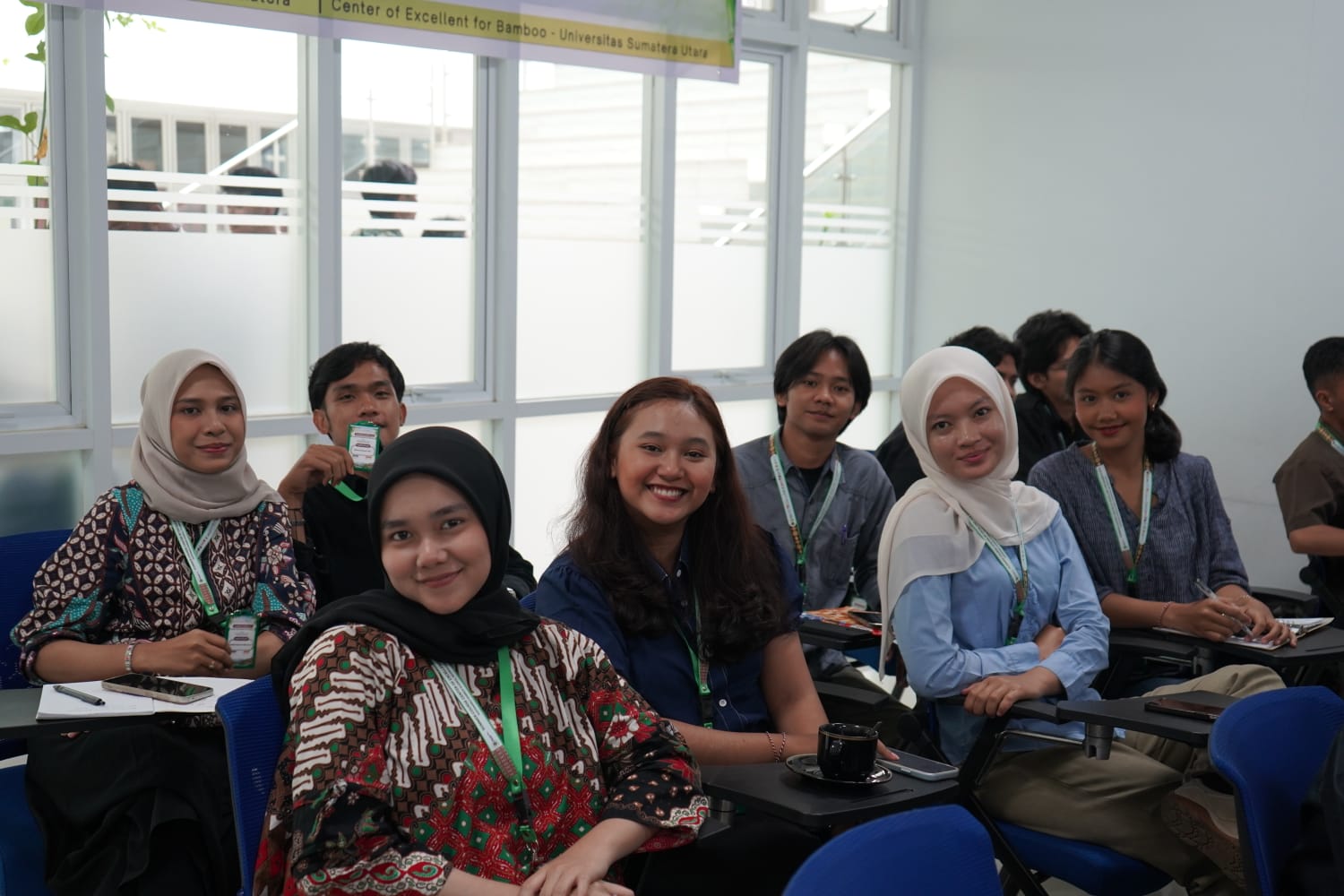
The series of activities began with an orientation program led by the Program Chair, who provided participants with an understanding of the objectives, mechanisms, and learning agenda throughout the Summer Course. The activity was then followed by a pre-test to identify participants' initial level of understanding before they attended the various academic sessions that had been prepared.
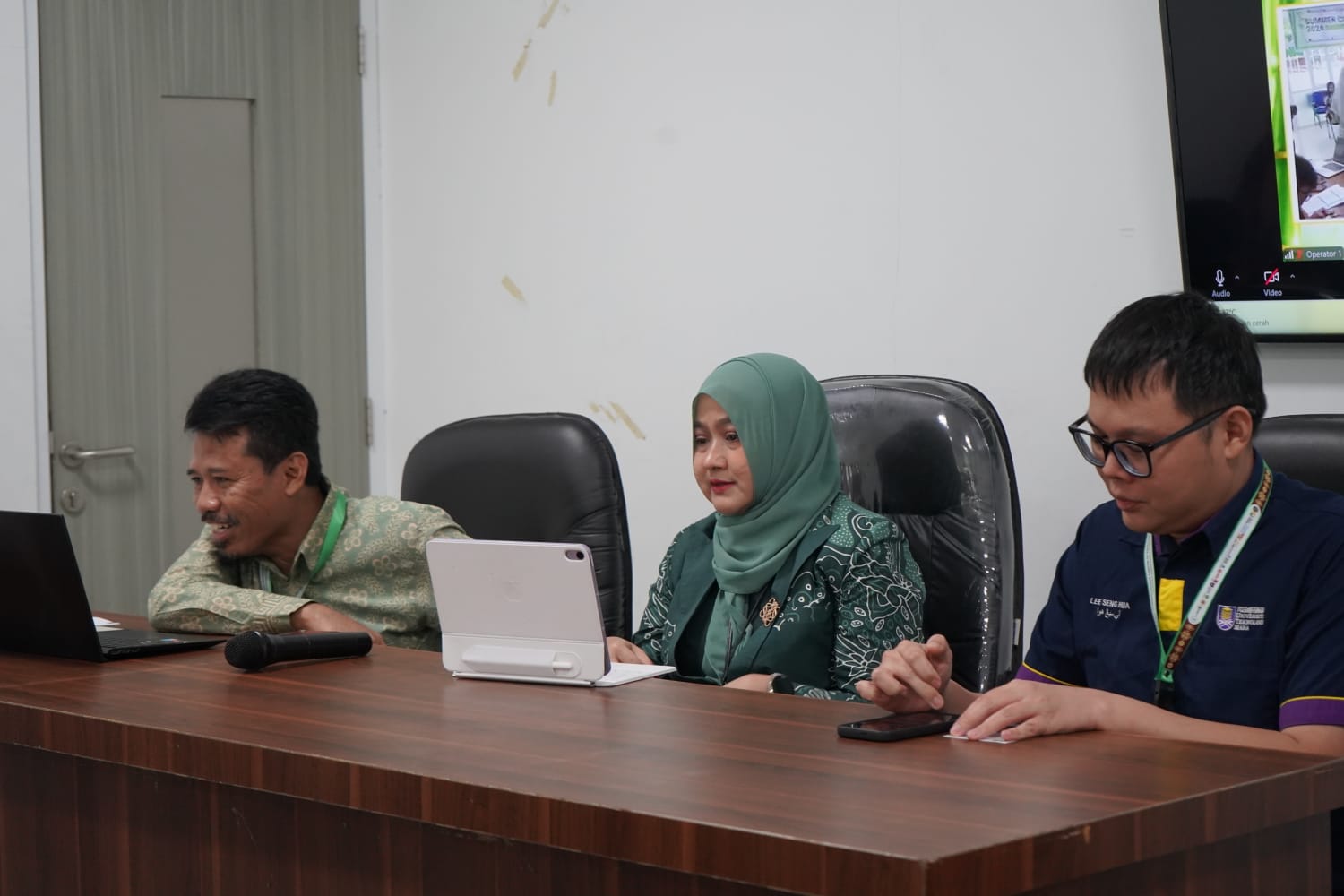
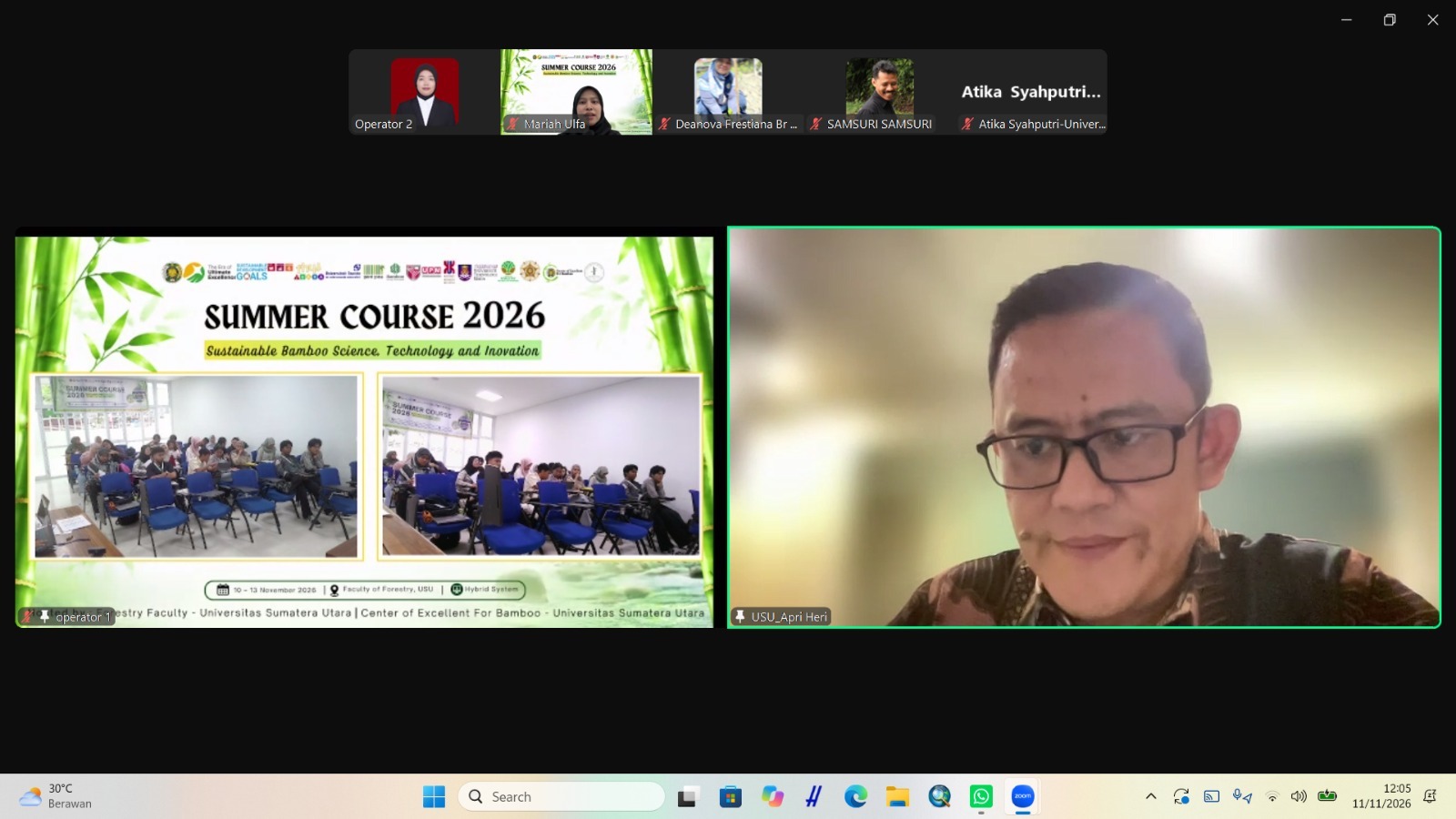
The first academic session featured Prof. Dr. Samsuri, who presented the material “Global Bamboo Resources, Green Economy and Sustainable Development”. His presentation discussed the potential of global bamboo resources and their role as a biological commodity with ecological and economic value. Bamboo has the potential not only to serve as a raw material for various environmentally friendly products but also to support a green economy through the utilization of renewable resources and the implementation of sustainable development principles.
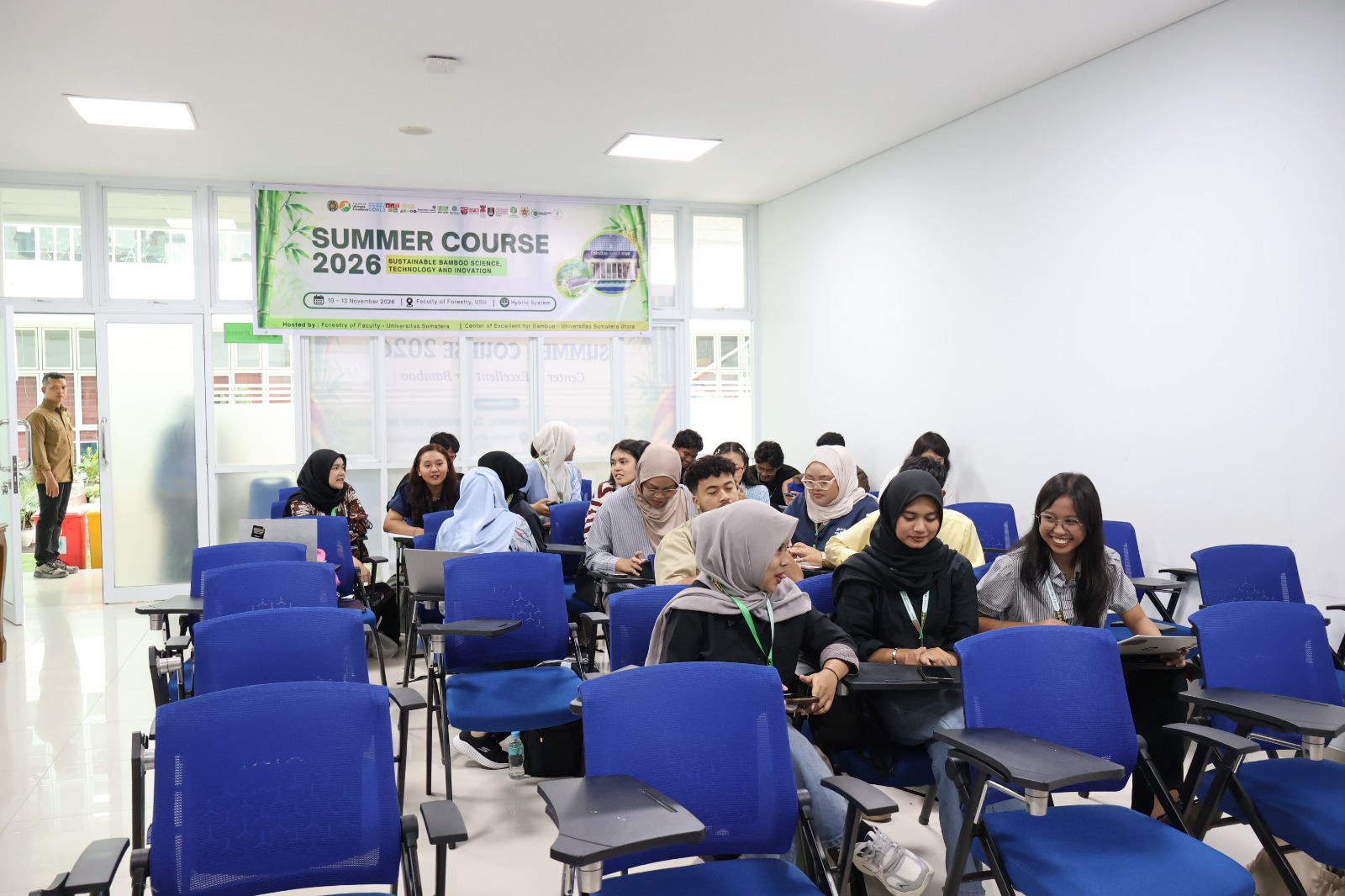
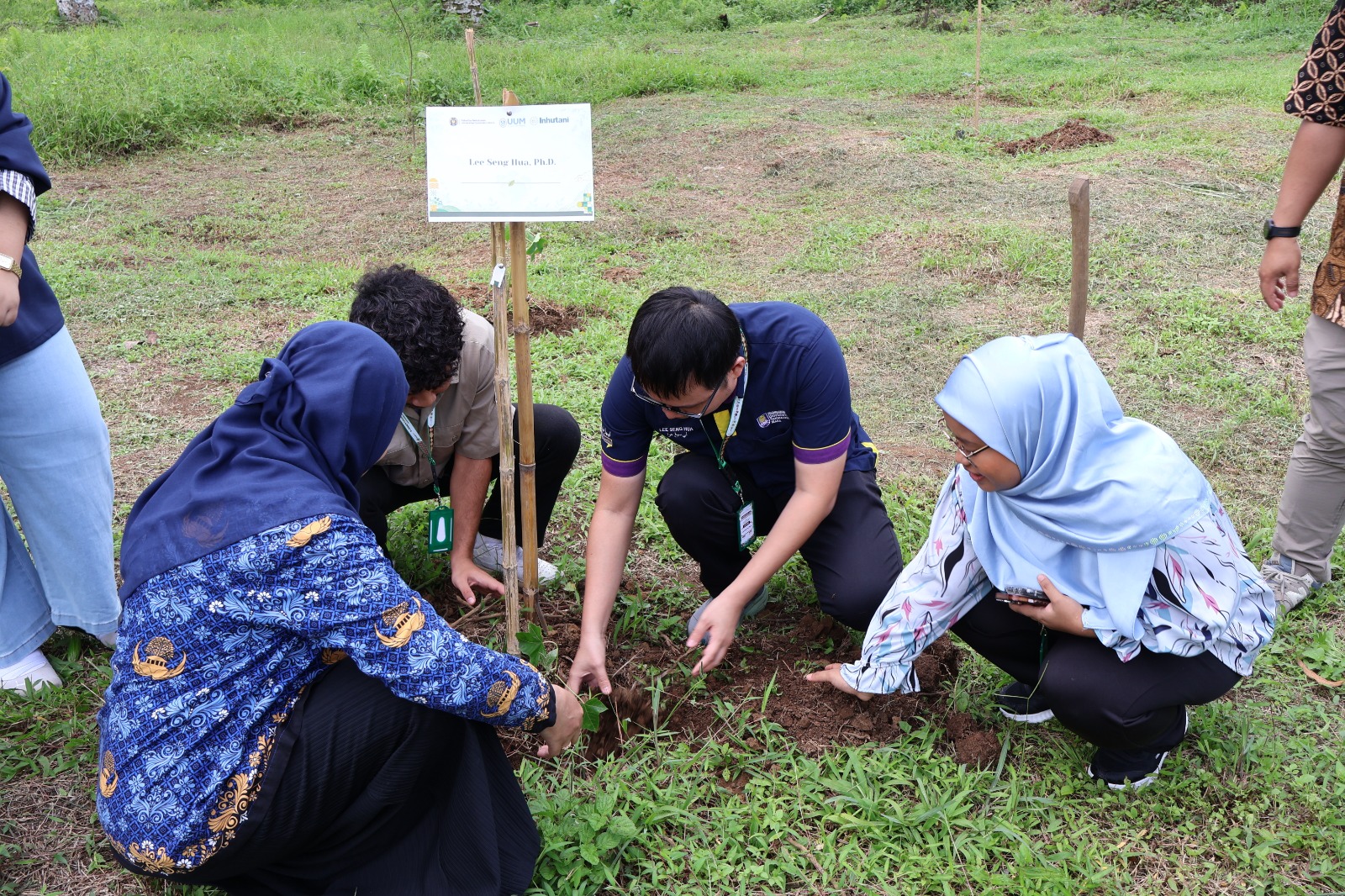
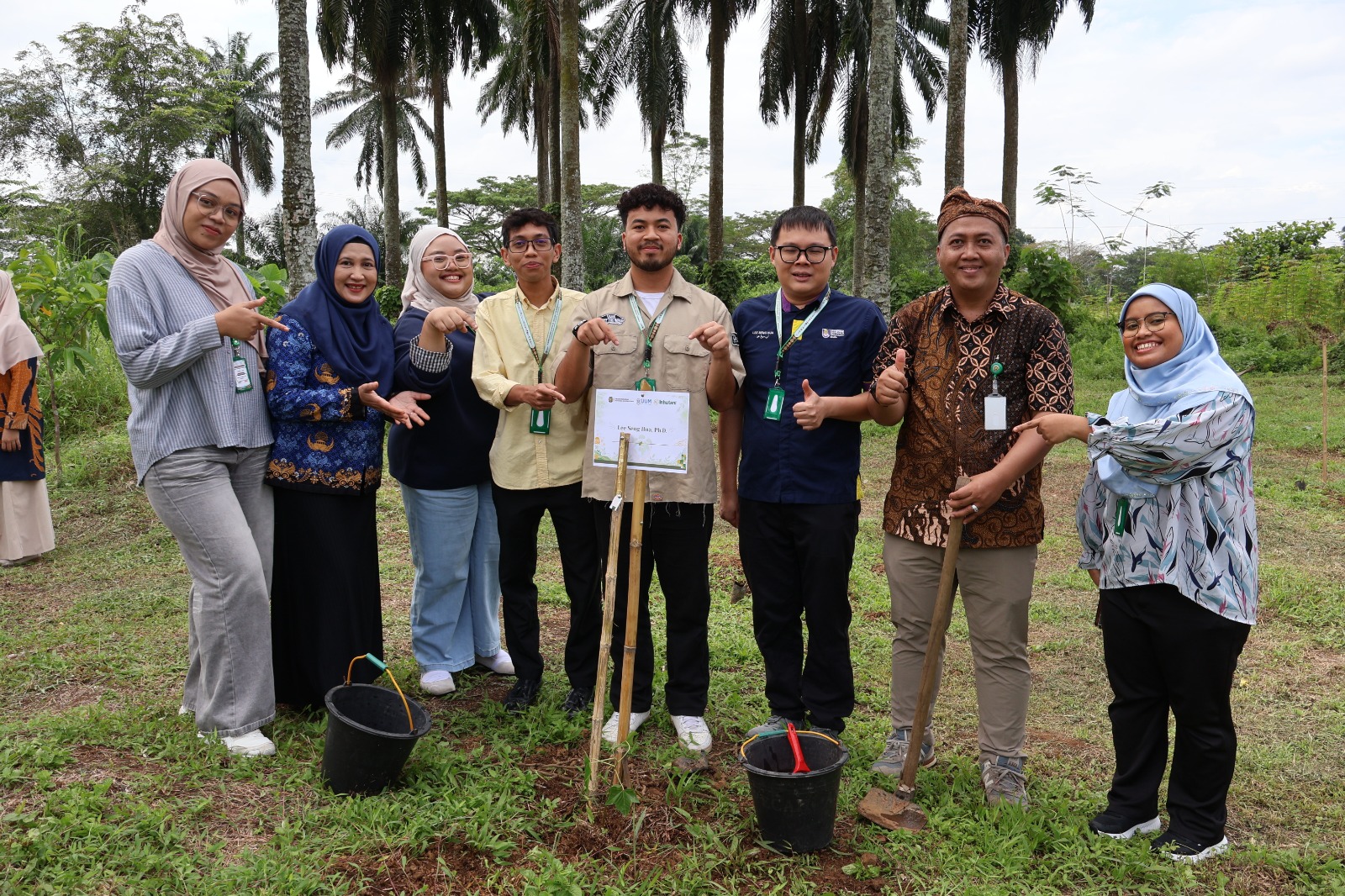
The event continued with the official opening by the Vice Dean for Research, Community Service, Cooperation, and Internationalization of the Faculty of Forestry, USU, Dr. Anita Zaitunah. The opening ceremony also featured remarks from the Director of the Directorate of Cooperation and Internationalization, USU, Prof. Dr. dr. Dewi Masyithah Darlan. This opening marked the commencement of the learning program as well as the commitment of the Faculty of Forestry, USU, to expanding collaboration and knowledge exchange in forestry and natural resource-based technologies. The opening series concluded with a group photo session in the courtyard of the Faculty of Forestry, USU.
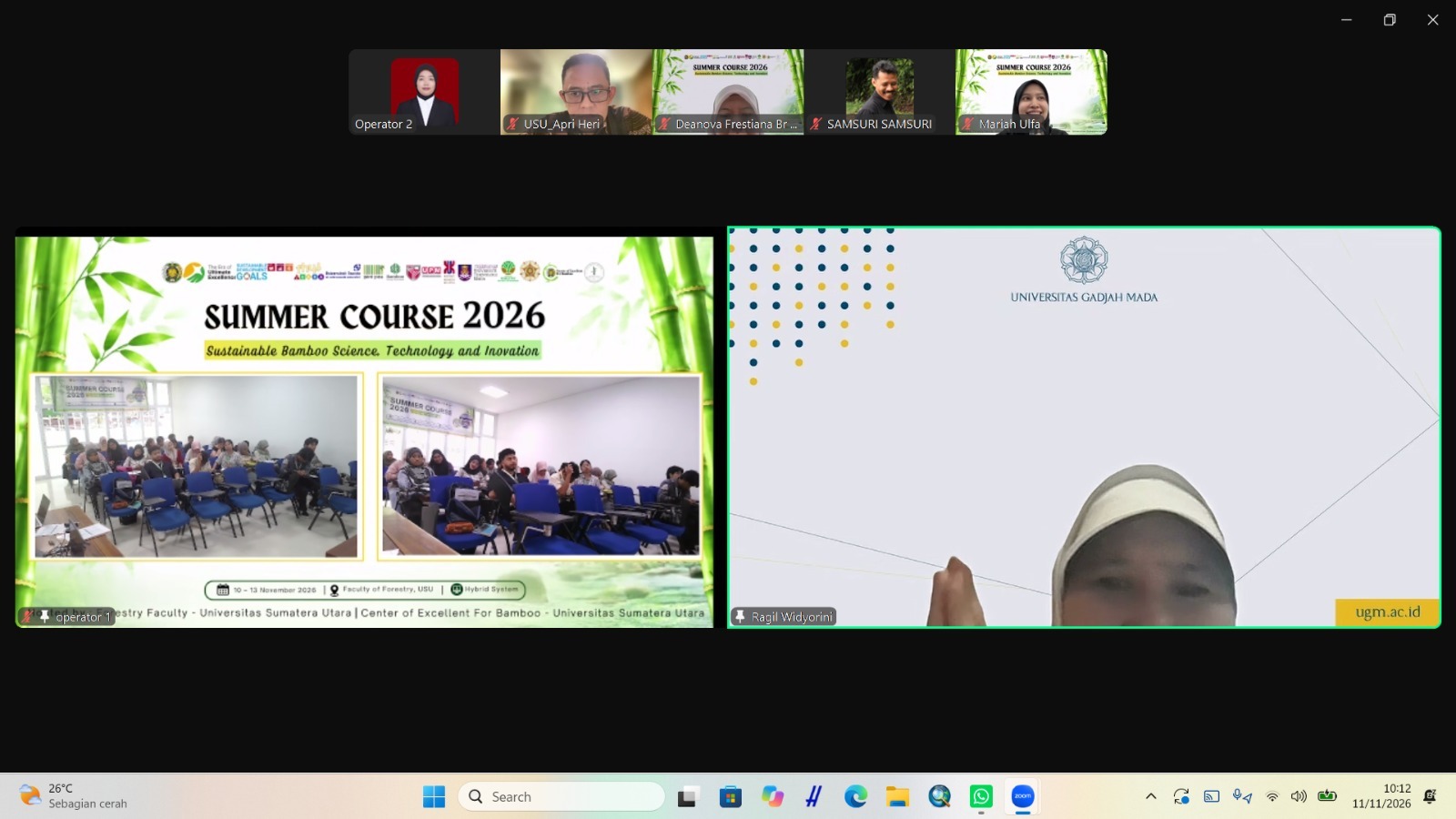
Moving into the next session, participants received material on “Bamboo Processing, Industry, and Product Development”, delivered online by Dr. Lum. This material explored bamboo processing, developments in the bamboo-based industry, and opportunities for product innovation to increase the added value of this commodity. The learning session continued with the topic “Bamboo Bioenergy, Biochar and Biorefinery”, which introduced the utilization of bamboo biomass as a renewable energy source, a raw material for biochar, and various derivative products through a biorefinery approach.
Focusing not only on the delivery of material, the Summer Course also provided opportunities for interaction among participants through a shared lunch. This moment was used to exchange views, share experiences, and build academic networks among participants from diverse academic backgrounds.
The subsequent learning session featured Lee Seng Hua, Ph.D., who delivered an in-person presentation on “Bamboo Anatomy, Structure and Material Characterization”. The material discussed the anatomical and structural characteristics of bamboo, including its physical and mechanical properties that determine its quality and suitability as a raw material for various products. Understanding these material characteristics provides an important foundation for determining processing techniques and developing high-quality, innovative, and competitive bamboo products.
After a break during the coffee break session, participants resumed learning online with Thomas Groen, Ph.D., through the presentation “Smart Bamboo: GIS, Remote Sensing, UAV, AI, and IoT”. This material introduced the integration of digital technologies in the inventory, mapping, monitoring, and management of bamboo resources. The utilization of Geographic Information Systems (GIS), remote sensing, unmanned aerial vehicles (UAV), artificial intelligence (AI), and the Internet of Things (IoT) is considered to offer opportunities for more accurate, effective, and data-driven bamboo management.
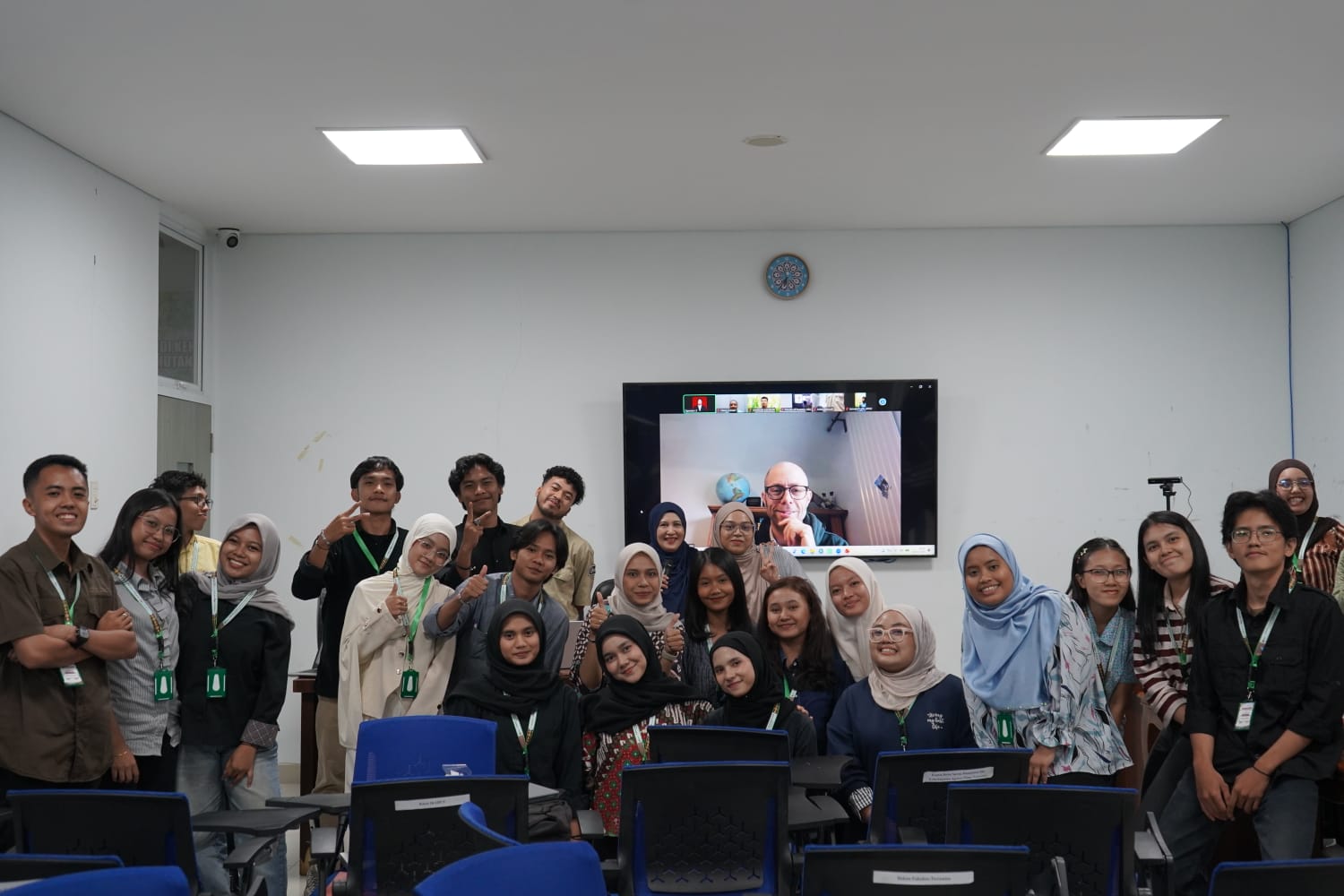
To conclude the first day's learning activities, the program continued with a reflection session and daily assignment guided by the Academic Team of the Faculty of Forestry, USU. Through this session, participants were encouraged to evaluate and reflect on the knowledge they had gained while completing daily assignments to strengthen their understanding of the various topics covered.
The organization of Summer Course 2026 is part of the Faculty of Forestry, USU's efforts to strengthen academic capacity, expand international networks, and promote the development of technological innovations based on renewable natural resources. Through a combination of perspectives from forestry, technology, industry, and the circular economy, this program is expected to broaden participants' insights into the potential of bamboo as a strategic commodity that not only has economic value but also contributes to environmental conservation and the future of sustainable development.
This event is in line with the achievement of the Sustainable Development Goals (SDGs), particularly SDG 4 (Quality Education) through capacity building and knowledge exchange; SDG 7 (Affordable and Clean Energy) through the development of bamboo-based bioenergy potential; SDG 9 (Industry, Innovation, and Infrastructure) through the exploration of technology and the development of the bamboo industry; and SDG 12 (Responsible Consumption and Production) through the implementation of circular economy principles and the sustainable utilization of resources. Thus, Summer Course 2026 is expected to become a space for collaboration and innovation to promote the utilization of bamboo as part of the solutions toward a green economy and a more sustainable future.