


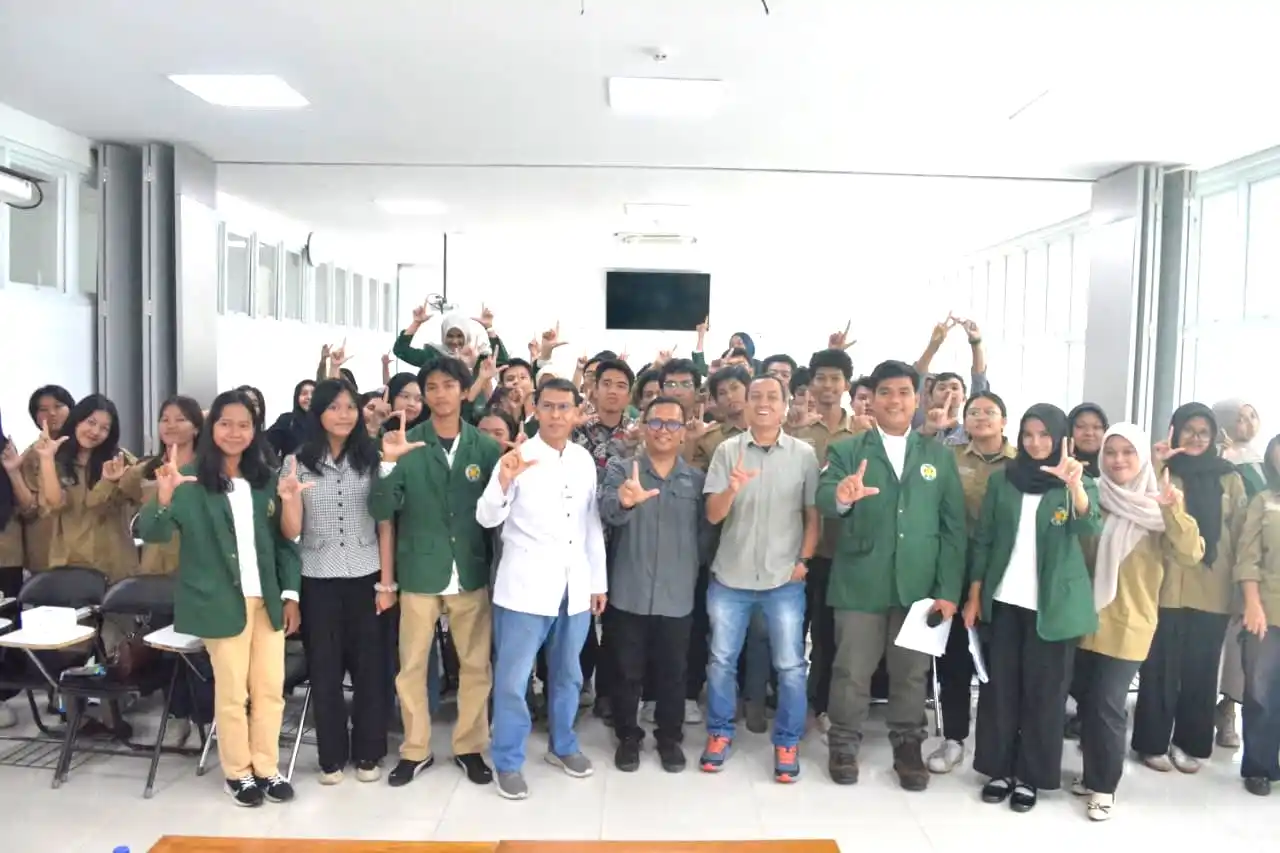
HUMAS FAHUTAN – Students of HUT 2A from the Faculty of Forestry, Universitas Sumatera Utara (USU), successfully organized a National Seminar on Forestry Regulatory Policy entitled “Global Warming Issues: Carbon Trading as an Effort to Control Greenhouse Gases and a Source of National Revenue Growth While Maintaining Sustainable Forest Management” on Saturday, June 20, 2026, at USU Campus 2, Kwala Bekala.
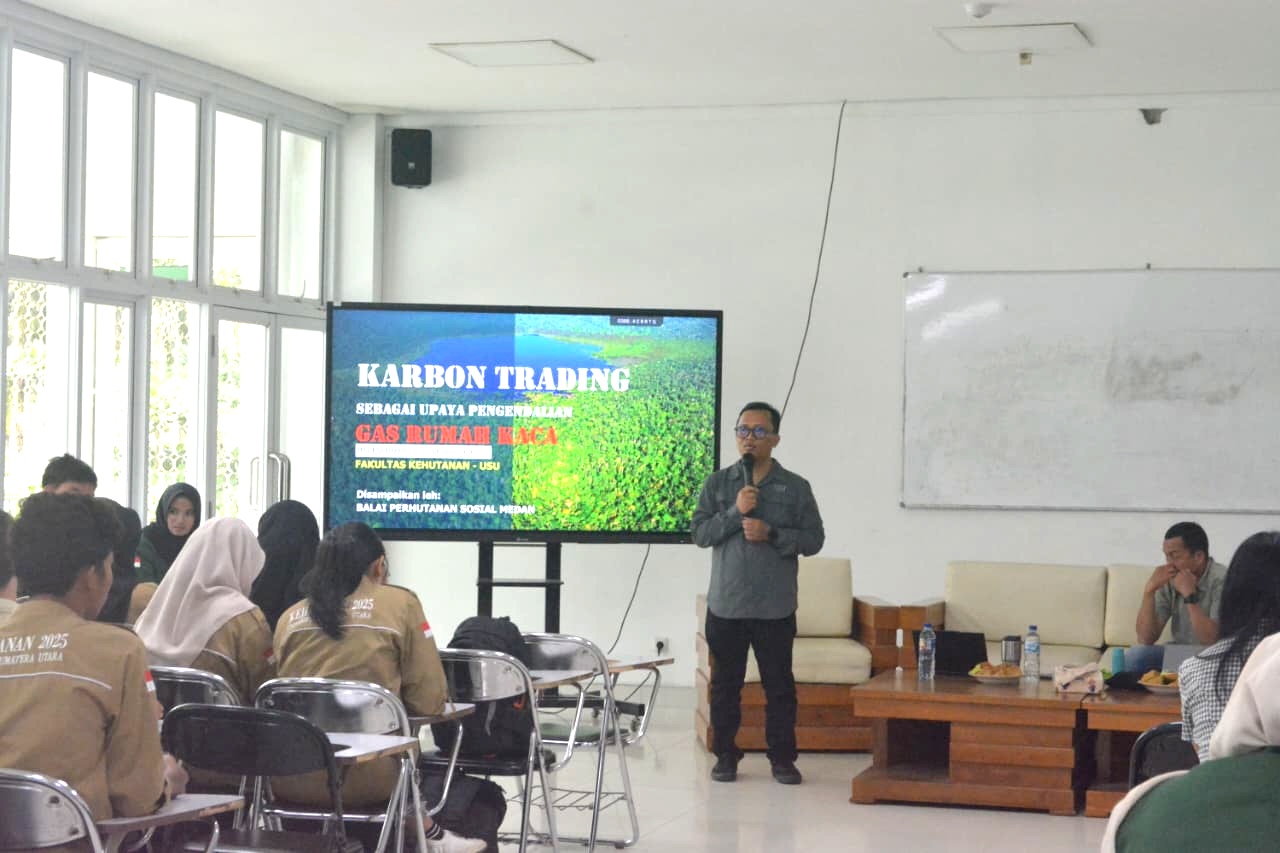
The seminar served as an academic platform for students and participants to deepen their understanding of climate change issues, carbon trading, and the strategic role of the forestry sector in supporting low-carbon development and sustainable natural resource management. The event featured two distinguished speakers: Yepta Jaya Sahputra Barus, S.Hut., Junior Expert Forest Ecosystem Controller at the Medan Social Forestry Agency, and Muammar BM, S.Hut., Program Manager of the PETAI Foundation. The seminar was conducted interactively, with active participation from students and attendees throughout the event.
In his presentation, Yepta Jaya Sahputra Barus explained that carbon trading is one of the key instruments for controlling greenhouse gas emissions and supporting climate change mitigation efforts. He highlighted that the increasing concentration of greenhouse gases resulting from human activities, including fossil fuel use, deforestation, and forest degradation, has led to numerous environmental consequences, such as rising global temperatures and increasingly extreme weather patterns.
Furthermore, he outlined several policies that form the foundation for carbon trading implementation in Indonesia, including the country’s commitment to achieving emission reduction targets through the implementation of the Nationally Determined Contribution (NDC) and the FOLU Net Sink 2030 program. The program aims to ensure that carbon absorption from the forestry and land-use sectors balances—or even exceeds—the emissions produced.
“Sustainable forest management, forest rehabilitation, peatland restoration, and mangrove rehabilitation are strategic measures that can enhance carbon sequestration capacity while maintaining environmental ecological functions,” he explained.
Meanwhile, Muammar BM emphasized the importance of the Reducing Emissions from Deforestation and Forest Degradation (REDD+) mechanism as an instrument capable of generating economic value from emission reduction efforts within the forestry sector. According to him, forests not only serve ecological functions as carbon sinks but also possess economic value that can be utilized sustainably through the Carbon Economic Value (NEK) scheme.
He further explained that successful REDD+ implementation requires support from various components, including robust Measurement, Reporting, and Verification (MRV) systems, strong institutional frameworks, and active participation from local communities and Indigenous peoples as direct managers of forest resources.
“The success of carbon trading should not only be measured by the economic benefits generated but also by the social and environmental benefits experienced sustainably by communities,” he stated.
The discussion session was highly dynamic, reflecting strong enthusiasm from participants. Questions focused on strategies for achieving Net Zero Emissions targets, opportunities for community involvement in carbon programs, the effectiveness of carbon trading in addressing climate change impacts, and the potential contributions forestry students can make to the development of Indonesia’s carbon sector.
The seminar demonstrated the Faculty of Forestry USU’s commitment to expanding students’ understanding of increasingly relevant global forestry issues, particularly climate change, carbon management, and sustainable development.
The implementation of this seminar aligns with several Sustainable Development Goals (SDGs), particularly SDG 13 (Climate Action) through increased understanding of greenhouse gas emission mitigation strategies and carbon trading; SDG 15 (Life on Land) through strengthening the role of forests in conservation and carbon stock enhancement; SDG 8 (Decent Work and Economic Growth) through the utilization of Carbon Economic Value schemes that have the potential to create sustainable economic opportunities; and SDG 17 (Partnerships for the Goals) through collaboration among academia, government institutions, civil society organizations, and various stakeholders in supporting sustainable forest management.
Through this activity, the Faculty of Forestry USU continues to encourage the development of future forestry professionals who not only understand the technical aspects of forestry but are also capable of contributing to global challenges related to climate change, natural resource conservation, and sustainable development.
The discussion provided participants with a more comprehensive understanding of the challenges and opportunities associated with implementing carbon trading in Indonesia, particularly in supporting sustainable and equitable forest management.
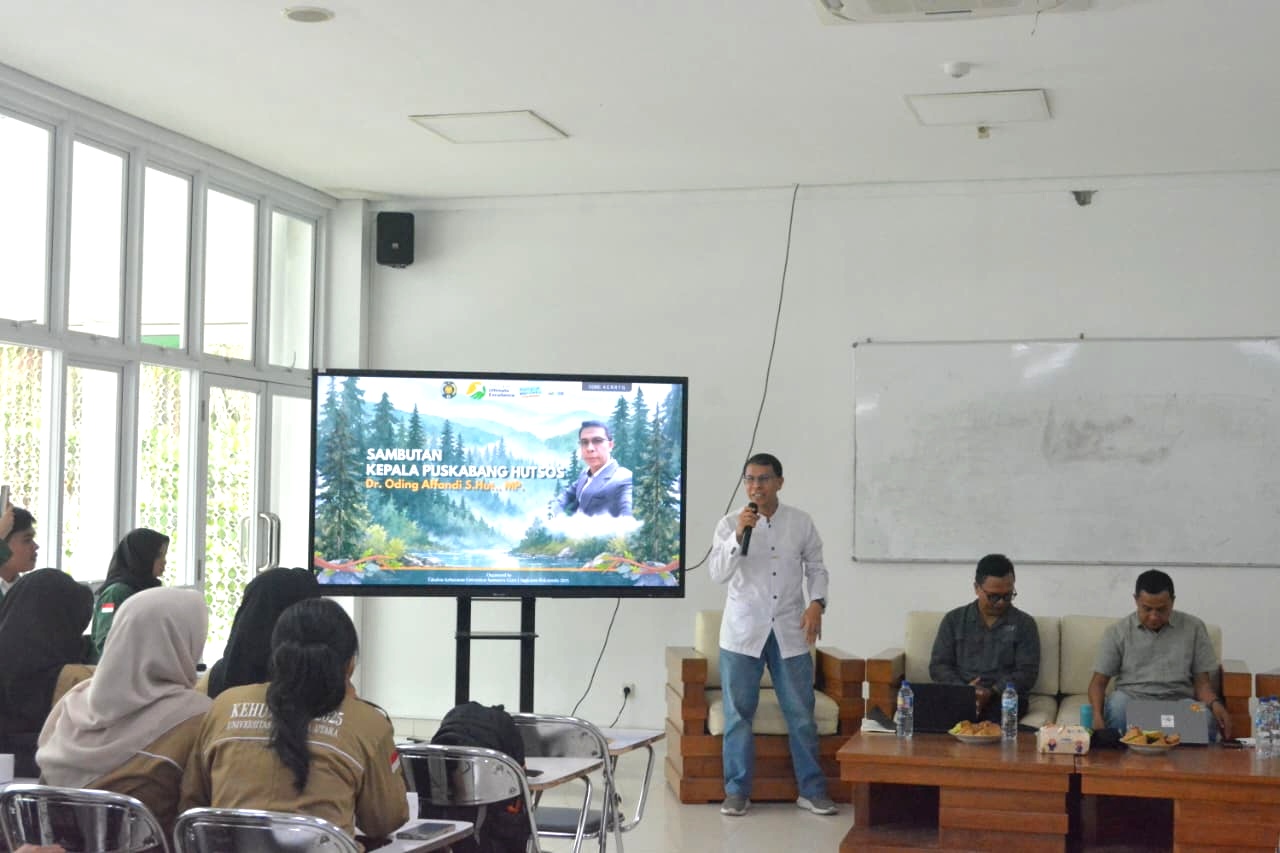
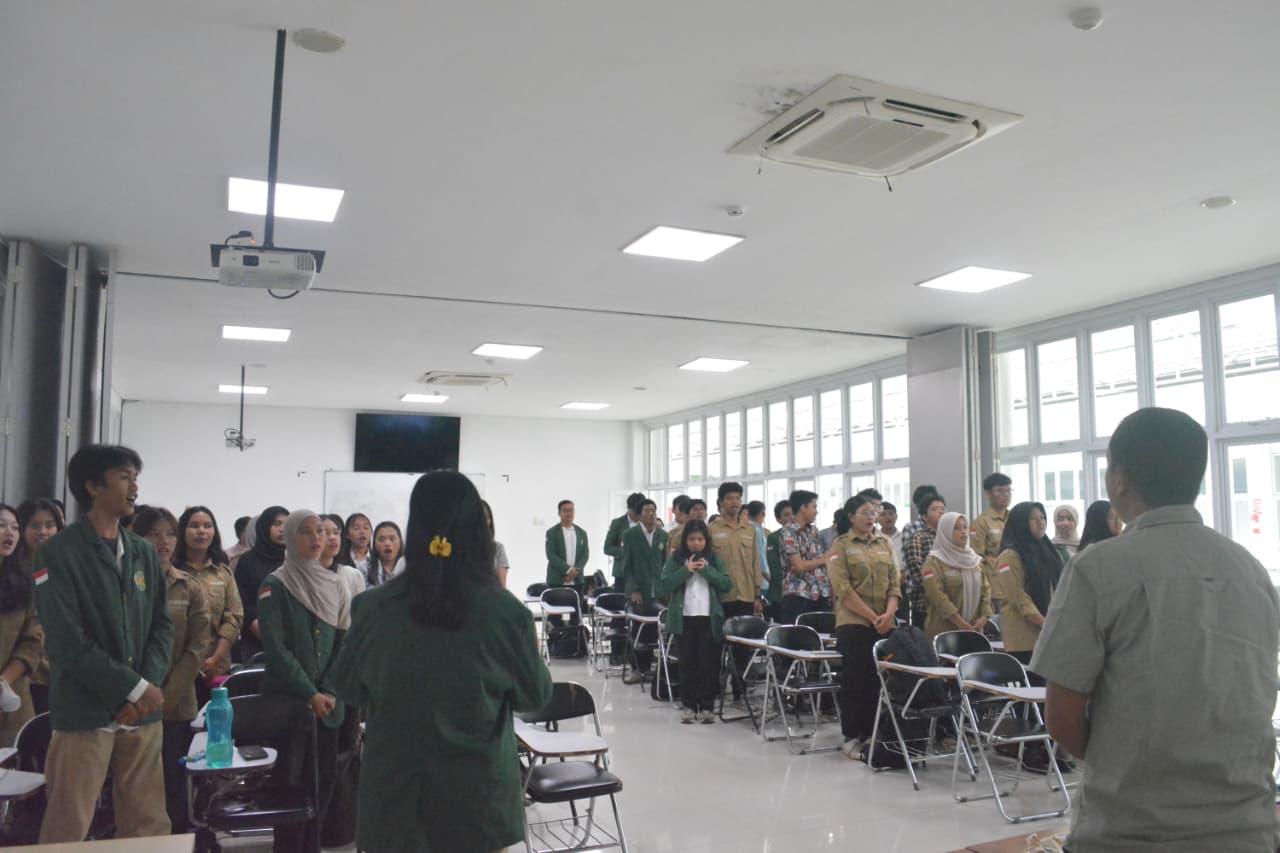
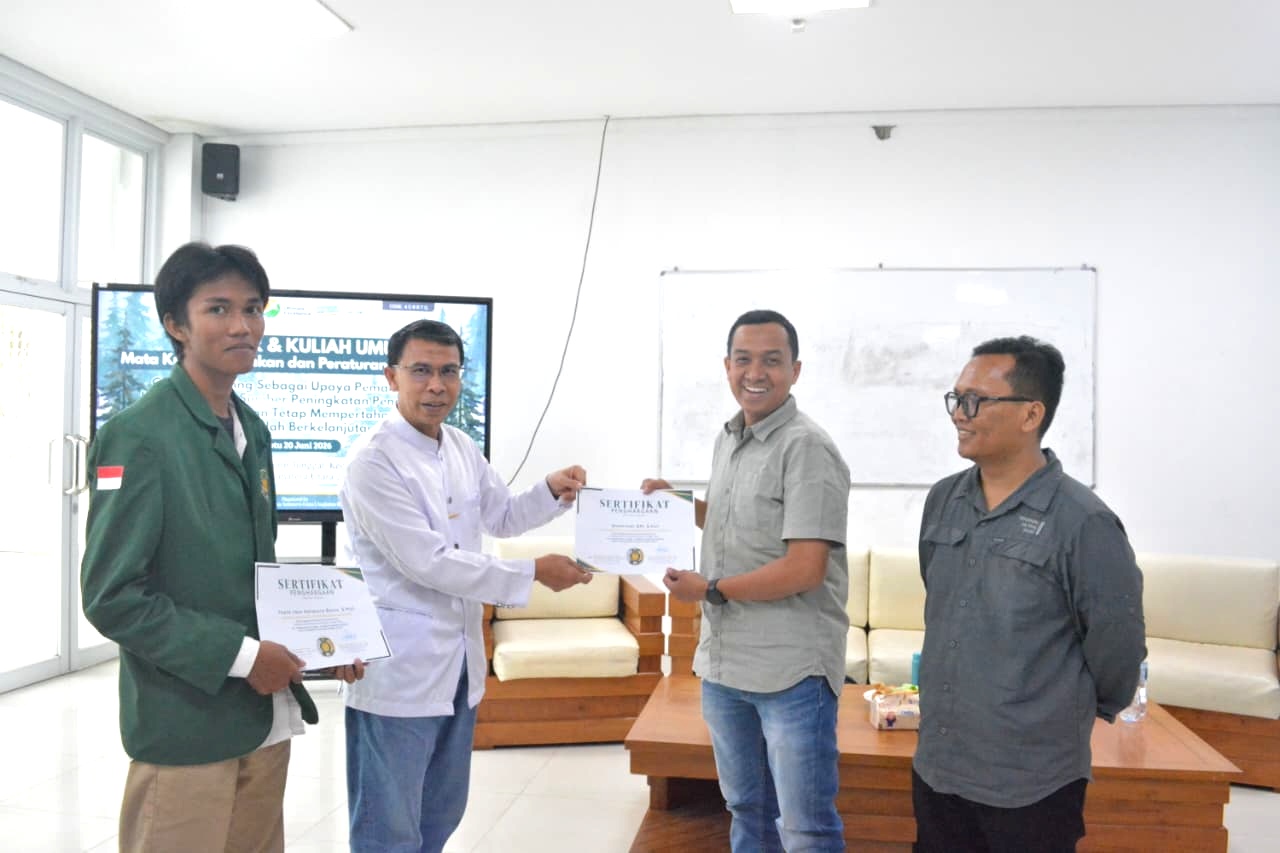
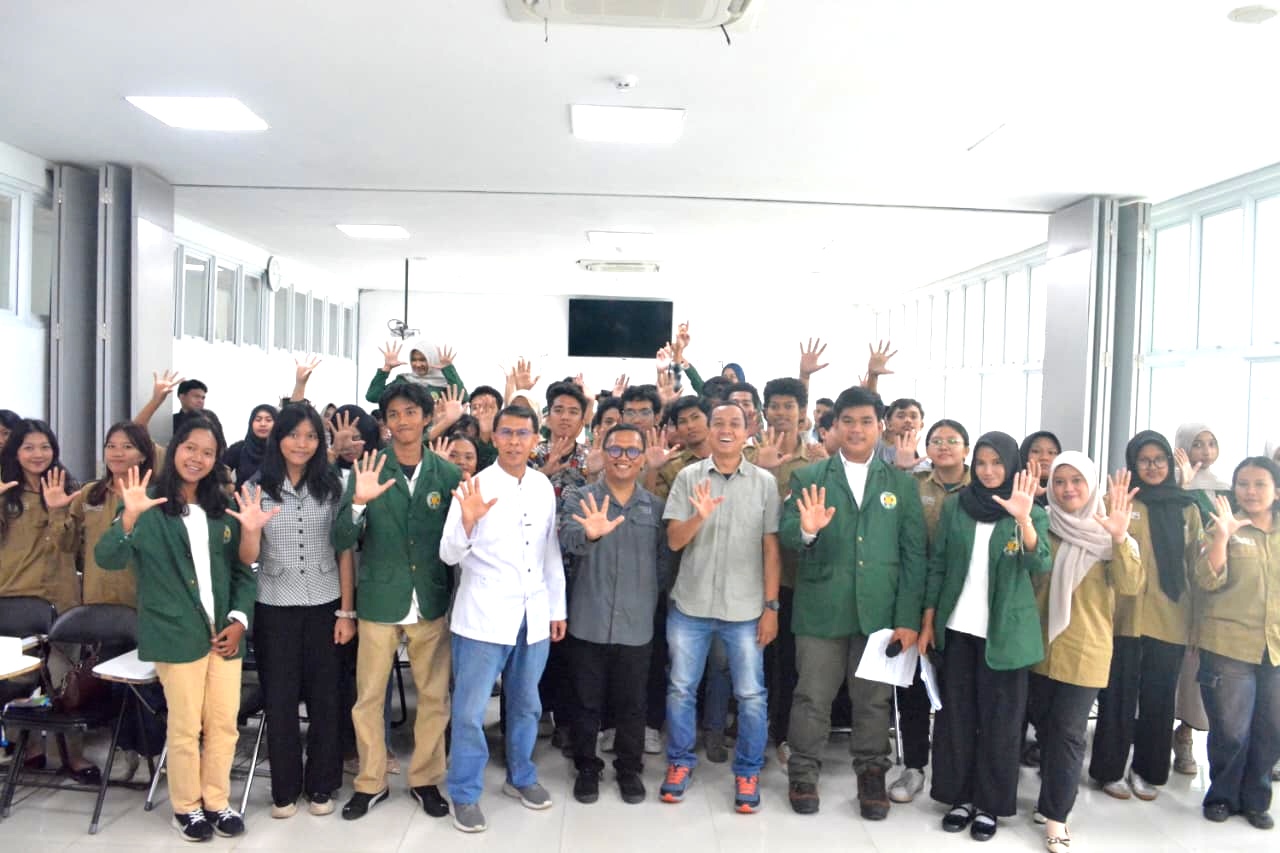
As the closing session, Dr. Oding Affandi, S.Hut., M.P., the course lecturer, expressed appreciation to the organizing committee and all participants for their active involvement in the seminar. The event concluded with the presentation of certificates to the speakers, a group photo session, and the official closing ceremony by the organizing committee.