


.webp)
The commitment to preserving ecosystems while promoting community welfare through sustainable natural resource management continues to be strengthened by the Faculty of Forestry, Universitas Sumatera Utara (USU). This commitment was realized through the Presentation of the Interim Report on the Development of an Action Plan for the Sustainable Management of Preservation Area Potential in Mandailing Natal Regency, North Sumatra, on Thursday (November 5, 2026).
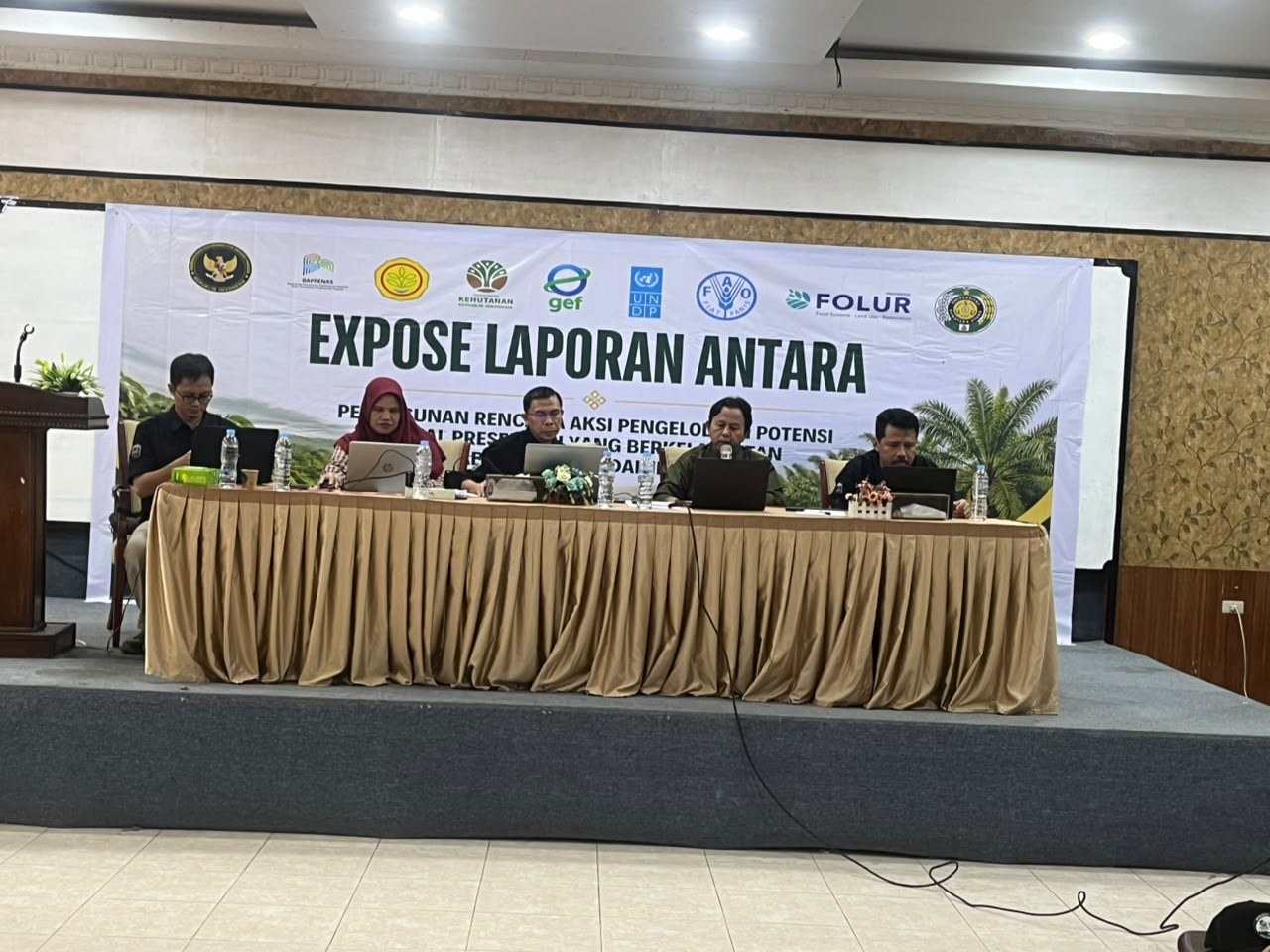
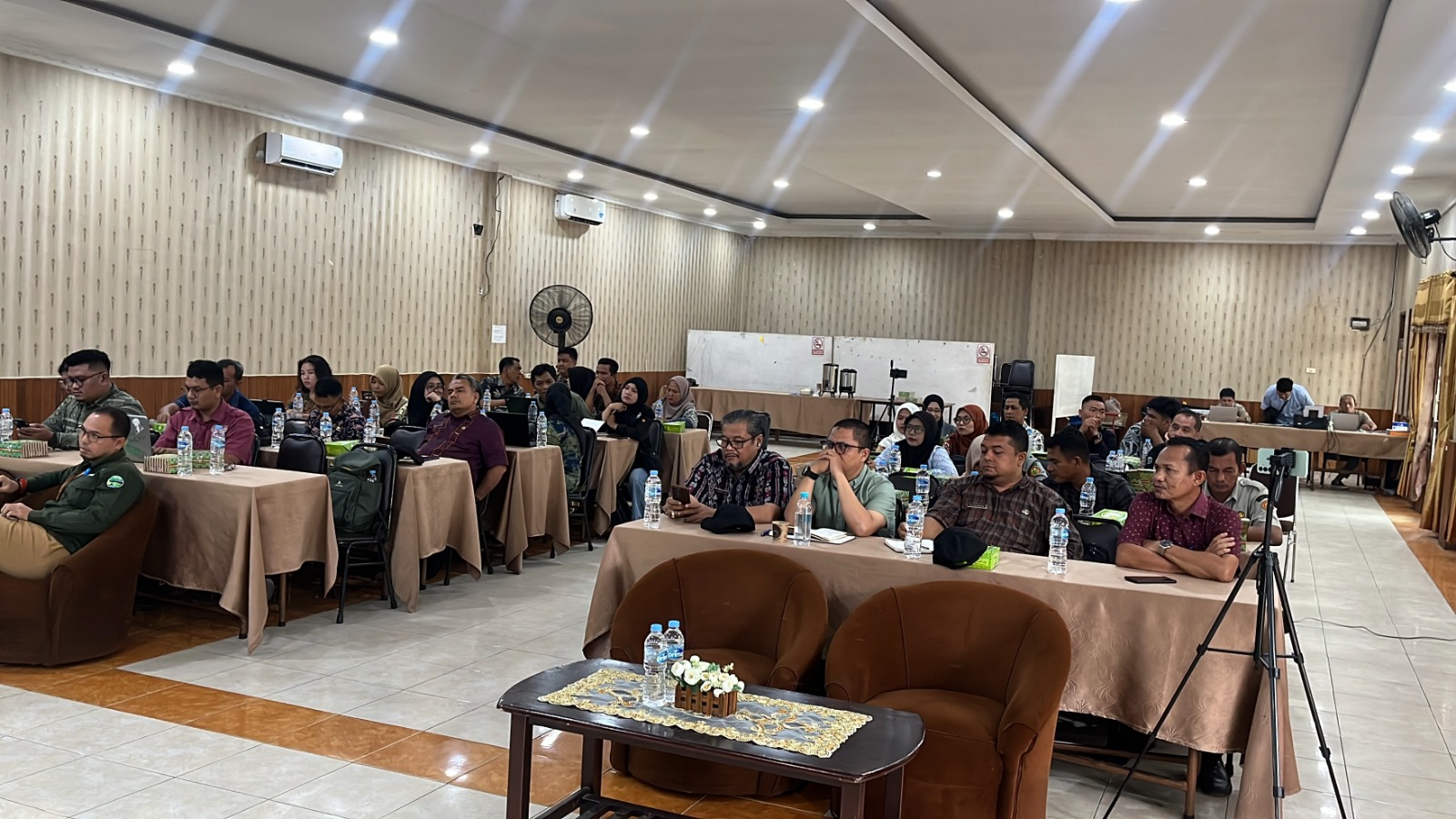
The activity, held both offline and online at the Ballroom of Rindang Hotel, Mandailing Natal Regency, was part of the FOLUR (Food Systems, Land Use, and Restoration) Project Output 6.1. The presentation aimed to present the progress of the study findings while gathering input and aspirations from various stakeholders as a basis for improving the action plan for sustainable preservation area management.
The activity was attended by the Vice Dean for Research, Community Service, Cooperation, and Internationalization of the Faculty of Forestry, USU, Dr. Anita Zaitunah, S.Hut., M.Sc., representing the Dean of the Faculty of Forestry, USU. Also present were the Manager for Research, Community Service, Cooperation, and Internationalization, Dr. Ridahati Rambey, along with the drafting team; the Regional Secretary of Mandailing Natal Regency, Afrizal Nasution, S.E., M.M.; as well as representatives of partners, regional government agencies, area managers, village governments, farmer groups, and the community.
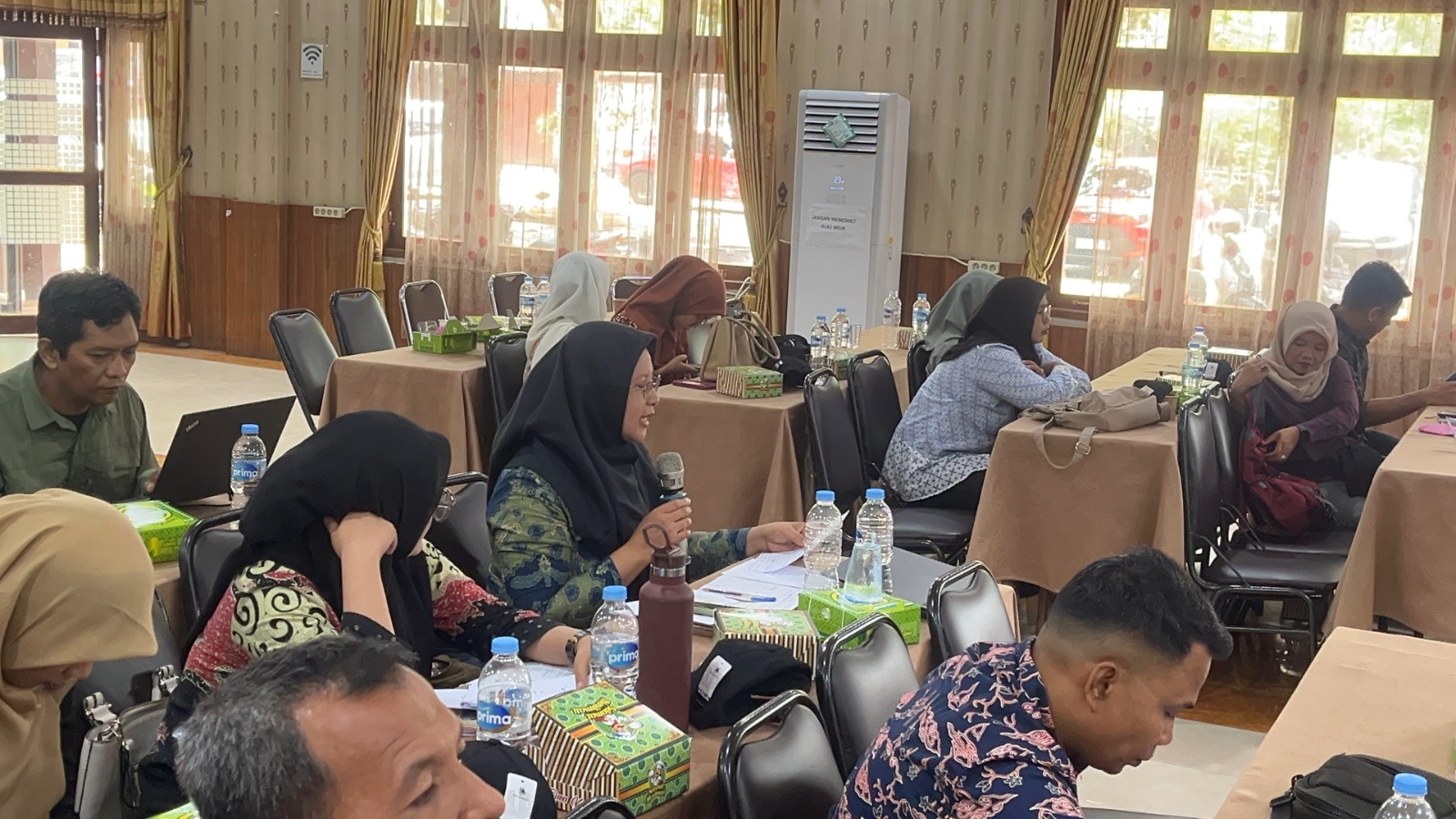
In his remarks, the Regional Secretary of Mandailing Natal Regency, Afrizal Nasution, S.E., M.M., emphasized the importance of synergy between the government, higher education institutions, partners, and the community in realizing sustainable natural resource management. According to him, Mandailing Natal has strategic landscape and forest area potential in maintaining ecosystem balance, water systems, and biodiversity. Therefore, managing this potential requires well-directed planning and the involvement of various parties so that its ecological, social, and economic benefits can be enjoyed sustainably.
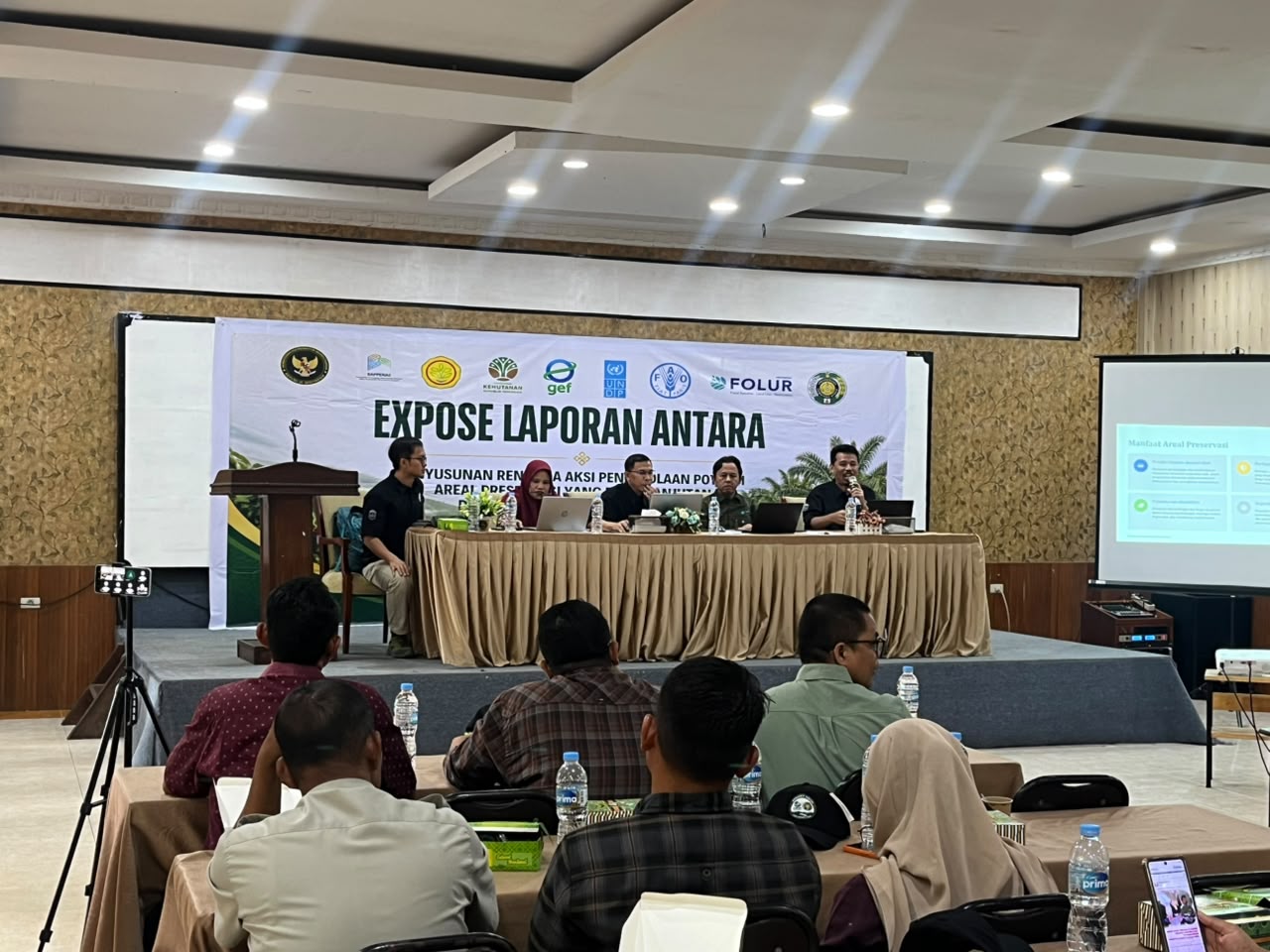
The series of activities continued with presentations delivered by the Faculty of Forestry, USU, team. Prof. Dr. Ir. Samsuri presented the preliminary study findings, followed by Dr. Nurdin Sulistiyono, who presented the Preservation Area Guidelines. Next, Dr. Ir. Bejo Slamet delivered material on the Harmonization of Preservation Areas and Spatial Planning, while Dr. Oding Affandi discussed Stakeholders and Institutional Arrangements for Preservation Area Management. Meanwhile, aspects of local wisdom and ethnobotany were presented by Dr. Ridahati Rambey.
In their presentations, the drafting team explained that the action plan development process was carried out through a comprehensive study covering biophysical, socioeconomic, governance, and institutional aspects. This approach was supported by focus group discussions (FGDs), field surveys, data collection, and regional potential analysis to obtain a comprehensive overview of the conditions and characteristics of preservation areas in Mandailing Natal Regency.
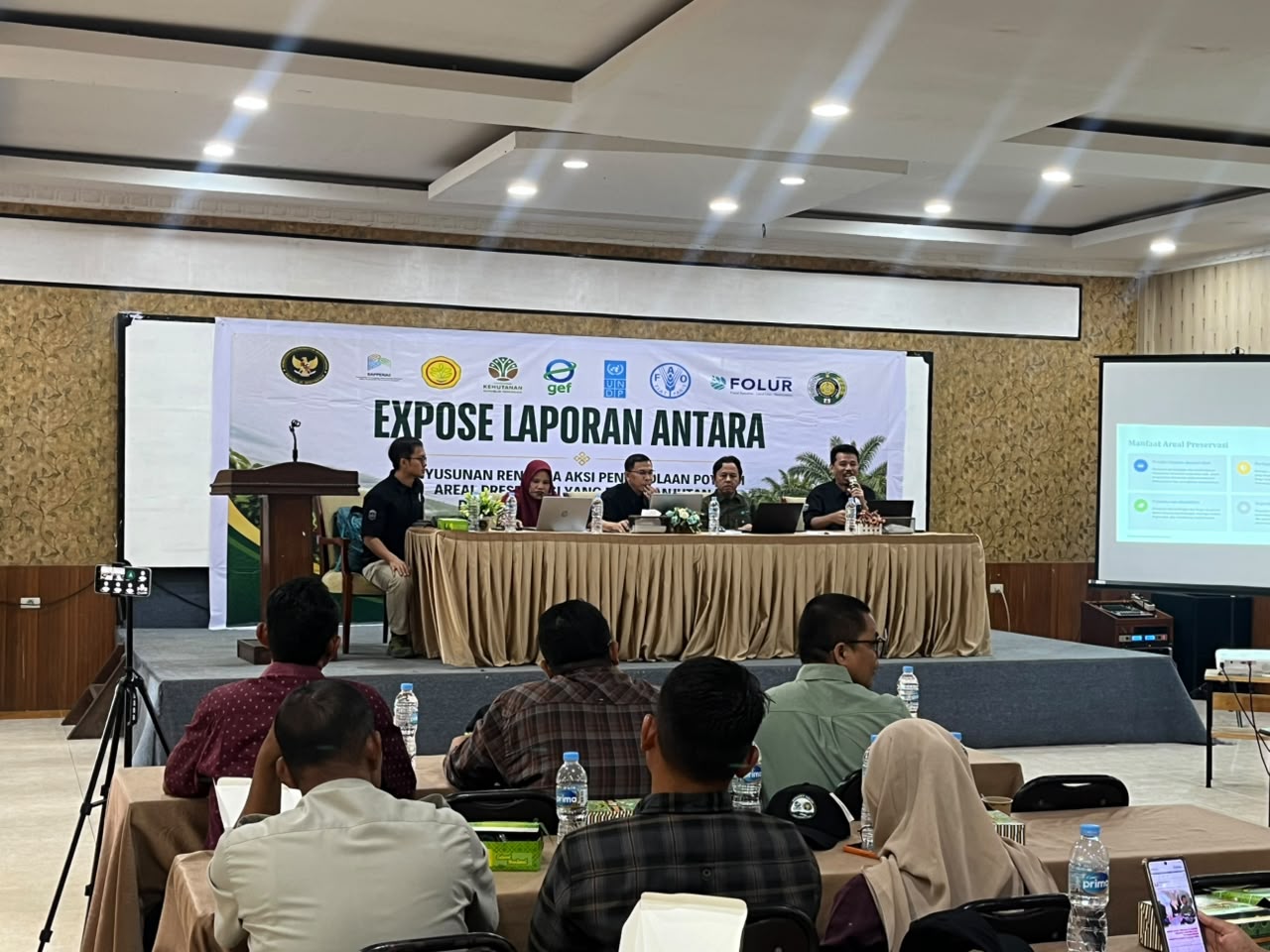
In addition, attention to local wisdom and community knowledge was an important part of preservation area management planning. Natural resource utilization practices that have developed over generations constitute social capital that can support environmental conservation efforts. Thus, the proposed management approach is expected to integrate conservation interests with the needs and livelihood potential of local communities.
Through this activity, the Faculty of Forestry, USU, reaffirmed the strategic role of higher education institutions in supporting sustainable development through education, research, and community service. Collaboration between local governments, academics, partners, area managers, and communities is expected not only to produce planning documents but also to serve as a foundation for concrete actions to preserve ecosystems while improving community welfare.
This initiative also supports the achievement of the Sustainable Development Goals (SDGs), particularly SDG 6 (Clean Water and Sanitation) through the protection of the area's hydrological functions, SDG 8 (Decent Work and Economic Growth) through the development of local economic potential based on agroforestry, SDG 13 (Climate Action) through strengthening sustainable landscape management, SDG 15 (Life on Land) through forest and biodiversity protection, and SDG 17 (Partnerships for the Goals) through strengthening multi-stakeholder collaboration. This synergy is an important step toward achieving a balance between environmental conservation, natural resource utilization, and community welfare for future generations.