


.webp)
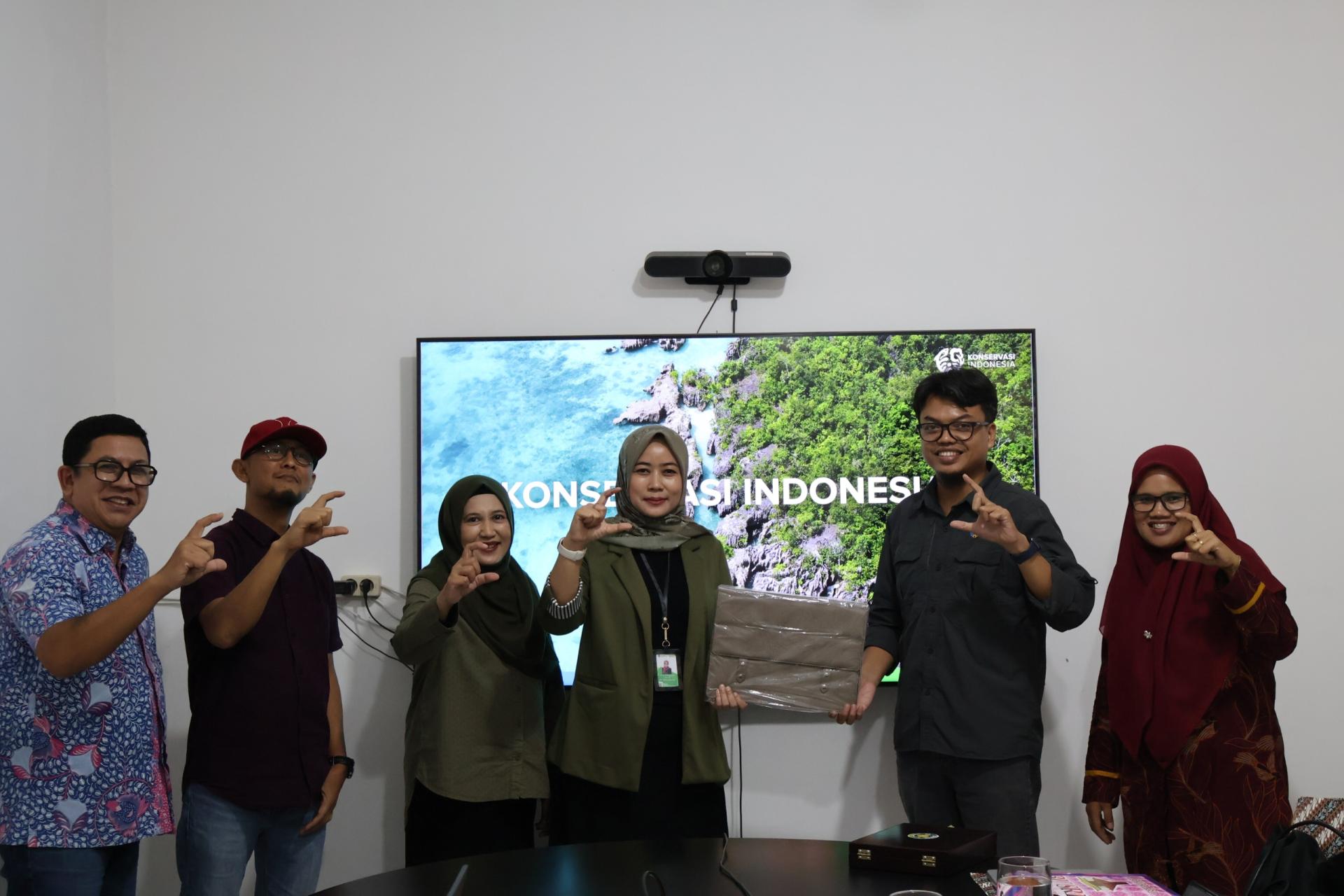
The Faculty of Forestry, Universitas Sumatera Utara (USU), continues to expand its partnership network to support the development of education, research, and community service. This effort was realized through a partnership visit to Yayasan Konservasi Indonesia (Konservasi Indonesia/KI) on Wednesday (November 4, 2026), at the Yayasan Konservasi Indonesia Office in Medan, North Sumatra. This meeting marked an initial step toward exploring more comprehensive collaboration to support ecosystem management and the sustainable preservation of biodiversity.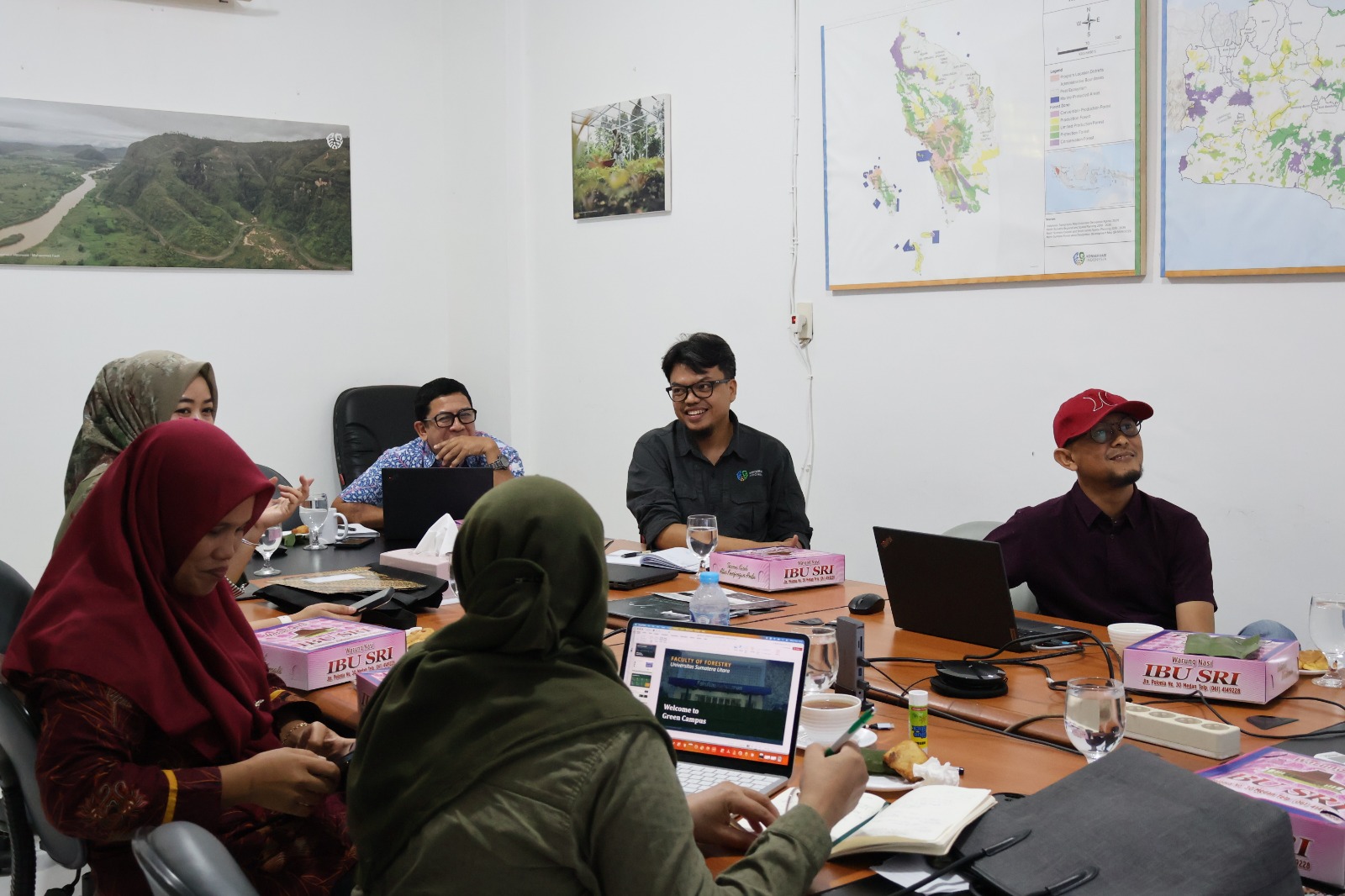
The visit was attended by the Dean of the Faculty of Forestry, USU, Prof. Dr. Arida Susilowati; the Vice Dean for Research, Community Service, Cooperation, and Internationalization, Dr. Anita Zaitunah; and the Manager of Research, Community Service, Cooperation, and Internationalization, Dr. Ridahati Rambey. Meanwhile, Yayasan Konservasi Indonesia was represented by Senior Conservation Strategy & Partnership Manager, Wira Ary Ardana; Sustainable Finance Manager, Zul Fadhli; and Policy Manager, Popo Dody Iskandar.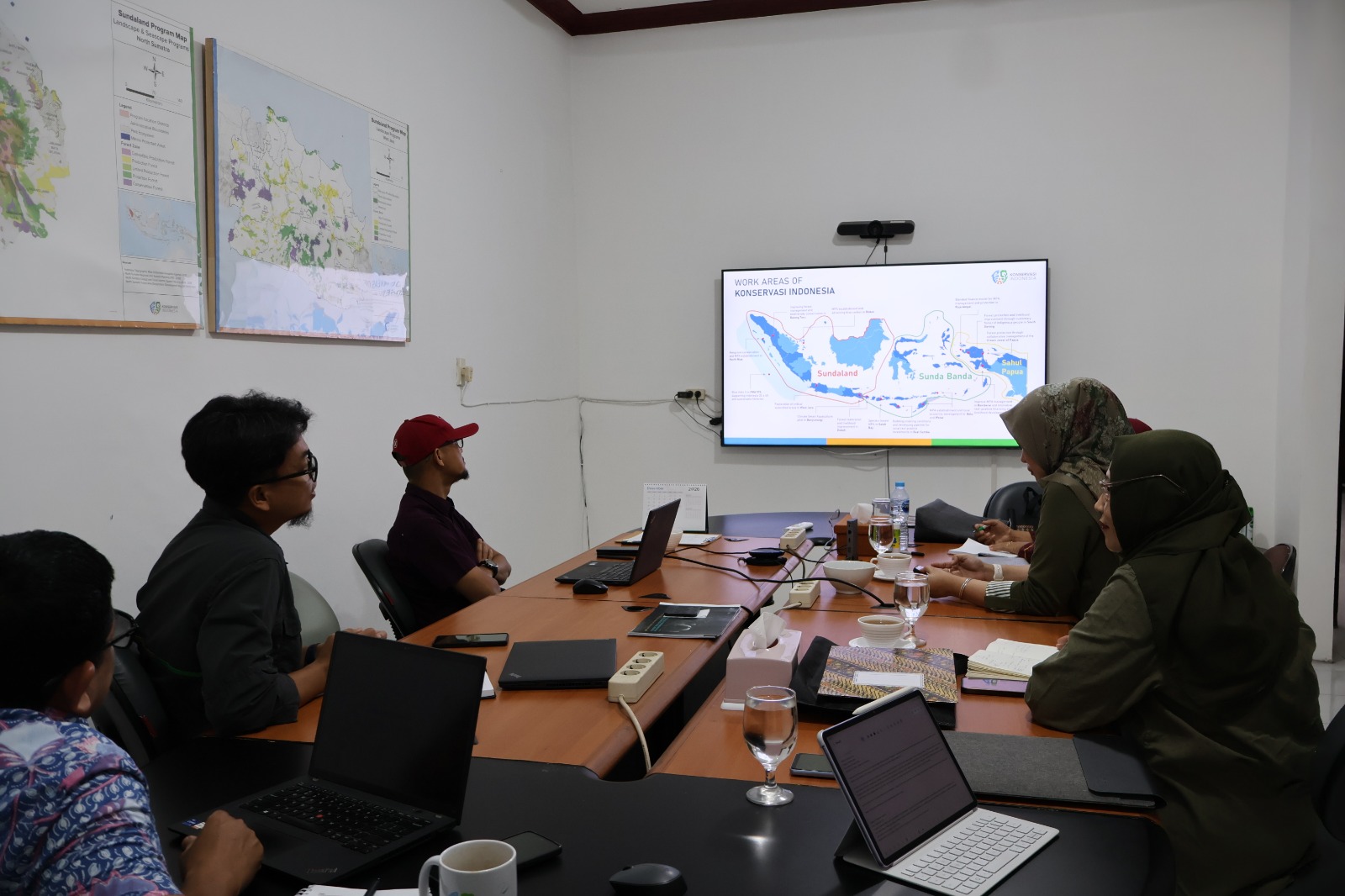
During the meeting, Yayasan Konservasi Indonesia presented its vision, program focus, and various conservation initiatives developed in Indonesia. Through a terrestrial and marine ecosystem management approach, Konservasi Indonesia seeks to support nature conservation, the protection of fisheries and marine resources, climate stability, and economic development aligned with sustainability principles.
The presentation also covered various conservation programs in several regions, including Papua and the Sundaland region, which encompasses Sumatra, Java, and Kalimantan. In Sumatra, several initiatives of particular interest include landscape management in the Batang Toru area, as well as mangrove conservation and rehabilitation in North Nias. These programs demonstrate the importance of an integrated landscape approach involving the government, higher education institutions, communities, and various other stakeholders.
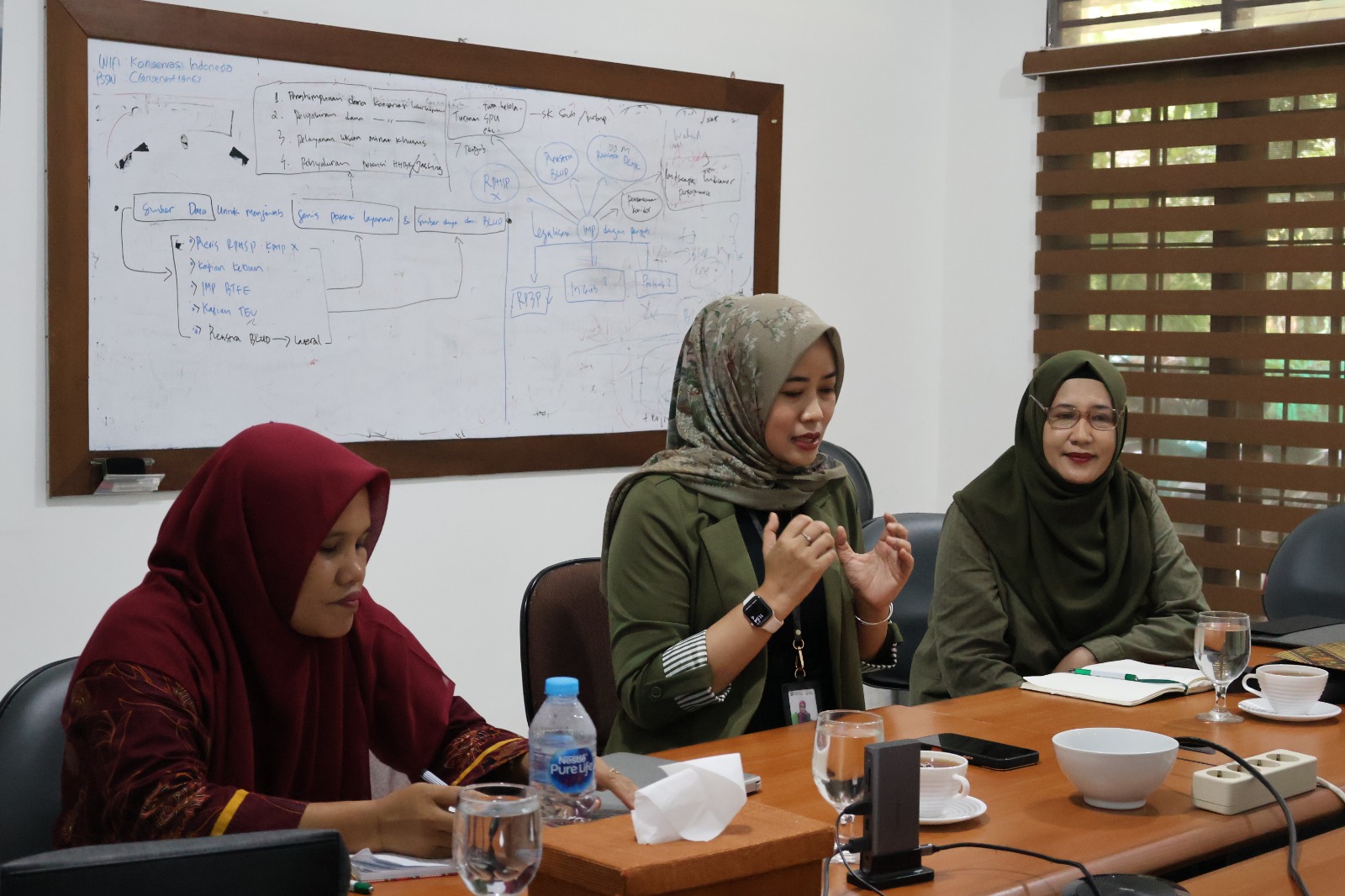
In line with the presentation, both parties discussed opportunities to connect the academic competencies of the Faculty of Forestry, USU, with Konservasi Indonesia's practical experience in implementing conservation programs. One of the opportunities explored was student involvement in biodiversity programs through internships and field-based learning schemes that could be integrated into the Merdeka Belajar Kampus Merdeka (MBKM) program.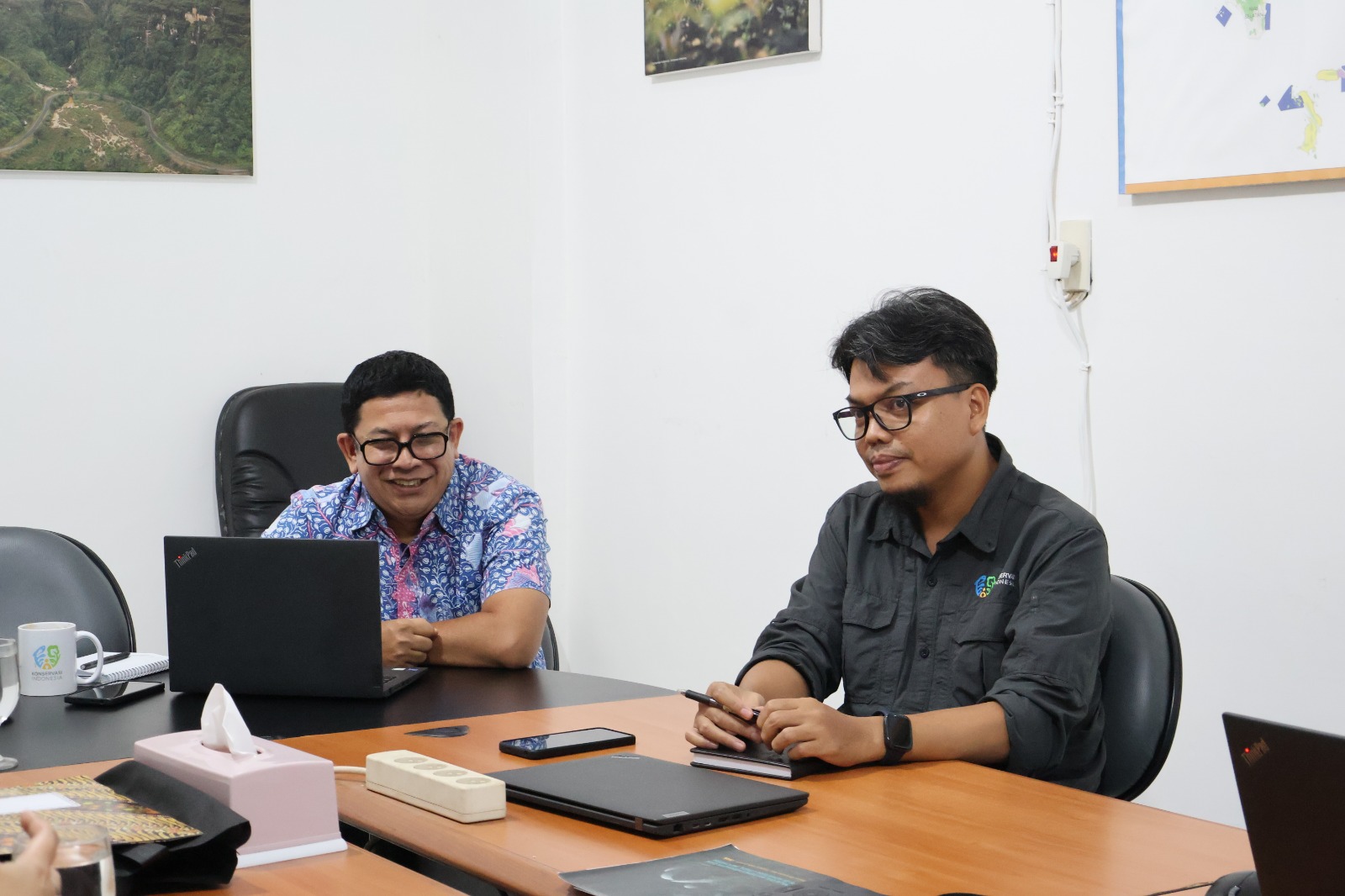
The development of research and scientific publications was also one of the main topics of discussion. Konservasi Indonesia has various data, research findings, and conservation knowledge products that have the potential to be developed into academic references. One example is a publication on bird species diversity in Papua. This potential opens up opportunities for collaboration between both parties in preparing books, writing scientific journals, and documenting Indonesia's biodiversity so that it can be utilized more widely by academics and the community.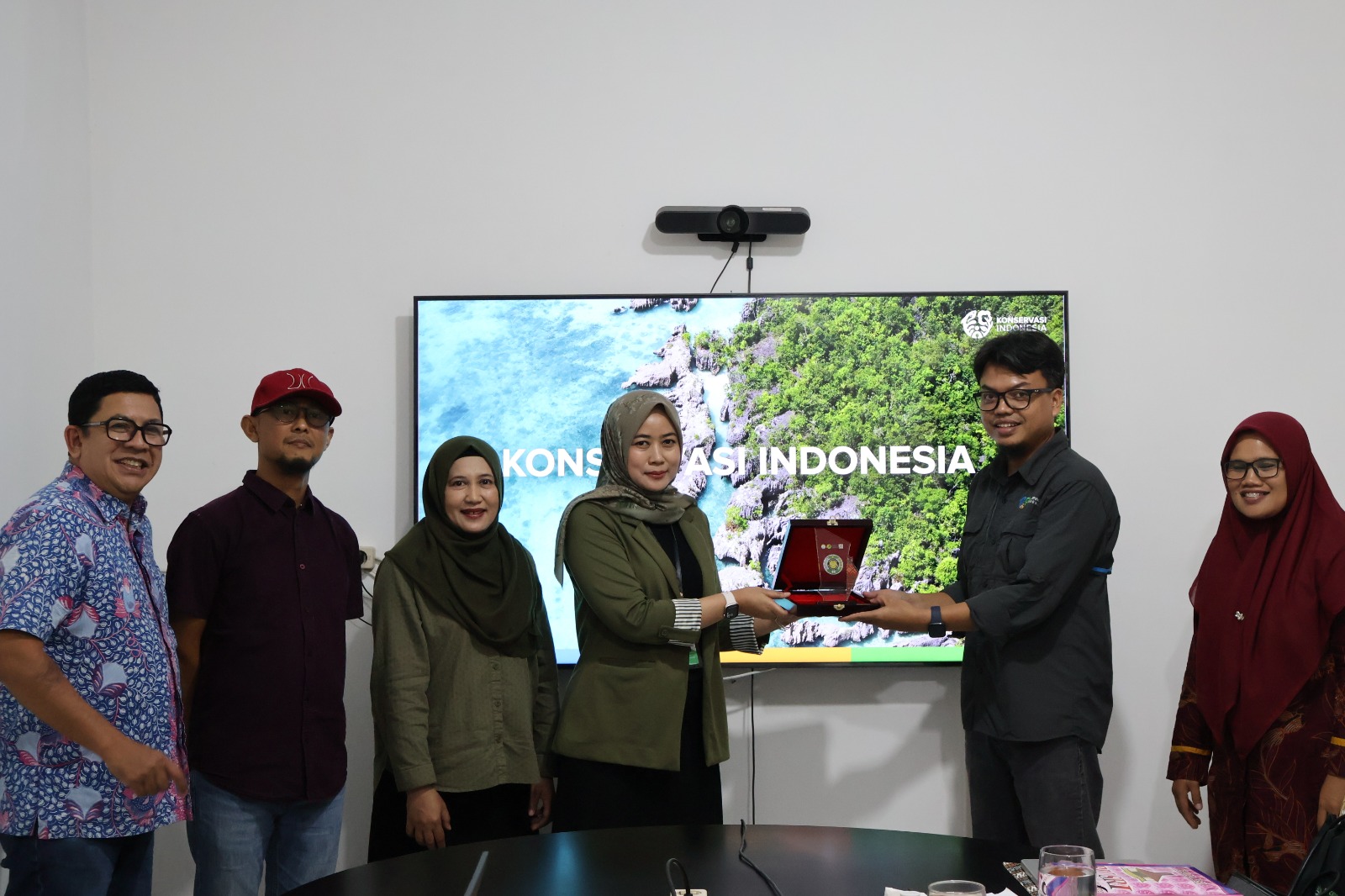
In addition to education and research, cooperation opportunities also include community service through the integration of the academic competencies of the Faculty of Forestry, USU, with the community assistance and empowerment programs implemented by Konservasi Indonesia. This approach is expected to provide science-based solutions that address community needs while encouraging responsible natural resource management.
Through this partnership visit, the Faculty of Forestry, USU, and Yayasan Konservasi Indonesia identified opportunities for mutually complementary synergy between academia and conservation practices. This exploration is expected to serve as a foundation for developing joint programs that not only strengthen student capacity and research contributions but also provide tangible benefits for ecosystem conservation and community welfare.
This initiative aligns with the achievement of the Sustainable Development Goals (SDGs), particularly SDG 4 (Quality Education) through strengthening experiential learning and the involvement of practitioners in education; SDG 13 (Climate Action) through ecosystem protection and support for climate change mitigation efforts; SDG 14 (Life Below Water) through the protection of marine resources and mangrove rehabilitation; SDG 15 (Life on Land) through biodiversity conservation and ecosystem restoration; and SDG 17 (Partnerships for the Goals) through strengthening collaboration between higher education institutions and conservation organizations. This synergy is expected to serve as a concrete step in strengthening the role of higher education institutions as strategic partners in conservation and sustainable development.