


.webp)
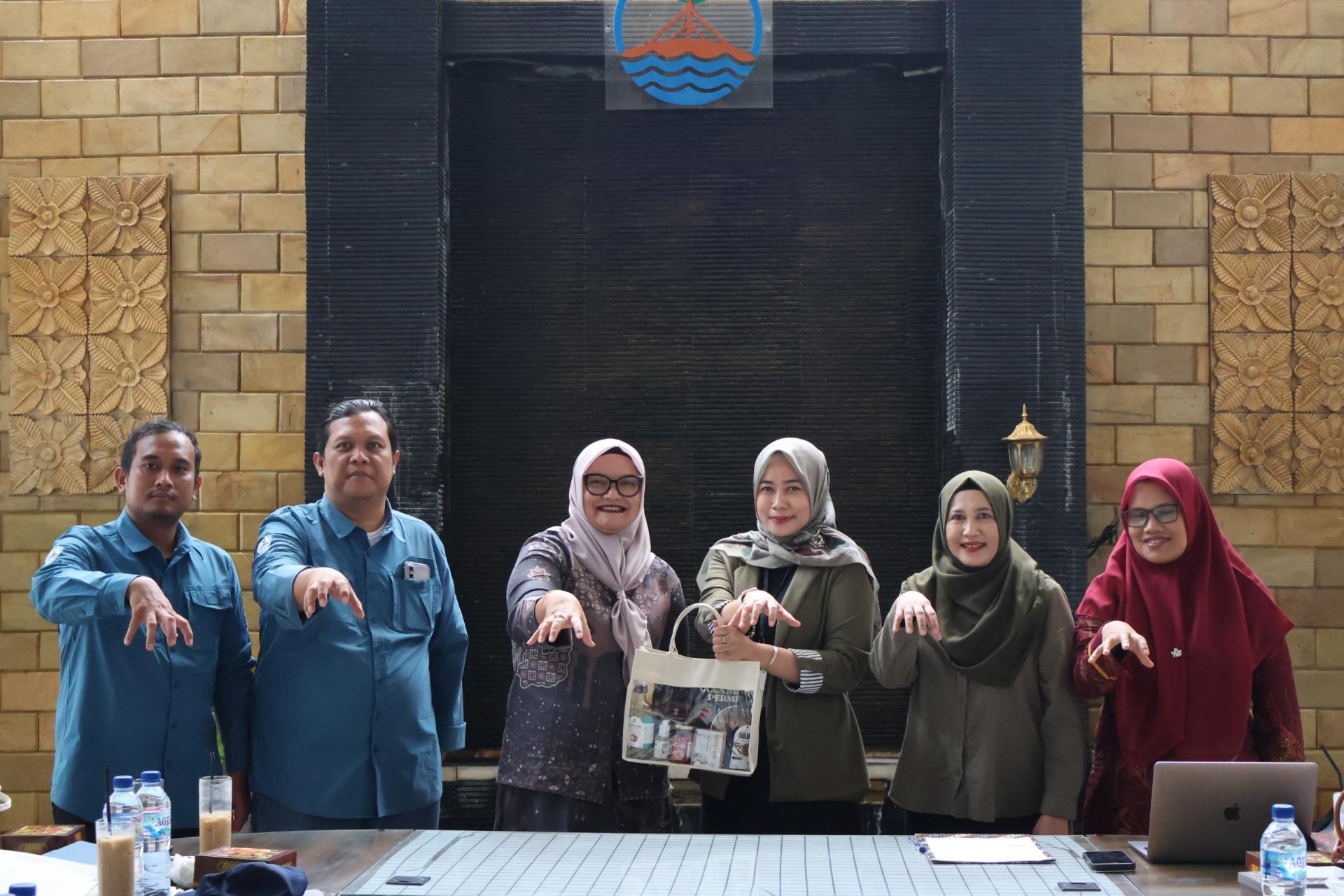
The Faculty of Forestry, Universitas Sumatera Utara (USU), explored opportunities for cooperation with the Indonesian Coastal Conservation Foundation (YAKOPI) in an effort to expand student learning opportunities while strengthening synergy in education, research, and community service. The collaboration exploration took place on Wednesday, November 4, 2026, at the YAKOPI Office, Medan Johor, Medan City.
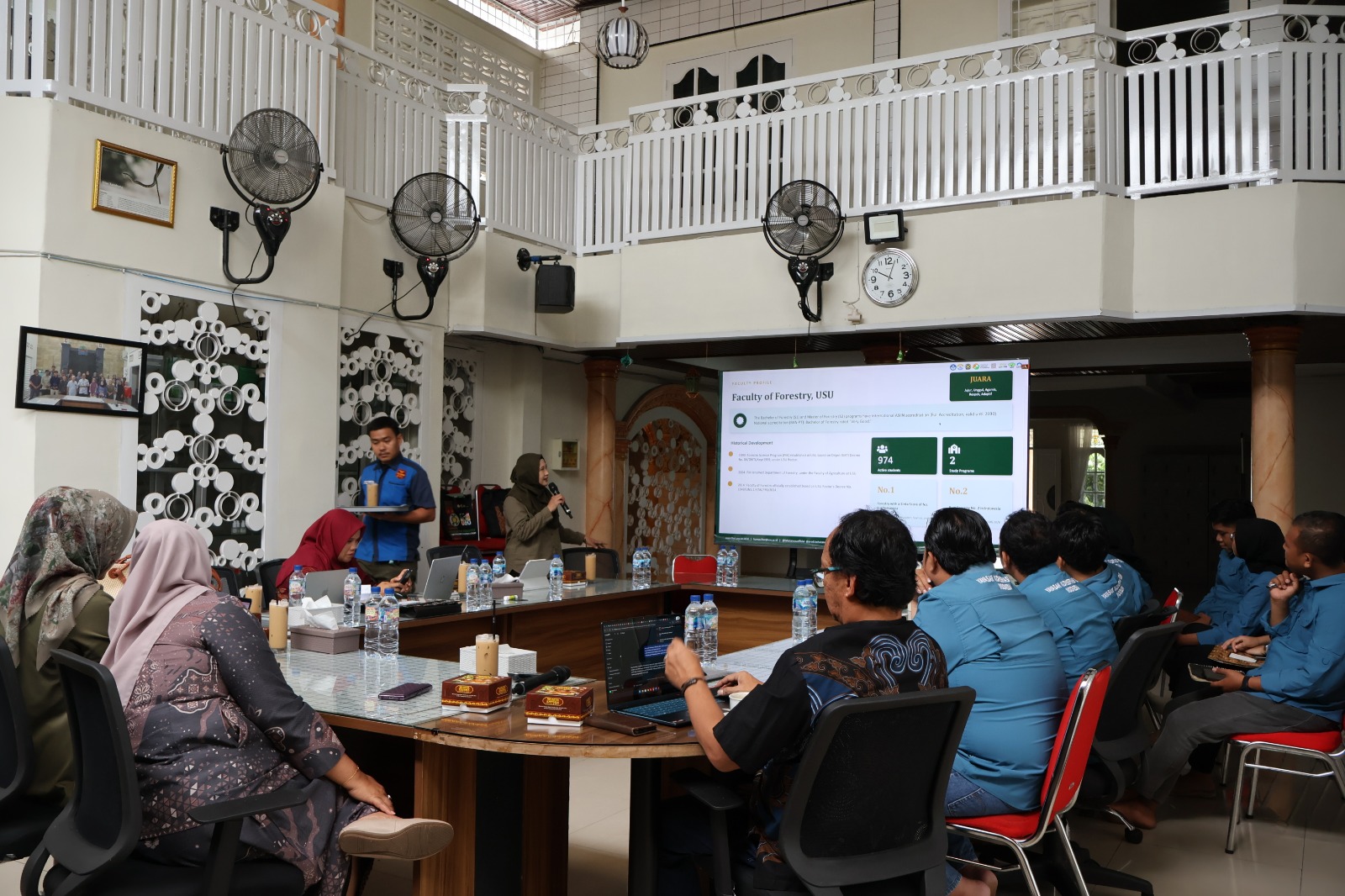
The meeting was attended by the Dean of the Faculty of Forestry, USU, Prof. Dr. Arida Susilowati, S.Hut., M.Si.; Vice Dean for Research, Community Service, Cooperation, and Internationalization, Dr. Anita Zaitunah; Manager for Research, Community Service, Cooperation, and Internationalization, Dr. Ridahati Rambey; and Public Relations staff of the Faculty of Forestry, USU. Meanwhile, YAKOPI was represented by Executive Director Dr. Meilinda Suriani Harefa, M.Si., YAKOPI Director Eling Tuhono, S.Pd., M.Si., along with staff and students undertaking internships at YAKOPI.
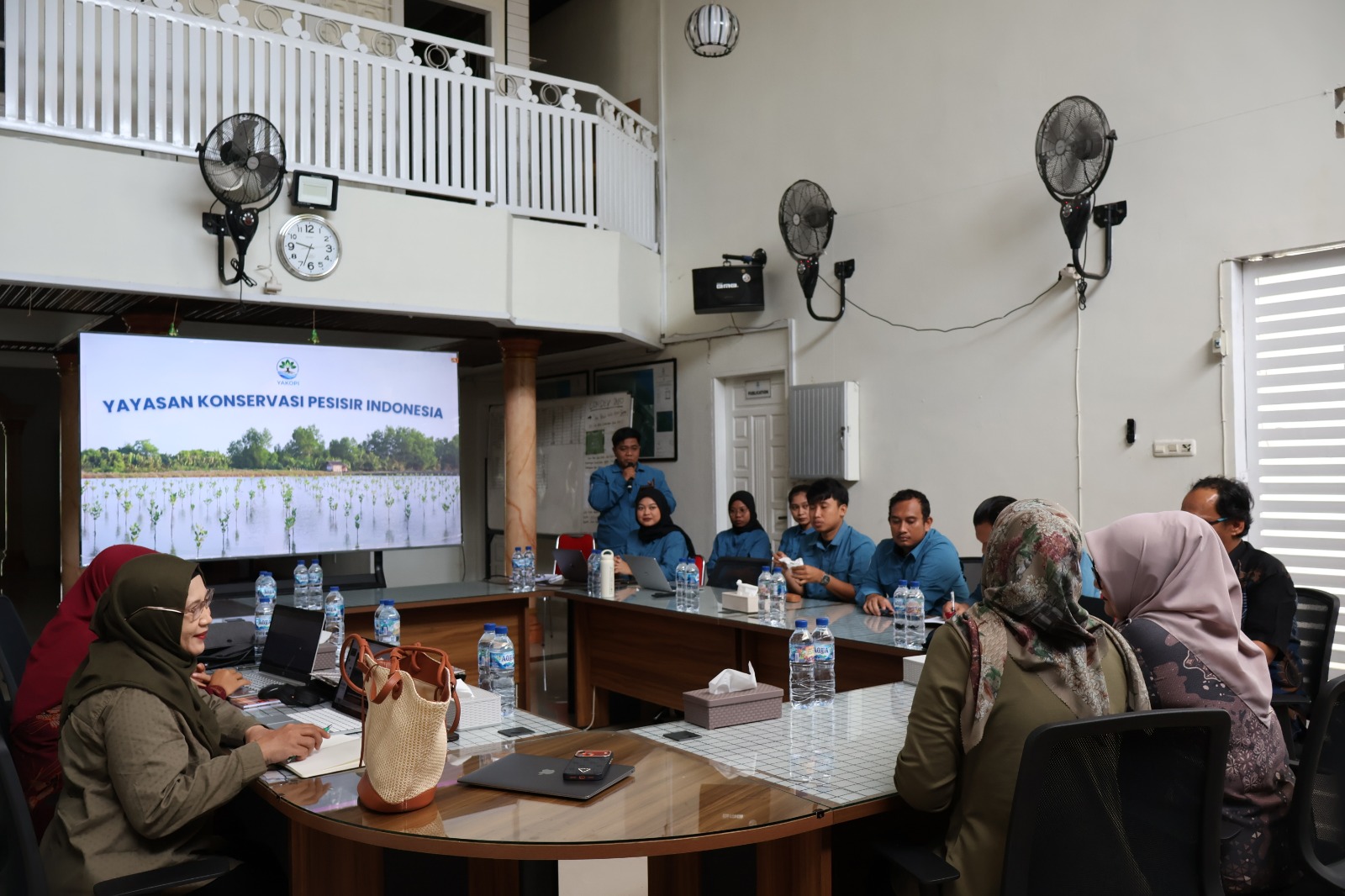
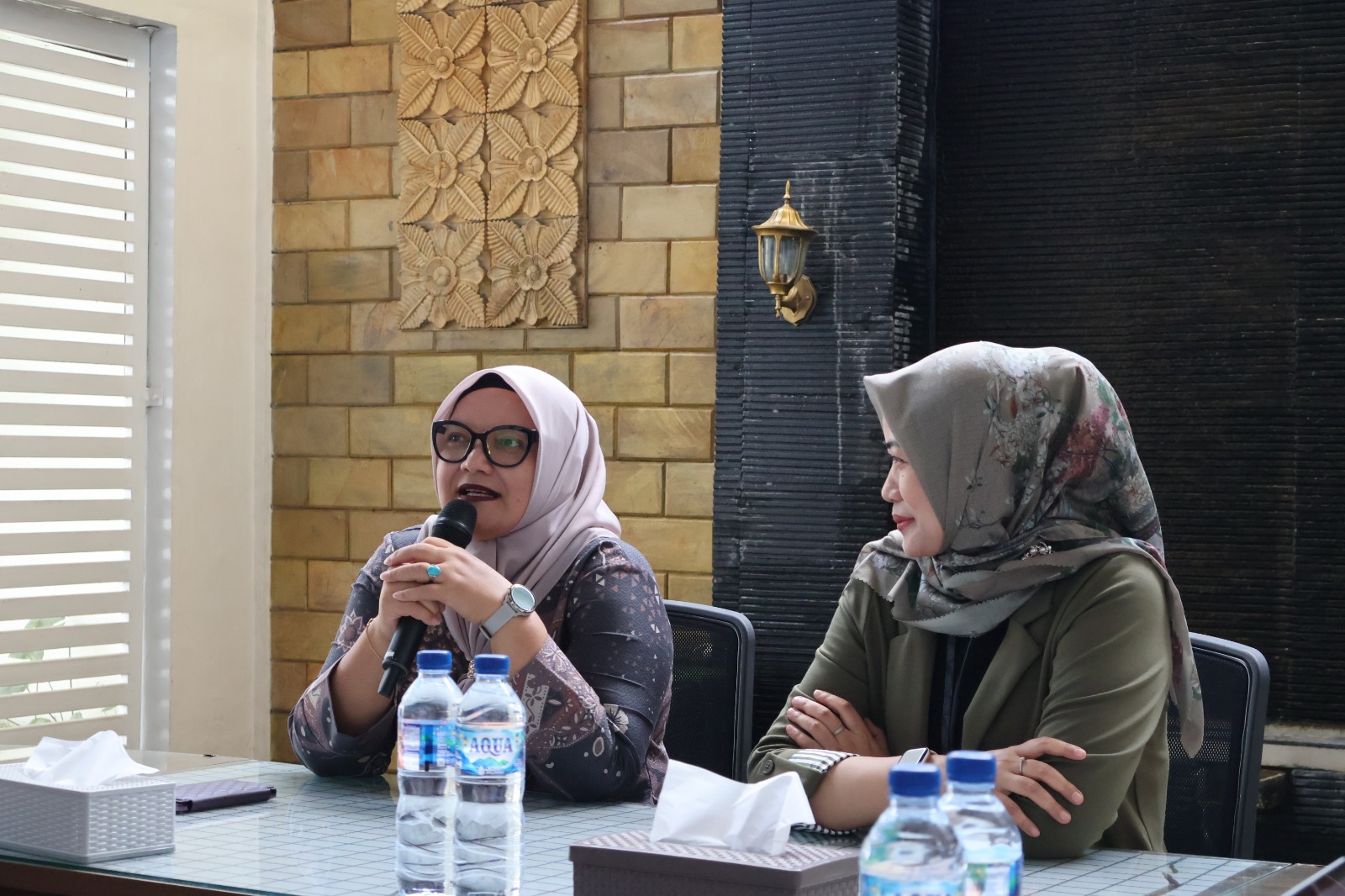
The activity began with an opening session and a prayer together, followed by presentations on the profiles, work programs, and collaboration potential of both institutions. Information about YAKOPI's programs and activities was presented by Ulfa, while the profile and opportunities for developing cooperation with the Faculty of Forestry, USU, were presented by Dr. Anita Zaitunah. This exchange of information provided an opportunity to identify program compatibility and potential synergies that could be developed into concrete initiatives.
In her remarks, the Dean of the Faculty of Forestry, USU, Prof. Dr. Arida Susilowati, emphasized that collaboration is an important part of improving educational quality while broadening students' perspectives. According to her, the learning process should not take place solely through lectures and academic activities on campus but should also be supported by direct experience through involvement in various real-world activities and challenges in the field.
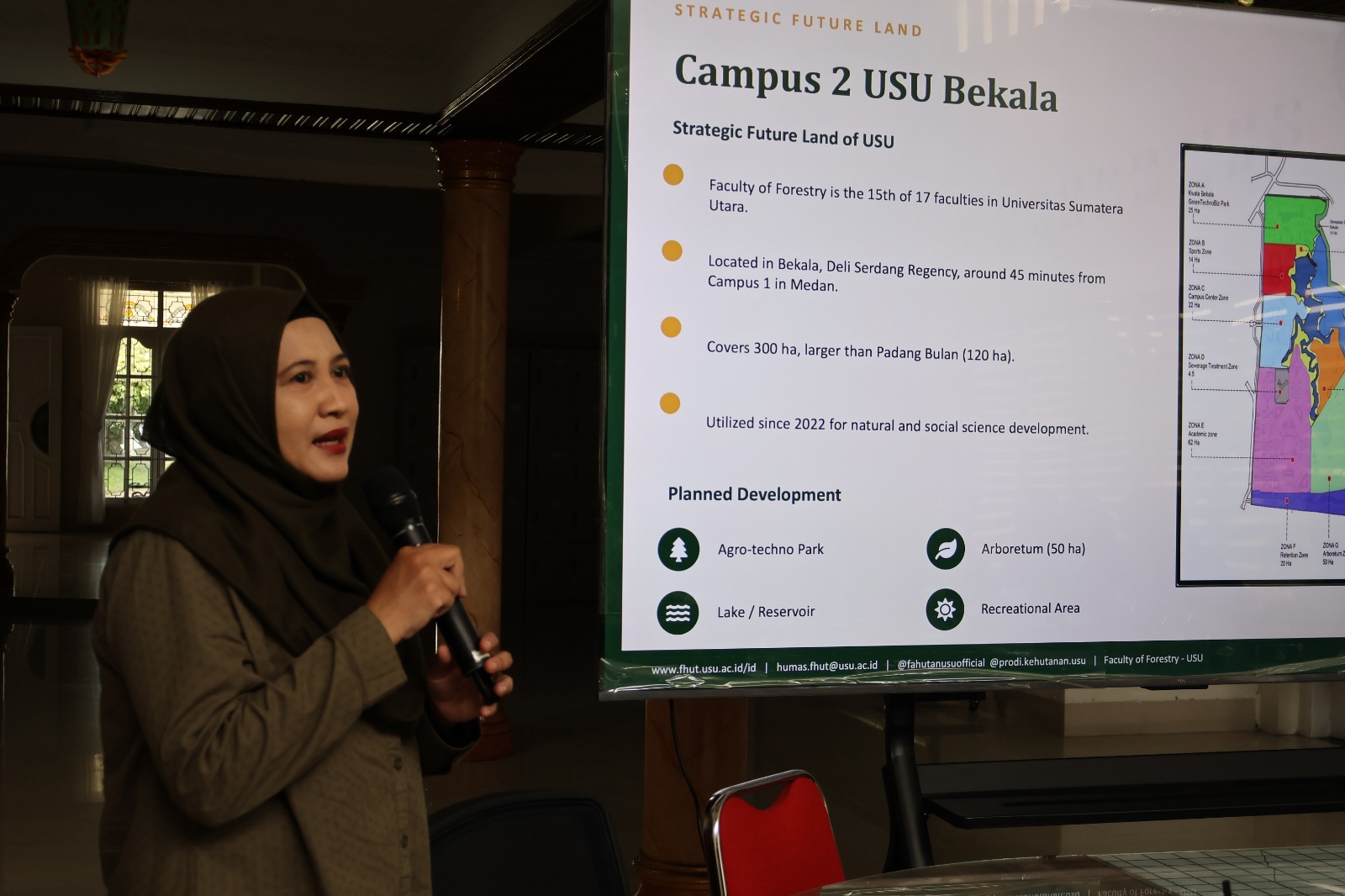
"Today is the era of collaboration. The best collaboration is one that can be realized through concrete activities today. Because if we do not collaborate, activities that create sustainable impacts will not emerge," stated Prof. Arida Susilowati.
In line with this, YAKOPI expressed its openness to establishing partnerships with the Faculty of Forestry, USU, particularly in providing learning opportunities and professional experience for students. As a nonprofit organization established in 2021, YAKOPI has various programs focusing on ecosystem restoration, environmental education, agroforestry, community empowerment, and ecotourism development.
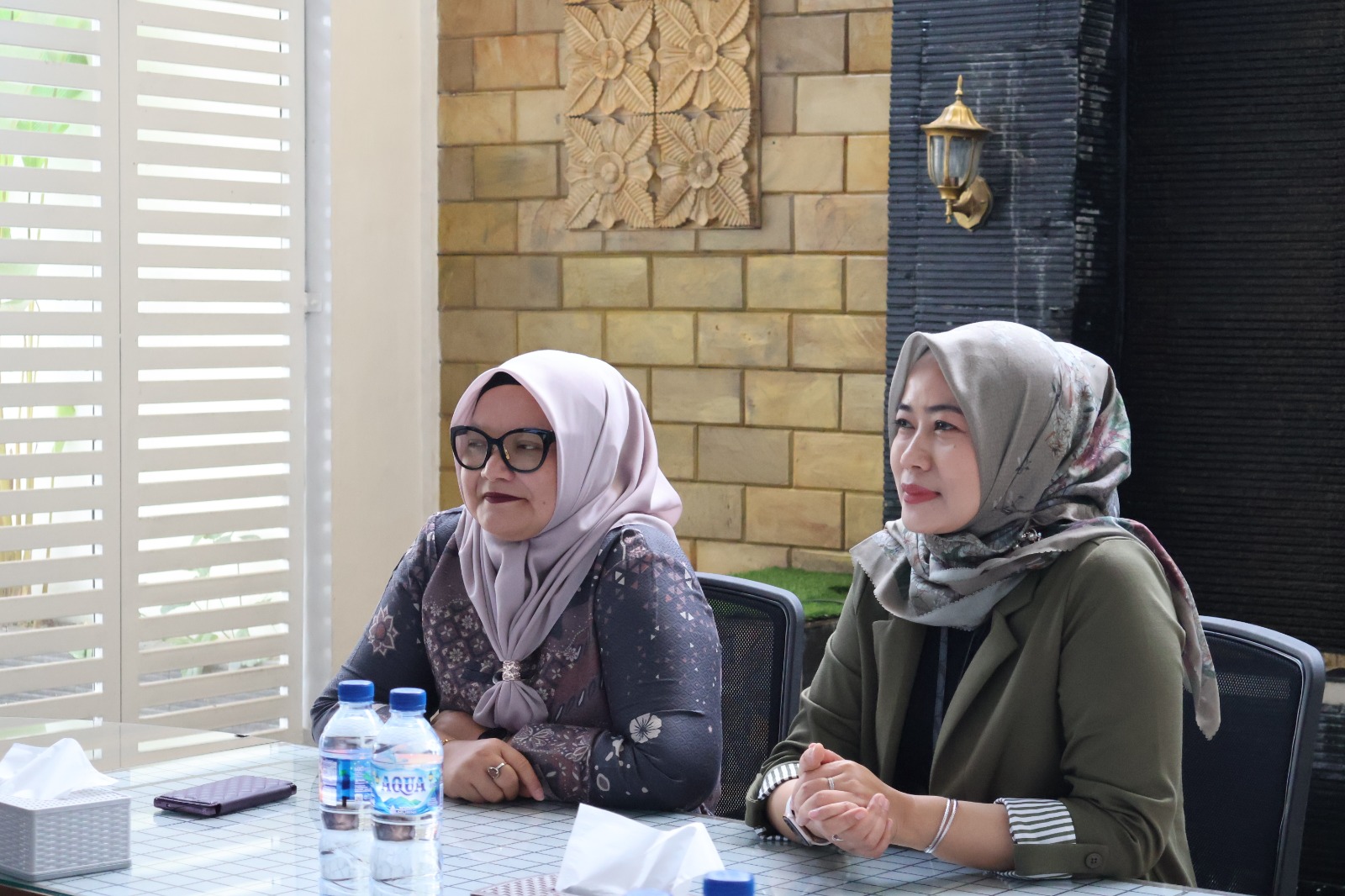
In its implementation, YAKOPI's various programs prioritize a collaborative approach with village communities, ranging from outreach and assistance in conservation activities to strengthening environmental governance. YAKOPI also contributes to supporting the drafting of village regulations and mapping mangrove areas as part of efforts to strengthen sustainable coastal area management.
In addition to conservation activities, YAKOPI develops various initiatives based on local potential that connect environmental aspects with community economic empowerment. Some of these include the development of nipah palm sugar coffee products introduced through Lentera Caffe, eco-paving block innovations, and assistance in ecotourism development to optimize the tourism potential of local communities.
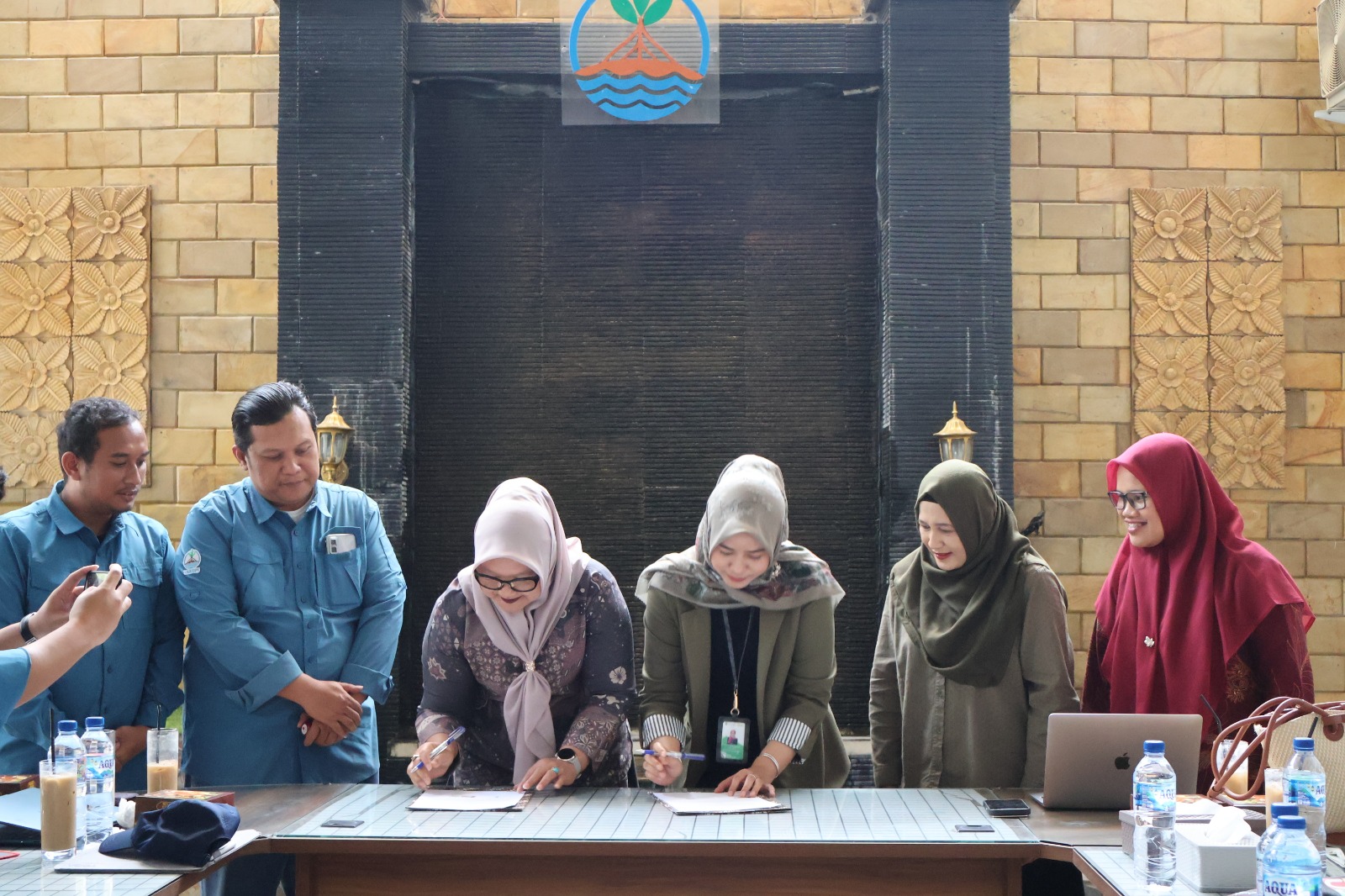
One of the strategic opportunities discussed during the meeting was the involvement of Faculty of Forestry, USU, students in research activities, internship programs, and field projects managed by YAKOPI. YAKOPI offers students opportunities to participate in ongoing and upcoming programs, including facilitating access to activity locations so that students can gain direct experience in implementing conservation programs and assisting communities.
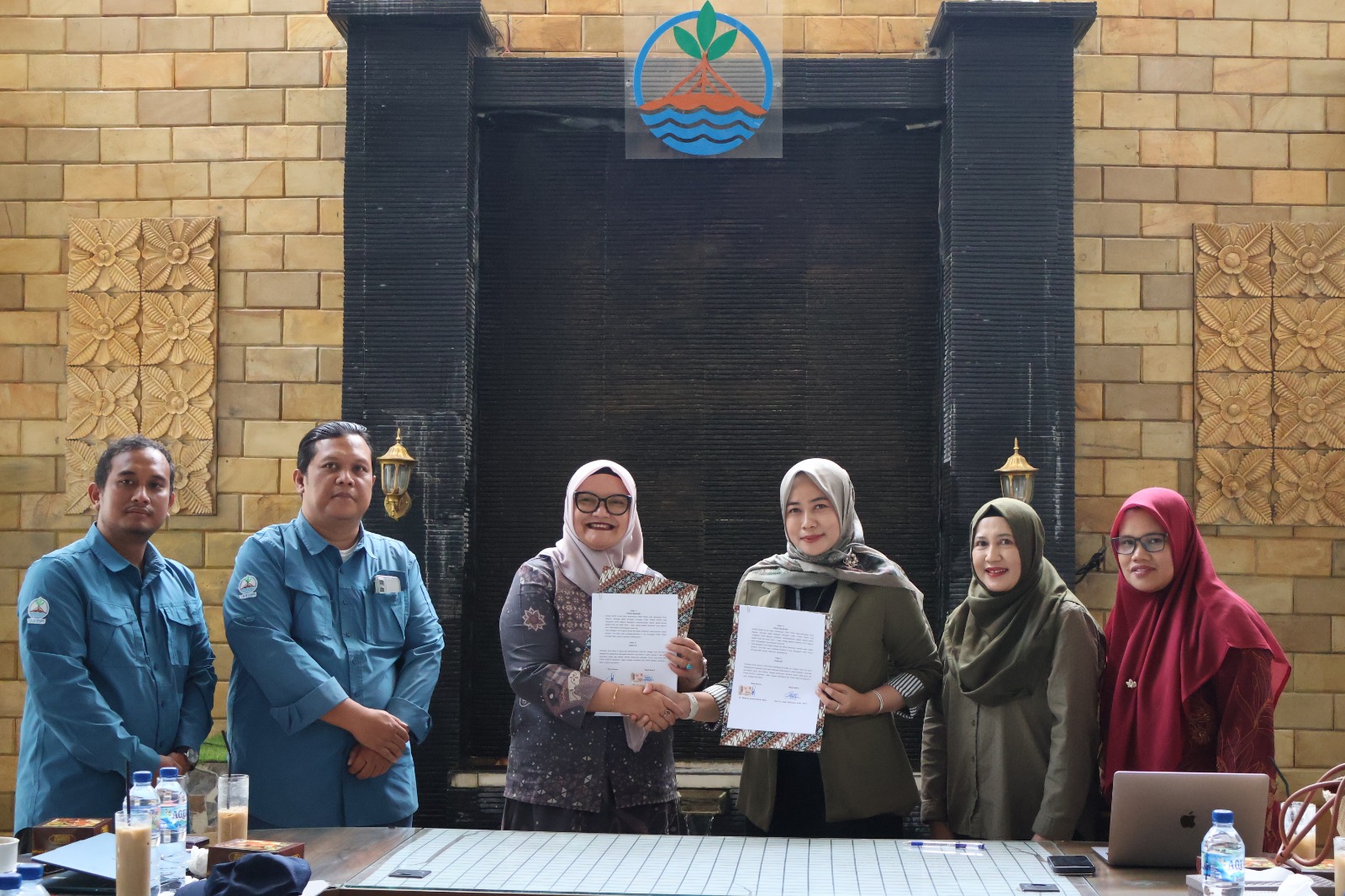
Collaboration opportunities are also available in the field of scientific publications. YAKOPI has publications and journals related to Indonesian coastal conservation, which have the potential to provide opportunities for academic contributions by students of the Faculty of Forestry, USU, particularly in completing their final projects or theses. Through these opportunities, relevant student research findings and scientific works are expected not only to serve as fulfillment of academic requirements but also to have opportunities for further development and publication, thereby providing broader benefits.
Furthermore, both institutions also identified the potential for developing innovative products based on local resources through the integration of academic knowledge, research findings, and practical experience. This collaboration is expected to produce innovations with added value while providing economic, social, and environmental benefits to the community.
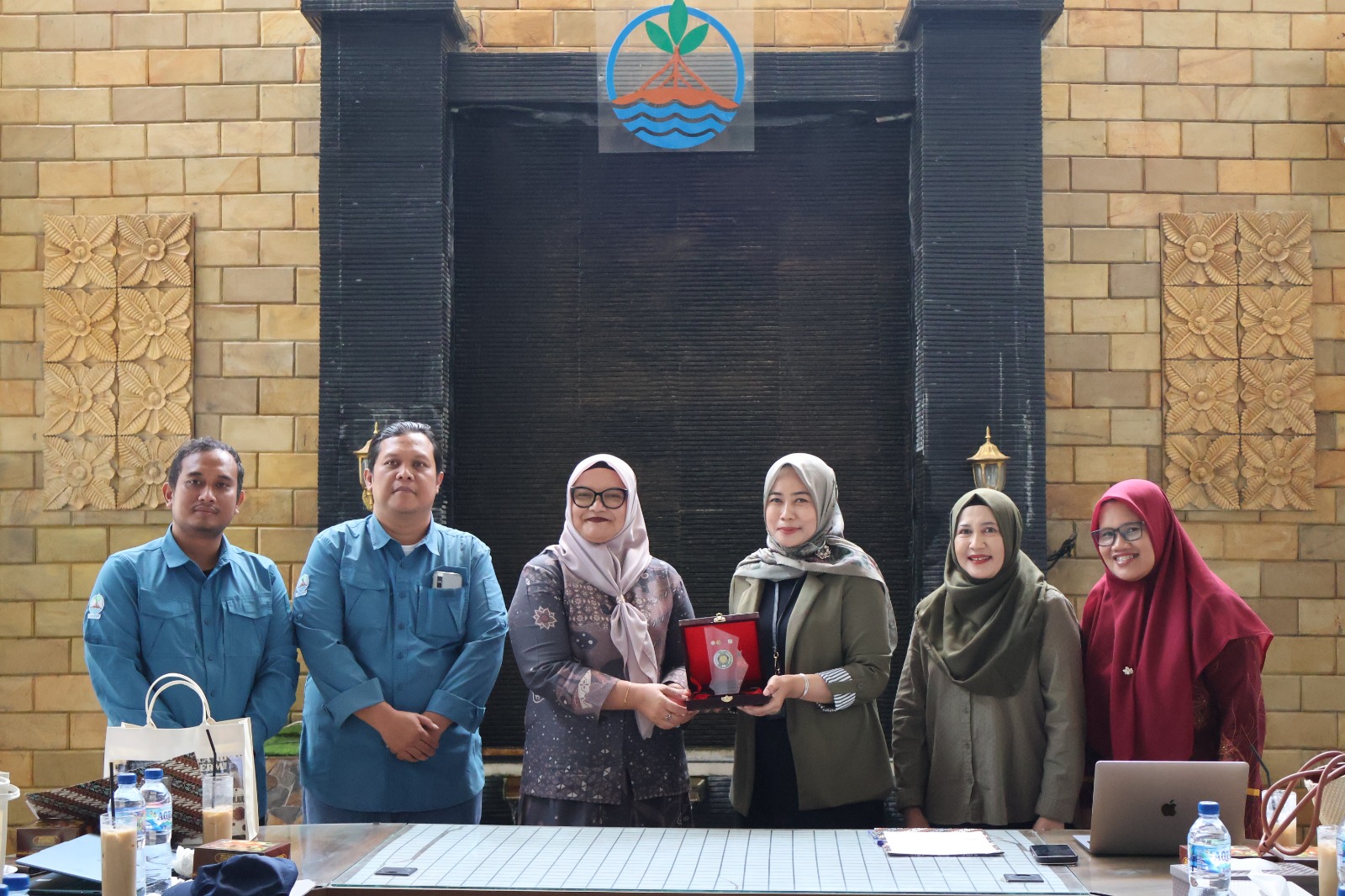
This exploration of cooperation marks an initial step toward expanding the learning ecosystem of the Faculty of Forestry, USU, through the involvement of partners outside higher education institutions. By connecting academic knowledge with field practices, students are expected to have broader opportunities to improve their competencies, sharpen their analytical skills, and directly understand the challenges of natural resource management, coastal conservation, and community empowerment.
This initiative aligns with the commitment to achieving the Sustainable Development Goals (SDGs), particularly SDG 4 (Quality Education) through expanding experience-based learning and improving student competencies; SDG 8 (Decent Work and Economic Growth) through developing professional skills, entrepreneurship, and product innovation based on local potential; SDG 13 (Climate Action) through strengthening environmental programs and ecosystem restoration; SDG 14 (Life Below Water) through coastal and mangrove conservation efforts; SDG 15 (Life on Land) through ecosystem restoration and sustainable natural resource management; and SDG 17 (Partnerships for the Goals) through strengthening collaboration between higher education institutions and civil society organizations. Through the spirit of collaboration, the Faculty of Forestry, USU, remains committed to providing education that is not only oriented toward mastering theory but also encourages the development of graduates who are adaptive, critical, innovative, and capable of making concrete contributions to society and sustainable development.