


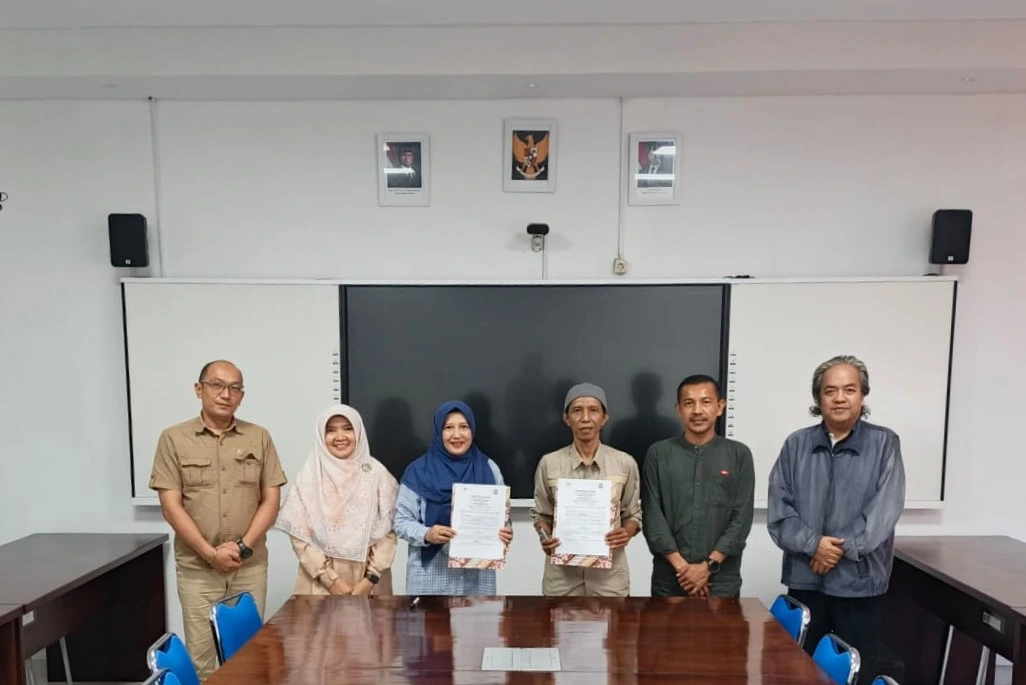
HUMAS FAHUTAN — The Faculty of Forestry at Universitas Sumatera Utara (USU) continues to strengthen its strategic synergy with civil society organizations through an audience meeting with Green Justice Indonesia on Wednesday, May 13, 2026, at the Meeting Room of the Faculty of Forestry, USU.
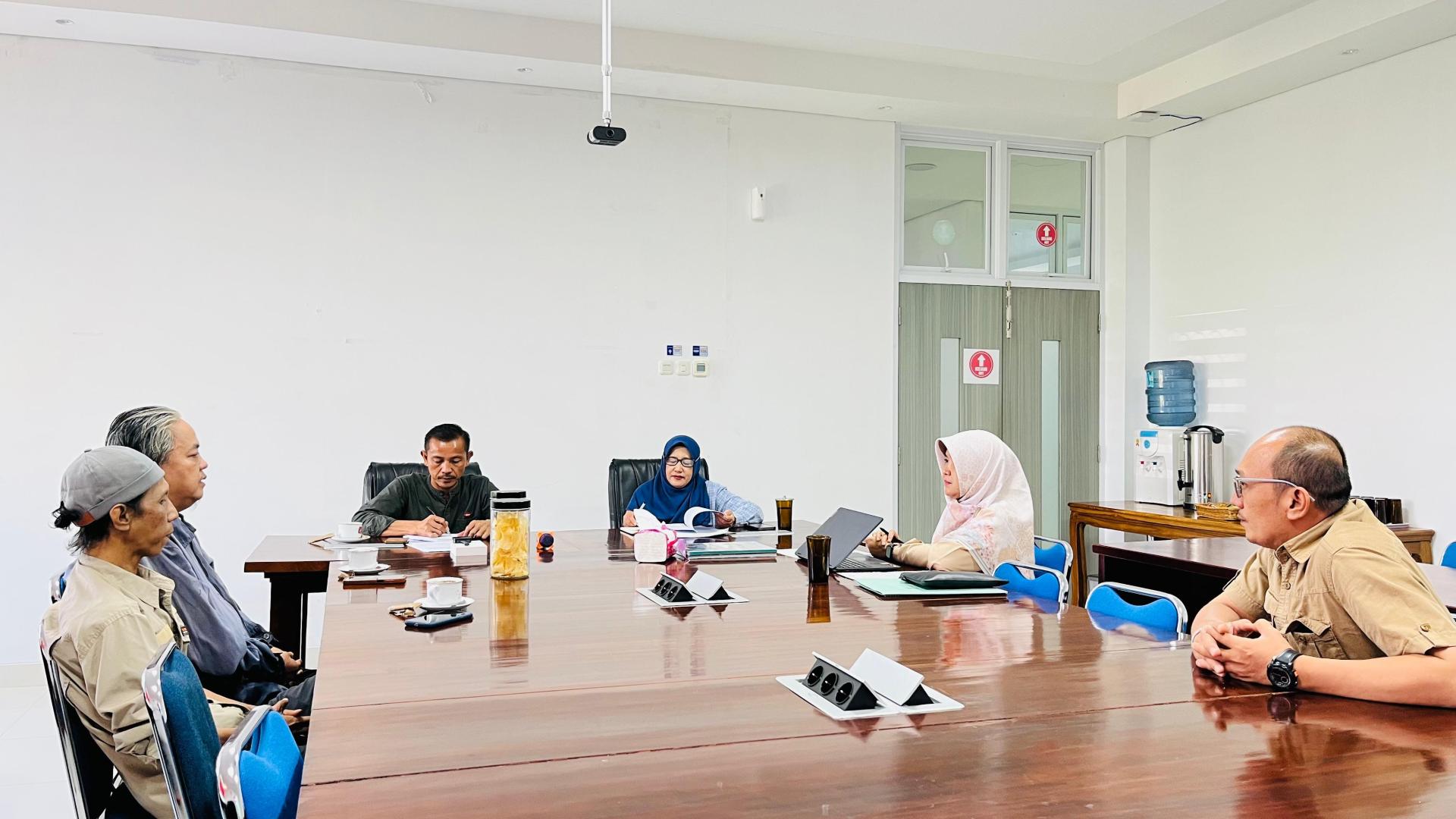
The meeting marked a further step in reinforcing institutional collaboration while promoting stronger research-based environmental policy advocacy, particularly concerning the protection of the Leuser Ecosystem Area (LEA).
The audience meeting was attended by the Vice Dean for Research, Community Service, Cooperation, and Internationalization of the Faculty of Forestry USU, Dr. Anita Zaitunah, S.Hut., M.Sc., accompanied by the Dean’s Expert Staff, Dr. Nelly Anna, S.Hut., M.Si., and the Head of the Cooperation and Research Subdivision, Mhd. Teguh, S.Sos. Meanwhile, Green Justice Indonesia was represented by Program Manager Sofyan Adli, Lawyer Rinaldi, and Program Officer Sandrak Lugo.
During the constructive discussion, both parties reviewed the progress of existing cooperation and explored opportunities for expanding collaboration in forestry research, environmental policy strengthening, and scientific data-based public advocacy.
The activity also included the signing of an Implementation Agreement (IA) as a shared commitment to strengthening institutional synergy, particularly in research development, policy study preparation, and collaborative activities related to conservation and sustainable environmental management.
In her remarks, Dr. Anita Zaitunah stated that collaboration between universities and civil society organizations plays an important role in addressing increasingly complex natural resource management challenges.
According to her, universities not only function as centers for scientific development but also serve as strategic partners in providing strong academic foundations for the formulation of sustainable and equitable public policies.
One of the main agendas of the meeting was the presentation of a policy brief document on the Leuser Ecosystem Area prepared by Green Justice Indonesia. The document contains several strategic recommendations aimed at strengthening area protection, promoting participatory environmental governance, and harmonizing development policies with ecological conservation principles.
Through this forum, Green Justice Indonesia also sought academic input from the Faculty of Forestry USU to enrich the substance of the policy document currently being prepared. In addition, discussions were directed toward developing more measurable advocacy strategies grounded in scientific research findings.
The Faculty of Forestry at USU emphasized that effective environmental policies must be built through the integration of scientific findings, academic perspectives, and field experiences from various stakeholders. This collaborative approach is considered essential to ensure that policy recommendations are not only conceptually strong but also relevant and applicable in practice.
Through this meeting, the Faculty of Forestry USU and Green Justice Indonesia reaffirmed their shared commitment to expanding collaborative initiatives in support of environmental preservation, particularly in nationally strategic areas with high ecological value, such as the Leuser Ecosystem Area.
Going forward, both parties agreed to promote various collaborative agendas, ranging from joint research and academic discussion forums to policy study development and strengthening student involvement in environmental advocacy activities.
This activity also aligns with the Sustainable Development Goals (SDGs), particularly SDG 15 (Life on Land), SDG 13 (Climate Action), and SDG 17 (Partnerships for the Goals), through strengthened ecosystem conservation, sustainable environmental governance, and science-based multi-stakeholder collaboration.