


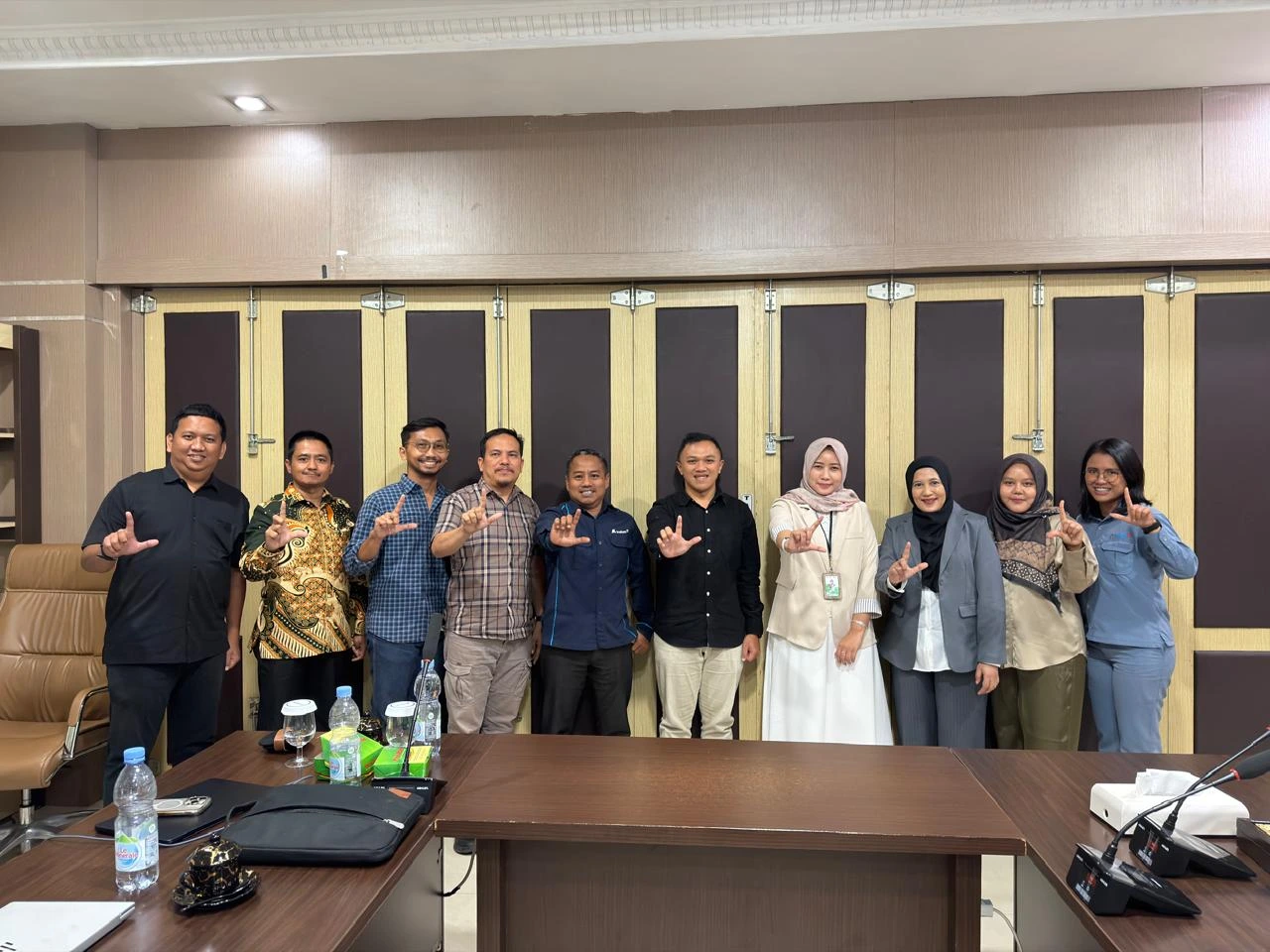
HUMAS FAHUTAN — The Faculty of Forestry, Universitas Sumatera Utara (USU), in collaboration with PT Indonesia Asahan Aluminium (INALUM), conducted a visit and sharing session on the development of vegetative propagation and tissue culture technology to support the rehabilitation of the Lake Toba area. The event, held on Tuesday, May 26, 2026, was conducted in a hybrid format at the INALUM Liaison Office in Medan and attended by various stakeholders concerned with environmental restoration efforts in this strategic region.
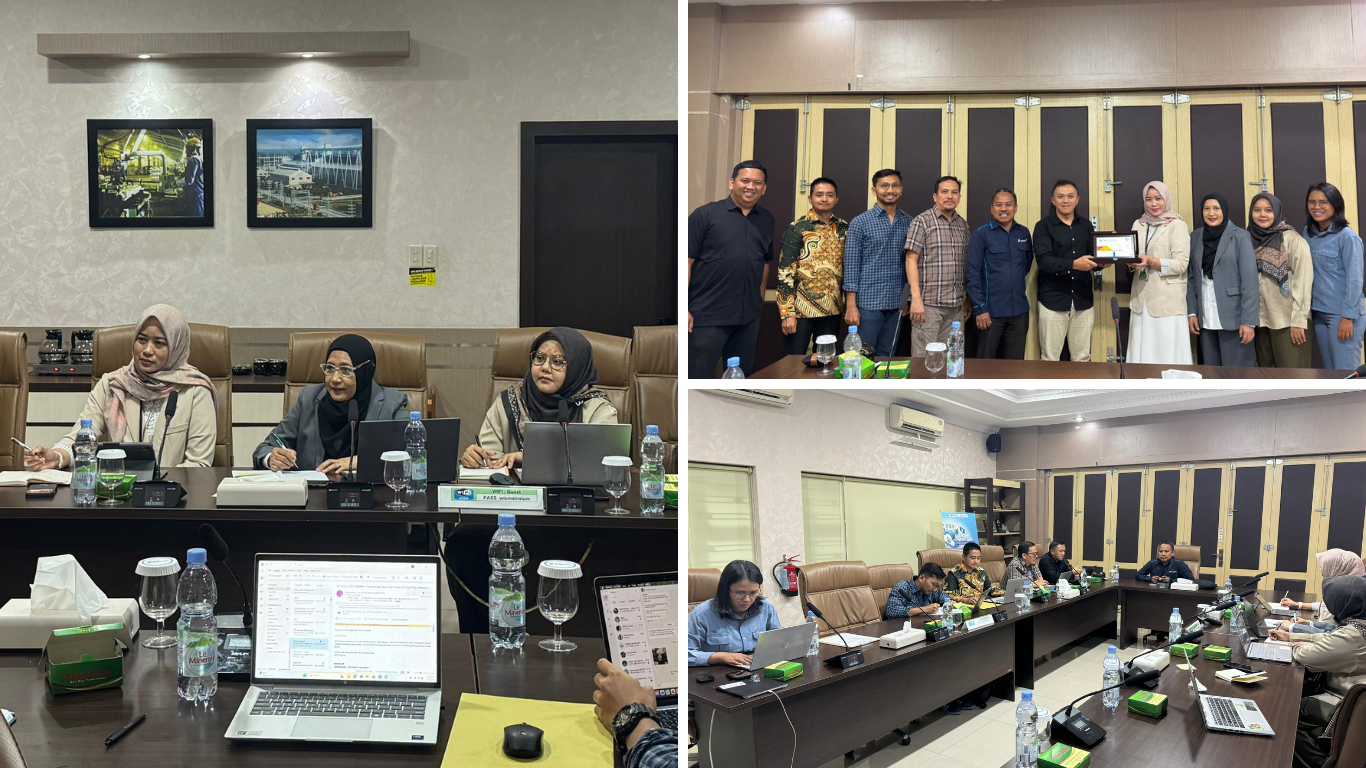
The event was attended by the Dean of the Faculty of Forestry, USU, Prof. Dr. Arida Susilowati, S.Hut., M.Si., accompanied by the Vice Dean for Research, Community Service, Cooperation, and Internationalization, Dr. Anita Zaitunah, S.Hut., M.Sc.; the Dean’s Expert Staff for Research, Dr. Agr. Faujiah Nurhasanah Ritonga, S.Hut., M.Si.; and the Dean’s Secretary, Ida Mallia Ginting, S.Hut. Representing INALUM were A. Iqbal, STP., Natalia Permata Sari, Sunarno A. Rakino, and Alvi Syahrin. Representatives from Perum Jasa Tirta I (PJT I), namely Gede Santika D., Rijal Hasibuan, and Ruben Parhasian Siregar, also participated in the discussion.
The interactive discussion focused on various challenges encountered in the rehabilitation of the Catchment Area (DTA) surrounding the Lake Toba region. In his presentation, Sunarno A. Rakino, Head of INALUM’s Conservation and Reforestation Division, explained that marginal and rocky land conditions remain major obstacles to rehabilitation efforts. Additionally, the limited availability of seedlings continues to challenge the implementation of greening programs that have been carried out consistently since 2020.
In response to these challenges, Prof. Arida Susilowati provided several recommendations based on forestry science and field experience. The proposed solutions included the use of local species suited to site characteristics, comprehensive site suitability assessments before planting, stronger involvement of local communities, and the application of tissue culture technology as an alternative means of producing high-quality seedlings in large quantities on a sustainable basis.
According to Prof. Arida, tissue culture development has significant potential to become a key strategy in supporting successful rehabilitation programs, particularly in areas with limited seedling resources and challenging environmental conditions. This approach is also considered capable of improving the efficiency of seedling production while contributing to the conservation of tree species with high ecological value.
Beyond serving as a platform for knowledge and experience exchange, the meeting also opened opportunities for broader collaboration among the Faculty of Forestry, USU, INALUM, and PJT I in advancing science- and technology-based environmental rehabilitation initiatives. The synergy between universities, industry, and other stakeholders is regarded as an essential factor in achieving sustainable natural resource management.
This initiative aligns with the commitment to achieving the Sustainable Development Goals (SDGs), particularly SDG 13 (Climate Action) through land rehabilitation and reforestation efforts, SDG 15 (Life on Land) through the restoration of ecosystem quality in the Lake Toba region, and SDG 17 (Partnerships for the Goals) through strengthened collaboration among higher education institutions, industry, and water resource management agencies.
Through this discussion and exchange of ideas, it is hoped that innovative solutions and concrete actions will emerge to strengthen rehabilitation efforts in the Lake Toba area while supporting sustainable environmental development in North Sumatra.