


.webp)
The Faculty of Forestry, Universitas Sumatera Utara (Fahutan USU), received a visit from the USU Academic Senate at Campus 2 Kwala Bekala, Deli Serdang, on Tuesday (20/10/2026). This visit served as an evaluation forum and strategic discussion to strengthen academic quality, increase student timely graduation rates, develop research, and foster internationalization and faculty collaboration.
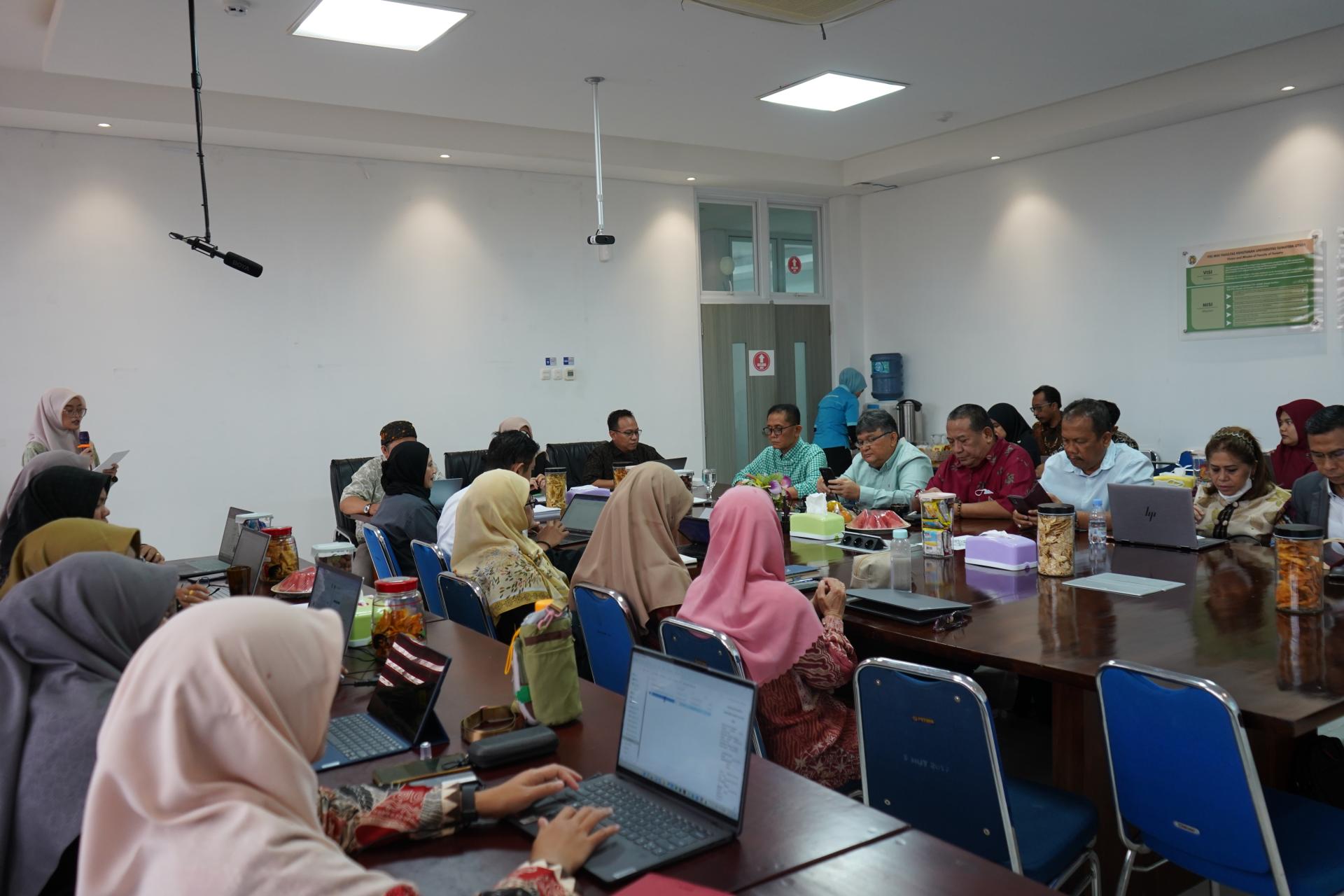
The event began with remarks and a prayer, followed by a presentation by the Dean of the Faculty of Forestry USU, Prof. Dr. Arida Susilowati, as well as a feedback and discussion session with members of the Academic Senate. Present at the meeting were Prof. Dr. Dwi Suryanto, M.Sc., Prof. drg. Sondang Pintauli, Ph.D., Prof. Dr. Iskandar Zulkarnain, M.Sc., along with other Academic Senate members.
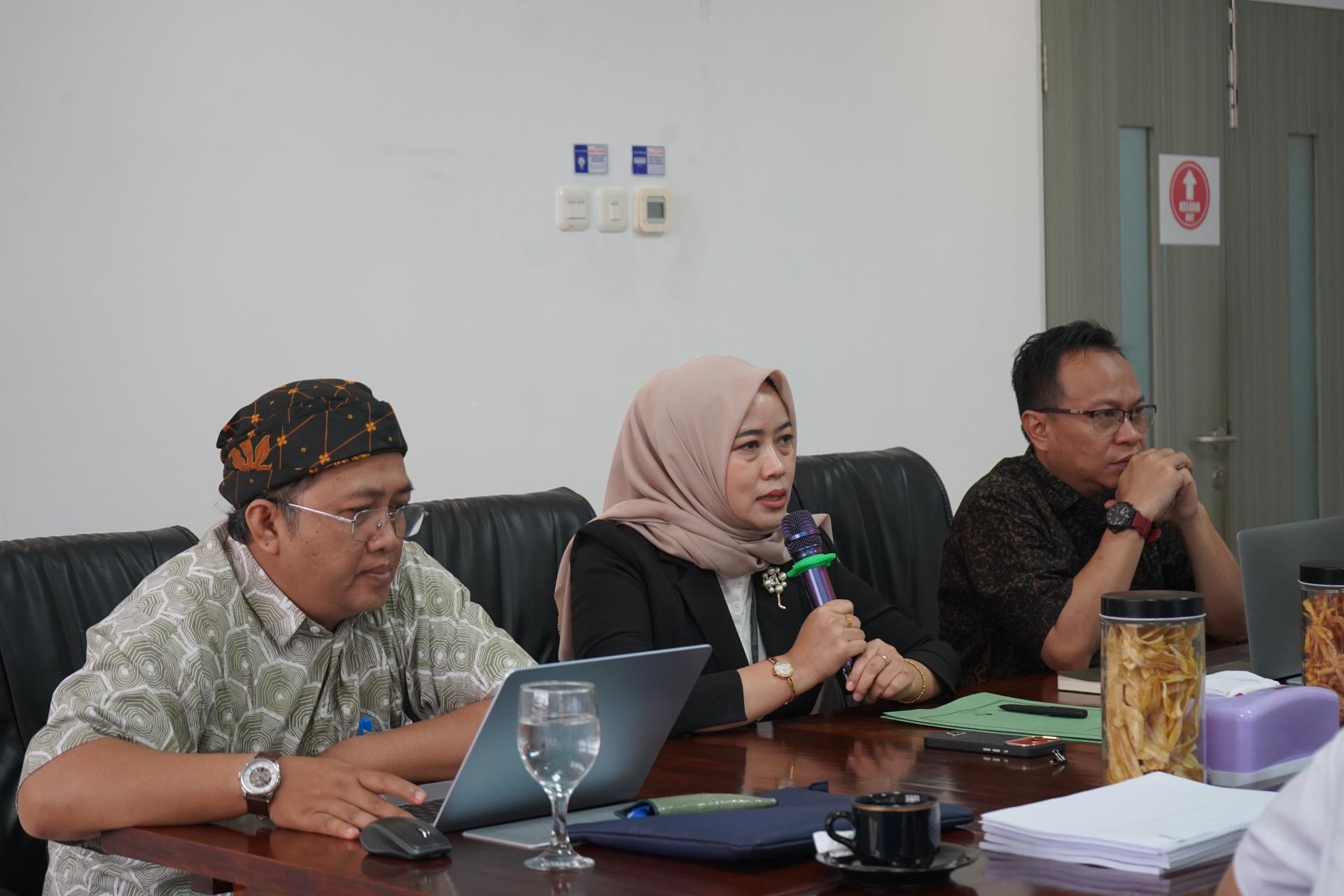
One focus of the discussion was the achievement of Average Education Effectiveness (AEE), particularly in the Undergraduate Program, as well as efforts to increase the number of graduates completing their studies on time. In the discussion, Dr. Tito Sucipto explained that the trend of timely graduation has shown an increase year by year. However, several obstacles remain, including students who do not immediately complete administrative requirements and revisions after their thesis defense. Meanwhile, at the master's level, some students face challenges in dividing time between work and finishing their studies.
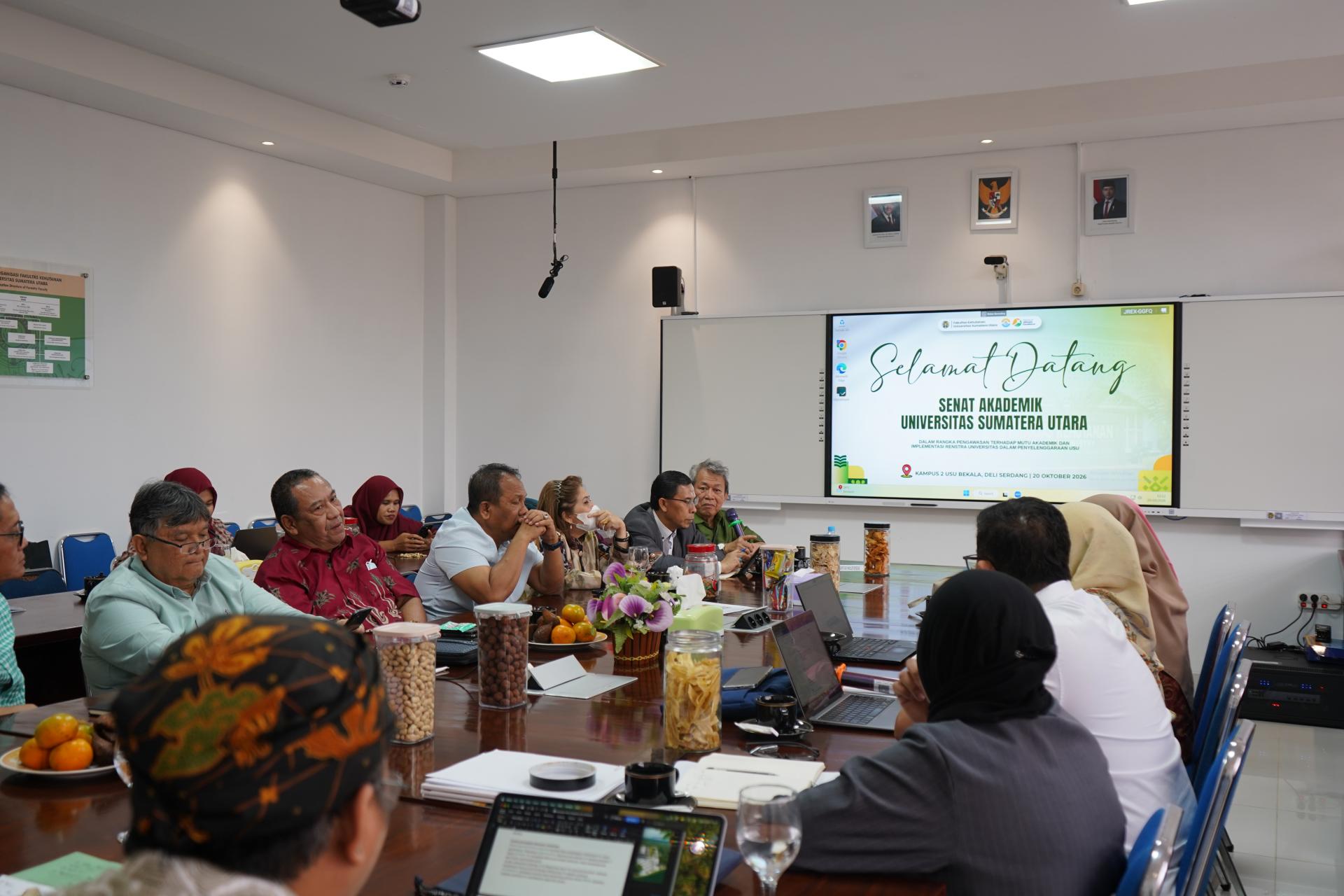
Various strategies have been implemented to encourage accelerated graduation, including completing thesis revisions and processing graduation files as soon as possible after the defense. Although implementation still needs to be optimized, the increasing trend of timely graduation is a positive indicator that must be continually reinforced through ongoing academic mentoring and coordination.
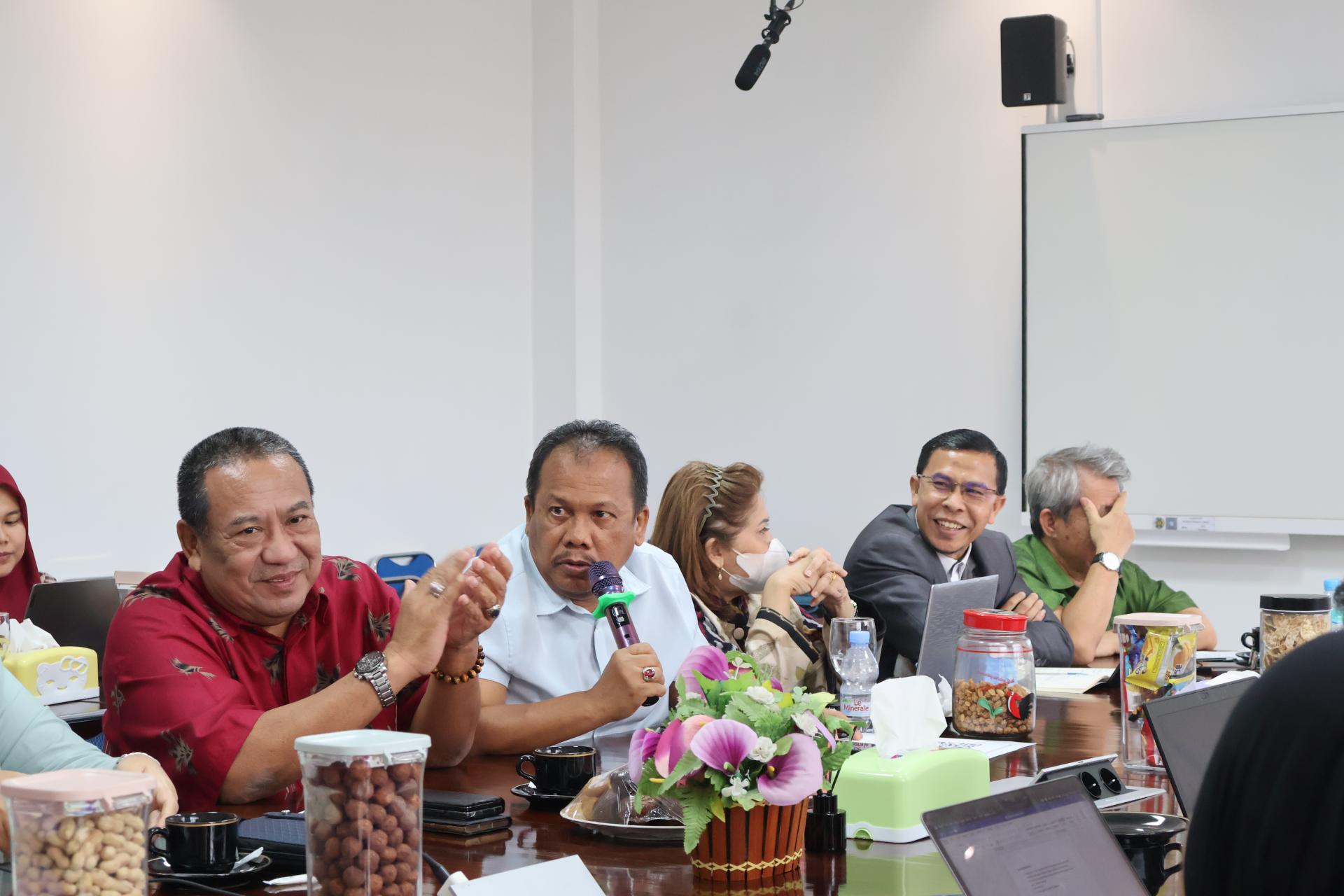
In terms of institutional development, Prof. Dr. Iskandar Zulkarnain, M.Sc., from Commission D, also highlighted opportunities for opening new study programs and strengthening internationalization. Responding to this, the Dean of the Faculty of Forestry explained that moving forward, the development of a doctoral program is one opportunity that could be considered according to institutional needs and readiness.
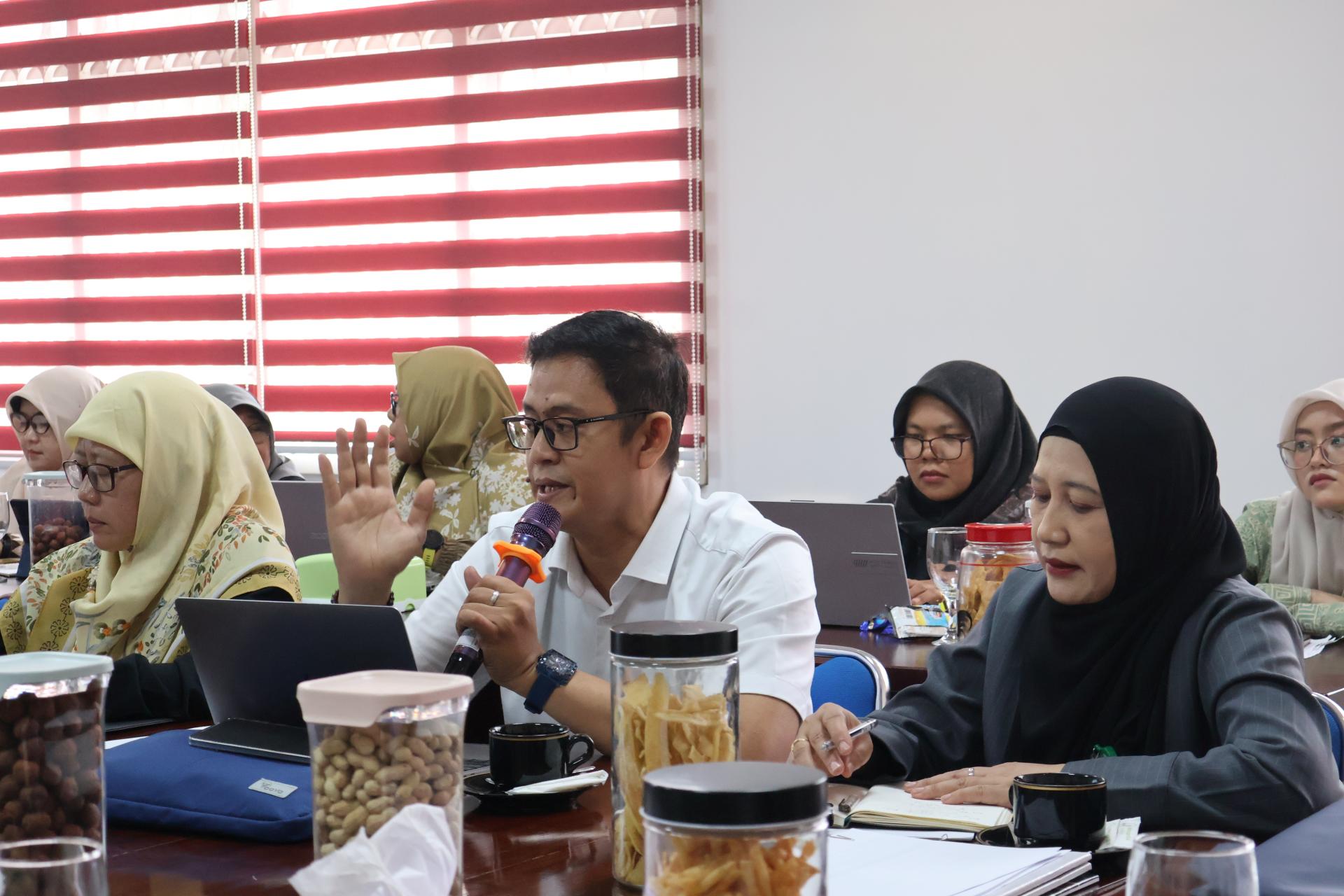
Internationalization was also an important part of the discussion. Fahutan USU is considered to have strong potential through the involvement of international students in various academic activities. Strengthening international networks is expected to go hand in hand with research development and improving educational quality, thereby expanding the faculty's contribution at the global level. The discussion also included research direction and the involvement of both undergraduate and master's students in lecturer research, as well as student transportation access to Campus 2 Kwala Bekala. Prof. drg. Sondang Pintauli, Ph.D., from Commission B overseeing research, community service, and innovation, also emphasized the importance of effective strategies to increase the number of timely graduates. These inputs became part of a joint evaluation to identify needs and opportunities for improvement in higher education management.
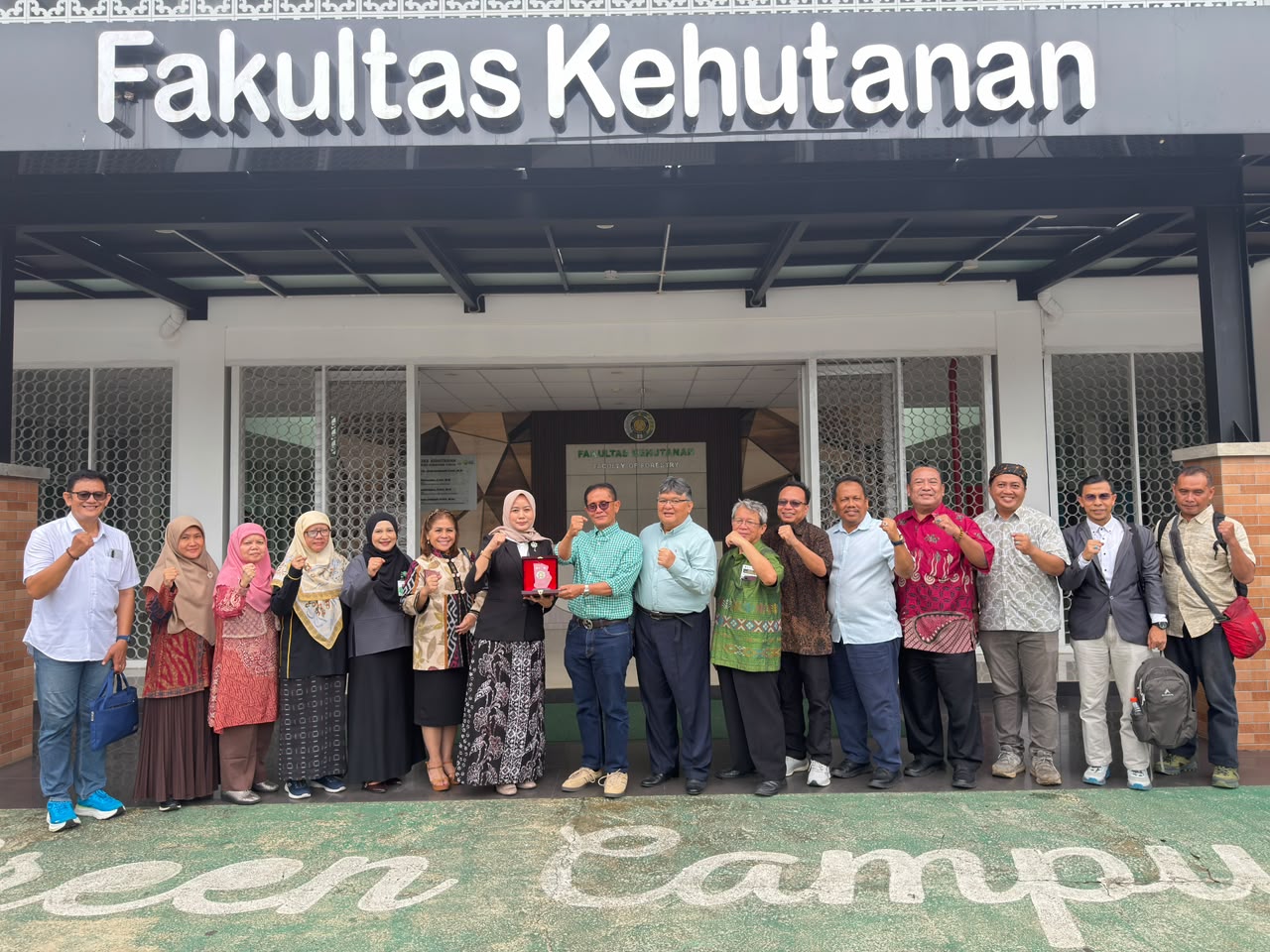
In the discussion session regarding the strengthening of community service and collaboration, a proposal emerged to develop fostered villages in mountainous and coastal areas. This initiative is considered relevant for expanding institutional cooperation implementation, including in the M4CR (Mangroves for Coastal Resilience) and FOLU Net Sink programs. Additionally, the USU Arboretum was proposed to be developed as a living laboratory that integrates education, research, and community service into one environment-based learning area. Through this visit and discussion, Fahutan USU is expected to continue strengthening academic governance, improving learning effectiveness, and developing research and community service that impact society. Various inputs from the Academic Senate serve as evaluation material to formulate targeted, adaptive, and sustainable faculty development steps.
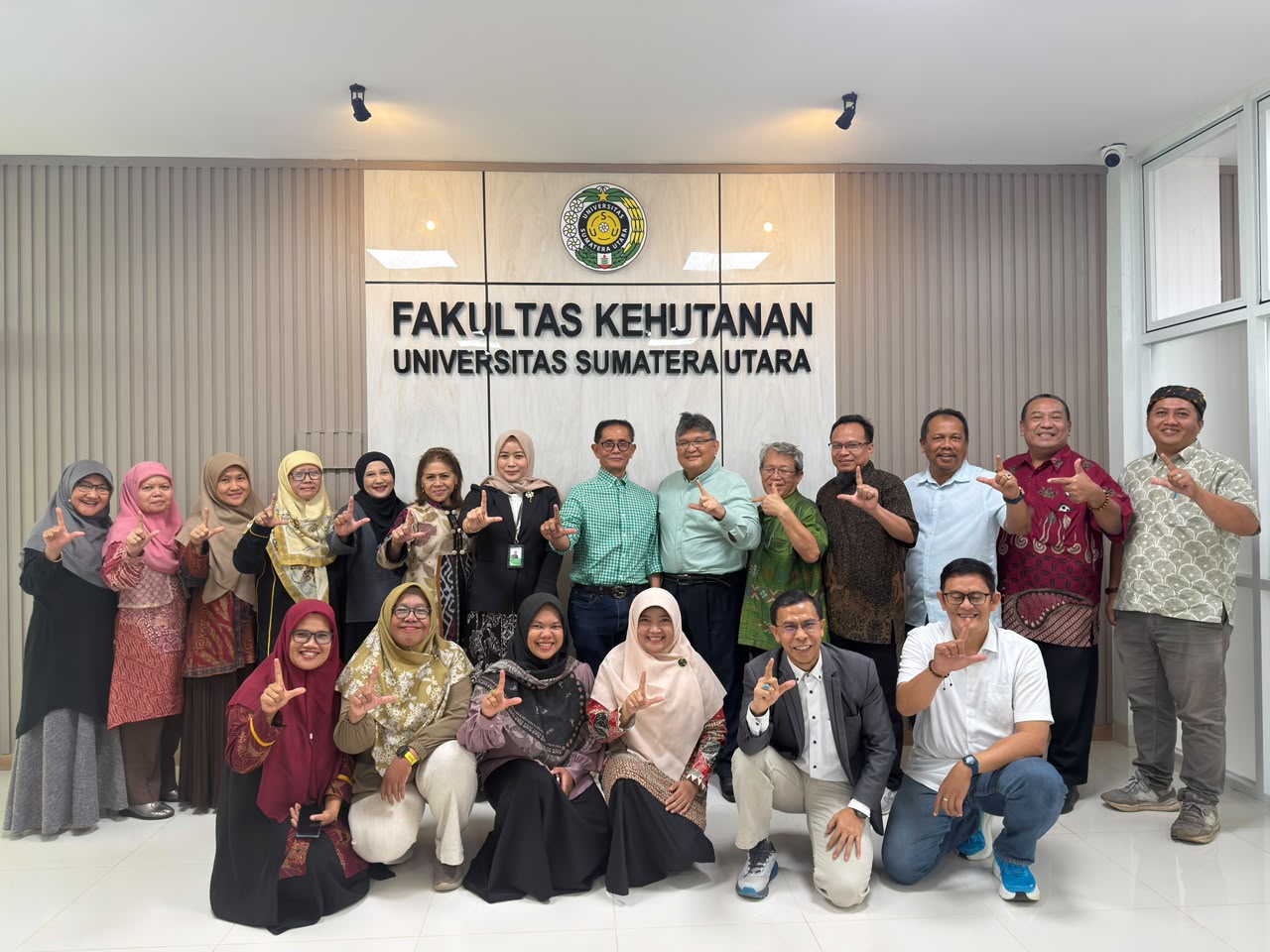
These efforts align with Sustainable Development Goal (SDG) 4: Quality Education, through improving education quality and study completion effectiveness; SDG 9: Industry, Innovation, and Infrastructure, through strengthening research and developing living laboratories; and SDG 17: Partnerships for the Goals, through expanding academic collaboration, internationalization, and fostering village development to support sustainable development.