


.webp)
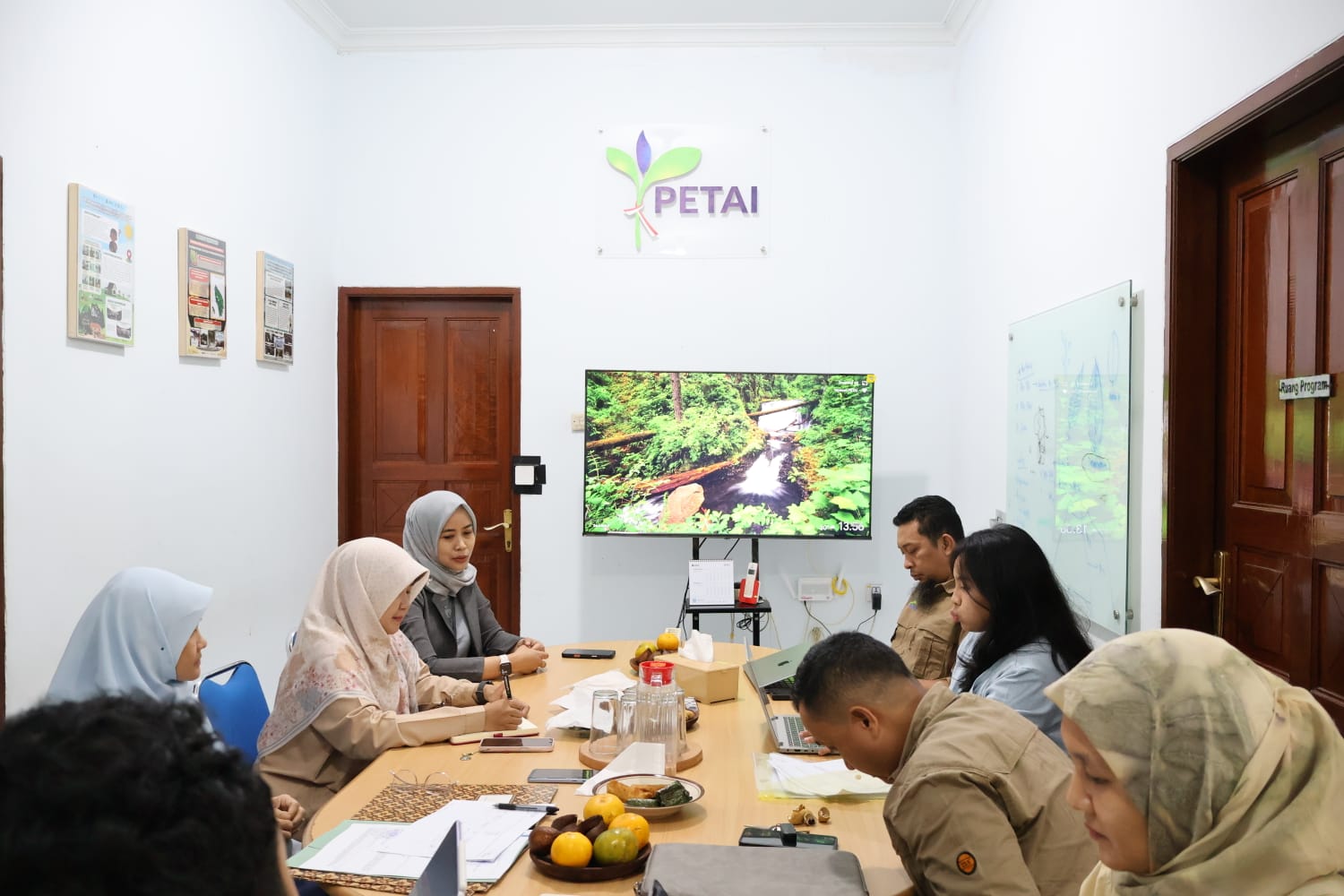
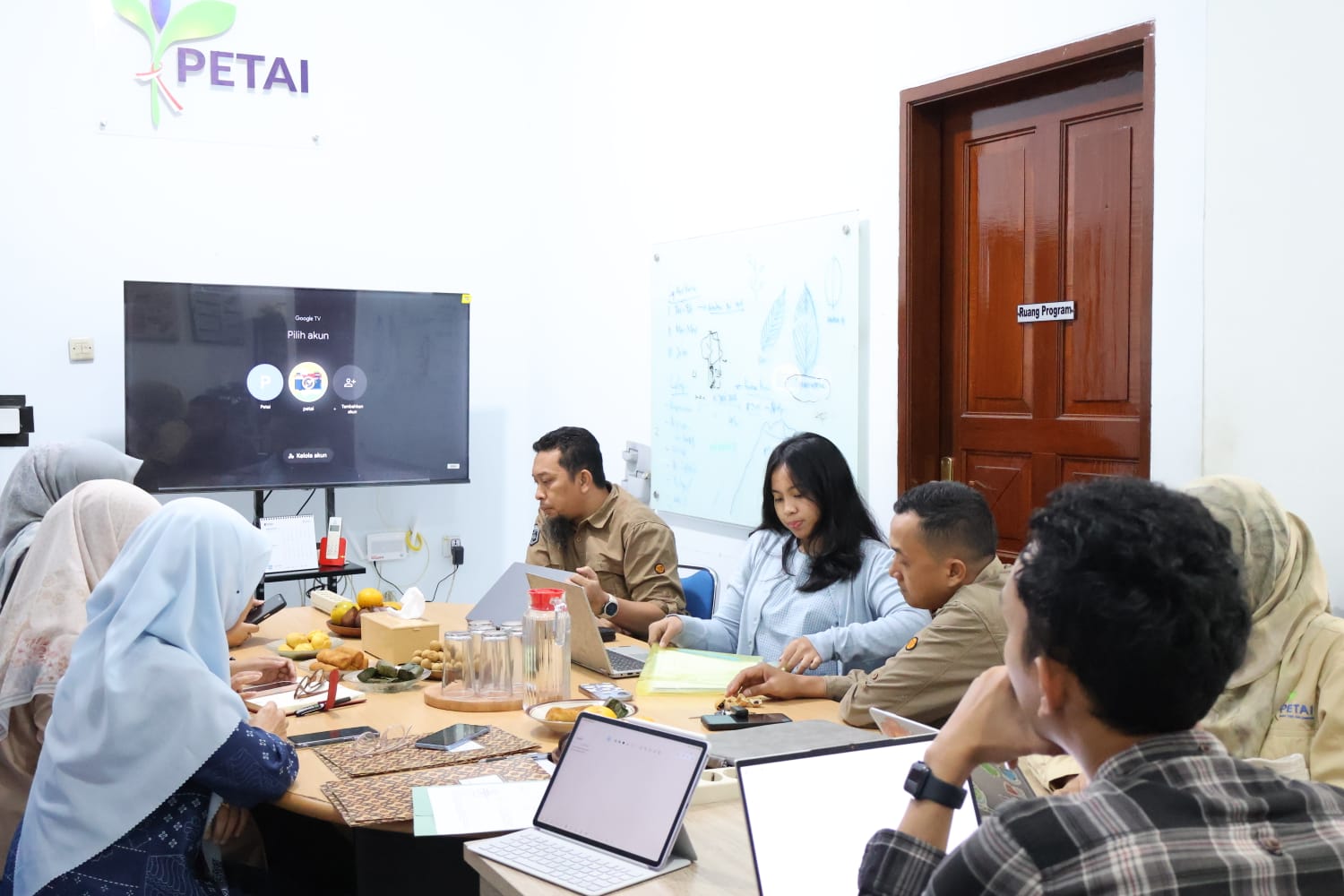
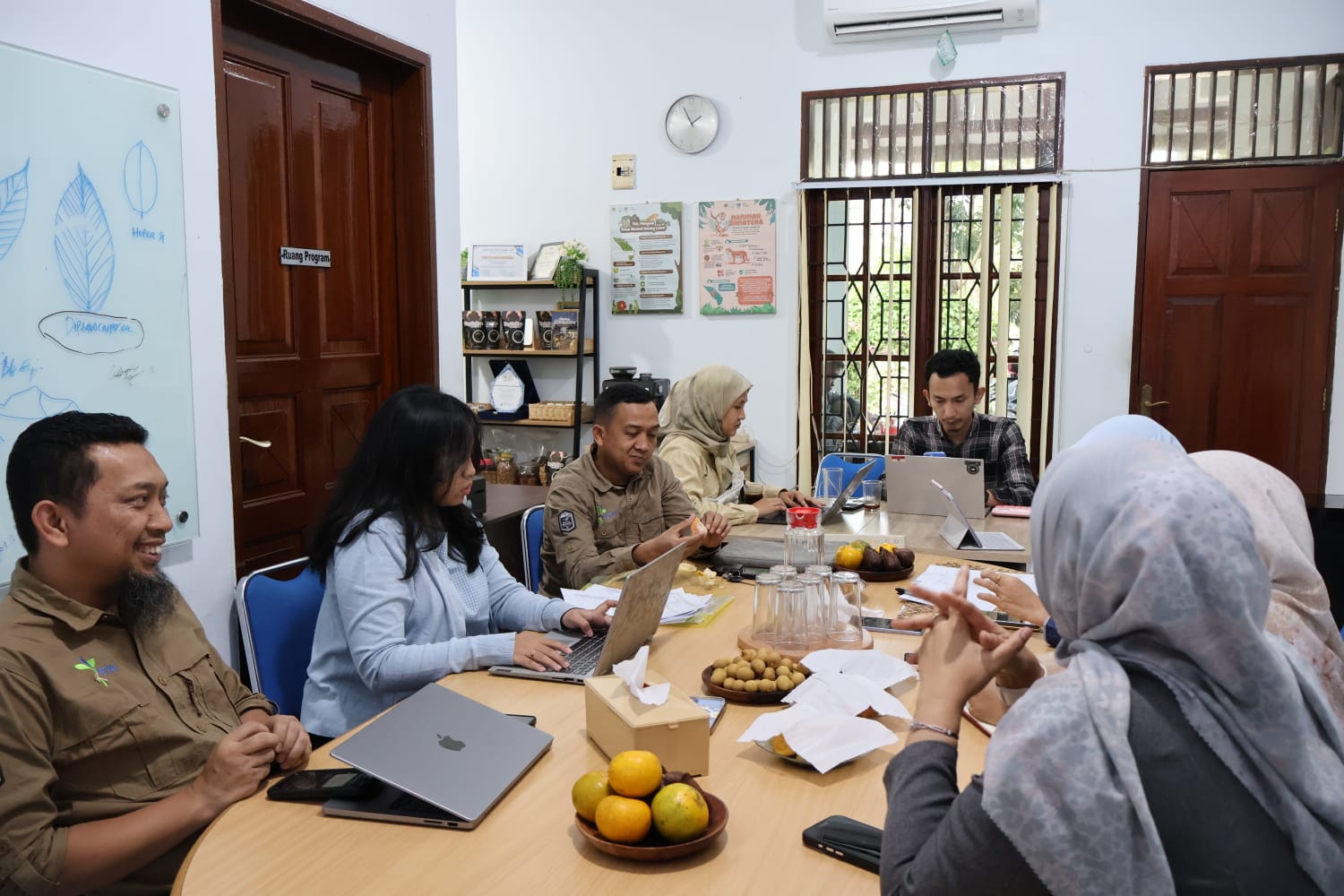
The Faculty of Forestry, Universitas Sumatera Utara (USU), continues to expand its partnership network to strengthen the quality of education, research, and community service. This commitment was realized through the exploration of strategic collaboration with the Pesona Tropis Alam Indonesia (PETAI) Foundation, which took place on Thursday (November 5, 2026), at the PETAI Foundation Office, Medan Selayang.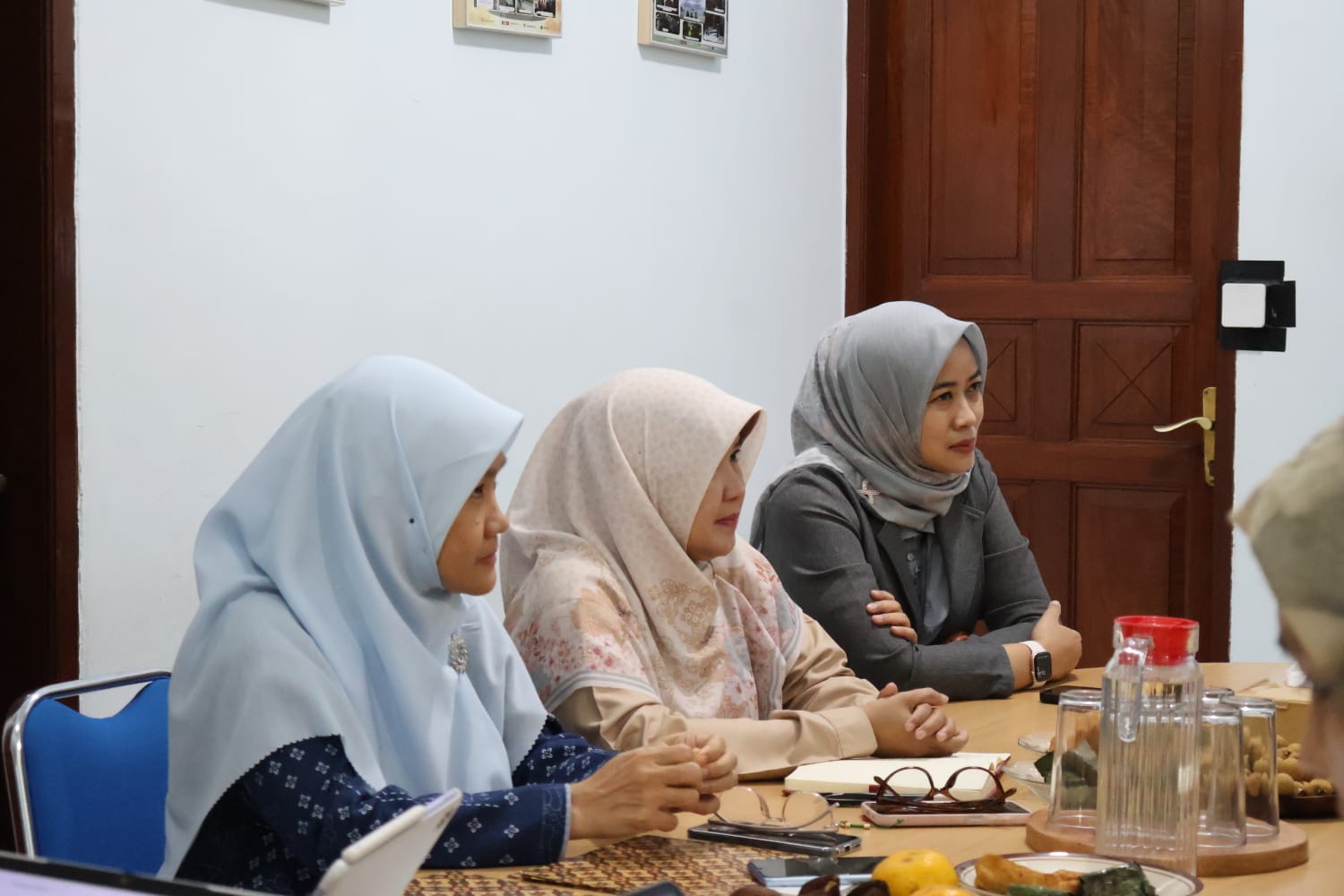
The meeting was attended by the Dean of the Faculty of Forestry, USU, Prof. Dr. Arida Susilowati, S.Hut., M.Si.; Manager of Education, Student Affairs, and Alumni Affairs, Dr. Nelly Anna; Head of the Undergraduate Program in Forestry, Dr. Evalina Herawati; and Public Relations staff of the Faculty of Forestry, USU. Meanwhile, the PETAI Foundation was represented by its Director, Dr. Masrizal Saraan; Program Manager, Muammar BM; and staff members.
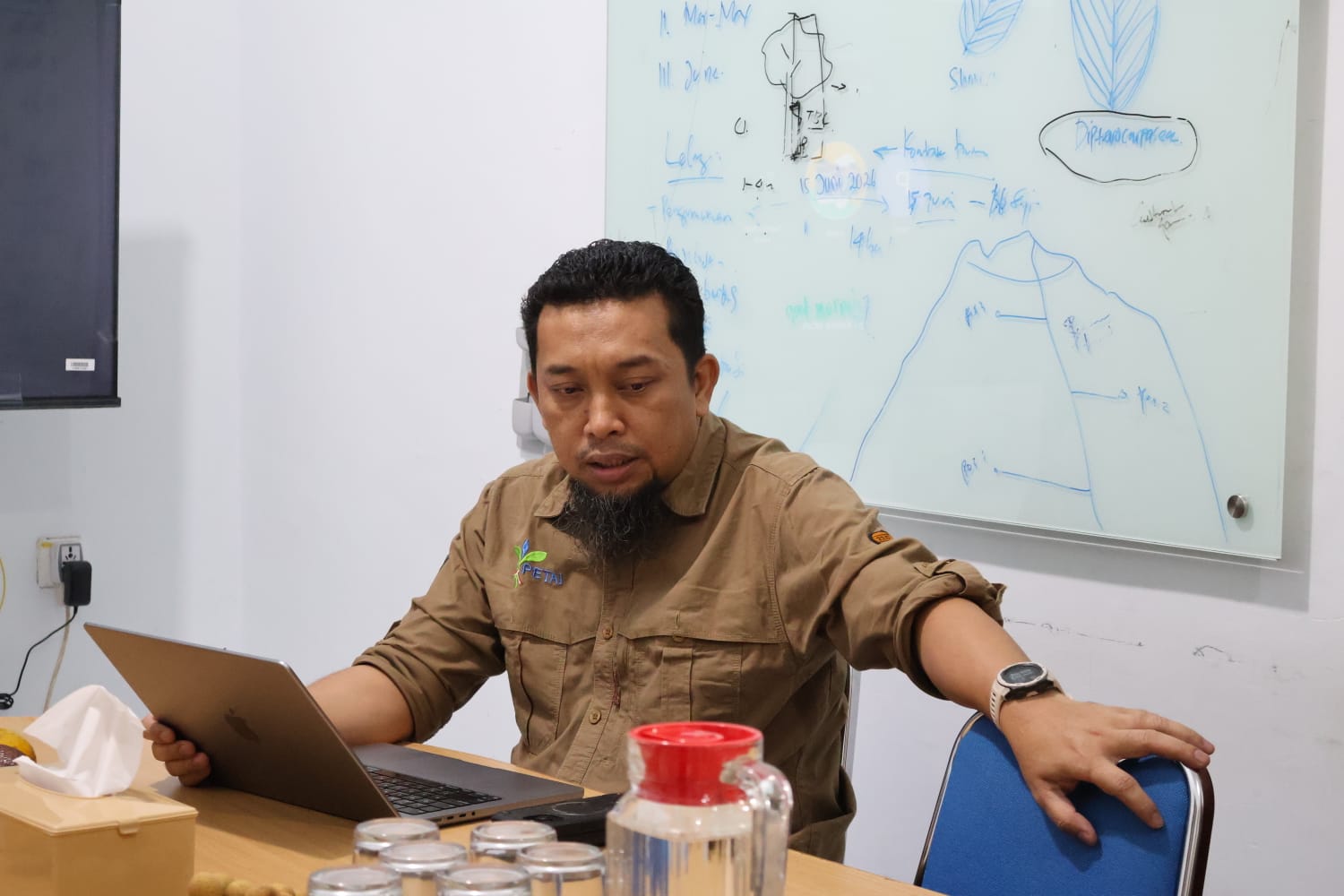
One of the agenda items discussed was the implementation of a sharing session featuring practitioners and leaders of partner institutions within the Faculty of Forestry, USU. This activity is expected to provide insights into developments in the forestry and environmental sectors, professional experiences, and career opportunities for students. In addition, the Director of the PETAI Foundation is also planned to serve as a speaker at the Business and Industrial World (DUDI) activity for prospective graduates of the Faculty of Forestry, USU, in the future.
In the field of community empowerment, both parties also explored opportunities to develop assisted villages through the optimization of local potential and the strengthening of community self-reliance. One of the initiatives discussed was the involvement of the Faculty of Forestry, USU, in a field school program currently being prepared by the PETAI Foundation. The program is planned to cover the development of coffee and cocoa commodities, agroforestry, horticulture, and various other potential agricultural sectors.
This collaboration also opens opportunities for students to participate directly in field activities, ranging from data collection and information gathering to research according to program needs. The availability of field data is expected to support students' academic activities, including the preparation of final projects or theses. Thus, community empowerment programs not only benefit the assisted villages but also serve as learning spaces for developing students' competencies.
Furthermore, collaboration opportunities are also directed toward forestry research, biodiversity, environmental conservation, and strategic issues such as carbon and climate change. The Faculty of Forestry, USU, also welcomes opportunities to develop joint research, scientific journal writing, book preparation, and various other forms of academic publication. Knowledge exchange between academics and practitioners is expected to generate scientific contributions relevant to the needs of sustainable natural resource management.
Through this exploration, the Faculty of Forestry, USU, hopes that its partnership with the PETAI Foundation can develop into concrete collaboration that benefits both institutions, students, and the community. This synergy also represents an effort to strengthen forestry education that is not only oriented toward theoretical mastery but also encourages practical experience, social awareness, and the ability to address future environmental challenges.
This initiative aligns with the commitment to achieving the Sustainable Development Goals (SDGs), particularly SDG 4 (Quality Education) through strengthening experience-based learning and improving student competencies; SDG 8 (Decent Work and Economic Growth) through community empowerment and the development of local economic potential; SDG 13 (Climate Action) through strengthening capacity and research related to climate change; SDG 15 (Life on Land) through research, conservation, and sustainable natural resource management; and SDG 17 (Partnerships for the Goals) through strengthening synergy between higher education institutions and community organizations. This collaboration is expected to become a sustainable step toward providing education, research, and community empowerment that create a positive impact on environmental preservation and shared prosperity.